Ladakh Festival Calendar: Your Guide to Cultural Celebrations
Ladakh Culture Guide
Explore Ladakh's vibrant festival calendar with Mid Holidays. Discover dates, traditions, and tips to experience the rich cultural tapestry of the…
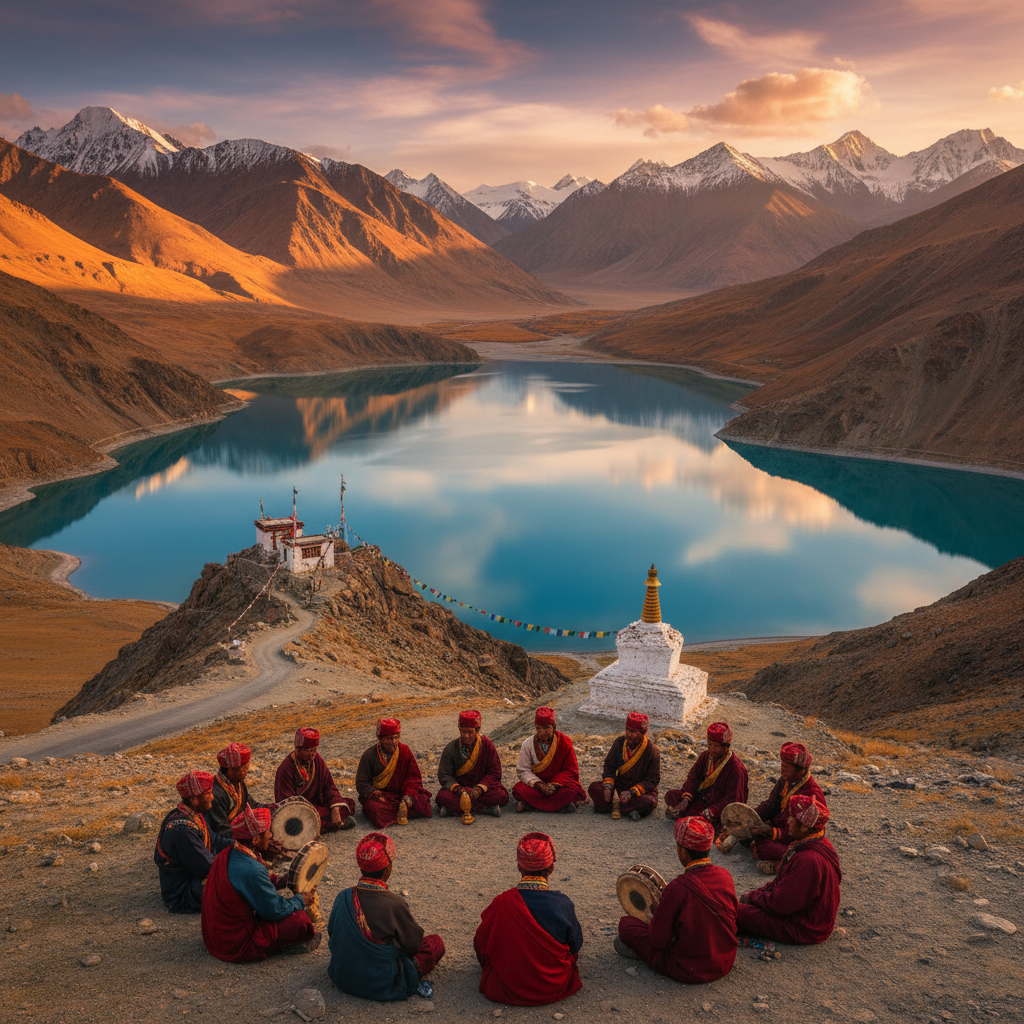
Embracing the Spirit of Ladakh: An Overview of Its Festivals
Ladakh, often called 'The Land of High Passes,' is not just a geographical wonder but a vibrant tapestry of ancient Buddhist culture, deeply rooted traditions, and spirited celebrations. The Ladakh festival calendar is a living testament to this rich heritage, offering travellers a unique window into the heart and soul of its people. These festivals, often coinciding with harvest seasons, religious anniversaries, or significant astronomical events, are more than just spectacles; they are profound expressions of faith, community, and joy. From colourful masked dances (Chhams) performed by monks in ancient monasteries to lively archery competitions and traditional music, each festival tells a story. Planning your trip around one of these celebrations can transform a regular visit into an immersive cultural journey. Whether you're drawn to the spiritual grandeur of a monastic festival or the communal warmth of a village fair, Ladakh's calendar is brimming with opportunities to connect with its authentic spirit. Many of these events take place outdoors, against the stunning backdrop of the Himalayan peaks, making for truly unforgettable experiences. Understanding the rhythm of these festivals is key to unlocking a deeper appreciation for Ladakh. We at Mid Holidays believe that experiencing these cultural moments firsthand is essential for a complete Ladakh adventure.
When to Visit: Best Seasons for Ladakh's Celebrations
Ladakh's festivals are spread throughout the year, but the most popular and accessible ones generally fall within the warmer months, from late spring to early autumn (May to October). This period offers favourable weather conditions for travel, with most roads open and daytime temperatures pleasant. July and August are particularly bustling, hosting major events like the Hemis Tsechu and Sindhu Darshan, drawing both locals and international visitors. However, if you're seeking a more intimate and profound experience, consider visiting during the colder months (November to April). While travel can be challenging due to heavy snowfall and road closures, witnessing a winter festival like Losar (Ladakh New Year) offers a glimpse into a different facet of Ladakhi life, often celebrated indoors with family gatherings and ancient rituals. These winter events, though less outwardly flamboyant, are deeply significant. For example, some monastic festivals in remote areas might be held in winter, offering a quiet yet powerful spiritual experience. Always check the exact dates close to your travel period, as many festivals follow the Tibetan lunar calendar and their Gregorian dates shift annually. A flexible itinerary is always a good idea when planning around these dynamic cultural events. Mid Holidays can help you navigate these seasonal nuances to ensure you don't miss out on the celebration you wish to experience.
Major Festivals and Their Significance: A Deep Dive
Ladakh's festival calendar is punctuated by several prominent events, each with its unique flavour and historical roots. The Hemis Tsechu, typically held in June or July at the Hemis Monastery, is arguably the most famous. It commemorates the birth anniversary of Guru Padmasambhava, the founder of Tantric Buddhism in Tibet, and features elaborate masked dances by lamas, symbolising the victory of good over evil. The performances are captivating, with vibrant costumes, rhythmic music, and deep spiritual meaning. Another significant celebration is the Sindhu Darshan Festival, usually in June, held on the banks of the Indus River near Leh. This secular festival promotes communal harmony and national integration, attracting diverse cultural groups for music, dance, and traditional ceremonies honouring the Indus. Losar, the Ladakhi New Year, is a multi-day celebration occurring in late December or early January. It's a time for family reunions, traditional prayers, rituals, and feasting, with communities engaging in age-old customs to welcome prosperity and happiness. The Phyang Tsedup and Likir Dosmoche are other notable monastic festivals featuring masked dances and religious rituals, often held at their respective monasteries. Each festival, whether monastic or secular, plays a vital role in preserving Ladakhi culture and offering a vibrant spectacle for visitors.
Exploring the Calendar: A Month-by-Month Guide to Ladakh's Events
While exact dates vary due to the lunar calendar, here's a general month-by-month guide to help you plan your visit around Ladakh's diverse festivals. In January/February, Losar, the Ladakhi New Year, is a major highlight. Spituk Gustor also falls around this time, featuring masked dances. March/April sees fewer major festivals, often a time for preparatory rituals before the tourist season. By May, the road conditions improve, and smaller local events might begin. June is bustling with the Sindhu Darshan Festival near Leh and sometimes the Hemis Tsechu, which can also fall in July. Other significant monastic festivals like Yuru Kabgyat (Lama Guru Monastery) also take place in June. July is often the peak month, frequently hosting the Hemis Tsechu, along with the Phyang Tsedup and Korzok Gustor (Tso Moriri). August brings the Ladakh Festival, a week-long extravaganza of cultural performances, traditional sports, and crafts in Leh. September might see smaller village festivals and harvest celebrations. October marks the beginning of the colder season, with Stok Guru Tsechu often occurring. November and December are quieter, but some monasteries might have special winter rituals. Always remember to cross-reference with the latest lunar calendar updates for precise dates as your travel approaches, as these can shift by a few weeks each year. Mid Holidays keeps updated with the latest festival schedules to assist with your planning.
Practical Tips for Attending a Ladakhi Festival
Attending a festival in Ladakh is an experience you won't forget, but a little preparation goes a long way. First, check the exact dates well in advance, as they follow the Tibetan lunar calendar and vary yearly. Book your accommodation and flights far ahead, especially for popular festivals like Hemis Tsechu and Sindhu Darshan, as demand surges. When at the festival, arrive early to secure a good viewing spot, particularly for masked dances. Dress modestly, respecting the local culture and religious significance of the events; covering your shoulders and knees is advisable. Photography is generally allowed, but always be respectful and ask for permission, especially when photographing individuals. Be mindful of personal space and avoid disturbing rituals. Carry sufficient water, sun protection (sunscreen, hat, sunglasses), and light snacks, as facilities might be limited, and festivals can last for hours under the sun. Respect the sanctity of the monasteries and cultural sites. Consider hiring a local guide, who can provide invaluable insights into the rituals, their meanings, and the local customs, enriching your understanding of the celebration. Remember, these are not just performances but deep spiritual practices for the locals. Embrace the atmosphere with an open heart and a sense of wonder. Your Mid Holidays representative can offer tailored advice for specific festivals.
Costs and Budgeting for Festival Travel in Ladakh
Budgeting for a festival trip to Ladakh requires consideration of various elements. Accommodation costs can range significantly. During major festivals, basic guesthouses in Leh might start from INR 1,500-2,500 per night, while mid-range hotels could be INR 3,500-7,000, and luxury options upwards of INR 8,000-15,000, often increasing by 20-40% due to demand. Travel to Ladakh is typically by flight to Leh (LEH Kushok Bakula Rimpochee Airport), with round-trip fares from major Indian cities ranging from INR 10,000-25,000, depending on booking time and origin. Road journeys via Manali or Srinagar are cheaper (bus fares INR 1,500-3,000, shared taxis INR 2,500-4,000 per person) but take 2-3 days and are only open seasonally. Local transport for festival visits outside Leh, such as to Hemis Monastery, will involve taxi hire, which can cost INR 2,000-4,000 for a round trip depending on distance and duration. Food costs are generally reasonable, with meals at local eateries costing INR 300-800 per person per day. There are usually no entry fees for the festivals themselves, though monasteries might request small donations. Always carry enough cash, as ATMs can be scarce outside Leh, and digital payments are not universally accepted. An estimated budget for a 5-7 day festival trip, excluding flights, could range from INR 15,000-30,000 for a budget traveller to INR 40,000-70,000 for a comfortable mid-range experience, excluding personal shopping and souvenirs. Booking a comprehensive package through Mid Holidays can help manage these costs effectively.
Local Etiquette and Respectful Travel During Festivals
When attending festivals in Ladakh, observing local etiquette is paramount to ensuring a respectful and enriching experience for everyone. Remember that these are deeply sacred and cultural events for the local community. Always dress modestly, especially when visiting monasteries or attending religious ceremonies; avoid revealing clothing. Remove your shoes before entering any prayer hall or sacred space. When monks are performing rituals or masked dances, maintain a respectful distance and avoid obstructing their movements or the view of other attendees. Avoid loud conversations, excessive laughter, or any behaviour that might disrupt the solemnity of the occasion. It's customary to walk clockwise around stupas, mani walls, and other religious structures. If offering prayers or donations, do so discreetly. Always ask for permission before taking close-up photos of individuals, especially monks or elderly people, and be prepared for them to decline. A simple 'Julley' (hello/thank you) and a smile go a long way. Be patient, as crowds can be large, and events might not always run precisely on schedule. Respect the environment by not littering and being mindful of your waste. By being a conscious and respectful visitor, you contribute positively to the preservation of Ladakh's unique culture and forge genuine connections with its people. Mid Holidays encourages all its travellers to embrace these practices.
Beyond the Monasteries: Other Cultural Experiences in Ladakh
While monastic festivals are a cornerstone of Ladakh's cultural calendar, the region offers a plethora of other experiences that enrich your understanding of its heritage. The Ladakh Festival, usually held in August or September, is a week-long celebration showcasing folk dances, traditional music, polo matches, archery contests, and theatrical performances across Leh and surrounding villages. It's an excellent opportunity to witness the diversity of Ladakhi arts and sports in one go. During your visit, consider exploring local villages to observe daily life and traditional crafts, such as thangka painting, pashmina weaving, or pottery. Visiting a traditional Ladakhi home for a cup of butter tea or Chang (local barley beer) can offer a warm, personal insight into their hospitality. Attending a Ladakhi wedding, if you're fortunate enough to receive an invitation, is an unforgettable experience, filled with vibrant customs and joyous celebrations. You can also explore local markets, such as the Leh Main Bazaar, to discover authentic Ladakhi handicrafts, jewellery, and local produce. Learning a few basic Ladakhi phrases like 'Julley' (hello/thank you/goodbye) can open doors to more meaningful interactions. These diverse cultural engagements, alongside the grand festivals, paint a comprehensive picture of Ladakh's enduring spirit. Mid Holidays can help you integrate these authentic experiences into your Ladakh itinerary, ensuring a truly immersive journey.
Related Kashmir Guides & Services
<p>Planning the rest of your trip? These Mid Holidays guides pair well with this article:</p><ul><li><a href="/blog/losar-festival-ladakh-guide">Losar Festival Ladakh Guide: Celebrate New Year in the Himalayas</a></li><li><a href="/blog/kashmir-shikara-festival-guide">Kashmir Shikara Festival Guide: Dates, Events & Local Tips 2026</a></li><li><a href="/blog/ladakh-stargazing-astro-tourism-guide">Ladakh Stargazing Astro Tourism: Your Ultimate Cosmic Guide</a></li><li><a href="/blog/pampore-saffron-fields-visit-guide">Pampore Saffron Fields Visit Guide: Kashmir's Golden Bloom</a></li><li><a href="/blog/best-month-to-visit-gurez-valley">Best Month to Visit Gurez Valley: Your Ultimate Mid Holidays Guide</a></li></ul>
Frequently Asked Questions
What is the most famous festival in Ladakh and when is it usually held?
The most famous festival in Ladakh is the Hemis Tsechu, celebrated at the Hemis Monastery, which is the largest and wealthiest monastery in Ladakh. It typically falls in June or July, though the exact dates vary each year according to the Tibetan lunar calendar. This vibrant two-day festival commemorates the birth anniversary of Guru Padmasambhava and is renowned for its spectacular masked dances (Chhams) performed by resident lamas, attracting thousands of devotees and tourists alike.
How do I find the exact dates for Ladakhi festivals each year?
Since most Ladakhi festivals follow the Tibetan lunar calendar, their Gregorian dates shift annually. The best way to find the exact dates is to check reliable sources closer to your planned travel time. You can refer to the official Ladakh tourism website, reputable travel agencies like Mid Holidays, or the websites of major monasteries (like Hemis or Thiksey) which usually publish their festival schedules. It's advisable to reconfirm dates a few months before your trip.
Are there any entry fees to attend festivals in Ladakh?
Generally, there are no specific entry fees charged to attend the festivals themselves, as they are public cultural and religious events. However, when visiting monasteries, a small donation or entry fee for the monastery premises might be requested, which goes towards the maintenance of the monastic complex. This fee is typically nominal, around INR 20-100. It's always a good idea to carry small denominations of cash for such instances or for purchasing local snacks/souvenirs.
Can I take photos and videos during Ladakhi festivals?
Photography and videography are generally permitted at most Ladakhi festivals, especially during the outdoor masked dances and public celebrations. However, it's crucial to be respectful and discreet. Avoid using flash during indoor ceremonies or close to monks in prayer. Always ask for permission before taking close-up photos of individuals, particularly children, elderly people, or monks, and respect their decision if they decline. Be mindful of not obstructing others' views or interfering with rituals.
What kind of clothing should I wear when attending a festival?
When attending festivals, especially those with religious significance, it is important to dress modestly out of respect for the local culture and traditions. It's advisable to wear clothing that covers your shoulders and knees. Loose-fitting trousers or long skirts paired with long-sleeved tops are appropriate. Additionally, consider the weather – layer up, as temperatures can vary, and bring sun protection like a hat and sunglasses, especially for outdoor events that last several hours.
Is it better to visit Ladakh during summer or winter festivals?
Both summer and winter festivals in Ladakh offer unique and enriching experiences. Summer festivals (May-October) like Hemis Tsechu and Sindhu Darshan are more accessible due to open roads and pleasant weather, making them ideal for first-time visitors. Winter festivals like Losar (Ladakhi New Year in Dec/Jan) offer a more intimate, local experience, with deep spiritual significance, though travel can be challenging due to cold and snow. Your choice depends on your preference for accessibility versus authentic, quieter cultural immersion.
What is the Sindhu Darshan Festival and when is it celebrated?
The Sindhu Darshan Festival is a secular celebration held annually on the banks of the Indus River (known locally as the Sindhu) near Leh. It typically takes place in June, usually from the 1st to the 3rd. This festival aims to promote national integration, communal harmony, and celebrate the Indus River as a symbol of India's unity and rich cultural heritage. It features various cultural performances, traditional rituals, and attracts people from all walks of life for a vibrant display of Indian diversity.