Zoji La Pass Travel Guide: Conquering Kashmir's Himalayan Gateway
Kashmir & Ladakh High-Altitude Passes
Conquer Zoji La Pass with our travel guide from Mid Holidays. Get real-time updates on road conditions, best time to visit, and essential tips for a safe…
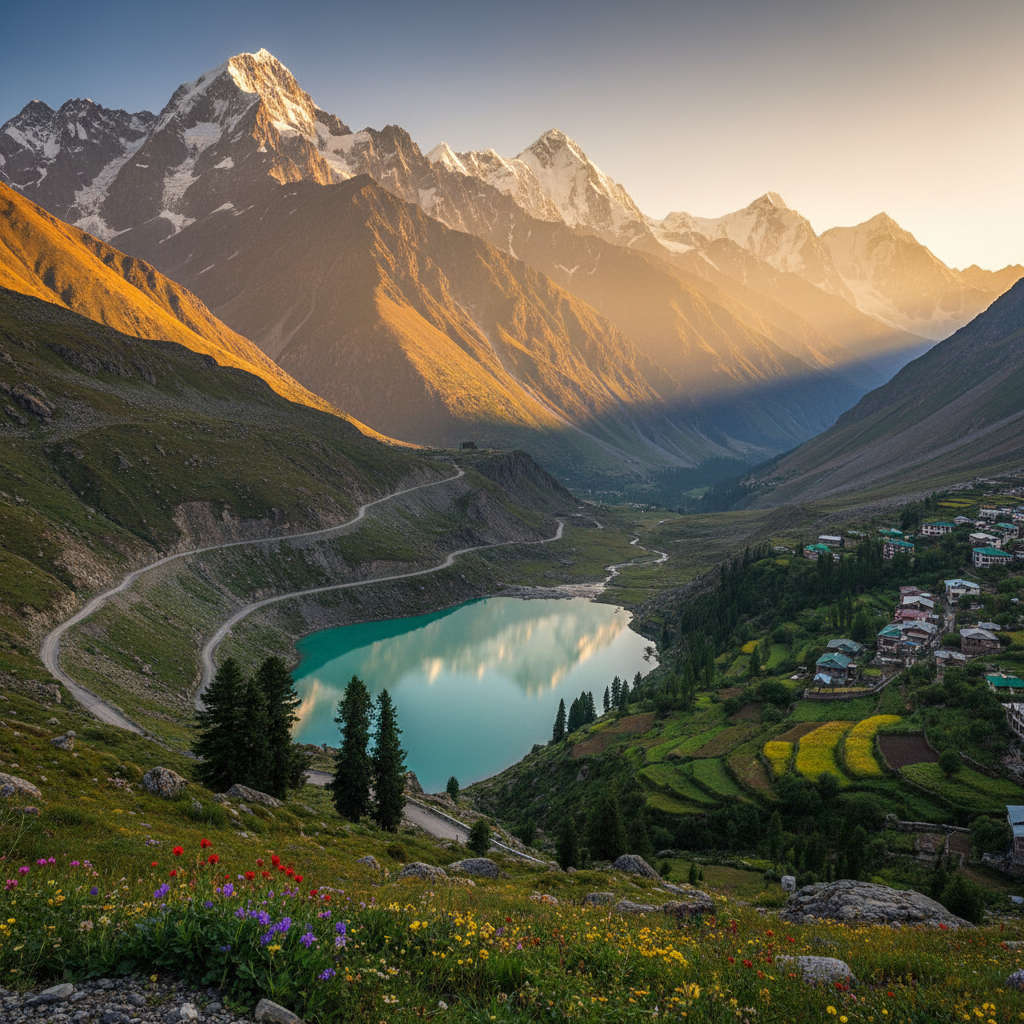
Zoji La Pass: Your Ultimate Travel Companion for the Himalayan Gateway
Zoji La Pass, often pronounced 'Zojila', is more than just a high-altitude mountain pass; it's a vital artery connecting the Kashmir Valley to the high-altitude deserts of Ladakh. Situated at an elevation of approximately 11,575 feet (3,528 meters) above sea level, it's one of the most challenging yet breathtaking sections of the Srinagar-Leh National Highway (NH1). For travellers heading to Leh-Ladakh from Kashmir, traversing Zoji La is an unavoidable and unforgettable experience. This pass is infamous for its narrow, winding roads, unpredictable weather, and dramatic elevation changes, making it a true test of driving skill and endurance. Our guide aims to equip you with all the practical knowledge and local insights you need to navigate this legendary pass safely and enjoyably, whether you're embarking on a self-drive adventure or opting for a comfortable taxi service from Mid Holidays. From late autumn to early spring, Zoji La remains completely covered in heavy snow, rendering it impassable for regular vehicles. The Border Roads Organisation (BRO) works tirelessly to clear the pass each year, usually opening it to traffic sometime in April or May, and it generally remains open until late October or early November, depending on snowfall. Understanding these seasonal variations and road conditions is paramount for any travel planning involving Zoji La. We will delve into what to expect during your journey, from the stunning landscapes that unfold around every bend to the essential precautions you must take. This isn't just about reaching a destination; it's about the journey through one of the world's most spectacular mountain passes.
Best Time to Traverse Zoji La Pass and Road Conditions
The best time to cross Zoji La Pass is typically from May to September. During these months, the weather is generally more stable, and the pass is fully open, allowing for smoother travel. While the pass usually opens in April, early season travel (April-May) can still mean encountering significant snow walls, especially immediately after opening. The BRO (Border Roads Organisation) is diligent in clearing and maintaining the road, but early openings can still present slushy, wet, and sometimes icy patches, particularly in the mornings or after fresh snowfall. Late season travel (October) offers stunning autumnal colours, but brings the risk of early winter snowfalls that can close the pass unexpectedly, sometimes for days. Throughout the operational months, Zoji La's road conditions are constantly changing. It's largely an unpaved, gravelly track with numerous potholes, slushy sections, and occasional water crossings due to snowmelt. The narrowness of the road, especially at specific bottlenecks, requires careful driving and patience. Heavy vehicle traffic, particularly military convoys and trucks, can further slow down movement. Always check the latest road status before starting your journey; local taxi drivers and hotels in Sonamarg or Drass often have the most up-to-date information. Mid Holidays always ensures our drivers are aware of the current conditions to provide the safest and most efficient journey.
Route Overview: Srinagar to Leh via Zoji La Pass
The journey from Srinagar to Leh, with Zoji La Pass as its most challenging segment, is an epic road trip spanning approximately 434 kilometres. The route typically starts from Srinagar, heading towards Ganderbal and then to Sonamarg, which is about 80-85 kilometres from Srinagar. Sonamarg serves as the last major town before the ascent to Zoji La begins, making it a good spot for a final check of supplies or a quick meal. From Sonamarg, the winding ascent to Zoji La Pass is about 25-30 kilometres and takes approximately 1.5 to 2.5 hours, depending heavily on traffic and road conditions. This section is particularly prone to traffic jams due to its narrowness and single-lane stretches. After crossing Zoji La, you descend into the Drass Valley, often called the 'Gateway to Ladakh' and known as the second coldest inhabited place on Earth. Drass is roughly 60 kilometres from Zoji La and takes another 1.5-2 hours. Further along, you'll encounter the Kargil War Memorial near Drass, a poignant stop. From Drass, the road continues to Kargil (another 60-65 km, 1.5-2 hours), a significant town offering accommodation and fuel. The final stretch from Kargil to Leh is approximately 210-220 kilometres and can take 5-7 hours, traversing Fatu La Pass and Namika La Pass along the way. While possible in a single long day (12-16 hours driving), most travellers prefer to break this journey with an overnight stay in Kargil for comfort and to better acclimatize.
Costs and Budget Breakdown for a Zoji La Journey
The cost of travelling across Zoji La Pass largely depends on your mode of transport and whether it's part of a larger package. If you opt for a private taxi, which is highly recommended for comfort and safety, the fare for a one-way trip from Srinagar to Leh (which includes crossing Zoji La) typically ranges from INR 12,000 to INR 18,000 for a standard sedan (like a Dzire or Etios) and INR 18,000 to INR 25,000 for an SUV (like an Innova), depending on the season, demand, and driver's experience. These rates are for the entire vehicle, not per person. A local taxi from Sonamarg to Drass (covering just the pass section) would be considerably less, but fewer drivers undertake this partial journey. Shared taxis are also available, usually from Srinagar TRC (Tourist Reception Centre) or Sonamarg, with per-person costs ranging from INR 1,500 to INR 2,500 for the Srinagar-Leh route. Fuel costs are a significant factor if you're driving your own vehicle. Expect to use a full tank, or close to it, for the Srinagar-Leh stretch. Petrol and diesel are more expensive in Ladakh than in the Kashmir Valley. Accommodation in Kargil, if you break your journey, can range from INR 1,500 to INR 4,000 per night for a decent hotel. Food expenses are moderate, with local dhabas offering meals for INR 200-400 per person. Always factor in buffer for unforeseen expenses like minor vehicle repairs or sudden weather changes. Mid Holidays packages often include transport costs, providing a hassle-free experience with clear pricing.
Essential Packing List for Zoji La Pass Travel
Proper packing is crucial for navigating the varying conditions across Zoji La Pass and into Ladakh. Even in summer, temperatures can drop significantly at higher altitudes and on the pass itself, especially if you encounter rain or snow. Layered clothing is key: start with thermal innerwear, add a fleece or woollen sweater, and top it with a windproof and waterproof jacket. A warm, comfortable jacket is non-negotiable. Sturdy, waterproof hiking boots with good grip are essential, as you might encounter slush, mud, or wet patches if you stop for photos. Don't forget warm socks, preferably woollen, and a warm hat, gloves, and a scarf to protect against the biting wind. Beyond clothing, carry a small first-aid kit with basic medicines for headaches, nausea (altitude sickness medication if prescribed by your doctor), pain relievers, and any personal medications. Sunscreen (SPF 30+), sunglasses, and lip balm are vital to protect against the strong UV rays and dry air. A power bank for your electronic devices is highly recommended, as charging points can be scarce. Always keep some high-energy snacks like dry fruits, chocolates, and water bottles readily accessible in your vehicle. A small backpack for day essentials, a camera to capture the stunning vistas, and a printout of important documents complete your essential packing list. Remember, mobile network coverage is sporadic on the pass, so preparation is key.
Safety Tips and Local Etiquette for Zoji La Pass
Safety should be your paramount concern when crossing Zoji La Pass. Always drive slowly and cautiously, especially on unpaved and narrow sections. Honk at blind turns and be prepared for oncoming traffic, including heavy military vehicles which always have the right of way. Avoid speeding and refrain from overtaking in risky spots. If driving your own vehicle, ensure it's in excellent condition, particularly the brakes, tires, and cooling system. Carry a spare tyre, tools, and basic emergency repair kits. It's advisable for vehicles to have good ground clearance, though many sedans manage if driven carefully. Do not attempt to cross the pass if you are feeling unwell or experiencing symptoms of acute mountain sickness (AMS); prioritize acclimatization. Regarding local etiquette, the people of Kashmir and Ladakh are generally warm and welcoming. Always greet locals with respect. If you stop to interact or take photographs, always ask for permission, especially before photographing individuals. While on the road, patience is a virtue. Traffic jams are common, and getting agitated helps no one. Be mindful of littering; the Himalayan ecosystem is fragile, and proper waste disposal is crucial. If you are travelling with a local driver from Mid Holidays, they will guide you on specific local customs and ensure a smooth interaction with the environment and its people. Remember, you are a guest in these majestic mountains.
Common Mistakes to Avoid When Travelling Zoji La Pass
Several common mistakes can turn a potentially enjoyable Zoji La crossing into a challenging one. Firstly, underestimating the time required for the journey is a major pitfall. While maps might show a relatively short distance, the poor road conditions, traffic, and winding terrain mean that travel times are significantly longer than expected. Always factor in extra hours. Secondly, failing to check current road conditions before departure can lead to being stranded or having to turn back. Weather changes rapidly, and Zoji La can close with little notice due to snowfall or landslides. Always call local authorities or check with reliable sources like Mid Holidays for real-time updates. Another common mistake is inadequate acclimatization. While Zoji La is not as high as some other passes, the quick ascent can trigger mild AMS symptoms if you are not prepared, especially if you've flown directly into Srinagar. Spending a day or two in Srinagar helps. Overpacking or underpacking are also common errors – you need essentials, but too much luggage in a shared taxi can be cumbersome. Lastly, neglecting vehicle maintenance is dangerous for self-drivers. Ensure your vehicle is serviced and fit for mountain roads. Relying solely on mobile networks for navigation is also ill-advised, as connectivity is patchy; carry offline maps or a physical map. By avoiding these common errors, you can ensure a safer and more pleasant journey across this iconic pass. If you prefer a completely worry-free journey, consider booking a comprehensive package with Mid Holidays, which includes experienced drivers who navigate these challenges daily.
Related Kashmir Guides & Services
<p>Planning the rest of your trip? These Mid Holidays guides pair well with this article:</p><ul><li><a href="/blog/khardung-la-pass-complete-guide">Khardung La Pass Complete Guide: Conquering the Himalayan Giant</a></li><li><a href="/blog/leh-to-chang-la-taxi-service">Leh to Chang La Taxi Service: Your Ultimate High-Altitude Journey Guide</a></li><li><a href="/blog/razdan-pass-kashmir-travel-guide">Razdan Pass Kashmir: Your Ultimate Guide to a Hidden Gem</a></li><li><a href="/blog/peer-ki-gali-kashmir-travel-guide">Peer Ki Gali Kashmir: The Ultimate Travel Guide to Pir Panjal Pass</a></li><li><a href="/blog/kashmir-travel-plan-ultimate-guide">Your Ultimate Kashmir Travel Plan: A 7-Day Itinerary Guide</a></li></ul>
Frequently Asked Questions
Is Zoji La Pass always open for tourists?
No, Zoji La Pass is not open year-round. It typically remains closed from late autumn (usually November) until early spring (April or May) due to heavy snowfall. The Border Roads Organisation (BRO) works tirelessly to clear the snow and reopen the pass each spring. It is crucial to check the latest road status before planning your journey, as opening and closing dates can vary based on weather conditions each year.
What is the altitude of Zoji La Pass, and can I get altitude sickness?
Zoji La Pass is situated at an altitude of approximately 11,575 feet (3,528 meters) above sea level. While this is not as high as some other passes in Ladakh, a rapid ascent from the lower altitudes of Kashmir can potentially cause mild symptoms of Acute Mountain Sickness (AMS) in some individuals. It's advisable to ascend gradually, stay hydrated, and report any symptoms like headache or nausea to your travel companions or driver.
What kind of vehicle is best for crossing Zoji La Pass?
For crossing Zoji La Pass, vehicles with good ground clearance are generally preferred due to the rough and unpaved terrain. SUVs like Innova, Scorpio, or similar 4x4 vehicles are excellent choices. While sedans like Dzire or Etios do cross the pass regularly, they require more careful driving and might be less comfortable on the challenging stretches. Mid Holidays provides well-maintained vehicles with experienced drivers for this route.
Is there mobile network coverage on Zoji La Pass?
Mobile network coverage on Zoji La Pass is generally very patchy and unreliable. You may experience intermittent signals or no network at all for significant stretches, especially in certain areas of the pass. It is advisable to inform your family about potential connectivity issues, carry offline maps, and ensure all necessary contacts are saved offline. BSNL post-paid connections sometimes offer slightly better coverage, but it's never guaranteed.
Can I self-drive my own car through Zoji La Pass?
Yes, you can self-drive your own car through Zoji La Pass, provided your vehicle is well-maintained and suitable for mountain roads. However, it requires significant driving experience on challenging terrain, particularly narrow, unpaved, and sometimes slushy roads. Many travellers prefer hiring a local taxi with an experienced driver who is familiar with the ever-changing conditions of the pass, enhancing both safety and peace of mind.
How long does it take to cross Zoji La Pass from Sonamarg to Drass?
The distance from Sonamarg to Drass, which includes crossing Zoji La Pass, is approximately 60 kilometres. However, due to the extremely challenging road conditions, narrow sections, and potential traffic jams, this stretch can take anywhere from 3 to 5 hours, or even more during peak season or after adverse weather. It's always best to start early in the day and allow ample time for this section of the journey.
Are there any petrol pumps or ATMs near Zoji La Pass?
There are no petrol pumps or ATMs directly on Zoji La Pass. The last reliable fuel stations and ATMs before the pass are in Sonamarg on the Kashmir side and then in Drass and Kargil on the Ladakh side. It is crucial to ensure your vehicle has a full tank of fuel before starting your ascent from Sonamarg and to carry enough cash, as card payments might not be accepted everywhere and ATMs can be sparse or out of service in remote areas.