Fotu La Pass Guide: Conquering Ladakh's Highest Road Pass
Ladakh Travel Guide
Explore Fotu La Pass, Ladakh's highest road pass on the Srinagar-Leh highway. This guide covers routes, best time to visit, road conditions, costs, and tips…
Fotu La Pass: An Overview of Ladakh's Majestic Summit
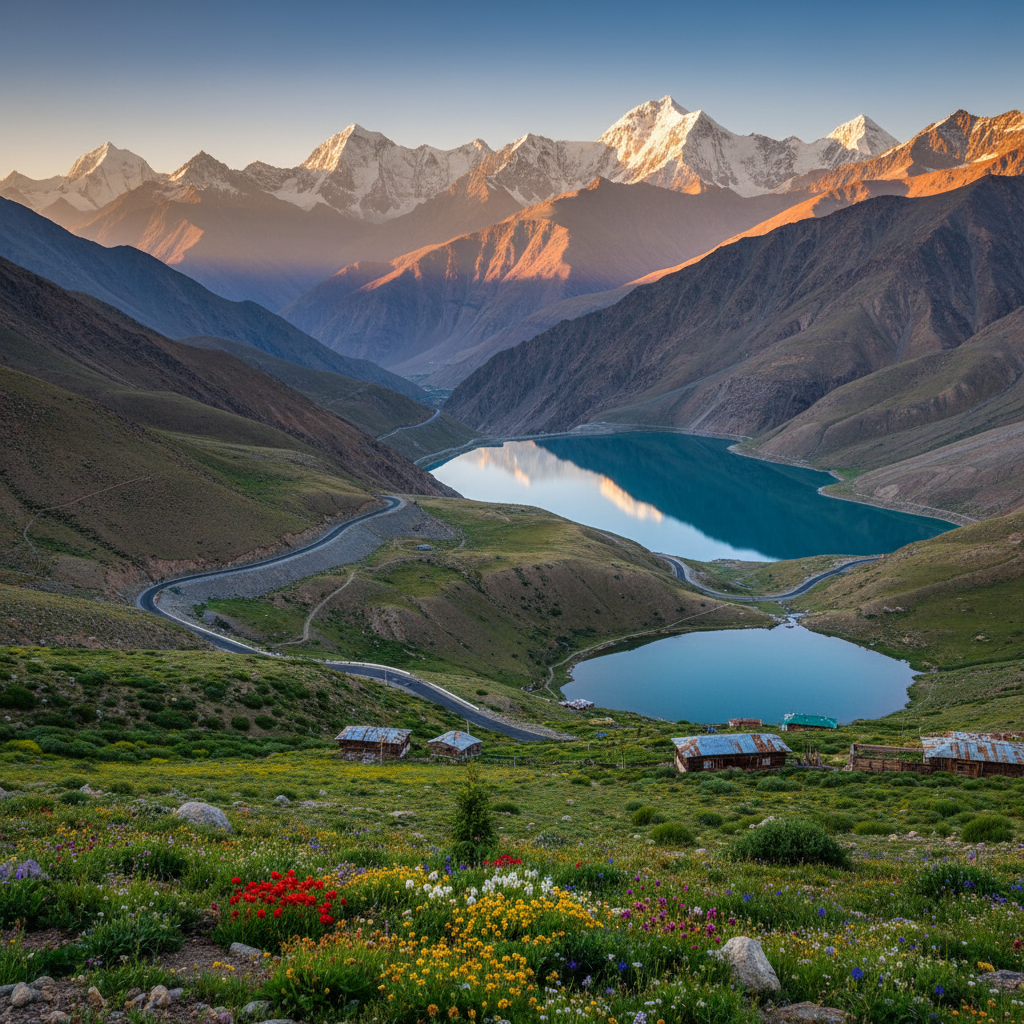
Fotu La Pass, standing proudly at an elevation of approximately 13,478 feet (4,108 meters), is one of the highest points on the iconic Srinagar-Leh Highway. Nestled within the formidable Zanskar Range, this mountain pass offers a breathtaking gateway to the heart of Ladakh. For travellers venturing from Srinagar towards Leh, Fotu La typically marks the second significant high-altitude pass encountered after the renowned Zoji La. While often overshadowed by its more famous neighbours, Fotu La is an engineering marvel in itself, showcasing the determination to connect remote regions through challenging terrain. The pass is distinctly marked by the presence of a small, vibrant Buddhist prayer wheel, a common sight at high passes in Ladakh, offering a moment of spiritual contemplation amidst the rugged grandeur. It’s a place where the air thins, and the silence of the mountains speaks volumes, providing panoramic views of the surrounding barren yet beautiful landscapes that define Ladakh's unique charm. This pass is not just a point on a map; it's an experience, signaling a deeper immersion into the Himalayan wilderness. Driving over Fotu La offers a tangible sense of achievement and incredible photographic opportunities, especially for those interested in capturing the stark beauty of high-altitude deserts.
Who is the Fotu La Pass Journey For?
The journey over Fotu La Pass is primarily for adventure seekers, road trippers, and culture enthusiasts embarking on the legendary Srinagar-Leh Highway. This route is a right of passage for anyone looking to truly experience the raw beauty and challenging topography of the Himalayas. It’s particularly suited for those who appreciate scenic drives, as the winding roads leading up to and down from the pass offer incredible vistas at every turn. Travellers keen on understanding the logistical challenges of connecting remote regions will find the construction and maintenance of such a high-altitude road fascinating. While it doesn't offer direct tourist activities like skiing or specific viewpoints with facilities, the entire experience of crossing it, including the change in vegetation and climate, is an attraction in itself. It’s also ideal for photographers looking to capture dramatic mountain landscapes and the vastness of the Ladakhi plateau. Individuals planning a comprehensive Ladakh itinerary, including stops at Lamayuru Monastery or Alchi, will naturally traverse Fotu La. It is less suited for those seeking a quick, luxurious escape, as the journey demands patience, resilience, and an appreciation for rugged, natural beauty. Expect an authentic high-altitude mountain pass experience, not a paved highway with rest stops every few kilometers.
Best Time to Traverse Fotu La Pass: Seasonal Insights
The optimal time to traverse Fotu La Pass, much like the entire Srinagar-Leh Highway, is from late May or early June to late September or early October. During these months, the pass is generally clear of snow, and road conditions are at their best, making for a relatively smoother journey. Early June sees the landscapes still crisp from the winter melt, with occasional patches of snow lingering at higher elevations, offering striking photographic contrasts. July and August are peak travel months, with mostly clear skies and warmer temperatures, although afternoon thundershowers are not uncommon. By September, the air becomes crisper, and the autumn colours begin to paint the lower valleys, making for a very pleasant travel experience before winter sets in. It is crucial to avoid the monsoon season, typically July and August, if possible, as heavy rains can lead to landslides and road closures, particularly on the Zoji La stretch before Fotu La. Winter travel, from late October to May, is generally not possible as the pass, along with the rest of the highway, remains closed due to heavy snowfall. Always check the latest road status reports from local authorities or reliable travel sources before planning your journey, as opening and closing dates can vary based on weather conditions each year.
Route and Journey Details: Navigating Fotu La
Fotu La Pass is strategically located on the Srinagar-Leh National Highway (NH1), approximately 100 kilometers west of Leh. When travelling from Srinagar, you will cross Zoji La Pass and then reach Kargil, a major stopover point. From Kargil, the road continues eastwards, passing through Mulbekh, known for its Maitreya Buddha statue. Fotu La is situated roughly 60-70 kilometers beyond Mulbekh. The ascent to the pass is gradual but continuous, characterized by well-maintained tarmac roads, though some sections can be rough due to extreme weather. You'll navigate a series of challenging hairpin bends and steep inclines, requiring careful driving. After crossing Fotu La, the road descends towards Lamayuru, home to the ancient and iconic Lamayuru Monastery, often referred to as the 'Moonland' due to its unique geological formations. This stretch offers some of the most dramatic landscapes, with barren mountains and deep gorges. The journey from Kargil to Leh, including the crossing of Fotu La, typically takes around 6-8 hours by car, depending on road conditions, traffic, and photo stops. Ensure your vehicle is in excellent condition, especially brakes and tyres, for this demanding but rewarding route. Allow ample time for the journey, especially if you plan to visit attractions like Lamayuru Monastery.
Estimated Costs and Budget for Crossing Fotu La
Direct costs for traversing Fotu La Pass itself are minimal, as there are no toll charges specifically for the pass. However, the overall journey on the Srinagar-Leh Highway involves several expenses. If you opt for a shared taxi from Srinagar to Leh, the cost can range from INR 2,000 to INR 3,500 per person. Hiring a private taxi (a common option for convenience and flexibility) from Srinagar to Leh typically costs between INR 15,000 to INR 25,000, depending on the type of vehicle (e.g., Innova, Scorpio) and the season. This cost usually includes the driver's charges, fuel, and any permits required along the route, which the taxi union handles. Fuel costs for a self-driven car would depend on your vehicle's mileage and current fuel prices, but budget for at least INR 5,000-8,000 for a one-way trip from Srinagar to Leh. Accommodation in Kargil, a popular overnight stop, can range from INR 1,500 for a basic guesthouse to INR 4,000 for a comfortable hotel room. Food expenses for meals and snacks along the highway can add INR 500-1,000 per person per day. Always carry sufficient cash as ATM availability can be scarce in remote areas, and digital payments might not always be an option. Remember these are approximate costs and can fluctuate based on demand, season, and fuel prices.
Where to Stay and Eat Along the Fotu La Route
Since Fotu La Pass itself is a high-altitude, uninhabited area, there are no accommodation or dining options directly on the pass. The closest major stopover point with facilities is Kargil, located approximately 60-70 kilometers before Fotu La when travelling from Srinagar. Kargil offers a decent range of hotels, guesthouses, and homestays catering to various budgets. You can find comfortable stays ranging from INR 1,500 to INR 4,000 per night. Beyond Kargil, smaller settlements like Mulbekh or Lamayuru offer basic guesthouses and a few eateries. Lamayuru, post-Fotu La, is a popular stop due to its famous monastery and provides several guesthouses and small restaurants (dhabas) serving simple Tibetan and Indian meals. These places are perfect for a quick bite or an overnight stay if you wish to explore the monastery at leisure. Expect local Ladakhi cuisine, basic Indian fare like dal-roti, and instant noodles at these roadside dhabas. It's always advisable to carry some snacks, dry fruits, and bottled water for the journey, especially between major towns where amenities are sparse. Keep an eye out for small tea stalls (chai ki dukaan) which often appear at unexpected turns, offering a warm respite and a chance to interact with locals.
Packing Essentials for Your Fotu La Pass Journey
Preparing adequately for a journey across Fotu La Pass is crucial due to the high altitude and unpredictable mountain weather. Firstly, layer your clothing. Even in summer, temperatures can drop significantly at high altitudes, so pack thermals, warm fleeces, a waterproof and windproof jacket, and a warm hat, gloves, and muffler. Comfortable, sturdy walking shoes are essential, especially if you plan to stop and explore briefly. Hydration is key; carry at least 2-3 litres of water per person, as dehydration can exacerbate altitude sickness. Sun protection is vital in the thin mountain air; include high SPF sunscreen, sunglasses with UV protection, and a wide-brimmed hat. A basic first-aid kit containing pain relievers, antiseptic wipes, band-aids, and any personal medications, especially for motion sickness or altitude sickness (like Diamox, consulted with a doctor), is a must. Don't forget a camera with extra batteries and memory cards to capture the stunning landscapes. Power banks for your electronic devices are also highly recommended, as charging points can be scarce. Lastly, carry sufficient cash in smaller denominations, as digital payment options might not always be available in remote areas.
Safety, Acclimatization, and Local Etiquette
Safety is paramount when traversing high-altitude passes like Fotu La. The primary concern is Acute Mountain Sickness (AMS). While Fotu La is not as high as Khardung La or Chang La, acclimatization is still important, especially if you are travelling directly from a low altitude. If arriving from Srinagar, you will have had some gradual ascent, but listen to your body. Drink plenty of fluids, avoid alcohol and heavy meals, and don't exert yourself immediately. Drive cautiously, especially around bends, and adhere to speed limits. Road conditions can change rapidly, so be prepared for rough patches. Always carry necessary documents like ID proof, driving license, and vehicle papers. Respect local customs and traditions. Ladakh is predominantly Buddhist, and you will encounter many monasteries and stupas. Dress modestly, especially when visiting religious sites, and always remove your shoes before entering. Ask for permission before photographing people. Do not litter; carry all your waste back with you. The mountains are fragile ecosystems. If you encounter local shepherds or villagers, a polite 'Julley' (hello in Ladakhi) goes a long way. Be patient and understanding if you encounter road delays due to maintenance or other issues. Remember, you are a guest in their land, and showing respect for their culture and environment enhances your travel experience significantly.
Common Mistakes to Avoid on Your Fotu La Journey
One of the most common mistakes travellers make is underestimating the effect of altitude. Even if you're not going straight to Leh, Fotu La's elevation can be taxing. Avoid rushing; take breaks and allow your body to adjust. Another mistake is not checking road conditions beforehand. The Srinagar-Leh Highway is prone to closures due to landslides, snow, or heavy rain, so always get the latest updates. Failing to carry enough warm clothing and adequate hydration is also a frequent oversight, leading to discomfort or even health issues. Many travellers also forget to carry sufficient cash, assuming digital payments will be available everywhere; this is rarely the case in remote Himalayan regions. Relying solely on Google Maps for accurate travel times without factoring in potential delays from road construction, traffic, or photo stops can lead to unrealistic expectations and stress. Skipping a thorough vehicle check-up before embarking on the journey is another critical error, as breakdowns in remote areas can be costly and inconvenient. Lastly, neglecting to carry a well-stocked first-aid kit, especially for altitude sickness, is a gamble not worth taking. By being prepared and informed, you can ensure your journey over Fotu La Pass is safe, enjoyable, and truly unforgettable. For a meticulously planned and hassle-free Ladakh adventure that covers all these aspects and more, consider exploring our curated Ladakh tour packages at Mid Holidays. We ensure every detail is covered for your ultimate Himalayan experience.
Related Kashmir Guides & Services
<p>Planning the rest of your trip? These Mid Holidays guides pair well with this article:</p><ul><li><a href="/blog/khardung-la-pass-complete-guide">Khardung La Pass Complete Guide: Conquering the Himalayan Giant</a></li><li><a href="/blog/leh-to-chang-la-taxi-service">Leh to Chang La Taxi Service: Your Ultimate High-Altitude Journey Guide</a></li><li><a href="/blog/razdan-pass-kashmir-travel-guide">Razdan Pass Kashmir: Your Ultimate Guide to a Hidden Gem</a></li><li><a href="/blog/pampore-saffron-fields-visit-guide">Pampore Saffron Fields Visit Guide: Kashmir's Golden Bloom</a></li><li><a href="/blog/leh-ladakh-best-time-to-visit-month-wise">Leh Ladakh Best Time to Visit Month-Wise: Your Ultimate Guide</a></li></ul>
Frequently Asked Questions
What is the exact altitude of Fotu La Pass?
Fotu La Pass is situated at an approximate elevation of 13,478 feet or 4,108 meters above sea level. While it's one of the higher passes on the Srinagar-Leh Highway, it's not the highest pass in Ladakh itself, which is typically Khardung La or Chang La, but it certainly offers a significant high-altitude experience for travellers on this route.
Is Fotu La Pass open throughout the year?
No, Fotu La Pass is generally not open throughout the year. It's part of the Srinagar-Leh Highway (NH1), which typically remains open from late May or early June to late September or early October. Heavy snowfall during the winter months, usually from November to April, makes the pass and the entire highway inaccessible for vehicular traffic.
How does Fotu La compare to other passes on the Srinagar-Leh Highway?
Fotu La is the highest point on the Srinagar-Leh Highway after Zoji La Pass. While Zoji La is often more dramatic and challenging due to its narrow, unpaved sections and steep drops, Fotu La is higher in elevation and usually offers smoother, better-maintained roads, providing sweeping, barren high-altitude desert views unlike the greener Zoji La surroundings.
What kind of vehicle is recommended for crossing Fotu La Pass?
A robust vehicle with good ground clearance is highly recommended for crossing Fotu La Pass and the entire Srinagar-Leh Highway. SUVs like Innova, Scorpio, Bolero, or Force Traveller are commonly used by taxi services. For self-driven trips, 4x4 vehicles are ideal, though well-maintained 2WD SUVs can also manage during the peak season when roads are clear.
Are there any facilities or restrooms at Fotu La Pass?
No, there are no facilities or restrooms directly at Fotu La Pass itself. It's a high-altitude mountain pass with very sparse infrastructure. Travellers should plan to use facilities in the last major town encountered before the pass, such as Mulbekh when ascending, or look for basic options in smaller settlements like Lamayuru after descending.
How much time should I allocate for crossing Fotu La?
The actual crossing of Fotu La Pass takes about 30-45 minutes from the base of the ascent to the base of the descent, depending on road conditions and traffic. However, as part of the Kargil to Leh stretch, you should allocate at least 6-8 hours for the entire journey between these two towns, allowing for photo stops and a break at Lamayuru.
Is it safe to travel alone over Fotu La Pass?
While thousands of people travel solo on the Srinagar-Leh Highway annually, it's generally advisable to travel with a group or at least inform someone of your itinerary. The pass itself is not dangerous, but the remote nature of the highway means limited assistance in case of a breakdown or medical emergency. Cell signal can be intermittent.
What kind of views can I expect from Fotu La Pass?
From Fotu La Pass, you can expect panoramic views of the rugged, barren mountains of the Zanskar Range. The landscape is characterized by stark, rocky formations, deep valleys, and a sense of vastness. On clear days, the views are expansive, often revealing distant snow-capped peaks and the distinctive 'moonland' like terrain leading towards Lamayuru.