Wular Lake & Manasbal Lake Guide: Kashmir's Pristine Waters Unveiled
Kashmir Lakes Exploration Guide
Explore Wular Lake & Manasbal Lake with our local guide. Discover serene beauty, birdwatching, and unique cultural experiences in Kashmir's largest and…
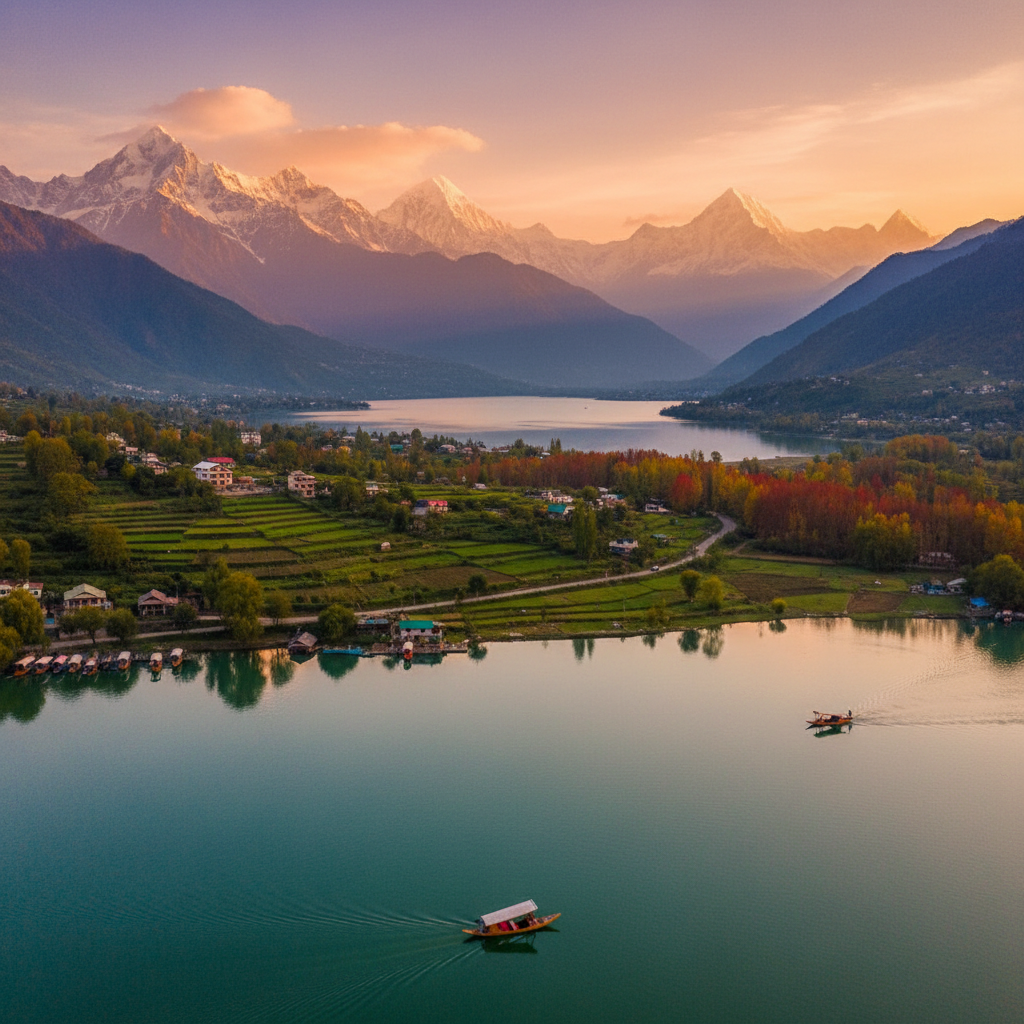
Wular Lake and Manasbal Lake: A Local's Introduction to Kashmir's Water Gems
Welcome to the serene heart of Kashmir, where two magnificent lakes, Wular and Manasbal, offer distinct and captivating experiences. As a local expert from Mid Holidays, I'm delighted to guide you through these natural wonders, far from the usual tourist bustle. Wular Lake, nestled in the Bandipora district, is not just one of Asia's largest freshwater lakes but also a crucial wetland ecosystem. Its vast expanse changes dramatically with the seasons, from a mirror-like surface reflecting the Pir Panjal mountains to a bustling hub of local fishing activity. It's a place where you truly feel the pulse of rural Kashmiri life and witness nature's grandeur on an immense scale. Manasbal Lake, in the Ganderbal district, on the other hand, is often described as the 'Supreme Gem of all Kashmir Lakes' due to its pristine beauty and remarkable depth. Famed for its lotus blooms (locally known as 'Pamposh' or 'Nadroo' in its edible roots), it offers a more intimate and tranquil experience. Both lakes are vital to the region's ecology and economy, providing livelihoods for local communities and a sanctuary for diverse flora and fauna. This guide will help you understand their unique charm, how to experience them responsibly, and what practicalities to consider for your visit.
Best Time to Visit: Experiencing the Lakes Through the Seasons
The charm of Wular and Manasbal Lakes transforms with each season, offering varied experiences. For Wular Lake, the late spring and summer months (April to October) are ideal. During April and May, you'll see the lake come alive with migrating birds and vibrant greenery along its shores. The summer (June to August) brings pleasant weather, perfect for boat rides and exploring the lakeside villages. However, be prepared for some humidity. The autumn (September to October) is perhaps the most picturesque, with the Chinar trees around the lake turning golden and crimson, offering stunning photographic opportunities and cooler, crisp air. Winters (November to March) can be harsh, with cold winds and occasional snowfall, making access challenging, but offering a unique, stark beauty for those who brave it. Manasbal Lake, with its famous lotus blooms, is best visited from July to September. This is when the entire lake is covered in a carpet of beautiful pink and white lotuses, creating a truly spectacular sight. Early morning is particularly magical, as the flowers are in full bloom and the mist lifts from the water. Spring (April-June) also offers pleasant weather for shikara rides, and autumn brings delightful colours to the surrounding Mughal gardens. Consider your preferences: birdwatching and vast landscapes in spring/autumn for Wular, or the iconic lotus blooms in late summer for Manasbal.
Wular Lake: A Journey Through Nature's Grandeur
Wular Lake, often overlooked by mainstream tourism, is a behemoth of natural beauty and ecological significance. Spanning an area that can fluctuate significantly, sometimes up to 189 square kilometres, it is crucial for regulating the Jhelum River's flow and supporting vast biodiversity. A visit to Wular is about experiencing its sheer scale and the raw, untamed beauty of Kashmir. Start your exploration from Bandipora, where you can arrange for local fishermen to take you on a traditional 'shikara' or a larger boat into the lake. These boats are simple, often paddle-driven, offering an authentic and unhurried experience. You'll witness fishermen casting their nets, migratory birds soaring above, and the distant peaks of Harmukh reflecting on the water. Another vantage point is from the town of Sopore, particularly the Watlab area, which offers panoramic views of the lake and is home to the Baba Shukoor-ud-Din shrine, a peaceful spot to take in the scenery. The Watlab watchtower provides perhaps the most iconic viewpoint, especially at sunrise or sunset. Remember, Wular is not a 'developed' tourist spot like Dal Lake; it's an immersive experience into the heart of rural Kashmir. Expect simple amenities but profound natural beauty. The lake is fed by the Jhelum river and other streams, and its size is dramatically impacted by rainfall and snowmelt, so your experience may vary depending on the water levels.
Manasbal Lake: The Deepest and Most Pristine
Manasbal Lake, approximately 30 kilometres north of Srinagar in the Ganderbal district, lives up to its reputation as the deepest lake in Kashmir Valley, reaching depths of up to 13 meters. Its name, derived from the Sanskrit 'Manasa Sarovar' (the divine lake), hints at its pristine and spiritual aura. The lake is particularly famous for its exquisite lotus (Nadroo) blooms, which cover large sections of its surface from July to September. A shikara ride on Manasbal is a must-do, allowing you to glide through these fragrant lotus fields and appreciate the serene surroundings. The tranquility here is palpable, a stark contrast to the busier Dal Lake. On the lake's eastern bank, you'll find the ruins of a 17th-century Mughal Garden, Garoka, built by Empress Nur Jahan. Though only a terraced garden remains, it offers a glimpse into historical grandeur and a lovely spot for a picnic with commanding views of the lake. The village of Safapora, located on the western bank, is a good starting point for exploring the lake and its surroundings. Manasbal is also a significant birdwatching site, attracting various aquatic birds. Its relatively unspoiled nature and deeper waters contribute to its unique ecosystem, making it a truly special destination for nature lovers and those seeking peace.
Cost and Practicalities: Planning Your Visit
Visiting Wular and Manasbal Lakes doesn't require hefty budgets, but understanding the local costs helps. For transport, hiring a private taxi from Srinagar will cost approximately INR 2,500-4,000 for a full day trip covering both lakes, depending on the type of vehicle and your negotiation skills. Shared taxis are available but less convenient for a dedicated lake tour. A local shikara ride on Wular will typically cost INR 500-1000 per hour, negotiable with the boatman. At Manasbal, shikara rides are similarly priced, around INR 600-1200 for a leisurely hour-long tour, especially during lotus bloom season. There are no entry fees for either lake. Food options around Wular are very basic, usually small tea stalls (chai dhabas) and local eateries serving simple Kashmiri bread and tea. It's advisable to carry your own snacks and water. Manasbal has slightly better facilities with a few local restaurants and vendors selling snacks. Accommodation options directly at Wular or Manasbal are limited to very basic guesthouses or homestays; most visitors prefer to stay in Srinagar and make a day trip. Always carry cash (INR) as card payments are rare. Dress modestly, especially when visiting local villages, and always ask for permission before photographing people.
How to Reach and Getting Around the Lakes
Reaching Wular and Manasbal Lakes typically involves road travel from Srinagar. For Wular Lake, the most common access point is through Bandipora, which is about 55-60 kilometers from Srinagar. The drive takes approximately 1.5 to 2 hours, depending on road conditions. You can hire a private taxi from Srinagar for a comfortable journey. Alternatively, shared taxis and buses ply from Srinagar to Bandipora, but they might involve multiple changes and be less convenient for tourists. Another popular access point for Wular is Watlab, near Sopore, which is around 70-75 kilometers from Srinagar and also takes about 2 hours by car, offering excellent viewpoints. For Manasbal Lake, the journey from Srinagar is shorter, around 30 kilometers, taking about 45 minutes to an hour by road. The route passes through scenic rural landscapes. Again, a private taxi is the most hassle-free option. Once at the lakes, getting around is primarily by traditional shikaras or motorboats (less common). At Wular, locals can guide you on their fishing boats. At Manasbal, numerous shikara operators are available near the Mughal Garden ruins. The roads to both lakes are generally well-maintained, though some stretches can be narrower or have rough patches, especially as you get closer to the lakeside villages.
Responsible Tourism and Local Etiquette
Visiting these pristine lakes comes with a responsibility to preserve their natural beauty and respect local culture. Firstly, always dispose of your waste properly; carry a trash bag for any litter and take it back with you. Avoid single-use plastics wherever possible. Do not disturb the local wildlife, especially during birdwatching at Wular. Maintain a respectful distance and avoid loud noises. When interacting with local communities, especially fishermen or villagers, a friendly demeanour goes a long way. Always ask for permission before taking photographs of people, especially women and children. Dress modestly, covering your shoulders and knees, as Kashmir is a conservative region. Support local livelihoods by hiring local shikara operators or buying local produce if available. Bargaining is common but do so respectfully. Avoid offering money to children. Be mindful of your environmental footprint, especially regarding water pollution; do not throw anything into the lakes. Understanding and adhering to these simple etiquette rules ensures a positive experience for both you and the local communities, helping to preserve these vital ecosystems for future generations.
Beyond the Lakes: Nearby Attractions and Day Trips
While Wular and Manasbal Lakes are destinations in themselves, their locations offer opportunities to explore other hidden gems in Kashmir. From Wular, a short drive can take you to the famous Bandipora district, known for its scenic beauty and as a gateway to the Gurez Valley (though Gurez requires permits and a separate plan). The Watlab area, offering a panoramic view of Wular, is home to the revered shrine of Baba Shukoor-ud-Din, a tranquil spot perfect for contemplation. You can combine your Wular trip with a visit to the ancient ruins of the Wangath Temple complex near Naranag, located in the foothills of Harmukh Mountain, though this would extend your day significantly. From Manasbal Lake, the nearby Mughal Garden of Garoka provides a historical touch. Furthermore, the Kheer Bhawani Temple, a significant Hindu shrine in Tulmulla, Ganderbal, is just a short drive away and can be easily incorporated into your Manasbal itinerary, offering a glimpse into Kashmir's rich syncretic culture. For those interested in crafts, the Ganderbal district is also known for some traditional artisan villages where you might find local handicrafts. Consider these additions to enrich your experience, turning a lake visit into a broader cultural and natural exploration of rural Kashmir.
Plan Your Authentic Kashmir Lakes Tour with Mid Holidays
Experiencing the raw beauty of Wular Lake and the tranquil serenity of Manasbal Lake offers a unique perspective on Kashmir, far from the well-trodden paths. At Mid Holidays, we specialize in crafting personalized itineraries that connect you deeply with the local culture and pristine nature of the valley. Our local expert guides ensure you not only visit these spectacular lakes but also understand their ecological significance, cultural importance, and the lives of the communities that thrive around them. From arranging comfortable, reliable transport to suggesting authentic local experiences, we handle all the details so you can immerse yourself fully in the magic of Kashmir's water gems. Whether you're a birdwatching enthusiast, a nature photographer, or simply seeking peace amidst breathtaking landscapes, we can tailor a tour that perfectly suits your interests and pace. Let us help you unveil the true, untouched beauty of Kashmir. Visit kashmir.midholidays.in today to explore our bespoke Kashmir tour packages and start planning your unforgettable journey to Wular and Manasbal Lakes.
Related Kashmir Guides & Services
<p>Planning the rest of your trip? These Mid Holidays guides pair well with this article:</p><ul><li><a href="/blog/kashmir-travel-plan-ultimate-guide">Your Ultimate Kashmir Travel Plan: A 7-Day Itinerary Guide</a></li><li><a href="/blog/kashmir-tulip-garden-2026-travel-guide-local">Kashmir Tulip Garden 2026: Your Ultimate Local's Guide to Blooms & Beauty</a></li><li><a href="/blog/places-to-visit-near-yusmarg">Hidden Gems: Places to Visit Near Yusmarg for a Serene Kashmir Escape</a></li><li><a href="/blog/best-places-to-visit-kashmir-travel-guide">Top Places to Visit in Kashmir: Your Ultimate Travel Guide (2024)</a></li><li><a href="/blog/places-to-visit-near-doodhpathri">Beyond Doodhpathri: Top Places to Visit Near Doodhpathri</a></li></ul>
Frequently Asked Questions
What is the main difference between Wular Lake and Manasbal Lake for tourists?
Wular Lake is one of Asia's largest freshwater lakes, known for its vast expanse, significant ecological role, and birdwatching opportunities. It offers a grand, wilder natural experience, often with a focus on local fishing life. Manasbal Lake, on the other hand, is the deepest lake in Kashmir, celebrated for its pristine beauty and famous lotus blooms, particularly from July to September. It provides a more intimate, tranquil setting, often paired with a visit to ancient Mughal garden ruins.
Are there any specific permits required to visit Wular Lake or Manasbal Lake?
No, there are no specific permits required for Indian or international tourists to visit either Wular Lake or Manasbal Lake. Both are easily accessible by road from Srinagar. However, if you plan to venture into very remote areas near Wular, especially towards the Gurez Valley side, additional permits might be needed for that specific region, but not for the lake itself.
Can I do water sports like kayaking or jet skiing on Wular or Manasbal Lake?
While both lakes are large bodies of water, organized water sports like kayaking, jet skiing, or motorboating are not widely available or promoted on Wular Lake or Manasbal Lake. The focus here is more on tranquil shikara rides, birdwatching, and appreciating the natural serenity. Wular is primarily a fishing lake, and Manasbal is preserved for its peaceful environment and lotus cultivation. For more commercial water sports, other destinations might be more suitable.
What are the best photography spots at Wular Lake and Manasbal Lake?
For Wular Lake, the Watlab viewpoint near Sopore offers panoramic vistas, especially stunning at sunrise or sunset, with the Harmukh peak often visible in the distance. The shores around Bandipora also provide great close-up shots of local life. At Manasbal Lake, the best photography spots are from a shikara gliding through the lotus blooms (July-September), and the ruins of the Mughal Garden 'Garoka' provide an elevated perspective of the lake's serene beauty.
Are there good food options available around Wular Lake and Manasbal Lake?
Food options around Wular Lake are quite basic, typically limited to small local tea stalls (chai dhabas) serving traditional Kashmiri bread, tea, and simple snacks. It is highly recommended to carry your own packed lunch and water for a visit to Wular. Manasbal Lake has slightly better, though still local, options with a few small restaurants and vendors selling snacks, particularly near the Mughal Garden area.
Is it possible to visit both Wular Lake and Manasbal Lake in a single day trip from Srinagar?
Yes, it is entirely possible to visit both Wular Lake and Manasbal Lake as a single day trip from Srinagar. Manasbal Lake is closer to Srinagar (approx. 30 km) and Wular Lake is further (approx. 55-60 km via Bandipora). Starting early in the morning, you can comfortably cover both, allowing for shikara rides and exploration at each. Hiring a private taxi for the day is the most efficient way to manage this itinerary.