Bangus Valley Tour: Your Ultimate Guide to Kashmir's Hidden Gem
Kashmir Offbeat Travel Guide
Uncover the pristine beauty of Bangus Valley with our ultimate tour guide. Learn about routes, costs, best time to visit, and how Mid Holidays can plan your…
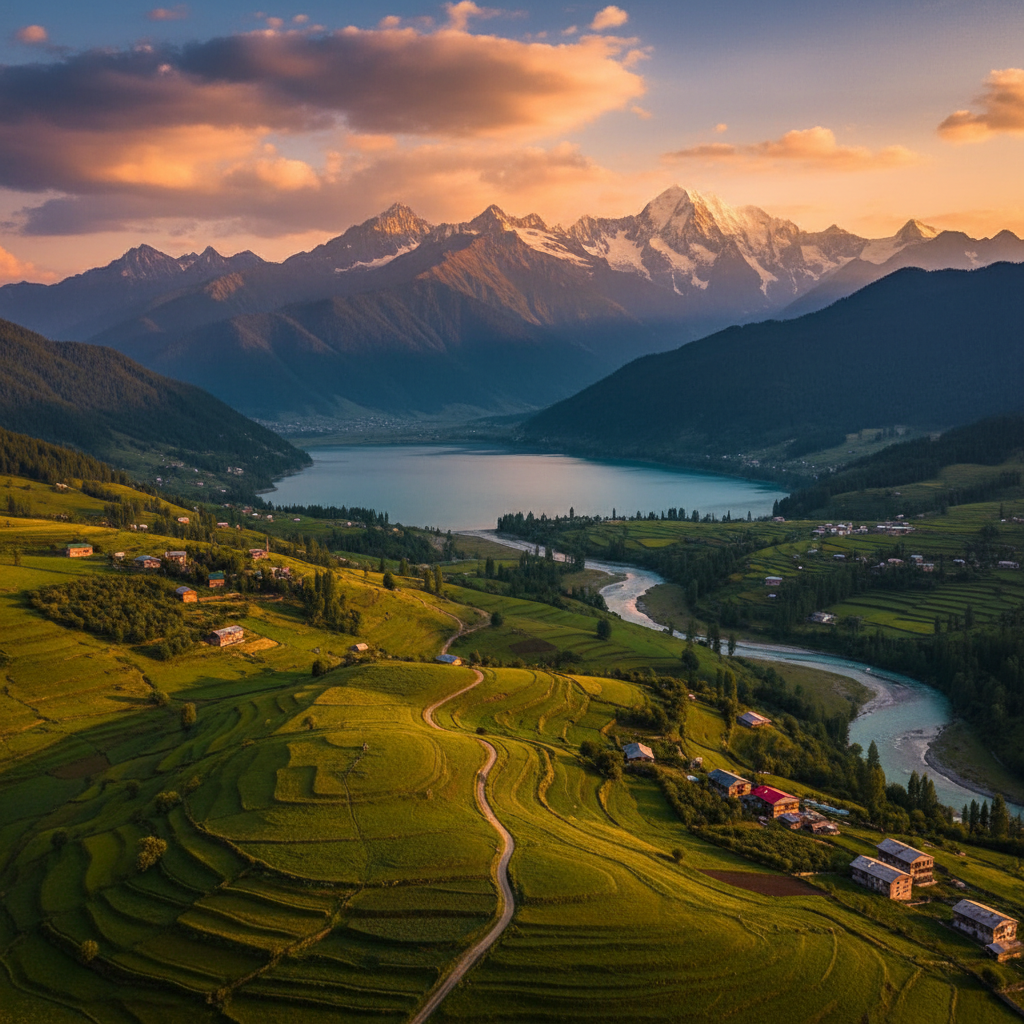
Discovering Bangus Valley: Kashmir's Pristine Hidden Gem
Bangus Valley, often hailed as Kashmir's best-kept secret, is an awe-inspiring destination that remains largely untouched by mainstream tourism. Unlike the more popular valleys of Gulmarg or Pahalgam, Bangus offers a raw, unspoiled natural beauty that captivates every visitor. Located in the Kupwara district, this high-altitude meadow system is characterized by vast green pastures, meandering rivulets, and a serene atmosphere that feels a world away from urban life. It’s a perfect escape for travelers seeking solitude, an intimate connection with nature, and an authentic Himalayan experience. The valley is actually a collection of three smaller valleys: Bodh Bangus, Lokut Bangus, and Drangyari Bangus, each with its unique charm. This destination is particularly appealing to adventure enthusiasts, trekkers, nature photographers, and those who cherish offbeat travel experiences. The journey itself is an adventure, traversing through scenic routes and offering glimpses into traditional Kashmiri village life. Despite its remote location, the peace and grandeur of Bangus Valley make the effort worthwhile, promising memories that last a lifetime. Think of vast, undulating meadows stretching as far as the eye can see, punctuated by clusters of pines and the occasional shepherd's hut. It’s a place where time seems to slow down, allowing you to truly immerse yourself in the natural rhythm of the Himalayas. The air here is crisp, clean, and invigorating, a testament to its untouched state.
Who is a Bangus Valley Tour Suited For?
A Bangus Valley tour is ideal for a specific type of traveler, particularly those who appreciate raw nature, adventure, and tranquility over luxury and commercial amenities. It's perfectly suited for trekkers of varying experience levels, from beginners looking for moderate day hikes to seasoned adventurers seeking multi-day expeditions into unexplored territories. Nature lovers and wildlife enthusiasts will find the rich biodiversity and untouched landscapes incredibly rewarding, with opportunities for birdwatching and spotting local flora. Photographers, both amateur and professional, will be captivated by the dramatic landscapes, vibrant meadows, and traditional pastoral scenes that offer endless photographic opportunities. People seeking a digital detox and a break from the hustle and bustle of city life will find Bangus Valley appealing due to its remoteness and lack of commercialization, allowing for genuine introspection and relaxation. It's also an excellent choice for families with older children who are keen on outdoor activities and camping, provided they are prepared for basic facilities. Solo travelers looking for a profound connection with nature or couples desiring a romantic, secluded getaway will also cherish the serene environment. However, travelers expecting luxury resorts, diverse dining options, or vibrant nightlife should manage their expectations, as Bangus Valley offers a rustic and authentic experience. The journey involves some challenging road conditions and limited infrastructure, making it best for those with an adventurous spirit and a willingness to embrace simplicity. If you prefer offbeat destinations and unspoiled beauty, Bangus Valley will certainly exceed your expectations.
Optimal Timing for Your Bangus Valley Exploration
The best time to embark on a Bangus Valley tour is during the summer months, specifically from May to September. During this period, the valley sheds its winter blanket, transforming into a vibrant tapestry of green meadows dotted with wildflowers. The weather is pleasantly mild, with daytime temperatures typically ranging from 15°C to 25°C, making it ideal for trekking, camping, and exploring the vast landscapes comfortably. The clear skies offer breathtaking views of the surrounding mountains and ensure better road conditions, which can be challenging at other times of the year due to snow or heavy rains. While early May might still see lingering snow patches at higher altitudes, by June, the entire valley is usually accessible and flourishing. July and August are prime months, showcasing the valley at its most verdant. Even early September offers excellent weather, with a slight chill in the air signaling the onset of autumn, making for comfortable days and crisp nights. Avoid the winter months from October to April, as the valley becomes inaccessible due to heavy snowfall, cutting off roads and making travel extremely difficult and unsafe. Monsoon season, though beautiful, can bring unpredictable heavy rainfall, leading to slippery trails and potential road blockages, so it's generally best to check forecasts thoroughly if planning a late monsoon trip. For an unforgettable experience with lush greenery and pleasant temperatures, aim for the May to September window.
Crafting Your Bangus Valley Itinerary: A 3-Day Journey
A 3-day itinerary allows for a substantial and immersive Bangus Valley tour, providing ample time to explore without rushing. Day 1 would begin with your journey from Srinagar, heading towards Kupwara district. The drive, roughly 3-4 hours to Reshwari or Chowkibal, serves as your gateway. From there, you'll need to arrange local transport, usually a 4x4 vehicle like a Sumo or Bolero, which are better suited for the rugged terrain leading into Bangus. The road to Bangus Valley itself is rough, often taking another 2-3 hours depending on the starting point and road conditions. Upon arrival, settle into your campsite or designated homestay in the region. Spend the afternoon exploring Bodh Bangus, taking in the vast meadows and enjoying a packed lunch amidst nature. Day 2 is dedicated to deeper exploration. After an early breakfast, embark on a trek to Lokut Bangus, which is often considered the most picturesque part of the valley. The trek might take 3-4 hours return, allowing you to discover its unique flora and fauna. You can even extend your trek towards Lopar Nag, a sacred spring, which is a further 2-hour walk and a rewarding experience. Carry enough water and snacks. In the evening, enjoy a bonfire (if permitted and safe) and stargazing, as the clear nights offer spectacular views of the Milky Way. Day 3 involves a relaxed morning, perhaps a short walk around your base camp or a visit to a local shepherd's settlement to learn about their nomadic lifestyle. After an early lunch, begin your journey back, aiming to reach Srinagar by late afternoon or early evening. This itinerary offers a balanced mix of travel, trekking, and relaxation, ensuring you experience the best of Bangus Valley's pristine beauty.
Costs and Budgeting for Your Bangus Valley Adventure
Budgeting for a Bangus Valley tour requires careful consideration of transport, accommodation, and food, as infrastructure is limited. For transportation, a private taxi from Srinagar to the nearest road-head (like Reshwari or Chowkibal) can cost anywhere from INR 3,000-5,000 for a round trip, depending on the vehicle type and negotiation. From the road-head, hiring a local 4x4 (Sumo/Bolero) to enter Bangus Valley itself will be an additional INR 2,000-4,000 for a round trip for a day, or more if kept overnight, as the roads are challenging. If you opt for shared jeeps towards Reshwari from Kupwara, costs would be significantly lower, perhaps INR 200-400 per person, but you'd still need a local vehicle for the final stretch. Accommodation options inside Bangus Valley are extremely basic. There are no hotels or guesthouses. Your primary options are camping (bring your own gear or rent from Srinagar/Kupwara) or very simple homestays in nearby villages. A basic tent rental and guide/porter could range from INR 1,500-3,000 per day. For food, pack dry provisions, snacks, and ready-to-eat meals. If you hire a local guide, they might arrange basic meals cooked over a campfire, which could cost INR 300-500 per person per meal. Entry permits, if required (though often only on paper and not strictly enforced unless there are specific restrictions), are minimal. Overall, a 3-day trip without major detours could cost approximately INR 8,000-15,000 per person for a group of 2-3 people, excluding personal shopping. This would cover transport, basic camping/homestay, and food. Always factor in buffer for unforeseen expenses like vehicle breakdowns or delays.
Reaching Bangus Valley: The Adventurous Access Routes
Reaching Bangus Valley is an adventure in itself, primarily due to its remote location and the challenging road conditions. The journey typically begins from Srinagar. The most common route is to drive to Kupwara town, which is approximately 90-100 kilometers and takes about 3 hours. From Kupwara, you can proceed towards Reshwari or Chowkibal, which are the main access points to Bangus Valley. The road from Kupwara to Reshwari is about 30-40 kilometers and can take another 1.5 to 2 hours due to winding roads. From Reshwari, the final leg into Bangus Valley requires a sturdy 4x4 vehicle like a Mahinda Bolero or Tata Sumo, as the unpaved track is notoriously rough, rocky, and can be muddy. This last stretch, though only 15-20 kilometers, can take an additional 1.5 to 2 hours of slow, careful driving. It’s highly recommended to hire a local driver from Kupwara or Reshwari who is familiar with the terrain and has a suitable vehicle. Sharing a jeep service from Kupwara to Reshwari is an option, after which you'll need to arrange a dedicated vehicle for the final push into the valley. Another less common route is via Handwara, from which you can head towards Drangyari, another access point to Bangus Valley, though also requiring local 4x4 transport for the final leg. There are no direct bus services to Bangus Valley, and public transport options are limited to reaching Kupwara. Therefore, either a private taxi arranged for the entire trip or a combination of public transport to Kupwara followed by local jeep hires is the standard way to reach this pristine valley. Always check road conditions before you depart, especially after heavy rains.
Staying and Dining in Bangus Valley: Embracing Simplicity
Accommodation and dining in Bangus Valley are designed for those who appreciate simplicity and an authentic, rustic experience, as commercial infrastructure is practically non-existent. There are no hotels, guesthouses, or established restaurants within the valley itself. The primary mode of accommodation is camping. You can either bring your own camping gear (tents, sleeping bags, cooking equipment) or rent it from Srinagar or Kupwara. Setting up camp amidst the vast meadows under a blanket of stars is an unforgettable experience, offering unparalleled views and a deep connection with nature. For those who prefer a roof over their heads, some local villagers in the peripheral areas or nearby hamlets might offer very basic homestay options. These provide a glimpse into the traditional Kashmiri way of life but come with limited amenities, usually just a cot and shared common spaces. It's advisable to arrange these through a local guide or tour operator in advance. When it comes to dining, self-sufficiency is key. It's best to carry ready-to-eat meals, dry snacks, fruits, and ample bottled water. If you hire a local guide, they can often arrange for basic camp-cooked meals, usually simple vegetarian fare like rice, dal, and local vegetables, prepared over a fire. These meals, while basic, are often incredibly fresh and flavorful. There are no shops or eateries once you enter Bangus Valley, so ensure you have all your provisions before leaving Kupwara or your starting point. Embracing this minimalist approach is part of the charm of visiting Bangus Valley, allowing you to fully disconnect and appreciate the pristine environment.
Important Packing and Safety Tips for Your Tour
For a Bangus Valley tour, packing wisely and prioritizing safety are paramount. Your packing list should include layers of clothing, even in summer, as temperatures can drop significantly during evenings and mornings. A waterproof and windproof jacket is essential. Sturdy, comfortable trekking shoes with good ankle support are a must for navigating uneven terrain. Carry a daypack for essentials, a first-aid kit with personal medications, insect repellent, sunscreen, sunglasses, and a wide-brimmed hat. A headlamp or flashlight is indispensable for evenings. Don't forget your camera, extra batteries, and power banks, as electricity will be scarce. For food, carry high-energy snacks, dry fruits, and enough water for at least a day, or purification tablets/filters if you plan to refill from streams. Binoculars are great for wildlife spotting. Regarding safety, it's highly recommended to travel with a local guide who knows the terrain and can communicate with locals. Cell phone network coverage is extremely patchy or non-existent in much of Bangus Valley, so inform someone about your itinerary. Be aware of the presence of nomadic shepherds and respect their privacy. Wildlife encounters are rare but possible; maintain a safe distance. Always stick to established trails or follow your guide. Open fires should only be made in designated safe areas and completely extinguished afterward to prevent forest fires. The altitude in Bangus Valley is moderate, but staying hydrated is crucial. Respect the pristine environment by carrying all your waste back with you. Remember, this is an offbeat destination, so be prepared for minimal medical facilities and rely on your preparedness and guide for assistance. By following these tips, you can ensure a safer and more enjoyable Bangus Valley tour.
Avoid These Common Mistakes during Your Bangus Valley Tour
To ensure a smooth and memorable Bangus Valley tour, it's crucial to avoid certain common pitfalls. Firstly, underestimating the remoteness and lack of infrastructure is a major mistake. Expect no fancy hotels, restaurants, or reliable cell service. Pack accordingly and be self-sufficient. Secondly, attempting to drive a regular car into the valley is ill-advised. The roads are unpaved, extremely rough, and require a high-clearance 4x4 vehicle with an experienced local driver. Using a shared taxi only to the road head and then expecting easy onward travel can lead to delays. Always pre-arrange your local transport. Thirdly, visiting during the wrong season, especially winter, will lead to disappointment as roads are closed due to heavy snowfall, making the valley inaccessible. Stick to the May to September window. Fourthly, failing to carry adequate supplies like water, food, and a proper first-aid kit can be problematic given the absence of shops. Never rely on finding provisions once you’re inside the valley. Fifthly, neglecting to hire an experienced local guide is another common error. A guide is invaluable for navigation, safety, cultural insights, and managing potential logistical challenges, especially for finding suitable camping spots or homestays. Lastly, not respecting the local culture and environment. Bangus is a pristine natural area, so leave no trace, avoid littering, and be mindful of the nomadic pastoral communities who call this region home. By avoiding these mistakes, your Bangus Valley tour will be a much more pleasant and enriching experience. For a truly seamless and worry-free experience, consider booking a customized Bangus Valley tour package with Mid Holidays. Our local experts will handle all the logistics, from transport to permits, allowing you to immerse yourself fully in the beauty of Kashmir's hidden gem.
Related Kashmir Guides & Services
<p>Planning the rest of your trip? These Mid Holidays guides pair well with this article:</p><ul><li><a href="/blog/10-mistakes-tourists-make-in-kashmir-avoid-these">10 Mistakes Tourists Make in Kashmir: Avoid These for a Perfect Trip</a></li><li><a href="/blog/leh-taxi-for-sightseeing-your-ultimate-guide">Leh Taxi for Sightseeing: Your Ultimate Guide for Ladakh Exploration</a></li><li><a href="/blog/leh-to-hanle-taxi-travel">Leh to Hanle Taxi: Your Ultimate Travel Guide for a High-Altitude Journey</a></li><li><a href="/blog/kashmir-tour-with-sonamarg-adventure">Kashmir Tour with Sonamarg: Your Ultimate Guide to Alpine Wonders</a></li><li><a href="/blog/kashmir-cycling-tour-guide-ultimate-adventure">Your Ultimate Kashmir Cycling Tour Guide for a Scenic Adventure</a></li></ul>
Frequently Asked Questions
Is Bangus Valley safe for tourists?
Yes, Bangus Valley is generally considered safe for tourists. It's a remote area, and like any offbeat destination, it's advisable to travel with a local guide who knows the terrain and local conditions. The presence of the Indian Army in certain areas ensures security. Always adhere to local guidelines and avoid venturing into very isolated areas after dark or without guidance. It's a peaceful region primarily inhabited by nomadic shepherds.
What kind of accommodation is available in Bangus Valley?
Accommodation in Bangus Valley is very basic and primarily involves camping. There are no hotels, guesthouses, or resorts. You will need to bring your own camping gear or rent it from Srinagar or Kupwara. Some local villages on the periphery might offer very simple homestay options, which provide a rustic and authentic experience but with limited amenities. Booking through a local tour operator can help arrange these.
Are there any permits required to visit Bangus Valley?
While formal permits were sometimes required in the past for specific internal areas, generally, as a domestic tourist, a specific permit is not strictly enforced for entry into Bangus Valley itself for short visits. However, it's always wise to carry valid ID proof. For foreign nationals, specific permissions might be needed due to its proximity to the Line of Control; inquire locally or with your tour operator beforehand.
What are the nearest towns to Bangus Valley for supplies?
Kupwara town is the largest and nearest significant town to Bangus Valley where you can stock up on all necessary supplies, including food, water, and trekking gear. Reshwari and Chowkibal are smaller villages closer to the valley's access points, offering very limited basic provisions. It's highly recommended to purchase everything you need in Kupwara before heading towards Bangus.
Can I visit Bangus Valley as a day trip from Srinagar?
A day trip from Srinagar to Bangus Valley is theoretically possible but highly unadvisable due to the long travel time and challenging road conditions. The round trip can easily take 10-12 hours, leaving very little time to actually explore the valley. It's recommended to plan at least an overnight stay, preferably 2 nights, to truly appreciate its beauty without feeling rushed.
Is there mobile connectivity in Bangus Valley?
Mobile network connectivity in Bangus Valley is very poor to non-existent. Most mobile operators, including major ones, do not have coverage deep inside the valley. You might get a sporadic signal in some elevated spots or near the peripheral villages. Be prepared for a digital detox and inform family/friends about your limited communication beforehand.
What is the best way to arrange local transport within Bangus Valley?
The best way to arrange local transport within Bangus Valley is to hire a 4x4 vehicle (like a Sumo or Bolero) with an experienced local driver from Kupwara or Reshwari. These drivers are familiar with the rough terrain and can navigate safely. Pre-booking through a local travel agent or guide is highly recommended to ensure availability and a fair price, as options are limited on-the-spot.