What to Wear in Kashmir Season-Wise: Your Ultimate Packing Guide
Kashmir Packing Guide
Planning a trip to Kashmir? Discover exactly what to wear in Kashmir season-wise, from summer essentials to winter layers. Your ultimate packing guide for a…
Understanding Kashmir's Diverse Climate: Why Season-Wise Packing Matters
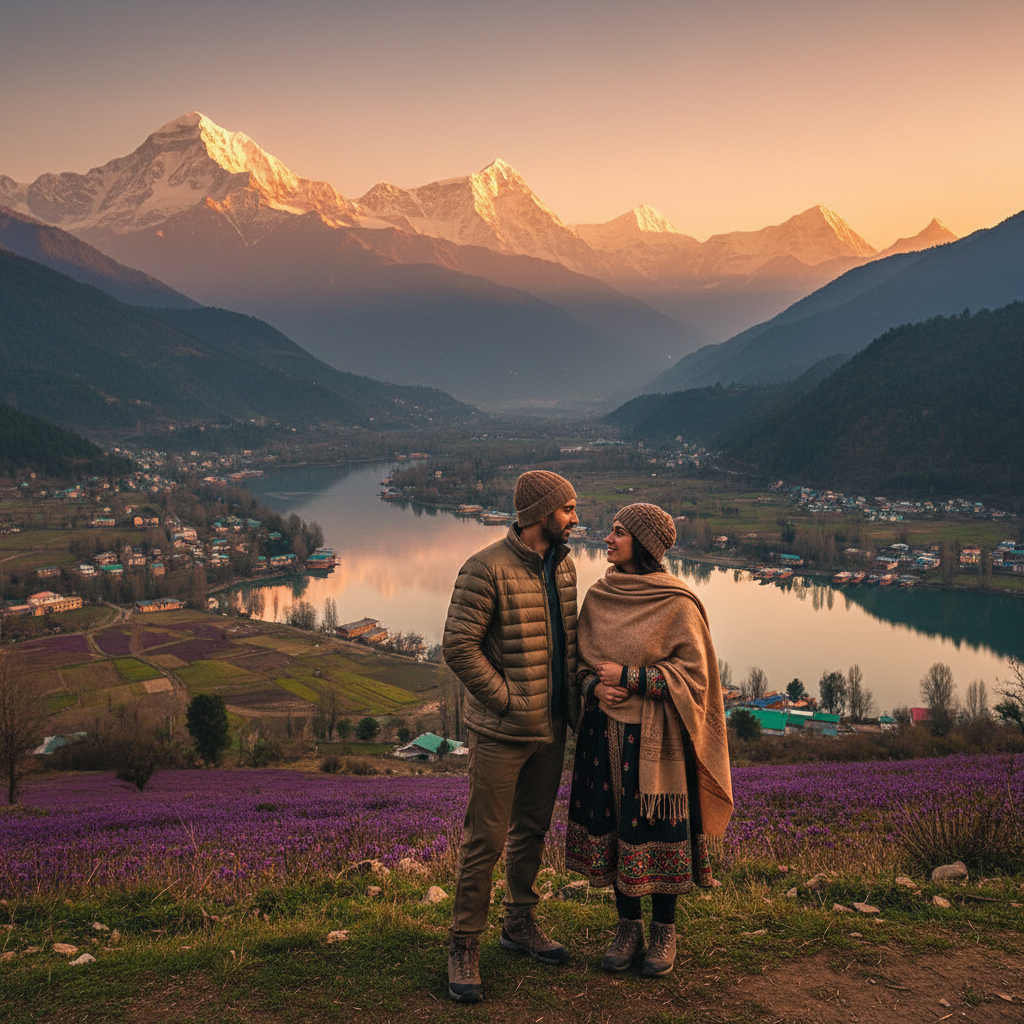
Kashmir, often called Paradise on Earth, boasts a dramatically varied climate that shifts significantly with each season. From the blooming meadows of spring to the snow-covered landscapes of winter, the weather can surprise you if you're not prepared. A common mistake many first-time visitors make is underestimating the chill, even during shoulder seasons, or overpacking for summer. Our aim at Mid Holidays is to ensure your trip is not just memorable, but also comfortable, allowing you to fully immerse yourself in the Valley's beauty without worrying about being too hot, too cold, or getting caught in unexpected rain. Understanding these seasonal nuances is the first step to curating the perfect travel wardrobe, ensuring you have the right attire for everything from a leisurely shikara ride on Dal Lake to an adventurous trek in Gulmarg's snow. We'll delve into each season, offering practical advice based on years of local experience.
Spring Blooms (March to Early May): Layers for Mild Days and Cool Evenings
Spring in Kashmir, from March to early May, is a season of rebirth, with temperatures ranging from a pleasant 10°C to 20°C during the day, dipping to 5°C to 10°C at night. This is when the Mughal Gardens burst with tulips and blossoms, and the air is crisp and invigorating. The key to dressing in spring is layering. Think light woolens, sweaters, and cardigans that you can easily add or remove. A light to medium-weight jacket, preferably waterproof or water-resistant, is essential, as spring showers are common. Pack full-sleeved shirts, comfortable trousers, and jeans. For footwear, comfortable walking shoes or sneakers are ideal, especially if you plan on exploring gardens or taking short walks. Don't forget a scarf or shawl; it adds warmth and is also a local fashion staple. During this period, the evenings can still be quite chilly, particularly if you are staying near Dal Lake or in higher altitude areas like Gulmarg, where temperatures can drop further. A warm shawl or a pashmina is not just stylish but incredibly practical for those cooler moments.
Summer Escapes (Late May to August): Light, Breathable Fabrics with a Warm Backup
Kashmir's summer, from late May to August, offers a refreshing escape from the plains' heat, with daytime temperatures typically between 20°C and 30°C. Evenings are pleasantly cool, hovering around 15°C to 20°C. While it’s the warmest time of year, it's crucial not to underestimate the occasional drop in temperature, especially at higher altitudes or after sunset. Pack light, breathable fabrics like cotton and linen for daytime comfort. T-shirts, light shirts, and comfortable trousers or capris are perfect. However, always carry a light jacket, a sweater, or a cardigan. If you plan to visit places like Gulmarg or Sonamarg, which are at higher elevations, a slightly warmer jacket will be necessary even in summer. Sun protection is vital: a wide-brimmed hat, sunglasses, and sunscreen are non-negotiable. Comfortable sandals or walking shoes are suitable for exploring. While the days are generally bright and sunny, short, sharp rain showers are not uncommon, so a compact umbrella or a light rain jacket can be a lifesaver. This layering approach ensures you're prepared for Kashmir's unique summer variability.
Autumn Hues (September to November): Warm Layers for Crisp Days and Cold Nights
Autumn in Kashmir, from September to November, is arguably one of the most beautiful seasons, characterized by golden chinar trees and a crisp, invigorating air. Daytime temperatures range from 10°C to 20°C, but nights can be significantly colder, often dropping to 0°C to 10°C, especially towards November. This transition period demands a robust layering strategy. Start with warm base layers, such as thermal tops and leggings. Over these, wear full-sleeved shirts, sweaters, and fleeces. A warm, insulated jacket or a heavy wool coat is essential, particularly for evenings and early mornings. You'll also want comfortable, warm trousers or jeans. For footwear, waterproof boots or sturdy closed-toe shoes are recommended, as you might encounter damp conditions or frost. Don't forget accessories like woolen hats, gloves, and scarves; they make a world of difference in keeping you comfortable. The vibrant colors of autumn invite long walks and sightseeing, so comfort is paramount. Ensure your wardrobe accommodates these temperature fluctuations for an enjoyable experience amongst the chinar-lined avenues and apple orchards.
Winter Wonderland (December to February): Heavy Duty Warmth is Key
Kashmir transforms into a pristine winter wonderland from December to February, with temperatures frequently dipping below freezing, often ranging from -10°C to 5°C. Snowfall is common and heavy, especially in popular destinations like Gulmarg, Pahalgam, and Sonamarg. This season requires serious cold-weather gear. Your packing list should include multiple layers of thermal inner wear. Over these, wear thick woolen sweaters, fleeces, and a heavy-duty, waterproof and windproof down jacket or parka. Waterproof trousers or snow pants are crucial if you plan on engaging in snow activities like skiing or snowboarding. Warm, waterproof boots with good grip are non-negotiable to navigate icy or snowy terrain comfortably and safely. Essential accessories include woolen hats, gloves or mittens, and thick scarves. Consider carrying extra pairs of woolen socks. The sun can be surprisingly strong even in winter, so sunglasses are still useful to protect against glare from the snow. Embracing the cold with proper attire will allow you to fully enjoy the breathtaking snow-covered landscapes and winter sports Kashmir offers.
Essentials for Any Season: Beyond Clothing
While season-specific clothing is vital, some essentials remain constant regardless of when you visit Kashmir. Firstly, comfortable walking shoes are a must, as exploring the picturesque landscapes often involves a fair bit of walking. Sunscreen with a high SPF is crucial, not just in summer but also in winter due to the reflective nature of snow. Sunglasses are equally important for eye protection from glare. A small backpack or daypack is incredibly useful for carrying water, snacks, an extra layer, and your camera. Personal medications, if any, should always be with you. A power bank is advisable, as charging points might not always be readily available during excursions. For those enjoying a houseboat stay, remember that heating can be limited in colder months, so extra warm sleepwear might be appreciated. Lastly, a camera to capture Kashmir's unparalleled beauty is, of course, indispensable. These non-clothing items are often overlooked but significantly enhance your comfort and overall travel experience in the Valley.
Respectful Dressing: Cultural Considerations
Kashmir is a conservative region with a rich cultural heritage, and dressing respectfully is a thoughtful way to show appreciation for local customs. While there are no strict dress codes for tourists, opting for modest clothing is generally recommended, especially when visiting religious sites or local villages. For women, this typically means avoiding revealing attire. Long skirts, loose trousers, full-sleeved tops, and tunics are excellent choices. Carrying a shawl or a dupatta (long scarf) is always a good idea; it can be used for warmth, sun protection, or to cover your head when entering a mosque or shrine. For men, shorts are generally acceptable in tourist areas during summer, but full-length trousers are preferred for religious sites. By choosing modest yet comfortable clothing, you'll feel more at ease in local settings and show respect to the local community. This small consideration goes a long way in fostering positive interactions and enhancing your cultural experience during your Mid Holidays trip to Kashmir.
Where to Buy Local Attire & Souvenirs
While packing your main wardrobe, consider leaving some space for local purchases. Kashmir is renowned for its exquisite handicrafts and traditional attire, which can also double as practical additions to your travel wardrobe. Look for authentic Pashmina shawls, which are incredibly warm and light, perfect for layering in any season. These can be found in various price ranges, from INR 1,500 to over INR 20,000, depending on the weave and material. Traditional Kashmiri pherans (loose cloaks) are excellent for keeping warm, especially in autumn and winter, available from INR 800 to INR 5,000. You'll find a wide selection at shops on Residency Road, Lal Chowk, and the local markets around Dal Lake in Srinagar. Don't forget to explore the variety of embroidered jackets and woolen kurtas. These purchases not only serve as beautiful souvenirs but also provide practical warmth and blend in with the local aesthetic. When shopping, remember to bargain respectfully, and always try to buy from reputable stores to ensure authenticity. For guidance on shopping, your Mid Holidays travel expert can provide trusted recommendations.
Related Kashmir Guides & Services
<p>Planning the rest of your trip? These Mid Holidays guides pair well with this article:</p><ul><li><a href="/blog/kashmir-packing-list-for-family">Kashmir Packing List for Family: Your Ultimate Guide for All Seasons</a></li><li><a href="/blog/leh-ladakh-best-time-to-visit-month-wise">Leh Ladakh Best Time to Visit Month-Wise: Your Ultimate Guide</a></li><li><a href="/blog/kashmir-during-autumn-season-ultimate-guide">Kashmir During Autumn Season: Your Ultimate Guide by Mid Holidays</a></li><li><a href="/blog/kashmir-snowfall-time-guide-best-season">Kashmir Snowfall Time Guide: Best Season & Planning Your Trip</a></li><li><a href="/blog/kashmir-in-november-late-autumn-guide">Kashmir in November: Your Essential Late Autumn Travel Guide</a></li></ul>
Frequently Asked Questions
Is it necessary to carry thermals for a Kashmir trip in April?
For an April trip, carrying thermals is highly recommended, especially if you plan to visit higher altitude areas like Gulmarg or Sonamarg, or if you're sensitive to cold. While daytime temperatures in Srinagar are mild, evenings can still be quite chilly, dropping to around 5-10°C. Thermals provide an excellent base layer that can be easily worn under your regular clothes, ensuring comfort during early mornings, late evenings, and in cooler regions.
What kind of shoes should I pack for Kashmir in winter?
For winter in Kashmir (December to February), waterproof and insulated boots with good traction are absolutely essential. Snowfall is frequent and the ground can be icy. Regular sneakers or canvas shoes will not be sufficient. Opt for boots that are ankle-high or higher to keep snow out, and ensure they have a non-slip sole to prevent falls. Consider thermal socks to enhance warmth and comfort.
Should I bring an umbrella or a rain jacket to Kashmir?
Bringing a compact umbrella or a light rain jacket is a wise decision for any season in Kashmir, as weather can be unpredictable. While spring and monsoon (July-August) see more frequent showers, even summer and autumn can have occasional unexpected rain. A waterproof layer ensures you stay dry and comfortable, allowing you to continue exploring without disruption.
Are there any specific cultural dress codes to be aware of in Kashmir?
While there aren't strict dress codes for tourists, dressing modestly is generally appreciated and recommended, especially when visiting religious sites or local villages. For women, this means avoiding overly revealing clothing; long skirts, loose trousers, and full-sleeved tops are good choices. Carrying a shawl to cover your head if entering a shrine is also respectful. Men should generally opt for full-length trousers rather than very short shorts in non-touristy areas.
What's the best way to pack for varying temperatures in a single Kashmir trip?
The best strategy is layering. Start with comfortable base layers (thermals if cold), add mid-layers like shirts and sweaters, and finish with an outer layer like a jacket. This allows you to add or remove clothing as temperatures fluctuate throughout the day or as you move between different altitudes. Packing versatile pieces that can be mixed and matched also helps keep your luggage light.
Do hotels in Kashmir provide heating during winter?
Most reputable hotels and houseboats in Kashmir, especially in popular tourist areas like Srinagar and Gulmarg, provide heating during the winter months. This can range from traditional bukharis (wood-burning stoves) to modern electric heaters or central heating. However, it's always a good idea to confirm the heating arrangements directly with your accommodation provider before booking, especially if you are sensitive to cold.