Best Time for Vaishno Devi Yatra: Your Ultimate Guide (2026)
Vaishno Devi Pilgrimage Guide
Planning your pilgrimage? Discover the best time for Vaishno Devi Yatra with our detailed guide, covering weather, crowds, and travel tips for 2026.
Understanding the Vaishno Devi Yatra: An Overview
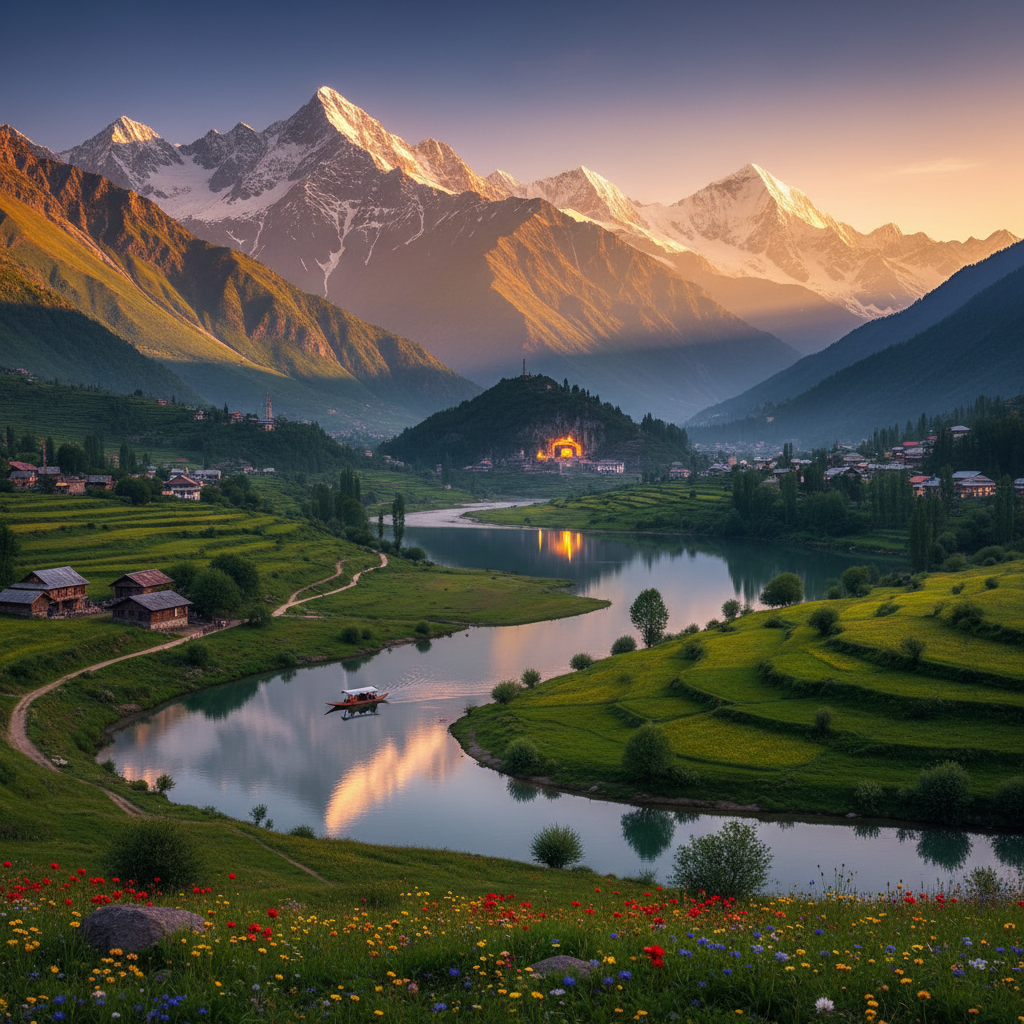
The sacred journey to Mata Vaishno Devi Shrine, nestled in the Trikuta Mountains of Jammu and Kashmir, is a deeply spiritual experience for millions of devotees each year. This pilgrimage involves a challenging yet rewarding trek of approximately 12-14 km from Katra to the Holy Cave, where pilgrims seek blessings from the Mother Goddess. The journey itself is as much a part of the spiritual experience as reaching the shrine. While the shrine is open throughout the year, understanding the nuances of each season – from weather patterns to crowd density – is crucial for planning a comfortable and fulfilling Yatra. Our aim here at Mid Holidays, with our deep local insights, is to help you pinpoint the best time for Vaishno Devi Yatra tailored to your preferences, ensuring your focus remains on devotion and not on logistical challenges. Factors like climate, festive periods, and even school holidays can significantly impact your experience, making careful planning indispensable.
The Seasons of Vaishno Devi: When to Plan Your Pilgrimage
Deciding the best time for Vaishno Devi Yatra largely depends on your tolerance for crowds and weather conditions. Broadly, the year can be divided into three distinct periods: spring-summer, monsoon, and autumn-winter. Each offers a unique experience. Spring and early summer (March to June) are popular due to pleasant weather but also attract significant crowds, especially during school breaks and festivals. The monsoon season (July to early September) brings lush greenery and fewer crowds, but also poses challenges like slippery paths and occasional landslides. Autumn (late September to November) is often considered ideal for its clear skies, moderate temperatures, and festive atmosphere, though it can still be busy. Winter (December to February) presents a serene, snow-covered landscape, perfect for those seeking solitude and a truly spiritual, albeit cold, experience. We'll delve deeper into each period to help you make an informed choice.
Spring & Early Summer (March to June): Pleasant Weather, Higher Crowds
For many, the period from March to June marks the best time for Vaishno Devi Yatra due to its relatively pleasant weather. Temperatures range from a comfortable 15°C to 30°C, making the uphill trek more manageable. The landscape is vibrant with blooming flowers, and the air is crisp. However, this period coincides with school holidays and several Hindu festivals like Navratri (spring), leading to a significant surge in pilgrim numbers. Expect longer queues at various points, including security checks, pony/palki counters, and the Bhawan itself. If you choose this time, booking accommodation, transport, and even pony/palki services well in advance is highly recommended. Daily Yatra registration slips might also see queues. While the weather is agreeable, the sheer volume of devotees can sometimes detract from the tranquil experience, so be prepared for a bustling pilgrimage.
Monsoon Season (July to Early September): Greenery and Challenges
The monsoon season offers a different kind of beauty and challenge for the Vaishno Devi Yatra. From July to early September, the Trikuta hills come alive with lush green foliage, and the occasional showers wash the landscape clean, offering breathtaking views. Temperatures hover between 20°C and 35°C, often accompanied by high humidity. This period generally sees fewer pilgrims compared to peak summer, making for a quieter journey. However, the trade-off is the risk of heavy rainfall, which can make the trek slippery and difficult. Occasional landslides can lead to temporary route closures or delays, especially on the older, steeper paths. Ponies and palkis operate, but safety precautions are heightened. If you prefer a less crowded Yatra and don't mind the rain, carrying appropriate rain gear and sturdy waterproof footwear is essential. It's a serene, introspective time, but requires careful consideration of safety.
Autumn (Late September to November): The Golden Window
Many local experts and seasoned pilgrims consider late September to November as the absolute best time for Vaishno Devi Yatra. The monsoon recedes, leaving behind clear skies, moderate temperatures ranging from 10°C to 25°C, and a comfortable trekking experience. The air is fresh, visibility is excellent, and the vibrant colours of autumn paint the hillsides. This period also hosts the Sharad Navratri festival, which draws a massive influx of devotees. While October can be very crowded, especially around Diwali, the weeks immediately before and after these festivals often strike a perfect balance between pleasant weather and manageable crowds. Advance bookings are still advisable, particularly for Navratri. The crisp autumn air and generally dry paths make the trek enjoyable, and the festive spirit adds another layer of devotion to the journey. This window truly offers an optimal blend for a memorable pilgrimage.
Winter (December to February): Serenity and Snow-Capped Peaks
For those seeking a unique and deeply spiritual experience, the winter months from December to February can be the best time for Vaishno Devi Yatra. The Trikuta Mountains are often blanketed in snow, transforming the landscape into a pristine, ethereal wonderland. Temperatures can drop significantly, ranging from 0°C to 15°C, and even below freezing at night and higher altitudes. This period sees the fewest crowds, offering a serene and introspective pilgrimage. However, the challenging weather conditions mean that warm clothing, including multiple layers, gloves, and caps, is absolutely essential. The trek paths can be slippery due to ice and snow, and services like pony or palki rides might be limited or operate with greater caution. Helicopters usually operate, but can be impacted by fog or heavy snowfall. While it requires resilience against the cold, the tranquility and breathtaking snow views offer a truly unforgettable spiritual journey for the hardy devotee.
Essential Planning Tips for Your Vaishno Devi Yatra
Regardless of when you choose the best time for Vaishno Devi Yatra, some planning tips remain universally important. Firstly, always obtain your Yatra Registration Slip (YRS) before starting the trek; it's mandatory. This can be done online at the Shri Mata Vaishno Devi Shrine Board (SMVDSB) website or at designated counters in Katra. Secondly, book your train tickets or flights to Jammu or Katra well in advance, especially during peak seasons. Accommodation in Katra or at Bhawan should also be reserved beforehand. Consider the various modes of transport available – walking, ponies, palkis, battery cars (from Ardhkuwari to Bhawan), or helicopter services. Each has its pros and cons in terms of cost, time, and physical exertion. Pack light but intelligently, focusing on comfortable walking shoes, appropriate seasonal clothing, and essential medications. Lastly, maintaining a flexible attitude and embracing the spiritual essence of the journey will ensure a fulfilling pilgrimage.
Average Costs and What to Expect for Your Yatra
Planning the financial aspect of your Vaishno Devi Yatra is crucial. While exact costs can vary, here’s an approximate breakdown. Travel to Katra: Train fares from major cities can range from INR 500-2500 (sleeper/AC) per person. Flights to Jammu are typically INR 3000-8000 one way, with taxis from Jammu airport to Katra costing around INR 800-1200. Accommodation in Katra can range from INR 1000-4000 per night for decent hotels, or free dormitory services at designated places. Yatra slip is free. For the trek: Pony charges are roughly INR 1200-1800 (one-way to Bhawan), palki INR 3000-4500 (one-way), and battery car INR 350-500 (one-way from Ardhkuwari). Helicopter services from Katra to Sanjichhat are around INR 1700-2000 per person one-way. Food on the route is readily available and reasonably priced, with meals ranging from INR 100-300. Overall, a comfortable 3-day/2-night Yatra for one person could cost anywhere from INR 5000 to INR 15000, excluding long-distance travel, depending heavily on transport choices and accommodation standards. Remember, prices are subject to change and may increase during peak seasons. Mid Holidays can assist with package options that include many of these elements for a streamlined experience.
Related Kashmir Guides & Services
<p>Planning the rest of your trip? These Mid Holidays guides pair well with this article:</p><ul><li><a href="/blog/best-month-to-visit-gurez-valley">Best Month to Visit Gurez Valley: Your Ultimate Mid Holidays Guide</a></li><li><a href="/blog/kashmir-snowfall-time-guide-best-season">Kashmir Snowfall Time Guide: Best Season & Planning Your Trip</a></li><li><a href="/blog/kashmir-in-march-spring-travel-guide">Kashmir in March: Your Ultimate Spring Travel Guide | Mid Holidays</a></li><li><a href="/blog/kashmir-during-autumn-season-ultimate-guide">Kashmir During Autumn Season: Your Ultimate Guide by Mid Holidays</a></li><li><a href="/blog/kashmir-packing-list-for-family">Kashmir Packing List for Family: Your Ultimate Guide for All Seasons</a></li></ul>
Frequently Asked Questions
Is the Vaishno Devi Yatra possible for elderly people or those with mobility issues?
Yes, absolutely. The Shri Mata Vaishno Devi Shrine Board has made significant provisions to ensure a comfortable pilgrimage for everyone. Helicopter services are available from Katra to Sanjichhat, reducing the trek substantially. From Sanjichhat, ponies, palkis, and even battery cars from Ardhkuwari to Bhawan are options. There are also medical facilities and emergency services along the route. It's advisable for elderly or mobility-challenged pilgrims to travel during the pleasant autumn or spring months and to consult their doctor beforehand.
What is the average duration required for the complete Vaishno Devi Yatra?
Typically, pilgrims allocate 2 to 3 days for the complete Vaishno Devi Yatra. This includes one day for travel to Katra, an overnight stay, and then dedicating a full day (12-18 hours) for the trek up to the Bhawan, darshan, and descent. Many prefer to start the ascent in the evening, reach Bhawan by morning, and descend the same day. Those opting for helicopters or battery cars might complete the spiritual journey within a single day if travel to Katra is efficient.
Are there any specific dress codes or clothing recommendations for the Yatra?
While there isn't a strict dress code for the Vaishno Devi Yatra, it's advisable to wear modest, comfortable clothing suitable for a trek. Avoid excessively revealing attire out of respect for the sacred site. Sturdy, well-broken-in walking shoes are crucial to prevent blisters. During colder months (October to March), carry layers of warm clothing, including jackets, sweaters, gloves, and caps. For monsoon, waterproof jackets and non-slip footwear are essential. Dress practically for the weather and physical exertion.
Can we book helicopter tickets for Vaishno Devi on the spot?
While theoretically possible to book helicopter tickets on the spot in Katra, it is highly discouraged and often leads to disappointment, especially during peak seasons, festivals, or weekends. Helicopter services are extremely popular and tickets sell out rapidly. It is strongly recommended to book your helicopter tickets in advance through the official Shri Mata Vaishno Devi Shrine Board website as soon as your travel dates are confirmed. This ensures a confirmed slot and avoids last-minute hassles.
What are the food and accommodation options available during the Yatra?
Numerous food stalls, Bhojanalayas (eateries), and small shops dot the entire trek route from Katra to the Bhawan, offering vegetarian meals, snacks, and beverages at reasonable prices. Accommodation in Katra ranges from budget guesthouses to mid-range hotels. At Bhawan and along the route (Ardhkuwari, Sanjichhat), the Shrine Board provides free dormitories, paid rooms, and lockers. It's advisable to book these facilities in advance through the SMVDSB website, especially during busy periods.
Is it safe to undertake the Vaishno Devi Yatra during the monsoon season?
The Vaishno Devi Yatra is generally considered safe during monsoon, but it does come with increased risks. The paths can become slippery, and there's a higher chance of minor landslides or falling rocks in certain sections, which the Shrine Board constantly monitors. Pilgrim traffic might be less, offering a serene experience. If you plan to visit during this time, wear appropriate non-slip footwear, carry rain gear, stay updated on weather forecasts, and always stick to designated paths. The authorities prioritize pilgrim safety.
What documents or IDs are required for the Yatra?
For the Vaishno Devi Yatra, it is mandatory to carry a valid government-issued photo identification proof such as an Aadhaar Card, Passport, Voter ID, or Driving License. This ID is required for obtaining your Yatra Registration Slip (YRS), helicopter booking (if applicable), and for various security checks along the route. It's advisable to carry both the original and a photocopy. Also, keep your YRS handy throughout the journey as it is frequently checked.
Are there any restrictions on carrying luggage or offerings to the Bhawan?
Yes, there are restrictions. To enhance security, certain items are not allowed beyond specific checkpoints, particularly near the Bhawan. Large bags, sharp objects, electronic gadgets (like cameras, laptops), and leather items are generally prohibited inside the main Bhawan complex. Lockers are available at Bhawan to store your belongings. For offerings, only specific items like dry fruits, coconuts, chunris, and flowers are allowed, which can be purchased near the shrine. Avoid carrying anything that might be considered a security risk.