Kashmir Weather Forecast Tools Guide: Plan Your Perfect Trip
Kashmir Travel Planning
Navigate Kashmir's diverse weather with confidence using our comprehensive Kashmir Weather Forecast Tools Guide. Understand local conditions, best apps, and…
Understanding Kashmir's Diverse Weather: An Overview for Travellers
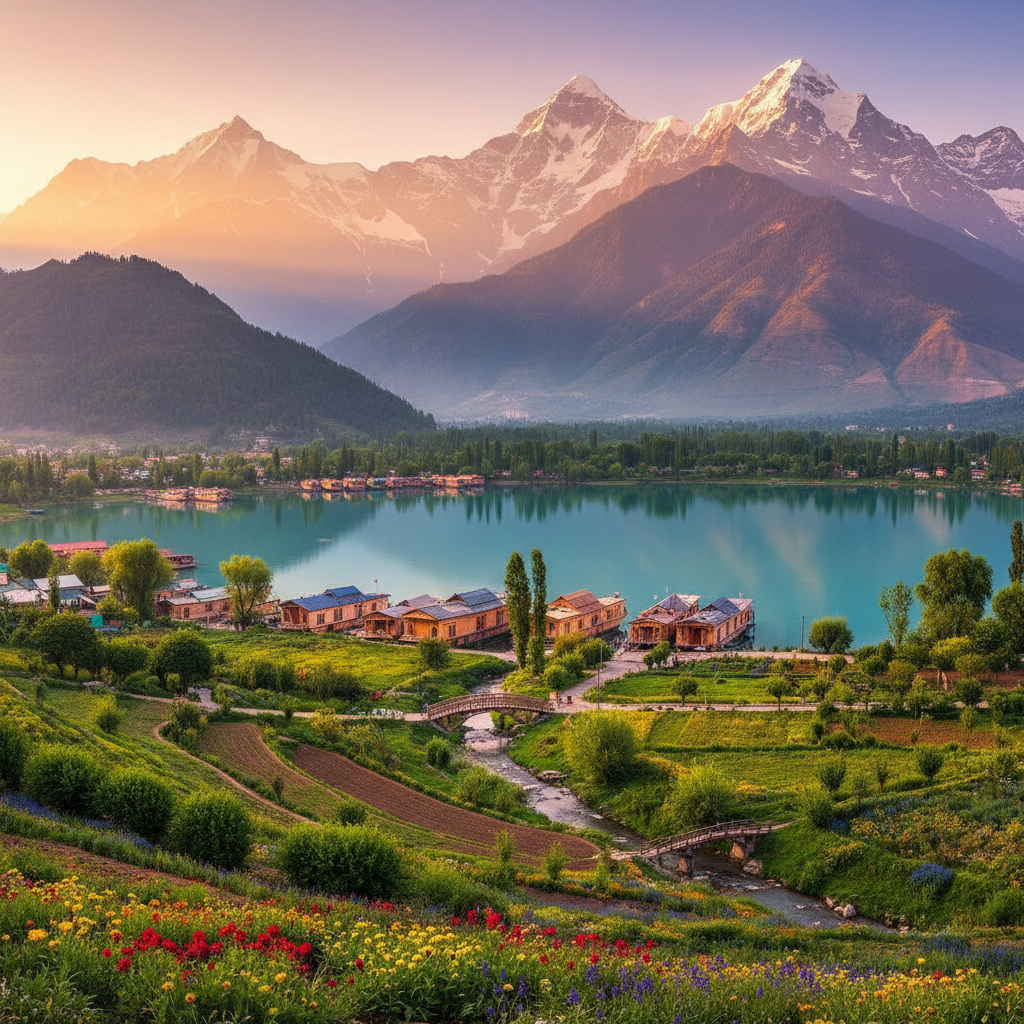
Kashmir, often called Paradise on Earth, boasts a diverse climate that changes dramatically with the seasons and even within short distances. From the snow-capped peaks of Gulmarg to the serene Dal Lake in Srinagar, understanding the local weather is paramount for a comfortable and enjoyable trip. The region experiences four distinct seasons: spring (March to May), summer (June to August), autumn (September to November), and winter (December to February). Each season offers a unique charm and presents different weather challenges and opportunities. For instance, winter brings heavy snowfall, transforming the landscape into a white wonderland perfect for skiing, but requiring careful planning for road closures and accessibility. Spring, on the other hand, is mild and vibrant with blooming flowers, while autumn paints the Chinar trees in hues of gold and crimson. Summers are generally pleasant, ideal for sightseeing and treks. Relying on accurate, localized weather information isn't just about packing the right clothes; it's about making informed decisions for activities, transportation, and even choosing the best time to visit certain areas. Our goal with this guide is to equip you with the knowledge and tools to confidently interpret Kashmir's weather patterns and plan an unforgettable journey.
Why Reliable Weather Forecasts are Crucial for Your Kashmir Trip
Imagine arriving in Gulmarg for a thrilling ski adventure only to find heavy snowfall has closed the gondola, or planning a serene Shikara ride on Dal Lake in Srinagar during an unexpected downpour. These scenarios, though beautiful in their own way, can disrupt your carefully laid plans if you're not prepared. Reliable weather forecasts are not just a convenience in Kashmir; they are a necessity. The geographical variations across the valley mean that weather can be very localized. While Srinagar might be experiencing clear skies, a short drive to Pahalgam or Sonamarg could reveal drastically different conditions, including sudden rain, fog, or even snow, especially during shoulder seasons. Accurate forecasts help you pack appropriate clothing, from warm layers for cold evenings to rain gear for unexpected showers. More importantly, they inform your daily itinerary, allowing you to re-plan activities if weather conditions make certain routes or attractions unsafe or inaccessible. This is especially true for high-altitude areas and treks where sudden weather changes can pose significant risks. Being proactive with weather information ensures your safety, maximizes your enjoyment, and prevents unforeseen disappointments during your Kashmir exploration.
Top Digital Weather Forecast Tools for Kashmir: Apps & Websites
In today's digital age, a plethora of apps and websites offer weather information, but for Kashmir's unique microclimates, some stand out for their accuracy and detail. The India Meteorological Department (IMD) website (mausam.imd.gov.in) is often the most authoritative source for government-issued forecasts and advisories, offering general trends for the region and specific cities like Srinagar. For more granular, real-time data and user-friendly interfaces, popular global apps such as AccuWeather, The Weather Channel, and Google Weather (accessible directly via Google search) are widely used. While these provide good general information for major towns, remember that mountain weather can be highly unpredictable. Apps like Weather Underground, which incorporate personal weather stations, can sometimes offer more localized insights, though their coverage in remote Kashmir might vary. For trekking and outdoor activities, sometimes specialized apps that focus on elevation and mountain weather, though less common for Kashmir specifically, can be helpful if you're exploring very remote areas. My personal preference leans towards cross-referencing IMD forecasts with a couple of popular global apps to get a well-rounded picture. Always check the forecast a few days before your trip and then daily during your stay for the most up-to-date information.
Local Insights: How to Interpret Weather Signs & Get Real-Time Updates
While digital tools are excellent, there's an art to understanding Kashmir's weather that often comes from local knowledge. Experienced travellers and locals often pay attention to natural signs. For example, clear, star-studded nights often precede cold, crisp mornings, while a ring around the moon might suggest an approaching weather change. Observing cloud formations can also offer clues: towering cumulonimbus clouds often signal thunderstorms, especially in summer afternoons. Beyond natural signs, the most valuable real-time updates often come from your local contacts. Your hotel staff, houseboat owner, Shikara wallah, or taxi driver are invaluable sources of current ground conditions, especially regarding road status, snowfall, or local events that might be affected by weather. They often have networks that provide immediate information that digital forecasts might take time to reflect, particularly for sudden changes in mountain passes like Sonamarg's Zojila or the roads to Gulmarg. Don't hesitate to ask them about the weather for your planned activities for the day. Their advice, combined with your digital forecasts, will give you the most comprehensive and accurate picture for safe and enjoyable exploration.
Seasonal Weather Patterns in Kashmir: What to Expect When
Kashmir's distinct seasons each offer a unique weather experience. Spring (March to May) is characterized by pleasant, cool weather. Temperatures range from 5°C to 20°C. You'll see blooming almond and tulip gardens, but occasional rain showers are common, especially in March and April. The higher reaches might still have residual snow. Summer (June to August) is Kashmir's peak tourist season, with mild and comfortable temperatures, typically 15°C to 30°C. Days are sunny and ideal for sightseeing and trekking. However, afternoon thundershowers can occur, so carrying a light rain jacket is wise. Autumn (September to November) is arguably the most picturesque, with Chinar leaves turning golden and crimson. The weather is cool and dry, ranging from 10°C to 25°C in September, gradually dropping to 0°C to 15°C by November. Nights can get chilly. Winter (December to February) transforms Kashmir into a winter wonderland. Temperatures often drop below freezing, ranging from -5°C to 10°C, and heavy snowfall is common, especially in Gulmarg, Pahalgam, and Sonamarg. Roads to some high-altitude areas might be closed. This is the time for snow sports, but requires thorough preparation for extreme cold.
Packing Smart: What to Carry Based on Kashmir's Forecast
Packing strategically based on the Kashmir weather forecast can make or break your comfort. For winter trips (December-February), prioritize heavy woollens, thermal wear, waterproof and windproof jackets, warm hats, gloves, and waterproof snow boots. Layering is key, allowing you to add or remove clothing as temperatures fluctuate. A good quality shawl or pashmina is also very useful. In spring (March-May) and autumn (September-November), pack medium to heavy woollens, sweaters, light jackets, and full-sleeve shirts. Nights and early mornings will be cool, even if days are pleasant. A light rain jacket or umbrella is advisable for spring's unpredictable showers and autumn's occasional drizzle. For summer travel (June-August), light cotton clothing is suitable for daytime, but always include a light jacket or sweater for cooler evenings and mornings, especially if you're visiting higher altitudes. Comfortable walking shoes are a must regardless of the season, as you'll likely be exploring a lot on foot. Don't forget sunscreen and sunglasses year-round, as the sun can be quite strong, even in winter. Checking the 7-day forecast just before you pack will give you the most accurate guidance for your specific travel dates.
Road Conditions and Accessibility: Weather's Impact on Travel
Weather in Kashmir significantly dictates road conditions and accessibility, especially in higher altitudes. Heavy snowfall in winter can close key routes like the Srinagar-Leh highway (which impacts access to Sonamarg in winter) and the road to Gulmarg's higher reaches. Even within the valley, heavy rain can sometimes lead to localized landslides or waterlogging, causing delays. Before planning any inter-district travel, particularly to places like Sonamarg, Gulmarg, or Pahalgam during the winter months, it's crucial to check real-time road status. Local police advisories, shared by your driver or hotel, are often the most reliable source for this. During the monsoon season (July-August, though less pronounced than in other parts of India), while heavy rainfall is less frequent in Kashmir, sudden cloudbursts can lead to temporary disruptions. Always ensure your taxi driver is experienced in mountain driving and has a vehicle equipped for varying road conditions. If a road is closed due to weather, respect the advisories; safety always comes first. Having flexible plans or alternative destinations in mind can save you from disappointment if your primary route is affected by adverse weather.
Planning Your Kashmir Trip with Mid Holidays: Weather-Proof Itineraries
At Mid Holidays, we understand that an ideal Kashmir experience is often tied to the weather. Our expertise as a licensed Kashmir-based tour operator allows us to craft itineraries that anticipate and adapt to seasonal weather patterns. When you plan your trip with us, we don't just consider the popular sights; we factor in real-time weather forecasts, historical data, and local conditions to suggest the best activities and routes for your chosen travel period. Whether you dream of skiing in Gulmarg during a snowy winter, exploring vibrant tulip gardens in spring, enjoying serene Shikara rides in summer, or witnessing the golden hues of autumn, we guide you on what to expect. We'll advise you on necessary packing, potential road closures, and offer alternative plans if unexpected weather changes occur. Our local drivers and guides are constantly updated on ground realities, ensuring your safety and maximizing your enjoyment. Let us take the guesswork out of planning. For a seamless, weather-aware Kashmir adventure, explore our curated packages at kashmir.midholidays.in and let us help you create memories that last a lifetime, come rain, shine, or snow.
Related Kashmir Guides & Services
<p>Planning the rest of your trip? These Mid Holidays guides pair well with this article:</p><ul><li><a href="/blog/leh-ladakh-best-time-to-visit-month-wise">Leh Ladakh Best Time to Visit Month-Wise: Your Ultimate Guide</a></li><li><a href="/blog/kashmir-tourist-reviews-testimonials-guide">Kashmir Tourist Reviews & Testimonials Guide: Your Mid Holidays Insight</a></li><li><a href="/blog/best-month-to-visit-gurez-valley">Best Month to Visit Gurez Valley: Your Ultimate Mid Holidays Guide</a></li><li><a href="/blog/plan-your-perfect-trip-to-kashmir">Plan Your Perfect Trip to Kashmir: The Ultimate Guide by Mid Holidays</a></li><li><a href="/blog/how-to-plan-kashmir-trip-mid-holidays">How to Plan Kashmir Trip: Your Ultimate Guide by Mid Holidays</a></li></ul>
Frequently Asked Questions
What is the best month to visit Kashmir based on weather?
The 'best' month depends on your preferences. For pleasant weather and sightseeing, May to early July and September to October are ideal, with comfortable temperatures and clear skies. If you love snow and winter sports, December to February is perfect for Gulmarg. Spring (March-April) offers blooming gardens, while autumn (late October-November) showcases stunning Chinar foliage.
How accurate are weather forecasts for mountainous regions like Kashmir?
Weather forecasts for mountainous regions like Kashmir can be less precise than for plains due to varied topography creating microclimates. While major apps and IMD provide good general trends, localized conditions can change rapidly. Always check multiple sources, and listen to local advisories from your hotel or driver, as they often have the most up-to-date ground information, especially regarding road conditions.
Should I still carry warm clothes if the summer forecast shows high temperatures?
Absolutely. Even in summer, Kashmir's evenings and early mornings can be surprisingly cool, especially if you're visiting higher altitudes like Gulmarg or Pahalgam. A light jacket, sweater, or shawl is essential for comfort. Daytime temperatures can be pleasant, but once the sun sets, the mercury drops quickly. Layering is always a smart packing strategy for Kashmir.
What's the typical snow season in Kashmir and how does it affect travel?
The typical snow season in Kashmir is from December to February, with heavy snowfall often occurring in January and early February. This transforms the landscape but can impact travel. Roads to Gulmarg might require snow chains or 4x4 vehicles, and the Srinagar-Leh highway (affecting Sonamarg in winter) usually closes. Always check road status before planning winter travel to these areas.
Are there any specific weather apps recommended for trekking in Kashmir?
While there aren't many Kashmir-specific trekking apps, for general mountain weather, apps like AccuWeather or The Weather Channel offer decent altitude-specific forecasts for major peaks. For more detailed insights, serious trekkers might use apps that focus on atmospheric pressure and wind patterns. However, for remote treks, combining digital forecasts with advice from local guides is paramount, as they understand the microclimates best.
How do I get real-time road condition updates during adverse weather in Kashmir?
For real-time road condition updates, especially during snowfall or heavy rain, the most reliable sources are local. Your hotel reception, taxi driver, or the Jammu and Kashmir Traffic Police social media accounts (if active) often provide the quickest advisories. Mid Holidays also keeps its clients informed through their local team on the ground, ensuring your safety and smooth travel.
Does Kashmir experience a monsoon season like other parts of India?
Kashmir experiences a relatively subdued monsoon compared to other parts of India. While there are occasional rain showers, especially from July to August, it doesn't typically receive the heavy, prolonged downpours characteristic of the Indian monsoon. The climate remains generally pleasant during these months, though carrying an umbrella or light rain jacket is still advisable for unexpected drizzles.