Warwan Valley Kashmir: Your Guide to a Hidden Paradise Trek
Kashmir Offbeat Destinations
Uncover the pristine beauty of Warwan Valley Kashmir with our comprehensive guide. Learn about trekking routes, best time to visit, costs, and local…
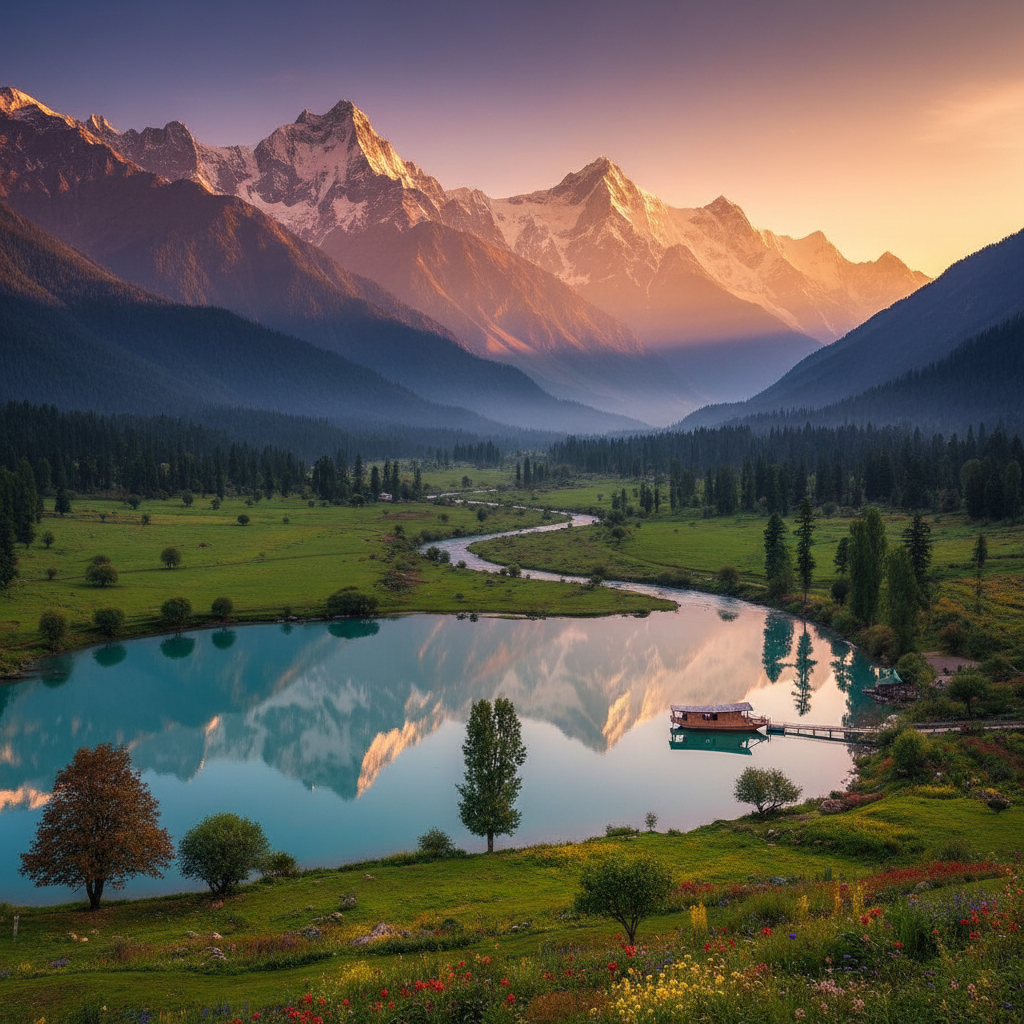
Unveiling Warwan Valley: Kashmir's Pristine Hidden Gem
Warwan Valley, often referred to as Kashmir's best-kept secret, is a truly untouched paradise nestled amidst the lofty Himalayas. Located in the Kishtwar district, bordering the Anantnag district of South Kashmir, this remote valley offers breathtaking landscapes, gushing rivers, verdant meadows, and traditional village life untouched by mass tourism. Unlike the more frequented destinations such as Gulmarg or Pahalgam, Warwan remains largely pristine, making it an ideal destination for trekkers, nature enthusiasts, and those seeking an authentic, offbeat Kashmiri experience. The valley is characterized by its dramatic mountain passes, the Warwan River meandering through its heart, and charming wooden hamlets that offer a glimpse into a simpler way of life. The journey itself is an adventure, often involving challenging roads and treks, which only adds to its allure. It’s a place where time seems to slow down, allowing you to truly immerse yourself in the raw beauty of nature and the warmth of local hospitality. For anyone yearning to escape the crowds and discover the serene wilderness of Kashmir, Warwan Valley promises an unforgettable expedition.
Who is Warwan Valley For? A Trekkers' Dream and Nature Lovers' Retreat
Warwan Valley beckons primarily to adventurous souls who have a passion for trekking, camping, and exploring truly remote destinations. This isn't a destination for luxury resorts or quick sightseeing tours; it demands a certain level of physical fitness and a spirit of adventure. Trekkers will find a myriad of routes, ranging from moderate to challenging, leading to high-altitude passes like Lomvil Pass and majestic views of the surrounding peaks. Nature photographers will be captivated by the dramatic landscapes, from dense pine forests to sprawling alpine meadows dotted with wildflowers, especially in the summer. Birdwatchers might spot unique Himalayan avian species, while those interested in culture can observe the unique lifestyle of the Warwanis, known for their distinct dress and hospitality. Families with very young children or individuals seeking a relaxed, comfortable vacation might find the journey to Warwan Valley a bit too strenuous. However, for resilient travelers who appreciate authentic experiences, untouched nature, and the thrill of discovery, Warwan Valley is an absolute dream come true. It offers a rare opportunity to connect with nature on a profound level, far from the hustle and bustle of modern life.
Best Time to Visit Warwan Valley: Seasons of Serenity
The optimal window to visit Warwan Valley is during the summer months, from late June to early October. During this period, the snow has largely melted from the higher passes, making trekking routes accessible and relatively safe. The weather is generally pleasant, with daytime temperatures ranging from 15°C to 25°C, perfect for outdoor activities. The meadows are lush green, dotted with vibrant wildflowers, and the Warwan River swells with glacial meltwater, creating picturesque scenery. July and August are particularly beautiful for their floral bloom. Late September and early October bring a crisp autumn air and stunning golden hues as the foliage begins to change, though the nights start to get noticeably colder. Winter (November to May) renders Warwan Valley almost inaccessible due to heavy snowfall, cutting it off from the rest of the region. Roads and trekking trails become impassable, making travel extremely challenging and unsafe. Therefore, planning your trip within the summer and early autumn window is crucial to ensure a safe and enjoyable exploration of this remote Kashmiri gem. Always check local weather forecasts and road conditions before embarking on your journey.
Reaching Warwan Valley: Routes, Roads, and Trekking Trails
Reaching Warwan Valley is an adventure in itself, typically involving a combination of driving and trekking, as direct road connectivity is limited and seasonal. The most common approach is from Anantnag district in Kashmir or from Kishtwar in Jammu. From Anantnag, you would drive to Inshan, the last motorable stop, which is about 120-130 km from Srinagar. The route from Anantnag to Inshan passes through Kokernag and Daksum, offering scenic views but often challenging road conditions. From Inshan, the trek to Warwan Valley commences. This trek can range from a few hours to a full day, depending on your destination within the valley and your pace. An alternative, more challenging route for experienced trekkers is from Pahalgam via the Lomvil Pass (approximately 4400m altitude), a multi-day trek that offers spectacular high-altitude scenery but requires proper acclimatization and a skilled guide. Another less common approach is from Kishtwar, through areas like Chhatroo and Synthan Top, but this route is often more arduous and less frequently used by tourists due to its remoteness and varying road conditions. Regardless of the starting point, hiring a reliable local driver up to the last motorable point and then engaging experienced local guides for the trek is highly recommended for safety and navigation. Road conditions can be unpredictable, especially after rains, so flexibility in your travel plans is essential.
An Itinerary Idea: 5 Days of Warwan Adventure
A typical Warwan Valley adventure spans 4-6 days, allowing for a deep immersion into its landscapes. Here's a suggested 5-day itinerary: Day 1 begins with your arrival in Srinagar, followed by a scenic drive to Kokernag, where you overnight. Day 2 is dedicated to reaching Inshan, the motorable road's end. From Inshan, you'll embark on a moderate trek to Marwah village in Warwan Valley, setting up camp or finding a homestay. This usually takes 4-5 hours. Day 3 is for exploring Marwah and its surrounding meadows, perhaps a short trek to an adjacent village like Afti or Renai, experiencing local life and enjoying the pristine river. Day 4 involves a trek further into the valley, perhaps towards Hanzal or Basmina, known for their stunning views and serene environment. You can choose to trek for a full day, returning to Marwah, or camp at a new location if prepared. Day 5 starts with a trek back from Marwah to Inshan after breakfast, followed by a drive back to Srinagar or your onward destination. This itinerary can be customized based on your fitness, interests, and available time, with options for longer treks to higher pastures or exploring more remote hamlets within the valley. Always account for acclimatization if you plan high-altitude crossings.
Costs and Budgeting for Your Warwan Valley Expedition
Budgeting for a Warwan Valley trip requires careful consideration due to its remote nature. Costs are primarily driven by transport, guiding services, accommodation, and food. For transport from Srinagar to Inshan and back, expect to pay around INR 8,000-12,000 for a private taxi (like a Sumo or Innova) for the round trip, which can be split among travelers. Shared transport is rare. For the trek itself, hiring a local guide is crucial. A guide will typically charge INR 1,500-2,500 per day, plus their food and accommodation. If you require porters or ponies for luggage, factor in an additional INR 800-1,200 per day per porter/pony. Accommodation options in Warwan Valley are basic: homestays in Marwah or Afti will cost around INR 800-1,500 per person per night, including simple meals. Camping, if you carry your own gear, is free in designated areas, but you'll need to allocate funds for packed food and cooking essentials. Trekking permits might be required (though often managed by guides, confirm locally), and personal expenses for snacks or small purchases. A reasonable budget for a 5-day trip to Warwan Valley, excluding flights to Srinagar, could range from INR 18,000 to 30,000 per person, assuming a group of 2-3 sharing costs, with a keen eye on optimizing expenses. Always carry enough cash, as ATMs are non-existent in the valley.
Essential Packing List for Your Warwan Adventure
Packing smart is key for a comfortable and safe Warwan Valley trek. Prioritize layers for clothing: breathable base layers, warm fleece or down jacket, and a waterproof/windproof outer shell. Even in summer, evenings can be chilly, and weather can change rapidly. Sturdy, waterproof trekking boots with good ankle support are non-negotiable. Carry multiple pairs of moisture-wicking socks to prevent blisters. Other essentials include a comfortable backpack (50-60L recommended for multi-day treks), a good sleeping bag suitable for cold temperatures (if camping), and a trekking pole for stability on uneven terrain. Don't forget a wide-brimmed hat, sunglasses, and high-SPF sunscreen to protect against altitude sun. A personal first-aid kit with basic medications, pain relievers, antiseptic, and blister treatment is vital. Headlamp or flashlight with extra batteries, a power bank for charging devices, and a water bottle or hydration pack are also crucial. Pack high-energy snacks like nuts, dried fruits, and energy bars, as food options can be limited. Finally, carry personal toiletries, a small towel, and a camera to capture the stunning landscapes. Remember to pack light, but ensure you have all necessary items for varying weather conditions and remote locations. Responsible waste disposal bags are also a must, as you are entering a pristine environment.
Safety, Local Etiquette, and Practical Tips for Warwan
Safety is paramount when venturing into Warwan Valley. Always travel with an experienced local guide, especially if trekking to higher altitudes or for multi-day expeditions. Inform your family or friends about your itinerary. While the region is generally safe, it's remote, and medical facilities are scarce; prepare for self-sufficiency. Respect local customs and traditions; dress modestly, especially when visiting villages. Photography is usually fine, but always ask for permission before taking pictures of people. The locals are incredibly hospitable and welcoming. Avoid plastic waste and leave no trace behind – carry out everything you carry in. Cellular network coverage is minimal to non-existent beyond Inshan, so be prepared for a digital detox. Carry enough cash as there are no ATMs. Stay hydrated and be aware of signs of altitude sickness if you plan to ascend to higher passes. Drink only boiled or filtered water. The journey to Warwan Valley is a rewarding challenge; thorough preparation, respect for nature and local culture, and a spirit of resilience will ensure an enriching and memorable experience. For those looking for a seamless, expertly planned offbeat adventure to places like Warwan Valley, consider exploring Mid Holidays' specialized Kashmir trekking packages that prioritize safety, local immersion, and sustainable travel practices.
Related Kashmir Guides & Services
<p>Planning the rest of your trip? These Mid Holidays guides pair well with this article:</p><ul><li><a href="/blog/lolab-valley-tour">Lolab Valley Tour: Your Ultimate Guide to Kashmir's Hidden Gem</a></li><li><a href="/blog/best-time-to-visit-bangus-valley-kashmir">Best Time to Visit Bangus Valley: Your Ultimate Guide to Kashmir's Hidden Gem</a></li><li><a href="/blog/places-to-visit-in-lolab-valley">Places to Visit in Lolab Valley: Kashmir's Pristine Hidden Gem</a></li><li><a href="/blog/kashmir-in-march-spring-travel-guide">Kashmir in March: Your Ultimate Spring Travel Guide | Mid Holidays</a></li><li><a href="/blog/kashmir-tour-with-sonamarg-adventure">Kashmir Tour with Sonamarg: Your Ultimate Guide to Alpine Wonders</a></li></ul>
Frequently Asked Questions
Is Warwan Valley safe for tourists?
Yes, Warwan Valley is generally considered safe for tourists, especially for those who undertake the journey with experienced local guides. The region is remote, and while isolated, locals are known for their hospitality. Standard travel precautions apply, and it's always advisable to inform your family about your itinerary. Political situations in Kashmir can fluctuate, so checking current advisories before planning your trip is a good practice, though Warwan remains largely unaffected by common tourist concerns.
What kind of accommodation can I expect in Warwan Valley?
Accommodation in Warwan Valley is very basic and reflects its remote, untouched nature. You'll primarily find homestays in villages like Marwah, Afti, or Renai, offering simple rooms with shared facilities. These homestays provide a unique cultural experience, allowing you to interact directly with local families. Camping is also a popular option for trekkers, with numerous picturesque spots available throughout the valley for pitching tents.
Do I need a permit to visit Warwan Valley?
Currently, no specific official permit is needed for Indian nationals to visit Warwan Valley itself. However, if your trekking route involves crossing certain passes or entering restricted zones, or if you are a foreign national, specific permissions might be required. It's always best to engage a local guide or tour operator who can confirm the latest regulations and assist with any necessary formalities, ensuring a hassle-free journey.
What are the common trekking durations in Warwan Valley?
Trekking durations in Warwan Valley vary based on the chosen route and your destination. A basic trek from Inshan to Marwah village can take 4-5 hours. If you plan to explore further into the valley or attempt high-altitude passes like Lomvil Pass (from Pahalgam side), the trek can extend to several days, typically 3 to 7 days, depending on the itinerary and your pace, including travel to Inshan.
Is there network connectivity in Warwan Valley?
Mobile network connectivity in Warwan Valley is extremely limited to non-existent beyond Inshan. Expect to be completely off-grid once you enter the heart of the valley. This digital detox is often considered part of the charm by many visitors, allowing for a deeper connection with nature. Inform your contacts about the expected loss of connectivity before your trip.
What kind of food is available in Warwan Valley?
Food in Warwan Valley is simple, wholesome, and largely local Kashmiri cuisine. Homestays will offer freshly prepared traditional meals, typically including rice, dal, local vegetables, and sometimes chicken or mutton. For trekkers, it's advisable to carry high-energy snacks like dried fruits, nuts, and energy bars, as food stalls are very scarce or non-existent once you leave Inshan. Expect a basic, yet hearty, culinary experience.