Tulail Valley Kashmir: Your Secret Paradise Trekking Guide
Kashmir Offbeat Destinations
Uncover the pristine beauty of Tulail Valley Kashmir with Mid Holidays' expert trekking guide. Discover hidden trails, accommodation, and travel tips for…
Unveiling Tulail Valley Kashmir: A Hidden Gem
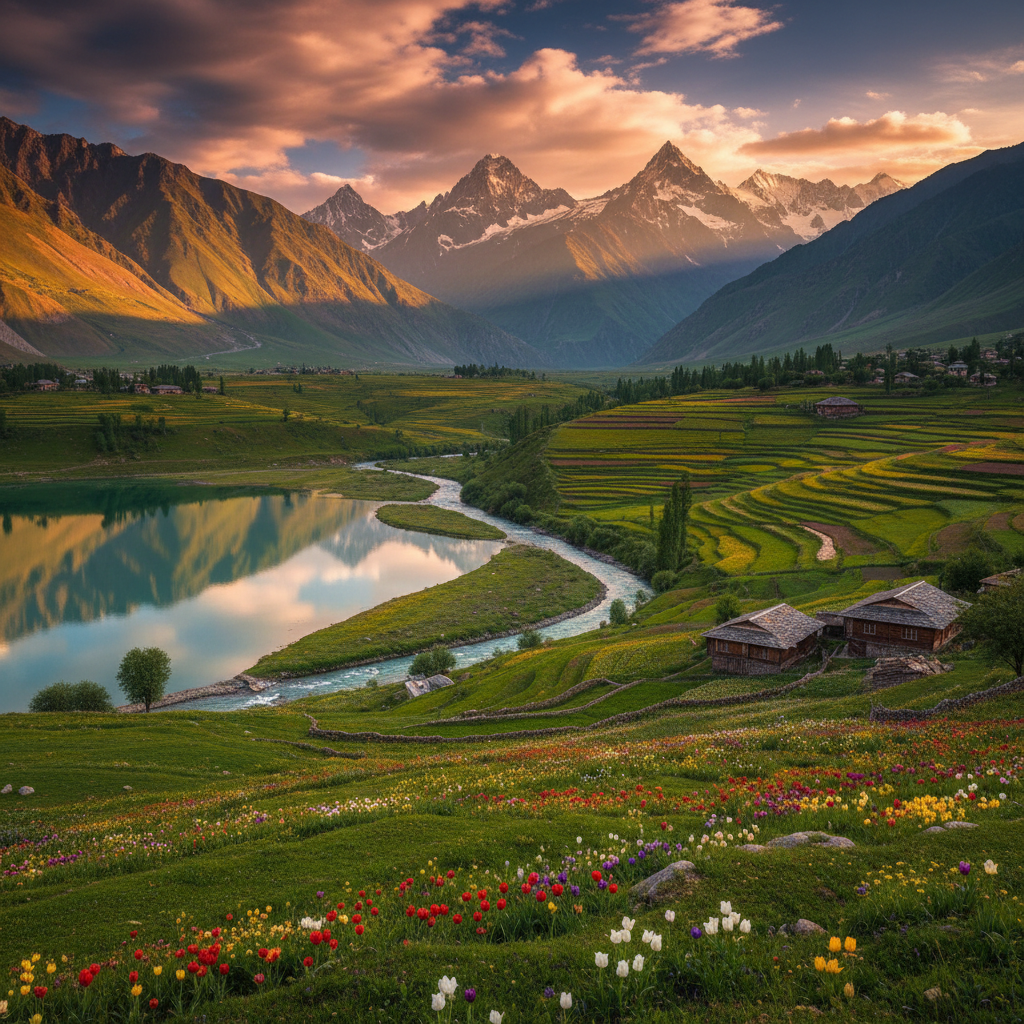
Nestled in the northern reaches of Kashmir, beyond the more frequented paths of Gurez Valley, lies the breathtaking Tulail Valley. This remote sub-valley of Gurez is a true hidden gem, offering an unparalleled experience for intrepid travelers seeking untouched natural beauty and serene landscapes. Unlike the bustling tourist spots, Tulail remains largely unspoiled, characterized by its pristine rivers, dense pine forests, and dramatic mountain backdrops. It's a place where time seems to slow down, and the rhythms of nature dictate daily life. Imagine emerald meadows stretching as far as the eye can see, punctuated by traditional wooden houses and the gentle murmur of the Kishenganga (Neelum) River. This is the Tulail Valley – an adventurer's dream and a photographer's paradise. If you yearn for genuine tranquility, a deep connection with nature, and the thrill of exploring an offbeat destination, Tulail Valley offers an experience that will stay with you long after your journey ends. It's not just a place to visit, but a place to truly immerse yourself.
Who Will Love Tulail Valley and Best Time to Visit
Tulail Valley is an ideal destination for adventure seekers, trekkers, nature enthusiasts, photographers, and anyone looking to escape the crowds and experience a different side of Kashmir. If you enjoy hiking, camping under starry skies, and engaging with local communities in a pristine natural setting, this valley is perfect for you. It's especially suited for those with a reasonable level of physical fitness, as exploring its depths often involves walking and sometimes trekking. The best time to visit Tulail Valley is during the summer months, from May to September. During this period, the weather is pleasant, with temperatures ranging from 15°C to 25°C, making it perfect for outdoor activities. The snow has melted, revealing lush green meadows, and the river is in full flow. The roads are also generally clear and accessible. While Tulail can be stunning in early autumn (October) with its golden hues, heavy snowfall common from late October onwards can block roads and make access impossible. Winter is extremely harsh, and the valley becomes cut off from the rest of the world due to snow, so summer is definitely the prime window for exploration.
Planning Your Journey: Step-by-Step to Tulail's Heart
Reaching Tulail Valley requires careful planning due to its remote location. Your journey typically begins in Srinagar. From Srinagar, the first leg is a drive to Dawar in Gurez Valley, which is approximately 6-7 hours. The road conditions can vary, with some stretches being rough, especially after heavy rains. Once you reach Dawar, you'll need to arrange further transport to venture deeper into Tulail. The road from Dawar to Tulail Valley is unpaved in many sections and follows the Kishenganga River. This stretch is around 40-50 kilometers to villages like Chakwali or Purana Tulail, and can take another 2-3 hours depending on the jeep and road conditions. There are no regular bus services, so hiring a private taxi or a shared jeep from Dawar is essential. It's advisable to arrange your transport beforehand through a local operator or directly from Dawar. Always carry sufficient cash as ATMs are non-existent beyond Dawar. Due to the proximity to the Line of Control (LoC), permits were previously required for foreign nationals, and sometimes for Indian citizens too. While rules can change, it's always wise to check the latest permit requirements with local authorities or your tour operator before your trip. Always keep valid ID proofs handy.
Exploring Tulail: Activities, Treks, and Local Insights
Tulail Valley offers a wealth of experiences for the adventurous soul. The primary draw is undoubtedly trekking. From villages like Chakwali and Purana Tulail, numerous trails branch out, ranging from easy riverside walks to more challenging high-altitude treks leading to hidden pastures and glacial lakes. One popular, albeit challenging, trek is to the Sarbal Lake, known for its pristine beauty and solitude. Another option is simply exploring the picturesque villages, interacting with the friendly Dardi people, and observing their unique culture and lifestyle. The Kishenganga River is perfect for peaceful riverside walks and photography. Opportunities for trout fishing also exist, though permits might be required. Birdwatching is another rewarding activity, as the valley is home to various Himalayan species. Horse riding can often be arranged with local guides. Remember, this is an area of raw natural beauty, so embrace the simplicity and disconnect from urban life. A local guide is highly recommended, not just for navigation but also for cultural insights and safety, especially on longer treks into unknown terrain. They can introduce you to local customs, help with communication, and share stories of the valley.
Accommodation and Dining in Tulail Valley
Accommodation options in Tulail Valley are basic and limited, echoing its untouched nature. There are no luxury hotels or resorts. Your primary choices will be local guesthouses, homestays, or camping. In villages close to the main route, like Chakwali, you might find a few humble guesthouses offering very basic rooms. Homestays are an excellent way to experience local culture and hospitality, where families might offer a room in their traditional wooden homes. This provides an authentic insight into the Dardi way of life. For the more adventurous, camping is a fantastic option, allowing you to truly immerse yourself in the wilderness. There are many scenic spots along the river where you can pitch a tent, but always seek permission from locals if camping near a village or on private land. As for dining, do not expect restaurants. Meals will mostly be simple, home-cooked Kashmiri or local Dardi cuisine, prepared by your hosts in homestays or guesthouses. Expect staple dishes like rice, local vegetables, pulses, and occasionally meat. It is highly advisable to carry some dry snacks, energy bars, and a water purification method, as supplies are scarce deeper into the valley. Embrace the opportunity to sample authentic local flavours.
Estimated Costs and Budget for a Tulail Adventure
A trip to Tulail Valley requires budgeting for transport, accommodation, food, and permits (if applicable). Expect your primary cost to be transportation. A private taxi from Srinagar to Dawar can cost anywhere from INR 5,000 to INR 8,000 one-way, depending on the vehicle type and season. From Dawar to deeper Tulail villages like Chakwali, a private jeep might cost an additional INR 2,000 to INR 4,000 for a round trip for the day, or more if you keep the vehicle for multiple days. Shared jeeps are cheaper, costing around INR 300 to INR 500 per person from Dawar if available and you don't mind waiting. Accommodation in basic guesthouses or homestays generally ranges from INR 1,000 to INR 2,500 per night, including simple meals. Camping, of course, cuts down on this cost, but you'll need your own gear. Factor in around INR 500-800 per person per day for food if not included in accommodation. If hiring a local guide for treks, budget INR 1,500 to INR 3,000 per day, depending on the duration and difficulty of the trek. Overall, for a 3-4 day trip focusing on Tulail (after reaching Dawar), you could be looking at an approximate budget of INR 10,000 to INR 25,000 per person, excluding your travel to/from Srinagar. This figure can vary significantly based on your choices of transport and comfort level. Always carry enough cash as digital payment options are non-existent.
What to Pack and Essential Safety Tips for Tulail
Packing smart is crucial for a trip to Tulail Valley. Given its remote nature and varying weather, layering is key. Carry warm clothing, even in summer, as evenings can be cool. Essential items include waterproof and windproof jackets, comfortable hiking boots with good ankle support, extra socks, a sturdy backpack, a first-aid kit with personal medications, a headlamp or flashlight, a power bank, sunscreen, insect repellent, and a water bottle or purification tablets/filter. Don't forget a camera to capture the stunning landscapes. For safety, always inform someone of your itinerary, especially when venturing on treks. It's highly recommended to hire a local guide for any serious hiking, as paths are not clearly marked, and cellular network coverage is extremely limited or non-existent in many parts of the valley. Being a border area, stick to established routes and never wander off into restricted zones. Respect local customs and traditions, and always ask for permission before photographing people. Drink plenty of water and stay hydrated, especially at higher altitudes. The local people are very hospitable, but always be respectful and mindful of their way of life. This preparation will ensure a safe and enjoyable journey into Tulail's pristine wilderness.
Common Mistakes to Avoid and Maximizing Your Experience
To truly enjoy Tulail Valley, avoid a few common pitfalls. Firstly, do not underestimate the travel time and road conditions. Rushing your journey or making unrealistic plans can lead to exhaustion and disappointment. Factor in buffer time for unexpected delays. Secondly, relying solely on mobile networks is a mistake; carry offline maps and inform others about your plans. Thirdly, neglecting to carry enough cash is a major issue as ATMs are far away. Always have sufficient Indian Rupees. Fourthly, being unprepared for varying weather: even summer days can have cool evenings or sudden showers. Pack layers and rain gear. Lastly, not engaging with locals. The Dardi people are incredibly welcoming; a genuine interaction can be the highlight of your trip. To maximize your experience, consider traveling with a local Kashmiri tour operator like Mid Holidays. Our expertise in offbeat destinations ensures seamless arrangements, an authentic experience, and critical support in a remote region. We handle permits, transport, and connect you with trustworthy local guides, allowing you to soak in the beauty stress-free. Our tailor-made packages focus on respectful, sustainable tourism, ensuring both your comfort and the preservation of Tulail’s pristine charm. Explore our customized Tulail Valley trekking and cultural immersion packages on kashmir.midholidays.in/tulail-valley today!
Related Kashmir Guides & Services
<p>Planning the rest of your trip? These Mid Holidays guides pair well with this article:</p><ul><li><a href="/blog/warwan-valley-tour">Warwan Valley Tour: Your Ultimate Guide to Kashmir's Hidden Gem</a></li><li><a href="/blog/best-time-to-visit-bangus-valley-kashmir">Best Time to Visit Bangus Valley: Your Ultimate Guide to Kashmir's Hidden Gem</a></li><li><a href="/blog/lolab-valley-tour">Lolab Valley Tour: Your Ultimate Guide to Kashmir's Hidden Gem</a></li><li><a href="/blog/kashmir-travel-plan-ultimate-guide">Your Ultimate Kashmir Travel Plan: A 7-Day Itinerary Guide</a></li><li><a href="/blog/warwan-valley-kashmir-hidden-paradise-trek">Warwan Valley Kashmir: Your Guide to a Hidden Paradise Trek</a></li></ul>
Frequently Asked Questions
Is Tulail Valley safe for tourists?
Yes, Tulail Valley is generally considered safe for tourists, especially when traveling with a local guide or tour operator. Being a border area, security forces have a presence, and certain restrictions apply. It's crucial to adhere to all local regulations, avoid straying into unmarked areas, and always carry valid identification. Cellular network can be unreliable, so it's wise to inform someone of your itinerary before venturing deep into the valley. With common-sense precautions, you can enjoy a safe and serene trip.
What kind of transportation is available within Tulail Valley?
Within Tulail Valley, transportation is very basic. There are no regular public buses. You will primarily rely on shared jeeps (Sumos or Boleros) that ply between the main villages like Dawar and deeper into Tulail, or hire private jeeps if available. These are mostly owned by locals. For exploring beyond the main road, walking and trekking are the primary modes of transport. Horses can sometimes be arranged with local guides for short distances or to carry luggage on certain trails. Pre-booking transport from Dawar is highly recommended.
Are there any specific permits required to visit Tulail Valley?
While regulations can change, previously foreign nationals required permits to visit Gurez and Tulail Valley due to their proximity to the Line of Control (LoC). Indian nationals might also have had to register with local authorities. It is highly advisable to check the latest permit requirements with the local administration or your tour operator (like Mid Holidays) well in advance of your trip. Always carry original valid ID proofs, such as Aadhar Card or Passport, as these will be checked at various checkpoints.
What is the cultural significance of Tulail Valley?
Tulail Valley holds significant cultural importance as home to the Dardi (or Shin-Dard) people, an ancient Indo-Aryan ethnic group with a distinct language, culture, and traditions. Their unique wooden houses, traditional attire, and oral traditions offer a fascinating glimpse into a way of life that has remained deeply connected to the land for centuries. Interacting with the Dardi community provides a rich cultural immersion, offering fresh perspectives on Kashmiri heritage beyond the typical tourist narratives.
Can I find a local guide in Tulail Valley?
Yes, finding a local guide in Tulail Valley is possible and highly recommended, especially for trekking or venturing off the main road. The best place to inquire would be in Dawar (Gurez Valley) or the larger villages within Tulail itself. Local guest house owners or homestay hosts can often connect you with experienced guides from the community. A local guide not only ensures your safety and helps with navigation but also provides invaluable cultural insights and helps bridge communication barriers with the Dardi-speaking locals.
What kind of mobile network connectivity can I expect in Tulail?
Mobile network connectivity in Tulail Valley is very limited and often non-existent in many areas. While you might get intermittent coverage in Dawar (Gurez Valley), as you move deeper into Tulail, forget about stable internet or phone signals. BSNL is generally the most likely network to offer any sporadic service closer to Dawar, but even that is not guaranteed. It's best to prepare for a digital detox and plan your communication in advance, informing family and friends about potential communication gaps.