Ladakh 7-Days Itinerary: Your Ultimate Adventure Guide by Mid Holidays
Ladakh Tour Planning
Plan your dream Ladakh 7-Days Itinerary with Mid Holidays. Discover Leh, Nubra Valley, Pangong Lake and more with our expert guide for an unforgettable…
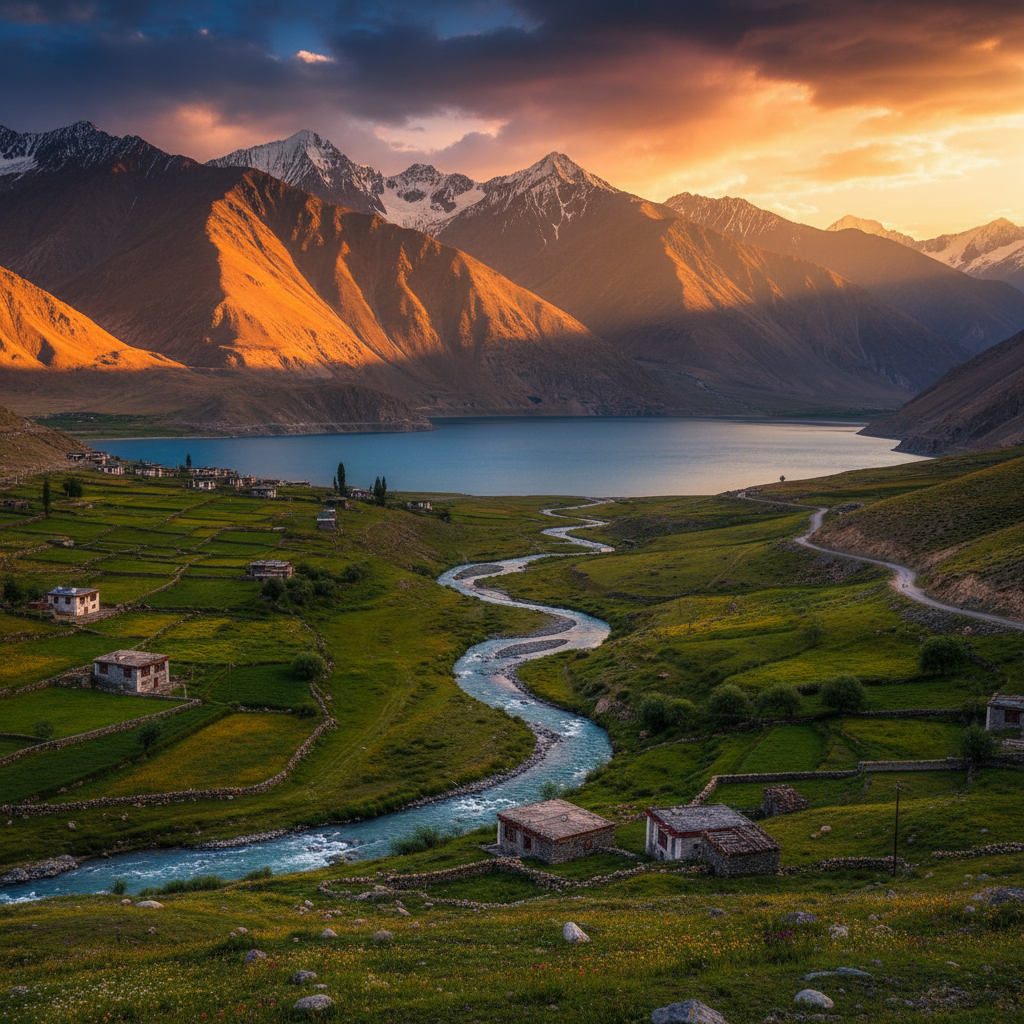
Ladakh 7-Days Itinerary: An Overview for the Adventurous Soul
Ladakh, the 'Land of High Passes,' offers an unparalleled experience for those seeking adventure, spiritual solace, and breathtaking landscapes. A 7-day itinerary strikes a perfect balance, allowing you to acclimate to the high altitude while exploring its iconic monasteries, serene lakes, and vast desert valleys. This guide is crafted for first-time visitors and seasoned travellers alike, ensuring a memorable journey through this mesmerising region. Our focus is on providing a realistic, experience-led plan, considering both comfort and the thrilling challenges Ladakh presents. We’ll cover essential acclimatisation, must-see sights, and practical tips that only local experts know. This isn't just a list of places; it's a step-by-step blueprint for a hassle-free and enriching adventure, ensuring you make the most of every moment in this high-altitude desert.
Best Time to Plan Your 7-Day Ladakh Adventure
The ideal time for a 7-day Ladakh itinerary is from May to October. During these months, the Srinagar-Leh and Manali-Leh highways are open, offering scenic road trip options. May and early June present a landscape just emerging from winter, with patches of snow still visible, especially at higher passes. July to September are peak tourist months, with pleasant weather, clear skies, and vibrant green valleys, making it perfect for sightseeing and photography. The temperature ranges from a comfortable 15-25°C during the day, dropping to 5-10°C at night. October brings a crisp, chilly atmosphere with autumn colours, though some passes might start seeing early snowfall by the end of the month. Avoid winter (November to April) unless you're specifically seeking a frozen wonderland experience, as most roads are closed, and temperatures plummet to sub-zero, making travel much more challenging and limited to air access.
Day-by-Day Ladakh 7-Days Itinerary: From Arrival to Departure
This meticulously planned 7-day itinerary ensures optimal acclimatisation and covers Ladakh's highlights. Day 1: Arrive at Leh Kushok Bakula Rimpochee Airport (IXL), transfer to your hotel, and spend the entire day resting for acclimatisation. Short walks around the hotel are fine, but avoid strenuous activity. Day 2: Leh local sightseeing after a leisurely morning. Visit Shanti Stupa, Leh Palace, and the bustling Leh Market. Experience the local culture and architecture. Day 3: Drive to Nubra Valley via Khardung La Pass (approx. 5-6 hours, including stops). Check into a camp or guesthouse in Hunder. Enjoy a double-humped camel ride in the sand dunes. Day 4: Explore Nubra Valley further, visiting Diskit Monastery with its towering Buddha statue. Return to Leh. Day 5: Excursion to Pangong Tso (Lake) via Chang La Pass (approx. 5-6 hours one way). Spend time by the mesmerising blue lake and return to Leh by evening. Day 6: Explore monasteries around Leh – Shey, Thiksey, and Hemis Monasteries. Later, visit the Magnetic Hill, Gurudwara Pathar Sahib, and the Confluence of Indus and Zanskar Rivers. Day 7: Depart from Leh. This itinerary is designed to minimise travel fatigue and maximise your experience in Ladakh's high-altitude environment.
Estimated Costs & Budget Breakdown for a 7-Day Ladakh Trip
A 7-day Ladakh trip can range from INR 25,000 to INR 50,000 per person, excluding flights, depending on your travel style. Accommodation: Budget guesthouses cost INR 1,500-3,000 per night, mid-range hotels INR 3,000-6,000, and luxury stays INR 8,000+. Expect higher prices for Nubra camps. Transport: A private taxi for the entire 7 days (SUV, e.g., Innova) can cost INR 25,000-35,000, covering all major routes (Leh-Nubra-Pangong-Leh local). Shared taxis or public buses are significantly cheaper but less flexible. Inner Line Permits (ILP): Approximately INR 600-800 per person for a 7-day trip. Food: Budget around INR 800-1,500 per person per day for local eateries and mid-range restaurants. Activities: Camel rides in Hunder are around INR 300-500. Entry fees to monasteries are nominal (INR 30-100 per person). Miscellaneous: Keep a buffer of INR 5,000-10,000 for souvenirs, emergencies, and personal expenses. Remember, costs can fluctuate based on season and availability.
How to Reach Ladakh and Getting Around for Your Week-Long Tour
The most common and recommended way to reach Leh for a 7-day itinerary is by flight to Leh Kushok Bakula Rimpochee Airport (IXL) from major Indian cities like Delhi, Mumbai, and Srinagar. This is crucial for rapid ascent and requires strict acclimatisation on arrival. Airfares vary but expect INR 7,000-15,000 one way from Delhi, depending on booking time. For getting around Ladakh, taxis are the most convenient option. Pre-booking a private taxi for your entire 7-day trip through Mid Holidays or a local operator is highly recommended for comfort and flexibility. This typically includes airport transfers, all sightseeing, and inter-valley travel. Rates are regulated by the Leh Taxi Union. Alternatively, shared taxis are available for popular routes like Leh to Nubra and Pangong, but they operate on fixed timings and might not offer door-to-door service. Public buses are the cheapest but least frequent and offer limited flexibility, often not suitable for a packed 7-day itinerary. Self-driving is not advisable for first-timers due to challenging terrain and high altitude.
Where to Stay and Eat in Ladakh for a Comfortable 7-Day Journey
In Leh, you'll find a wide range of accommodation, from budget guesthouses like The Charu Palace or Zostel to mid-range hotels such as Hotel Shambha La or The Grand Dragon Ladakh for more luxury. Most accommodations offer comfortable rooms, heating during colder months, and often provide oxygen cylinders for emergencies. It's advisable to choose a hotel or guesthouse that provides good heating and comfortable bedding, especially during shoulder seasons. In Nubra Valley (Hunder or Diskit), camping is a popular choice, with options ranging from basic tents to luxurious Swiss tents with attached washrooms. Guesthouses are also available. For dining, Leh offers a diverse culinary scene. Try local Ladakhi cuisine like Thukpa, Momos, and Skyu at places like The Tibetan Kitchen or Gesmo Restaurant. Cafes like Bon Appetit offer international fare with stunning views. Along the Leh-Manali and Leh-Srinagar highways, and on routes to Nubra and Pangong, you'll find small eateries (dhabas) serving basic but hearty meals, including Maggi, dal-rice, and local bread. Always carry some dry snacks and water, especially during long drives.
Packing Essentials and Acclimatisation Tips for High Altitude
Packing for Ladakh requires careful consideration due to extreme weather fluctuations. Essential items include layers of warm clothing (thermals, fleece jackets, down jacket), comfortable walking shoes, a sturdy backpack, a woollen cap, gloves, and sunglasses (essential to protect eyes from harsh UV rays and glare). Don't forget sunscreen (SPF 50+), lip balm, and a basic first-aid kit with pain relievers, band-aids, and any personal medications. A power bank is crucial as electricity can be intermittent in remote areas. For acclimatisation, the golden rule is 'rest on day one.' Avoid alcohol, smoking, and strenuous activities immediately after arrival. Drink plenty of water and fluids (non-alcoholic) to stay hydrated. Eat light meals. If you experience symptoms of Acute Mountain Sickness (AMS) like headache, nausea, or dizziness, inform your guide or hotel staff immediately. Diamox can be taken as a prophylactic, but consult your doctor beforehand. Gradual ascent is key, which this 7-day itinerary facilitates by keeping Leh as your base for the initial days.
Safety, Local Etiquette, and Common Mistakes to Avoid in Ladakh
Safety in Ladakh primarily revolves around respecting the altitude and local conditions. Always travel with a reputable operator. Carry valid ID, Inner Line Permits, and medical certificates if required. Inform your family/friends about your itinerary. Respect local customs: dress modestly, especially when visiting monasteries (shoulders and knees covered). Always ask for permission before taking photos of people. Do not disturb wildlife or litter. Avoid loud music in public places. Common mistakes include overexerting on the first day, not drinking enough water, ignoring AMS symptoms, and not carrying enough cash (ATMs are limited outside Leh). Another significant mistake is not obtaining Inner Line Permits in advance, which are mandatory for visiting Nubra, Pangong, and other restricted areas. These can be obtained online or through your tour operator. Lastly, avoid negotiating aggressively with locals, especially taxi drivers, as rates are often fixed and livelihoods depend on it. Be patient and understanding, and you'll have a much smoother and more enjoyable journey. Our Mid Holidays packages ensure all necessary permits are handled seamlessly.
Your Dream Ladakh 7-Days Itinerary Awaits with Mid Holidays
Embarking on a 7-day journey through Ladakh is an experience that will stay with you long after you've left its majestic peaks. This guide provides a comprehensive framework, combining thrilling adventures with essential practicalities, ensuring you're well-prepared for the 'Land of High Passes.' From acclimatising in Leh to the mesmerising blues of Pangong Lake and the unique landscapes of Nubra Valley, every day promises a new discovery. By following these guidelines on packing, acclimatisation, and local etiquette, you're set for a safe, comfortable, and truly unforgettable trip. Remember, Ladakh is not just a destination; it's a journey into a different world, where ancient cultures meet breathtaking nature. For a truly tailored and hassle-free Ladakh 7-days itinerary, complete with expert guides, comfortable accommodation, and all necessary permits, explore our diverse Ladakh tour packages at Mid Holidays. We’re here to turn your dream Ladakh adventure into a reality.
Related Kashmir Guides & Services
<p>Planning the rest of your trip? These Mid Holidays guides pair well with this article:</p><ul><li><a href="/blog/how-to-plan-kashmir-trip-from-delhi">How to Plan a Dream Kashmir Trip from Delhi: A Local's Guide</a></li><li><a href="/blog/leh-ladakh-best-time-to-visit-month-wise">Leh Ladakh Best Time to Visit Month-Wise: Your Ultimate Guide</a></li><li><a href="/blog/leh-to-chang-la-taxi-service">Leh to Chang La Taxi Service: Your Ultimate High-Altitude Journey Guide</a></li><li><a href="/blog/kishtwar-travel-guide-kashmir-hidden-paradise">Kishtwar Travel Guide: Explore Kashmir's Hidden Paradise with Mid Holidays</a></li><li><a href="/blog/kashmir-travel-plan-ultimate-guide">Your Ultimate Kashmir Travel Plan: A 7-Day Itinerary Guide</a></li></ul>
Frequently Asked Questions
Is 7 days enough for a Ladakh trip?
Yes, 7 days is generally considered a good duration for a first-time visit to Ladakh. It allows sufficient time for acclimatisation in Leh (crucial for high altitude) and covers the major highlights like Nubra Valley and Pangong Lake without feeling rushed. While more days would allow for deeper exploration, a well-planned 7-day itinerary ensures you experience the essence of Ladakh comfortably.
What are the key places covered in a typical 7-day Ladakh itinerary?
A standard 7-day Ladakh itinerary usually covers Leh (for acclimatisation and local sightseeing including Shanti Stupa, Leh Palace), Nubra Valley (via Khardung La, with attractions like Hunder sand dunes and Diskit Monastery), and Pangong Lake (via Chang La Pass). It also often includes other significant monasteries like Thiksey and Hemis, and points of interest like Magnetic Hill and the Indus-Zanskar Confluence.
What is the best way to manage high altitude sickness during a 7-day Ladakh trip?
Effective management of high altitude sickness (AMS) is crucial. On day one, upon arrival in Leh, ensure complete rest. Avoid strenuous activities, alcohol, and smoking. Drink plenty of water and stay hydrated. Eat light meals. If symptoms like headache, nausea, or dizziness persist or worsen, seek immediate medical attention. Consult your doctor about taking Diamox as a prophylactic before your trip.
Do I need a special permit for a 7-day Ladakh tour?
Yes, Indian nationals require an Inner Line Permit (ILP) to visit certain protected areas within Ladakh, including Nubra Valley, Pangong Lake, and Changthang region. Foreign nationals require a Protected Area Permit (PAP). These permits can be obtained online or through your tour operator in Leh. It's advisable to get them in advance to avoid delays during your 7-day trip.
What type of clothing should I pack for a 7-day Ladakh trip?
Due to varying temperatures, pack in layers. Include thermals, warm fleece jackets, a heavy down jacket, and comfortable hiking shoes. Also, carry woollen caps, gloves, and sunglasses for sun protection. Even in summer, evenings can be chilly, especially at higher altitudes like Pangong Tso or Nubra Valley. Don't forget sunscreen and lip balm.
Is it possible to do a self-drive trip for 7 days in Ladakh?
While possible for experienced mountain drivers, self-driving for a 7-day Ladakh itinerary is generally not recommended for first-timers. The terrain is challenging, roads can be unpredictable, and high altitude can affect concentration. It's safer and more convenient to hire a local taxi with an experienced driver who knows the routes and local conditions, allowing you to enjoy the scenery stress-free.
What kind of food should I expect in Ladakh during my week-long stay?
In Leh, you'll find a mix of Ladakhi, Tibetan, Indian, and international cuisines. Traditional Ladakhi dishes include Thukpa (noodle soup), Momos (dumplings), and Skyu (a local stew). In smaller villages and camps, options might be more limited to basic Indian fare. Always carry some dry snacks, energy bars, and plenty of water, especially during long drives to remote areas.