Ladakh River Rafting Season Guide: Best Time for Adventure
Adventure Travel Guide
Planning a white-water rafting adventure in Ladakh? Our guide details the best season for river rafting, what to expect on the Indus and Zanskar rivers, and…
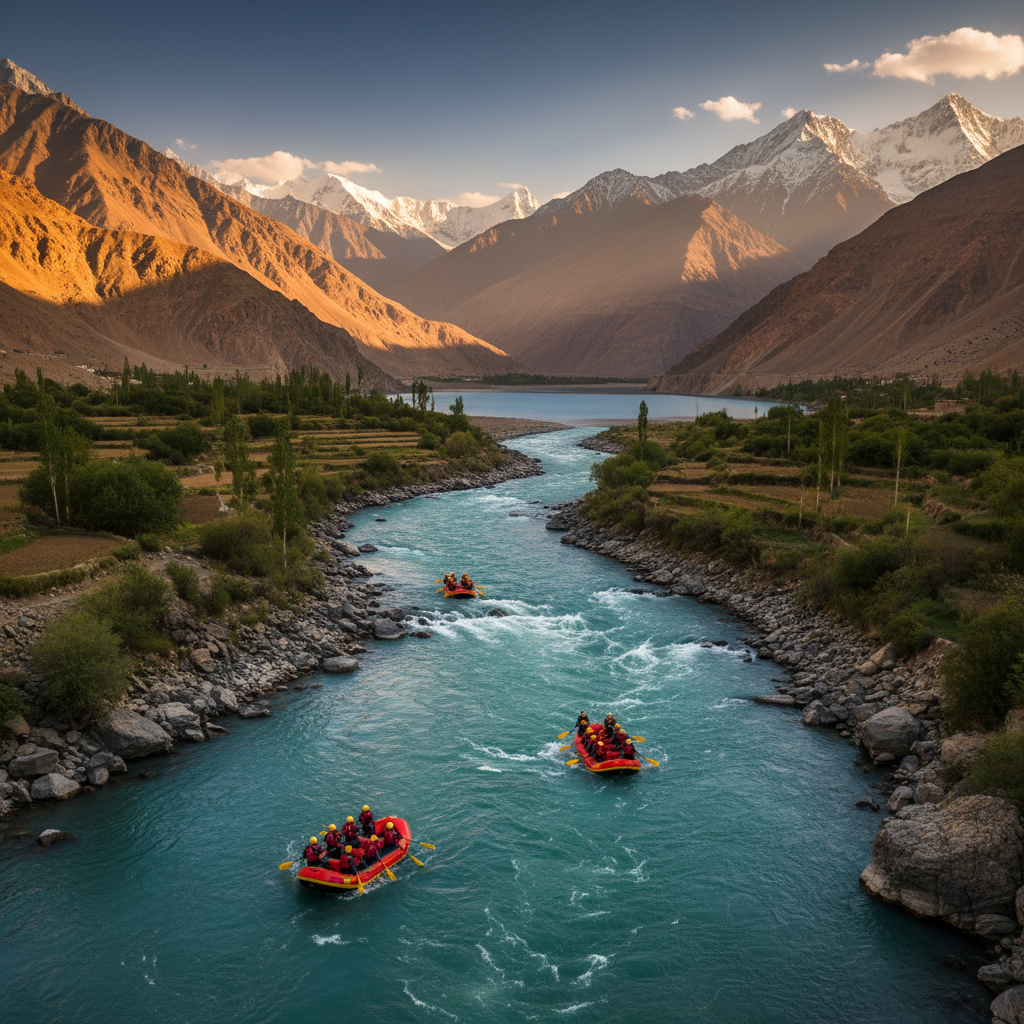
Overview: Unveiling Ladakh's White-Water Wonderland
Ladakh, the land of high passes, isn't just about ancient monasteries and stark mountain landscapes; it's also a thrilling hub for white-water rafting. Imagine navigating crystal-clear glacial waters, surrounded by dramatic canyons and breathtaking scenery – that's the magic of rafting on the Indus and Zanskar rivers. These mighty rivers offer a spectrum of experiences, from gentle floats suitable for families to adrenaline-pumping rapids that challenge even seasoned rafters. This guide is crafted to help you understand the nuances of the Ladakh river rafting season, ensuring you pick the perfect time for your adventure. Whether you're a first-timer seeking a scenic drift or an expert craving Class IV thrills, knowing the seasonal variations, water levels, and weather conditions is paramount for a safe and unforgettable journey. We'll delve into what each month brings, the specific stretches of river you can explore, and how to best prepare for this unique high-altitude water sport. Mid Holidays, with our deep local expertise, aims to provide you with all the insights needed to plan your ideal rafting trip in this spectacular region.
Best Time to Go: Decoding the Ladakh Rafting Season
The prime window for white-water rafting in Ladakh generally spans from late May to late September. However, within this period, conditions vary significantly, impacting the difficulty, scenery, and overall experience. The early season, late May to June, sees the rivers fed by melting snow, leading to higher water levels and more challenging rapids on certain stretches. This is often preferred by experienced rafters. July and August are peak season, characterized by stable weather, moderate water levels (though monsoon rains, if any, can cause temporary surges), and warmer temperatures, making it ideal for most adventurers, including beginners and families. As September rolls in, water levels start to recede, and the weather becomes crisp, offering clear skies and stunning autumn colours along the riverbanks, though temperatures drop, especially after sunset. It's crucial to understand that 'best time' is subjective and depends on your skill level and desired intensity. Always consult with a local operator like Mid Holidays for the most current river conditions before finalising your plans, as glacial melt and rainfall can cause swift changes.
River Choices: Indus vs. Zanskar – What to Expect
Ladakh offers two primary rivers for rafting: the Indus (Sindhu) and the Zanskar. Each presents a distinct experience. The Indus River, often considered the lifeline of Ladakh, offers relatively calmer stretches, particularly around Nimmoo and Saspol, with rapids generally ranging from Class I to III. This makes it an excellent choice for families, beginners, and those seeking a scenic float rather than an extreme adrenaline rush. The most popular section for day trips is from Phey to Nimmoo, offering stunning views of monasteries and villages. The Zanskar River, on the other hand, is renowned for its more formidable white-water. Its confluence with the Indus at Nimmoo marks a dramatic change in character, with sections featuring Class III to IV+ rapids. The Zanskar gorge rafting expedition, particularly the section from Padum to Nimmoo (often a multi-day trip), is legendary among experienced rafters for its challenging waters and breathtaking, remote canyons. The choice between Indus and Zanskar largely depends on your rafting experience and appetite for adventure. The Zanskar usually has a slightly shorter rafting season due to its higher altitude and more remote access, typically from July to early September.
Early Season Thrills: Rafting in May and June
Rafting in late May and June in Ladakh offers a unique and exhilarating experience, primarily due to the increased water volume from melting snow. This period is when the rivers, especially the Indus, swell, creating more powerful rapids and a faster flow. For experienced rafters seeking a challenge, this can be an ideal time. The Phey-Nimmoo stretch on the Indus might see more consistent Class III rapids, providing a good dose of excitement. However, the Zanskar River, particularly the remote Zanskar Gorge, might still be difficult to access in late May due to lingering snowmelt blockages on the roads leading to put-in points like Padum. By June, access to the Zanskar usually improves, offering its challenging sections. Temperatures during this time are generally cool, especially in the mornings and evenings, so proper layering of warm clothing underneath your wetsuit is essential. While the scenery is still largely barren, the mountains are often capped with pristine snow, adding to the dramatic backdrop. Due to the higher water levels, safety precautions are even more stringent, and it's imperative to go with certified and experienced operators who understand the river dynamics of this early season.
Peak Season Adventure: July and August Rafting
July and August represent the peak season for white-water rafting in Ladakh, offering the most stable and favourable conditions for a wide range of participants. During these months, the weather is generally warmer and sunnier, making the experience of being on the water more comfortable. Water levels, while still robust, tend to be more consistent than in the early season, leading to well-defined rapids that are both exciting and predictable for certified guides. The Indus River sections, such as Phey-Nimmoo, are perfect for families and beginners looking for a half-day or full-day trip with Class II-III rapids. The Zanskar River also becomes fully accessible, and its iconic multi-day expedition through the Zanskar Gorge is at its prime. This is the best time for those seeking the ultimate adventure, with Class III-IV+ rapids navigating through stunning, remote canyons. Due to the popularity of these months, it's advisable to book your rafting expeditions well in advance, especially if you're targeting specific dates or multi-day Zanskar trips. The vibrant green of the irrigated fields contrasts beautifully with the stark mountains, making for incredibly picturesque scenery during your rafting journey.
Late Season Charm: September Rafting Expeditions
As September arrives, the Ladakh rafting season transitions into its late phase, offering a different kind of charm. The frantic snowmelt subsides, and water levels in both the Indus and Zanskar rivers gradually begin to drop. While the rapids might be slightly less intense compared to the early season, they remain engaging and enjoyable, typically ranging from Class II to III on the Indus and Class III to IV on the Zanskar. What truly sets September apart is the weather and the visual spectacle. The days are usually bright and clear, with crisp, refreshing air. More importantly, the valley begins to show signs of autumn, with poplars and willows turning golden, creating a breathtaking contrast against the azure sky and the barren mountains. This period is often favoured by photographers and those who appreciate cooler temperatures and fewer crowds. However, it's important to be prepared for colder water and air temperatures, especially on multi-day trips and towards the end of the month. Always pack extra layers and waterproof gear. Accessibility to remote sections of the Zanskar might start to become a concern towards late September as higher passes prepare for winter closures, so plan accordingly.
Safety First: Essential Tips for Ladakh Rafting
Safety is paramount when undertaking any adventure sport, and white-water rafting in Ladakh is no exception, especially given the high-altitude environment and glacial waters. Firstly, always choose a reputable and licensed rafting operator like those partnered with Mid Holidays. Ensure their guides are certified, experienced, and knowledgeable about the specific river stretches. Always wear a well-fitting life jacket (Personal Flotation Device or PFD) and a helmet, provided by the operator. Listen carefully to your guide's instructions before and during the trip; they are experts in navigating the rapids and ensuring your safety. It's crucial to acclimate to the high altitude for at least 2-3 days before attempting any strenuous activity, including rafting, to avoid Acute Mountain Sickness (AMS). Inform your guide about any medical conditions or swimming abilities. Be prepared for cold water temperatures; wetsuits are usually provided and highly recommended. Carry waterproof bags for essentials like cameras and phones, and pack sunscreen, sunglasses, and a hat. Avoid alcohol consumption before and during the trip. By adhering to these safety guidelines, you can fully enjoy the thrill of Ladakh's white waters responsibly.
Planning Your Rafting Trip: Logistics and Costs
Planning a rafting trip in Ladakh involves several logistical considerations. Firstly, decide on your preferred river (Indus or Zanskar) and the duration (half-day, full-day, or multi-day expedition) based on your experience and time. Most day trips on the Indus depart from Leh, with pick-up and drop-off included in the package. Multi-day Zanskar expeditions require more extensive planning, including transport to remote put-in points, camping gear, and provisions. Booking in advance, especially for peak season (July-August) and multi-day Zanskar trips, is highly recommended to secure your spot and ensure availability of experienced guides. Costs for a half-day Indus rafting trip typically range from INR 2,000 to 4,000 per person, including transport, gear, and guide. Full-day trips might range from INR 3,500 to 6,000. Multi-day Zanskar expeditions are significantly more expensive, often starting from INR 15,000 to 30,000+ per person for 3-5 days, depending on inclusions like camping equipment, food, and support staff. Always clarify what's included in your package. Ensure your chosen operator provides quality, well-maintained equipment and has proper emergency protocols in place. Mid Holidays can help you arrange a memorable and safe rafting experience tailored to your preferences.
Related Kashmir Guides & Services
<p>Planning the rest of your trip? These Mid Holidays guides pair well with this article:</p><ul><li><a href="/blog/zanskar-river-rafting-guide">Zanskar River Rafting Guide: Your Ultimate Adventure with Mid Holidays</a></li><li><a href="/blog/best-month-to-visit-gurez-valley">Best Month to Visit Gurez Valley: Your Ultimate Mid Holidays Guide</a></li><li><a href="/blog/zanskar-valley-travel-guide">Zanskar Valley Travel Guide: A Journey to Ladakh's Remote Heart</a></li><li><a href="/blog/leh-ladakh-best-time-to-visit-month-wise">Leh Ladakh Best Time to Visit Month-Wise: Your Ultimate Guide</a></li><li><a href="/blog/best-time-vaishno-devi-yatra">Best Time for Vaishno Devi Yatra: Your Ultimate Guide (2026)</a></li></ul>
Frequently Asked Questions
Is river rafting in Ladakh safe for beginners?
Yes, river rafting in Ladakh can be safe for beginners, especially on the Indus River. Stretches like Phey to Nimmoo offer Class I-III rapids, which are exciting yet manageable for those with no prior experience. Reputable operators provide certified guides, safety briefings, and all necessary gear like life jackets and helmets. Choosing a trusted company and following your guide's instructions closely are key to a safe and enjoyable first-time rafting adventure.
What kind of clothing should I wear for rafting in Ladakh?
For rafting in Ladakh, it's best to wear quick-drying synthetic clothing. Wetsuits are typically provided by operators to combat the cold glacial water and are highly recommended. Underneath, wear swimwear or light, moisture-wicking layers. Bring a change of warm, dry clothes for after the trip, including a fleece or jacket, as temperatures can drop, especially in the early and late season. Sunglasses, sunscreen, and a hat are also advisable.
Do I need to know swimming to go rafting in Ladakh?
While it's not strictly mandatory to be a strong swimmer for beginner-friendly sections (Class I-II), knowing how to swim is highly recommended for all rafting trips, especially those involving Class III rapids or higher. In case of an accidental capsize, your life jacket will keep you afloat, but being comfortable in water helps with self-rescue and reduces panic. Always inform your guide about your swimming ability.
What is the altitude for river rafting in Ladakh, and do I need to acclimatize?
Rafting in Ladakh takes place at significant altitudes. For instance, Leh is at around 11,500 feet (3,500 meters), and the rafting put-in points are often at similar or slightly lower elevations. Yes, acclimatization is crucial. It is strongly recommended to spend at least 2-3 days in Leh or a similar altitude to acclimatize before undertaking any strenuous activity like rafting, to prevent Acute Mountain Sickness (AMS).
Can children participate in Ladakh river rafting?
Yes, children can participate in river rafting in Ladakh, primarily on the gentler sections of the Indus River (Class I-II rapids). Operators usually have age and height restrictions for safety. Generally, children aged 6-8 years and above might be permitted, depending on water levels and the specific operator's policy. Always check with the rafting company beforehand to confirm suitability for your child's age and experience.
Are multi-day rafting expeditions available in Ladakh?
Yes, multi-day rafting expeditions are a highlight of Ladakh, particularly on the Zanskar River. The iconic Zanskar Gorge expedition typically spans 3 to 5 days, covering challenging rapids and remote, breathtaking canyons accessible only by river. These expeditions include camping by the riverside, meals, and experienced support teams. They are generally recommended for more experienced rafters due to the extended duration and remote nature of the trip.
What are the common rapids classifications in Ladakh?
The common rapids classifications encountered in Ladakh range from Class I to Class IV+. Class I-II rapids are gentle, with small waves, suitable for beginners. Class III rapids feature moderate, irregular waves, requiring some skill. Class IV rapids are long, difficult, and powerful, demanding precise maneuvering and experienced rafters. The Indus River generally offers Class I-III, while the Zanskar River features Class III-IV+, with some sections occasionally approaching Class V depending on water levels.