Ladakh Cycling Expedition Guide: Conquer the Himalayan Roads
Adventure Travel
Gear up for an epic Ladakh cycling expedition! Our guide covers routes, permits, costs, packing, and tips for conquering the high-altitude terrain. Plan…
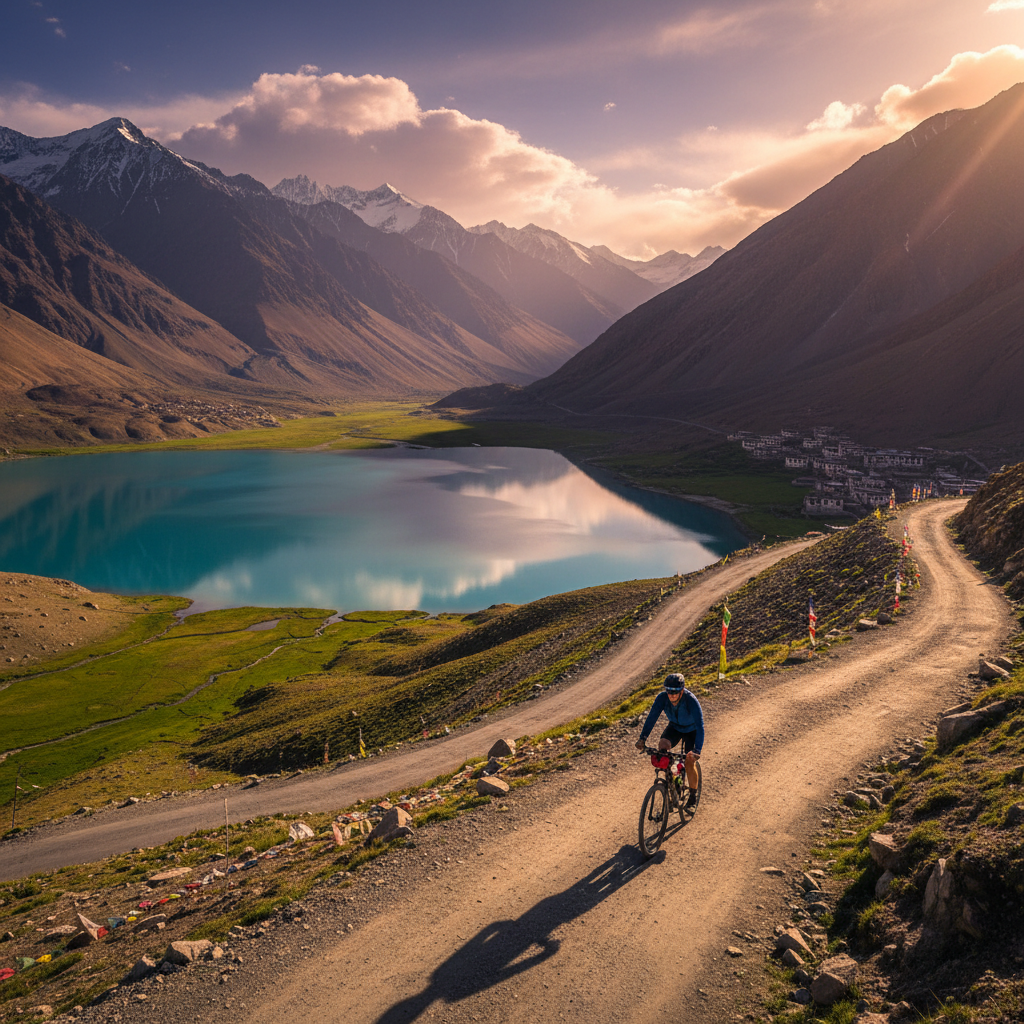
Ladakh Cycling Expedition: An Overview for Adventurers
Embarking on a Ladakh cycling expedition is more than just a journey; it's an immersive experience that tests your endurance, rewards you with unparalleled natural beauty, and connects you deeply with the unique culture of the Himalayas. Imagine cycling past ancient monasteries clinging to rocky cliffs, crossing some of the world's highest motorable passes, and descending into serene valleys where prayer flags flutter in the crisp mountain air. This guide is crafted for the intrepid cyclist, whether you're a seasoned mountain biker or an enthusiastic amateur looking for an extraordinary challenge. It’s not just about the physical ride; it's about the mental fortitude, the breathtaking vistas of barren mountains meeting the azure sky, and the warm smiles of the Ladakhi people you’ll encounter along the way. While demanding, a cycling expedition here is uniquely rewarding, offering perspectives and memories that very few other adventures can match. The sheer scale of the landscape and the feeling of accomplishment as you pedal through this high-altitude desert are truly unforgettable. We'll help you navigate the planning complexities, ensuring your focus remains on the incredible journey ahead.
When to Embark: Best Season for Your Ladakh Cycling Adventure
Timing is crucial for a successful Ladakh cycling expedition. The best window for cycling in Ladakh typically spans from late May to early October. During these months, the high mountain passes, which are often snow-bound for the rest of the year, are usually open for vehicular traffic, including cyclists. July and August are particularly popular, offering relatively stable weather conditions, though sporadic rainfall can occur, especially on the Manali-Leh highway stretch. However, the monsoon in the plains doesn't significantly impact Ladakh's high-altitude desert climate. If you prefer fewer crowds and slightly cooler temperatures, late May to mid-June or September to early October are excellent choices. During these shoulder seasons, the landscapes are often at their most vibrant – wildflowers in spring, golden hues in autumn – and the roads are less congested with tourist vehicles. Keep in mind that even in peak summer, temperatures can drop significantly at night, especially at higher altitudes, so always be prepared for cold weather. Always check local road conditions and weather forecasts closer to your travel date, as conditions can change rapidly in the mountains.
Crafting Your Route: Popular Ladakh Cycling Itineraries
Ladakh offers several iconic cycling routes, each with its own set of challenges and rewards. The most famous is the Leh-Manali Highway (approx. 475 km), typically done over 8-10 days. This route includes crossing high passes like Baralacha La (4,890m), Lachulung La (5,059m), Nakee La (4,740m), and the formidable Tanglang La (5,328m), making it an ultimate test of endurance. While stunning, it's also more remote and requires robust logistical support. Another popular option is cycling around the Leh region, exploring the monasteries of Shey, Thiksey, Hemis, and Stok, and undertaking day trips to Khardung La (5,359m) and Wari La (5,312m). This allows for better acclimatization and a more cultural experience. For a multi-day, challenging but equally rewarding expedition, consider the Leh to Nubra Valley via Khardung La, and then to Pangong Tso via Shyok Valley, returning to Leh. This route covers approximately 300-350 km over 5-7 days and immerses you in varied landscapes from the barren high-altitude desert to the lush Nubra Valley and the iconic Pangong Lake. The road conditions vary from smooth tarmac to broken patches and gravel, adding to the adventure. Always factor in acclimatization days, especially in Leh, before starting any strenuous cycling.
Budgeting Your Adventure: Costs for a Ladakh Cycling Expedition
The cost of a Ladakh cycling expedition can vary significantly depending on whether you opt for a fully supported tour, rent gear, or bring your own. For a self-planned trip, expect daily expenses for food and accommodation to range from INR 1,500 to 3,000 per person, staying in guesthouses or homestays. Bike rentals in Leh can cost INR 800-1,500 per day for a good quality mountain bike, plus an additional INR 300-500 for a helmet and other gear. If you plan a multi-day route like Manali-Leh or Leh-Pangong, you'll need a support vehicle, which can cost INR 5,000-8,000 per day, excluding fuel and driver's expenses. Permits (Inner Line Permit, wildlife fees) might add another INR 500-1000. For organized tours, which include bikes, support vehicles, accommodation, meals, and guides, prices typically range from INR 45,000 to 90,000 per person for a 7-10 day expedition. These packages offer convenience and safety, especially for first-timers in high-altitude cycling. Always carry enough cash, as ATMs are scarce outside major towns, and card payments are not widely accepted in remote areas.
Getting There and Around: Transport to and in Ladakh for Cyclists
Reaching Leh, the starting point for most cycling expeditions, is primarily by flight or road. Flights to Leh Kushok Bakula Rimpochee Airport (IXL) from major Indian cities like Delhi are the quickest way, but require at least 2-3 days of strict acclimatization in Leh before any strenuous activity. The road options are the Manali-Leh Highway or the Srinagar-Leh Highway. If you plan to cycle the Manali-Leh route, you’d typically arrive in Manali by bus or taxi from Chandigarh/Delhi, and then begin your ride. For the Srinagar-Leh route, you can take a shared taxi or private vehicle to Srinagar, and then begin cycling. Many cyclists, however, prefer to fly into Leh with their bikes (airlines often charge extra for bike carriage) or rent them in Leh. Once in Ladakh, cycling is your primary mode of transport. For routes like Leh-Manali, having a support vehicle is highly recommended for carrying luggage, food, water, and for emergencies. Within Leh and nearby monasteries, local taxis are available if you need to cover short distances without cycling, but cycling remains the most authentic way to explore.
Preparing for the Ride: What to Pack for High-Altitude Cycling
Packing for a Ladakh cycling expedition requires careful consideration due to the challenging terrain, variable weather, and high altitude. Essential cycling gear includes a well-maintained mountain bike (hardtail or full suspension, depending on preference and route), helmet, cycling shorts, padded gloves, and clipless pedals/shoes if you use them. For clothing, layers are key: thermal base layers, moisture-wicking jerseys, a warm fleece or down jacket, a waterproof and windproof outer shell, and warm socks. Sun protection is paramount: high-SPF sunscreen, sunglasses with UV protection, and a wide-brimmed hat or cycling cap. Carry a small first-aid kit with pain relievers, antiseptic, bandages, and any personal medications, especially for altitude sickness (consult your doctor). Hydration is critical; carry at least two water bottles and a hydration pack, along with water purification tablets. Other essentials include a headlamp, power bank, basic bike repair kit (puncture repair kit, spare tube, multi-tool), energy bars/gels, and a camera to capture the stunning landscapes. Don't forget your Inner Line Permit copies and identification.
Safety and Etiquette: Navigating Ladakh's Roads and Culture
Safety on a Ladakh cycling expedition begins with thorough acclimatization. Spend at least 2-3 full days in Leh, resting and taking short walks, before attempting any major passes. Always cycle with a buddy or in a group, especially on remote routes. The roads can be challenging – expect rough patches, gravel, water crossings, and steep ascents/descents. Traffic, though sparse, includes heavy trucks and local taxis, so ride defensively and be visible. Carry ample water and food, as resupply points are few and far between. In case of emergency, cell service is unreliable in many areas; a satellite phone or a support vehicle with communication is advisable. Respect local culture: dress modestly, especially when visiting monasteries, and always ask permission before taking photos of people. The Ladakhi people are generally warm and welcoming; a simple 'Julley' (hello/thank you) goes a long way. Avoid littering and practice responsible tourism. Be mindful of wild animals, particularly on remote stretches, and give them their space. Remember, Ladakh is a high-altitude desert, and its fragile ecosystem should be treated with utmost care.
Common Challenges and How to Overcome Them
Ladakh cycling presents unique challenges, with altitude sickness (Acute Mountain Sickness or AMS) being the most significant. Symptoms include headache, nausea, dizziness, and fatigue. Acclimatize properly, hydrate constantly, avoid alcohol and smoking, and ascend gradually. If symptoms worsen, descend immediately. Mechanical breakdowns are common due to rough terrain; knowing basic bike repair (puncture, chain issues) or having a support mechanic is crucial. Weather can be unpredictable – bright sunshine can quickly turn into freezing winds or even snow, even in summer. Pack layers and be prepared for all conditions. Mental endurance is as important as physical fitness; the long climbs and sparse landscapes can be taxing. Break down your journey into smaller goals, stay positive, and appreciate the solitude. Limited access to medical facilities in remote areas means carrying a comprehensive first-aid kit and having an emergency plan is vital. Finally, managing logistics for food and water in areas with minimal settlements requires careful planning or reliance on a support team. Despite these, the rewards far outweigh the difficulties, creating an unforgettable adventure.
Embark on Your Dream Ladakh Cycling Journey with Mid Holidays
A Ladakh cycling expedition is a truly transformative experience, combining the thrill of high-altitude adventure with profound cultural immersion. From the dizzying heights of Khardung La to the serene reflections of Pangong Tso, every pedal stroke tells a story of perseverance and discovery. Whether you dream of conquering the iconic Manali-Leh highway or exploring the spiritual heart of Ladakh around Leh's monasteries, careful planning and preparation are your best companions. Our insights into routes, costs, packing, and safety aim to equip you for this incredible journey. At Mid Holidays, we specialize in crafting unforgettable Himalayan adventures. If the thought of organizing all the logistics – from permits and support vehicles to quality bike rentals and experienced guides – feels daunting, let us take the reins. We offer meticulously planned Ladakh cycling expedition packages tailored to various fitness levels and interests, ensuring a seamless and safe journey so you can focus purely on the ride and the breathtaking scenery. Visit kashmir.midholidays.in to explore our Ladakh adventure packages and turn your cycling dream into a reality.
Related Kashmir Guides & Services
<p>Planning the rest of your trip? These Mid Holidays guides pair well with this article:</p><ul><li><a href="/blog/leh-cab-service-reliable-journeys">Leh Cab Service: Your Guide to Reliable Journeys in Ladakh with Mid Holidays</a></li><li><a href="/blog/zanskar-river-rafting-guide">Zanskar River Rafting Guide: Your Ultimate Adventure with Mid Holidays</a></li><li><a href="/blog/ladakh-nomadic-changpa-culture-guide">Ladakh Nomadic Changpa Culture Guide: A Journey with Mid Holidays</a></li><li><a href="/blog/pampore-saffron-fields-visit-guide">Pampore Saffron Fields Visit Guide: Kashmir's Golden Bloom</a></li><li><a href="/blog/leh-ladakh-best-time-to-visit-month-wise">Leh Ladakh Best Time to Visit Month-Wise: Your Ultimate Guide</a></li></ul>
Frequently Asked Questions
Is previous high-altitude cycling experience necessary for Ladakh?
While not strictly necessary, prior experience with multi-day cycling tours and a good level of physical fitness are highly recommended. For high-altitude challenges, being comfortable with long climbs and descents, and having spent time training at higher elevations if possible, will greatly enhance your enjoyment and safety. First-timers should consider shorter, less strenuous routes around Leh for better acclimatization and to gauge their readiness for bigger expeditions.
What kind of bike is best suited for Ladakh's terrain?
A robust mountain bike (MTB) is ideal for Ladakh's diverse terrain. A hardtail (front suspension) is generally sufficient for most routes, but a full-suspension bike offers more comfort and control on very rough patches and steep descents. Ensure the bike has reliable disc brakes, wide tires with good grip, and a wide range of gears to tackle the steep ascents and descents. Good quality components will minimize mechanical issues.
How important is acclimatization for a cycling expedition in Ladakh?
Acclimatization is paramount for any high-altitude activity in Ladakh, especially cycling. It's recommended to spend at least 2-3 full days resting and taking short, gentle walks in Leh (3,500m) before starting your expedition. This allows your body to adjust to the lower oxygen levels, significantly reducing the risk of Acute Mountain Sickness (AMS). Rushing acclimatization can lead to serious health issues and force an early end to your trip.
Do I need special permits for cycling in Ladakh?
Yes, you will need an Inner Line Permit (ILP) to visit certain restricted areas like Nubra Valley, Pangong Tso, and Tso Moriri. These permits can be obtained online or through travel agents in Leh. Additionally, some areas might require wildlife fees or conservation fees. Always carry multiple copies of your ILP and identification documents, as they are frequently checked at various checkpoints along the routes.
What kind of food and water facilities can I expect on remote cycling routes?
On major routes like Manali-Leh Highway, you'll find roadside dhabas (eateries) at intervals offering basic meals (Maggi, daal-chawal). However, on more remote routes, facilities are extremely sparse. It's crucial to carry sufficient water, energy bars, dry fruits, and other high-energy snacks. Always ask locals for boiled water or use purification tablets/filters. Do not rely solely on finding food and water on the go, especially for multi-day stretches.
Is it better to join an organized tour or cycle independently in Ladakh?
Both options have their merits. Organized tours offer comprehensive support, including bikes, guides, support vehicles, meals, and accommodation, which greatly simplifies logistics and enhances safety, especially for first-timers or those seeking a hassle-free experience. Independent cycling offers more flexibility and a sense of raw adventure but requires extensive planning, self-sufficiency in repairs, and managing all logistics, including potential emergencies. Your choice depends on your experience, budget, and desired level of challenge.