Kashmir Photography Tour Guide | Capture Paradise with Mid Holidays
Kashmir Photography
Unlock the secrets to stunning Kashmir photography with our expert guide. Explore best spots, tips, and Mid Holidays' custom tours for every shutterbug.
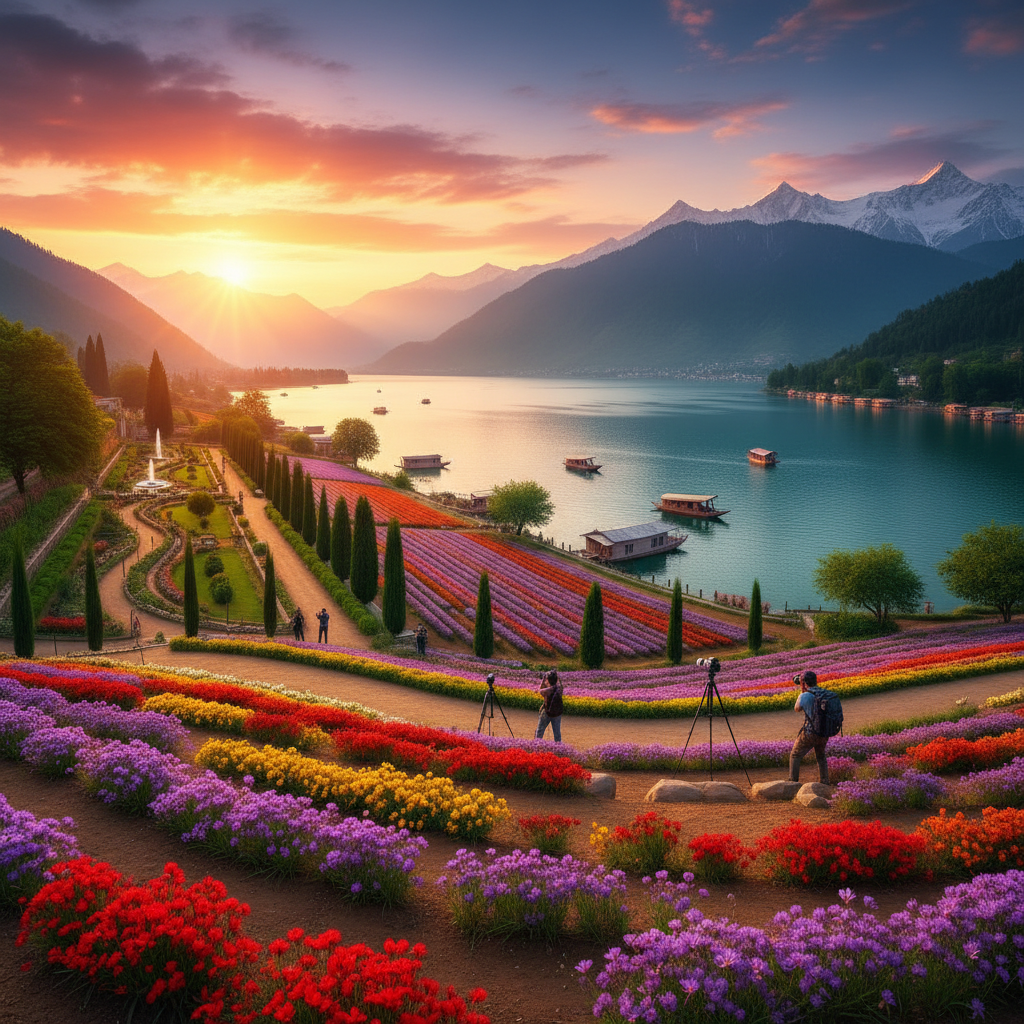
Unveiling Kashmir's Lens: Your Ultimate Photography Tour Guide
Welcome, fellow photography enthusiasts, to the unparalleled beauty of Kashmir, a land often called 'Paradise on Earth.' As local experts at Mid Holidays, we understand that Kashmir is more than just a destination; it's a living canvas waiting to be immortalized through your lens. This comprehensive Kashmir photography tour guide is designed to empower you, whether you're a seasoned professional or an aspiring amateur, to capture the very essence of this magnificent region. From soaring snow-capped mountains and tranquil lakes to vibrant saffron fields and the warm smiles of its people, Kashmir offers an endless array of photographic opportunities. We'll delve into the best locations, share invaluable photography tips, discuss ideal seasons, and even touch upon the practicalities of planning your dream photography adventure here. Prepare to fill your memory cards with breathtaking shots and your soul with unforgettable memories.
Top Photography Spots in Kashmir: A Visual Feast
Kashmir is replete with iconic locations that beg to be photographed. Our Kashmir photography tour guide wouldn't be complete without highlighting these must-visit spots. Srinagar, the summer capital, offers the serene Dal Lake and Nigeen Lake, perfect for capturing shikara life, houseboats, and vibrant floating gardens, especially during sunrise or sunset. The Mughal Gardens – Shalimar Bagh, Nishat Bagh, and Chashma Shahi – provide exquisite examples of Persian architecture and meticulously manicured terraced gardens, ideal for architectural and floral photography. For breathtaking landscapes, Gulmarg in winter transforms into a pristine white wonderland, offering incredible opportunities for snow photography and capturing the majestic Pir Panjal range. In summer, its lush meadows burst with vibrant wildflowers, a treat for macro and landscape photographers. Pahalgam, with its Lidder River, Aru Valley, and Betaab Valley, presents picturesque riverine scenes, dense pine forests, and charming shepherd huts. Sonamarg, the 'Meadow of Gold,' provides dramatic glacier views, alpine meadows, and the Thajiwas Glacier, fantastic for wide-angle landscape shots. Don't forget the lesser-known but equally stunning locales like Doodhpathri, offering rolling meadows and serene rivers, or the vibrant saffron fields of Pampore in autumn (October-November) for unique cultural and agricultural photography.
Essential Photography Tips for Capturing Kashmir's Essence
To truly elevate your Kashmir photography, consider these expert tips. First, lighting is everything. The golden hours, shortly after sunrise and before sunset, cast a soft, warm glow that enhances colors and depth, making them ideal for landscapes and portraits. Midday sun can be harsh, so use it for high-contrast shots or seek shade. Second, composition is key. Use the rule of thirds, leading lines, and natural frames (like tree branches or shikara arches) to guide the viewer's eye. Don't be afraid to experiment with different angles – get low for a dramatic perspective or climb higher for expansive views. Third, pack appropriate gear. A versatile DSLR or mirrorless camera with a wide-angle lens (16-35mm equivalent) for landscapes, a mid-range zoom (24-70mm equivalent) for general travel, and a telephoto lens (70-200mm equivalent) for wildlife or distant mountain shots will serve you well. A sturdy tripod is indispensable for low-light photography, long exposures, and capturing star trails in clear mountain skies. Polarizing filters can reduce glare on water and intensify sky colors, while ND filters help with long exposure photography in bright conditions. Fourth, engage with the locals. Ask permission before taking portraits, and be respectful. Their captivating faces and traditional attire add an authentic layer to your Kashmir photography. Lastly, embrace the unexpected; sometimes the best shots come from spontaneous moments or off-the-beaten-path discoveries.
Best Time to Visit for a Kashmir Photography Tour and Expected Costs
The 'best' time for a Kashmir photography tour largely depends on the kind of visuals you wish to capture. Spring (April-May) is glorious for blooming flowers, lush greenery, and comfortable weather, with tulip gardens in full splendor. Summer (June-August) offers vibrant alpine meadows and clear skies, perfect for capturing treks and high-altitude landscapes. Autumn (September-November) is perhaps the most magical, with chinar trees painting the valleys in hues of gold, crimson, and orange, providing unparalleled opportunities for vibrant landscape photography. Winter (December-March) transforms Kashmir into a white wonderland, ideal for snowscapes, skiing photography, and capturing frozen lakes and icy vistas. For costs, a dedicated Kashmir photography tour package from Mid Holidays can vary widely based on duration, accommodation, inclusions (like a professional photography guide), and quality of transport. A mid-range 7-day photography tour, including comfortable stays, private transport, and some guided excursions, might range from INR 45,000 to INR 75,000 per person. This typically excludes flights but includes most ground arrangements. Meals, entry fees to gardens and monuments (approx. INR 50-200 per person per attraction), and personal expenses like shikara rides (approx. INR 800-1500 per hour) will be additional. Budget for photography permits if you plan professional shoots in certain areas and always carry some cash for incidentals and tips.
Customizing Your Kashmir Photography Journey with Mid Holidays
At Mid Holidays, we specialize in crafting personalized travel experiences, and our Kashmir photography tour guide philosophy extends to bespoke itineraries. We understand that every photographer has unique interests, whether it's landscape, portrait, wildlife, or cultural photography. Our expert team can design a tour specifically tailored to your photographic goals, preferred season, and budget. Imagine a tour focused solely on autumn colors in Pahalgam and Sonamarg, or a winter expedition to capture the frozen beauty of Gulmarg, complete with guidance on cold-weather photography. We provide comfortable accommodation, reliable transportation, and local guides who can lead you to the most photogenic spots and even help you interact with the local communities for authentic cultural shots. From advising on equipment rentals to suggesting the best time for specific light conditions, Mid Holidays is committed to ensuring your Kashmir photography journey is insightful, productive, and truly memorable. Let us handle the logistics so you can focus on what you do best: creating stunning images. Visit kashmir.midholidays.in to explore our customizable photography packages.
Frequently Asked Questions
What kind of specific photography permits might a professional photographer need in Kashmir and how can I obtain them?
Professional photographers, especially those engaged in commercial projects, filming documentaries, or large-scale photo shoots, might require permits from local authorities such as the District Magistrate's office or relevant tourism departments. For filming or photography inside certain protected areas, national parks, or military zones, additional permissions might be necessary. It is highly advisable to contact the Jammu & Kashmir Tourism Department well in advance of your trip to inquire about specific requirements based on your project's scope. Local tour operators like Mid Holidays can also assist in navigating this process or at least provide guidance on who to contact. For casual tourist photography, permits are generally not required, but always respect local customs and ask before photographing people or private property.
Are there any specific cultural sensitivities I should be aware of when doing street photography or portrait photography in Kashmir?
Yes, cultural sensitivity is paramount in Kashmir. When engaging in street or portrait photography, always approach individuals with respect and ask for their permission before taking their photograph. A simple gesture or polite request in English or Hindi (if you don't speak Kashmiri) usually suffices. Be prepared for some people to politely decline, and always respect their decision. Avoid taking photographs of women or religious sites without explicit permission, as this can be considered intrusive. It's often helpful to engage in a brief, friendly conversation before asking to take a picture. Offering a small token of appreciation, though not always necessary, can also foster goodwill. Always be mindful of your surroundings and avoid anything that might be perceived as disrespectful or exploitative.
What is the best way to protect my camera gear from the diverse weather conditions in Kashmir, especially during winter or monsoon?
Protecting your camera gear in Kashmir's diverse weather is crucial. During winter, extreme cold can drain batteries quickly, so carry spares and keep them warm in an inside pocket. Condensation is a major risk when moving between cold outdoor and warm indoor environments; reduce this by placing your camera in a sealed plastic bag before entering warmth and letting it acclimatize slowly. For rain or snow, invest in a good quality rain cover for your camera and lens, or even a simple plastic bag with a rubber band can offer temporary protection. A durable, weather-sealed camera bag is essential. During monsoon season (July-August), high humidity and rain are common; pack desiccant packets (silica gel) in your camera bag to absorb moisture. Always carry a micro-fiber cloth to wipe off any moisture immediately. Consider weather-sealed lenses and camera bodies for added peace of mind, especially if shooting in challenging conditions frequently.
Can I rent photographic equipment, like telephoto lenses or specialized tripods, locally in Kashmir, or should I bring everything from home?
While Srinagar does have some professional camera stores, the availability of specialized photographic equipment like high-end telephoto lenses, professional gimbals, or specific types of tripods for rent might be limited compared to major metropolitan cities. It's generally recommended for serious photographers to bring their primary gear, including specialized lenses and critical accessories, from home to ensure they have exactly what they need. However, for basic accessories, memory cards, batteries, and perhaps some standard lenses, local availability might be an option. It's best to check with specific camera shops in Srinagar beforehand if you plan to rely on local rentals. Mid Holidays can help inquire on your behalf if you let us know your requirements well in advance, but for peace of mind, carrying your own essential kit is the safest bet.
Are there opportunities to learn Kashmir-specific photography techniques or join local photography workshops during my visit?
Yes, there are emerging opportunities for photography workshops in Kashmir, though they might not be as widely advertised as in other popular destinations. Some local photographers and small cultural organizations occasionally host workshops focusing on Kashmiri landscapes, culture, or even portraiture, often tied to specific festivals or seasons. These can provide invaluable insights into local photographic perspectives and offer unique access to subjects. Additionally, if you book a specialized photography tour with Mid Holidays, we can sometimes arrange for a local expert photographer to accompany you for part of your trip, offering guidance and sharing their knowledge. This can be a fantastic way to learn about the best angles, lighting, and cultural nuances specific to Kashmir photography. It's best to inquire about such workshops or specialized guide services when booking your tour with us.