Kashmir Baisakhi Guide: Celebrate Spring & Harvest with Mid Holidays
Kashmir Festival Guide
Discover the vibrant Baisakhi celebrations in Kashmir with our comprehensive guide. Learn about traditions, best places to visit, and how to experience…
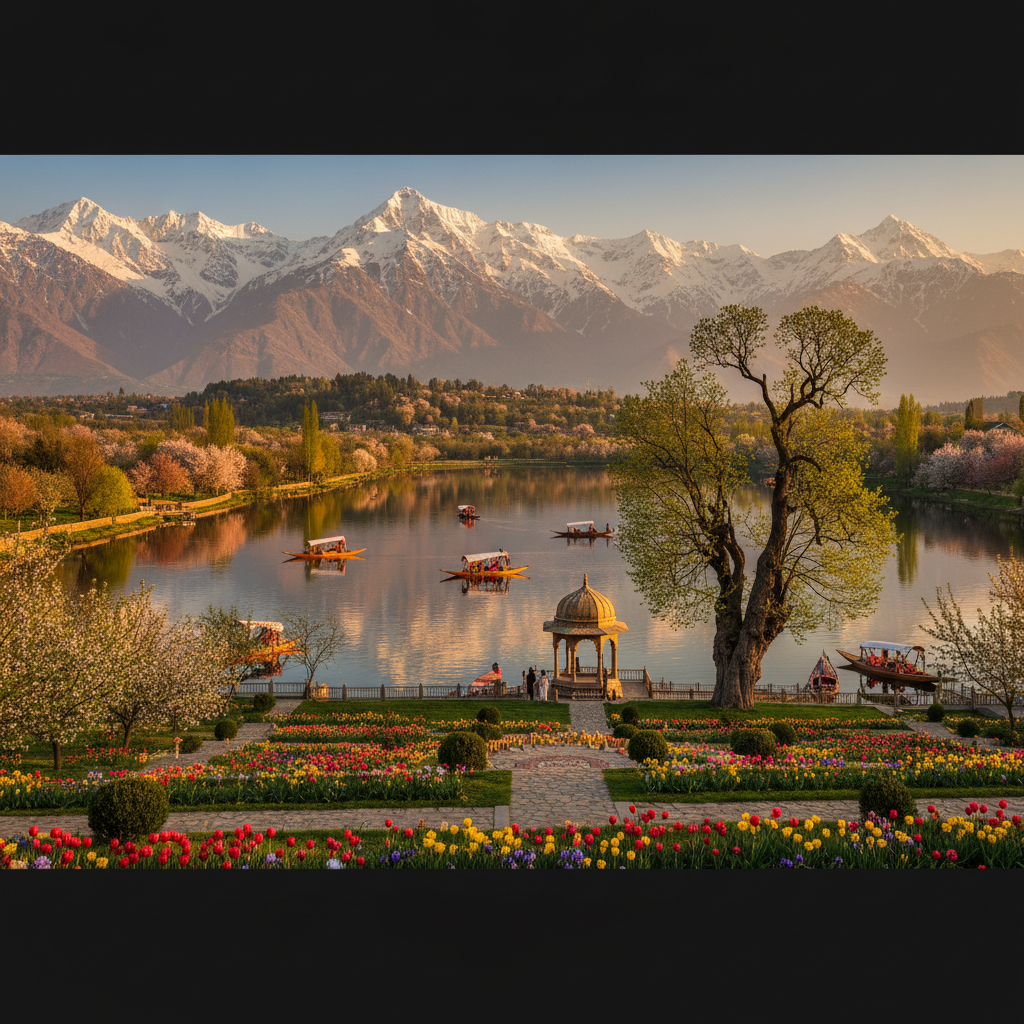
Kashmir Baisakhi Guide: An Overview of Spring's Grand Celebration
Baisakhi, celebrated with immense joy and cultural fervor across Kashmir, marks the start of the harvest season and the New Year for many communities. While nationally it's widely associated with Punjab, Kashmir has its own unique way of embracing this spring festival. For locals, it's a time of renewal, thanksgiving, and vibrant festivities, reflecting the Valley's rich tapestry of traditions. It usually falls on April 13th or 14th, coinciding with the peak bloom of spring flowers and the warming weather that breathes new life into the landscapes after the long winter. Unlike the boisterous Bhangra dances seen elsewhere, Baisakhi in Kashmir is often celebrated with community gatherings, special prayers, and traditional feasts. Farmers, particularly, rejoice as it signals the time for harvesting winter crops and preparing for summer sowing. For travellers, visiting Kashmir during Baisakhi offers a unique glimpse into the local culture, away from the usual tourist circuits. You'll witness a blend of spiritual practices, family reunions, and the sheer beauty of the Valley adorned in its spring finest. It’s an ideal time for those who appreciate cultural immersion and want to experience Kashmir beyond its scenic beauty.
Best Time to Experience Baisakhi in Kashmir: April's Bloom
Baisakhi invariably falls in mid-April, making it an exquisite time to visit Kashmir. This period perfectly coincides with the full bloom of the Tulip Garden in Srinagar, transforming the Zabarwan foothills into a riot of colors. The weather is delightfully pleasant, with daytime temperatures hovering around 15-20 degrees Celsius, and cool, comfortable evenings. The snow has largely melted from the lower altitudes, making all major tourist destinations accessible, though higher passes like Zoji La (towards Sonamarg) might still be opening up. From a seasonal perspective, April in Kashmir is synonymous with spring's awakening. Mughal Gardens are lush, fruit orchards burst with delicate blossoms, and the air is crisp and fragrant. For Baisakhi specifically, the week leading up to and including April 13th or 14th is when you'll find the most concentrated celebrations. It’s important to book your accommodations and transportation in advance, as this is also a popular time for tourists drawn by the pleasant weather and the iconic Tulip Festival. Experiencing Baisakhi means witnessing local life in its full spring glory, a spectacle not to be missed.
Day-Wise Itinerary for a Baisakhi Trip to Kashmir
To truly immerse yourself in Kashmir's Baisakhi spirit, here’s a suggested 5-day itinerary: Day 1: Arrival in Srinagar & Tulip Garden: Arrive at Srinagar Airport (SXR), transfer to your hotel or houseboat. After freshening up, head straight to the Indira Gandhi Memorial Tulip Garden. The garden is typically at its peak bloom around Baisakhi. Spend the evening enjoying a Shikara ride on Dal Lake, admiring the illuminated banks and the floating markets. Dinner at a local restaurant trying Kashmiri Wazwan. Day 2: Srinagar Local Sightseeing & Baisakhi Preparations: Explore Srinagar's Mughal Gardens – Shalimar Bagh, Nishat Bagh, and Chashme Shahi. Visit the Shankaracharya Temple for panoramic views. In the afternoon, explore local markets like Lal Chowk or Residency Road, where you might see families shopping for Baisakhi essentials, traditional sweets, and new clothes. Observe the vibrant local life and the festive buzz. Day 3: Baisakhi Celebrations & Cultural Immersion: Start your day with a visit to a local gurdwara or temple, where Baisakhi prayers and community meals (Langar) are often organized. You might witness traditional Kirtan. Afterwards, venture into a village in the outskirts of Srinagar or around Anantnag to see farmers celebrating the harvest. Local cultural programs, folk music, and small fairs might be organized. It's a day to connect with the local community and understand their customs. Day 4: Gulmarg's Spring Splendor: Take a day trip to Gulmarg, the 'Meadow of Flowers.' The drive takes about 1.5-2 hours. Enjoy the scenic beauty, and if conditions permit, take the Gulmarg Gondola (cable car) up to Phase 1 or Phase 2 for breathtaking views of the snow-capped Pir Panjal range. In April, the meadows begin to turn green, offering a striking contrast with the receding snow. You can enjoy short walks or pony rides here. Return to Srinagar by evening. Day 5: Departure: After breakfast, depending on your flight schedule, you can do some last-minute souvenir shopping for Pashmina shawls, saffron, or local handicrafts. Transfer to Srinagar Airport for your onward journey, carrying memories of a unique Kashmiri Baisakhi.
Costs and Budget Breakdown for a Baisakhi Trip
A Baisakhi trip to Kashmir can be tailored to various budgets, but here’s an estimated breakdown for a 5-day trip for two people, excluding flights: Accommodation: A mid-range hotel or houseboat will cost approximately INR 3,000-6,000 per night. For 4 nights, budget INR 12,000-24,000. Budget-friendly options can start from INR 1,500, while luxury can go upwards of INR 10,000. Transportation: A private taxi for airport transfers and daily sightseeing will be around INR 2,500-4,000 per day. For 5 days, estimate INR 12,500-20,000. Shared taxis or local buses are significantly cheaper but less convenient for tourists. Shikara rides on Dal Lake are about INR 500-800 per hour. Food: Budget INR 800-1,500 per person per day for meals at decent local restaurants. For two people over 5 days, this is INR 8,000-15,000. Street food and dhabas offer cheaper options, while fine dining will be more expensive. Activities and Entry Fees: Tulip Garden entry is around INR 70-100 per person. Mughal Gardens entries are INR 25-50 each. Gulmarg Gondola costs INR 740 for Phase 1 and INR 950 for Phase 2 (round trip). Pony rides, if opted for, can be INR 500-1,000. Budget around INR 2,000-4,000 for these. Miscellaneous: Keep an additional INR 5,000-10,000 for shopping, tips, and unforeseen expenses. Total estimated cost for two people for 5 days: INR 40,000-73,000 (excluding flights). Prices can fluctuate based on season and demand, especially around popular festivals.
How to Reach Kashmir During Baisakhi: Travel Options
Reaching Kashmir during Baisakhi is straightforward, with Srinagar serving as the primary gateway. The most convenient way is by air. Srinagar International Airport (SXR) is well-connected to major Indian cities like Delhi, Mumbai, Bangalore, and Kolkata with multiple daily flights. Booking flights in advance is highly recommended, especially for April travel, as it’s a popular tourist season. By Road: If you prefer a road journey, you can drive to Srinagar from Jammu. The Jammu-Srinagar National Highway (NH44) is the main arterial road. The journey from Jammu takes approximately 8-10 hours, depending on road conditions and traffic. While the route is scenic, it can be prone to landslides or closures during heavy rain, though April generally sees stable conditions. Government-run and private buses also operate daily services between Jammu and Srinagar. For those coming from outside Jammu and Kashmir, a train journey to Jammu Tawi railway station, followed by a taxi or bus to Srinagar, is another option. However, the direct train line to Srinagar is still under construction, so road travel from Jammu is necessary. Always check road status updates if planning to travel by road during this period.
Where to Stay and Eat During Baisakhi Festivities
For accommodation during Baisakhi, Srinagar offers a diverse range of options. Staying in a traditional Kashmiri houseboat on Dal Lake or Nigeen Lake provides a unique and authentic experience, with many offering heated rooms and personalized service. Expect to pay anywhere from INR 3,000 to INR 8,000 per night for a comfortable houseboat. Alternatively, numerous hotels cater to all budgets, from luxury resorts along Boulevard Road offering stunning lake views to mid-range and budget hotels in the city center. Staying near Residency Road or Lal Chowk provides easy access to markets and local eateries. Booking well in advance is crucial for Baisakhi, as April is a peak tourist month. When it comes to dining, Kashmir's culinary delights are a highlight. During Baisakhi, you might find special festive preparations in homes and some restaurants. Don't miss the opportunity to try the famous Kashmiri Wazwan, a multi-course meal, though it’s typically for larger groups. Smaller restaurants will offer individual dishes like Rogan Josh, Yakhni, Gushtaba, and Tabakh Maaz. For a vegetarian palate, try Kashmiri Haakh, Chaman (paneer), and Dum Aloo. Local bakeries offer traditional breads like Chochwor and Kandir Tchot, often enjoyed with Kahwa (Kashmiri green tea). Exploring local eateries will give you a taste of authentic Kashmiri home-style cooking and Baisakhi specialties.
Safety, Local Etiquette, and Practical Tips for Baisakhi Travellers
Kashmir is generally safe for tourists, and during festivals like Baisakhi, the atmosphere is often warm and welcoming. However, it's always wise to exercise standard travel precautions. Keep your belongings secure, especially in crowded market areas. Respect local customs and traditions; modest attire is always appreciated, particularly when visiting religious sites or local homes. Photography is generally fine, but always ask for permission before taking pictures of people. During Baisakhi, you might encounter community gatherings. If invited, participate respectfully and embrace the opportunity to learn. English and Hindi are widely understood, but learning a few basic Kashmiri phrases like 'Assalamu Alaikum' (hello) or 'Meharbani' (thank you) can go a long way. Road conditions are usually good in April, but always check local news for any advisories, especially if planning travel to higher altitudes. Stay hydrated, carry a basic first-aid kit, and keep your phone charged. For a seamless trip, consider hiring a local guide or booking through a reputable tour operator like Mid Holidays, who can provide insights into Baisakhi traditions and ensure a smooth experience. Always carry valid ID proof, as security checks are routine in the region. Enjoy the festive spirit and the natural beauty responsibly.
Related Kashmir Guides & Services
<p>Planning the rest of your trip? These Mid Holidays guides pair well with this article:</p><ul><li><a href="/blog/pampore-saffron-fields-visit-guide">Pampore Saffron Fields Visit Guide: Kashmir's Golden Bloom</a></li><li><a href="/blog/kishtwar-travel-guide-kashmir-hidden-paradise">Kishtwar Travel Guide: Explore Kashmir's Hidden Paradise with Mid Holidays</a></li><li><a href="/blog/kashmir-solo-trip-women">Kashmir Solo Trip for Women: A Safe & Empowering Journey with Mid Holidays</a></li><li><a href="/blog/how-to-plan-kashmir-trip-from-delhi">How to Plan a Dream Kashmir Trip from Delhi: A Local's Guide</a></li><li><a href="/blog/best-india-circuit-first-time-international-visitors">Best India Circuit for First-Time International Visitors: A Mid Holidays Guide</a></li></ul>
Frequently Asked Questions
What is the main significance of Baisakhi in Kashmir?
In Kashmir, Baisakhi primarily signifies the commencement of the harvest season, marking the time when winter crops are ready for reaping and farmers prepare for the next agricultural cycle. It's a celebration of abundance, renewal, and thanksgiving, deeply intertwined with the agrarian rhythm of the Valley. It also marks the New Year for some communities and is celebrated with traditional prayers, feasts, and community gatherings, reflecting the blend of cultural and religious traditions.
Are Baisakhi celebrations in Kashmir similar to those in Punjab?
While the spirit of Baisakhi as a harvest festival is shared, the celebrations in Kashmir are distinct from those in Punjab. You won't typically see the energetic Bhangra dances or large-scale public processions. Instead, Kashmiri Baisakhi tends to be more understated, focused on family gatherings, community prayers in gurdwaras and temples, traditional meals, and smaller local fairs that highlight the region's unique cultural heritage and agricultural practices. It's a more serene and locally-focused observance.
What kind of weather can I expect in Kashmir during Baisakhi (mid-April)?
Mid-April in Kashmir is springtime at its finest. You can expect delightfully pleasant weather with daytime temperatures ranging from 15 to 20 degrees Celsius. Evenings are comfortably cool, often dropping to 5-10 degrees Celsius. The skies are generally clear, and the landscapes are lush and green, adorned with blooming flowers. While the lower areas are snow-free, you might still find lingering snow patches at higher altitudes like Gulmarg or Sonamarg, offering a beautiful contrast. It's advisable to carry light woollens for evenings.
Will I be able to visit all major tourist spots during Baisakhi?
Yes, during Baisakhi (mid-April), almost all major tourist attractions in Kashmir are fully accessible. This includes Srinagar's Mughal Gardens, Dal Lake, Gulmarg, and Pahalgam. The Tulip Garden in Srinagar is typically at its peak bloom during this period, making it a major draw. While most roads are clear, very high-altitude passes like Zoji La (leading to Sonamarg and Ladakh) might still be opening up after the winter, so it's always good to check local conditions for those specific routes.
What traditional food should I try during Baisakhi in Kashmir?
While there aren't specific 'Baisakhi dishes' widely commercialized, you should definitely savor the rich Kashmiri cuisine. During this festive time, families often prepare special meals. Seek out authentic Wazwan dishes like Rogan Josh (lamb curry), Yakhni (yogurt-based lamb curry), Gushtaba (minced meatball curry), and Tabakh Maaz (fried lamb ribs). For vegetarians, try Nadru Yakhni (lotus stem), Dum Aloo, and Haakh (collard greens). Don't forget to enjoy Kashmiri Kahwa tea and local breads like Chochwor.
Is it necessary to book accommodations and transport in advance for a Baisakhi trip?
Yes, it is highly recommended to book your accommodations, flights, and transportation well in advance if you plan to visit Kashmir during Baisakhi. Mid-April is a peak tourist season, not just because of the pleasant weather but also due to the famous Tulip Festival, which coincides with Baisakhi. Popular hotels and houseboats tend to get fully booked quickly, and last-minute bookings can be significantly more expensive or difficult to secure, especially for quality options. Early booking ensures better choices and prices.
What unique cultural experiences can I expect during Baisakhi in Kashmir?
During Baisakhi, you can expect to witness the local agrarian life as farmers celebrate the harvest, often with small community gatherings. Visiting gurdwaras or temples might allow you to observe special Baisakhi prayers and participate in 'Langar' (community kitchen). You might also encounter local folk music performances in rural areas or small fairs selling traditional handicrafts and food. It’s an opportunity for quiet cultural immersion, offering a deeper understanding of Kashmiri traditions beyond typical sightseeing.