Kashmiri Wedding Traditions Guide: A Journey Through Culture
Kashmir Cultural Guide
Explore the rich and beautiful Kashmiri wedding traditions, from pre-wedding rituals to post-nuptial celebrations. This guide covers unique customs, costs…
Kashmiri Wedding Traditions: An Introduction to a Rich Heritage
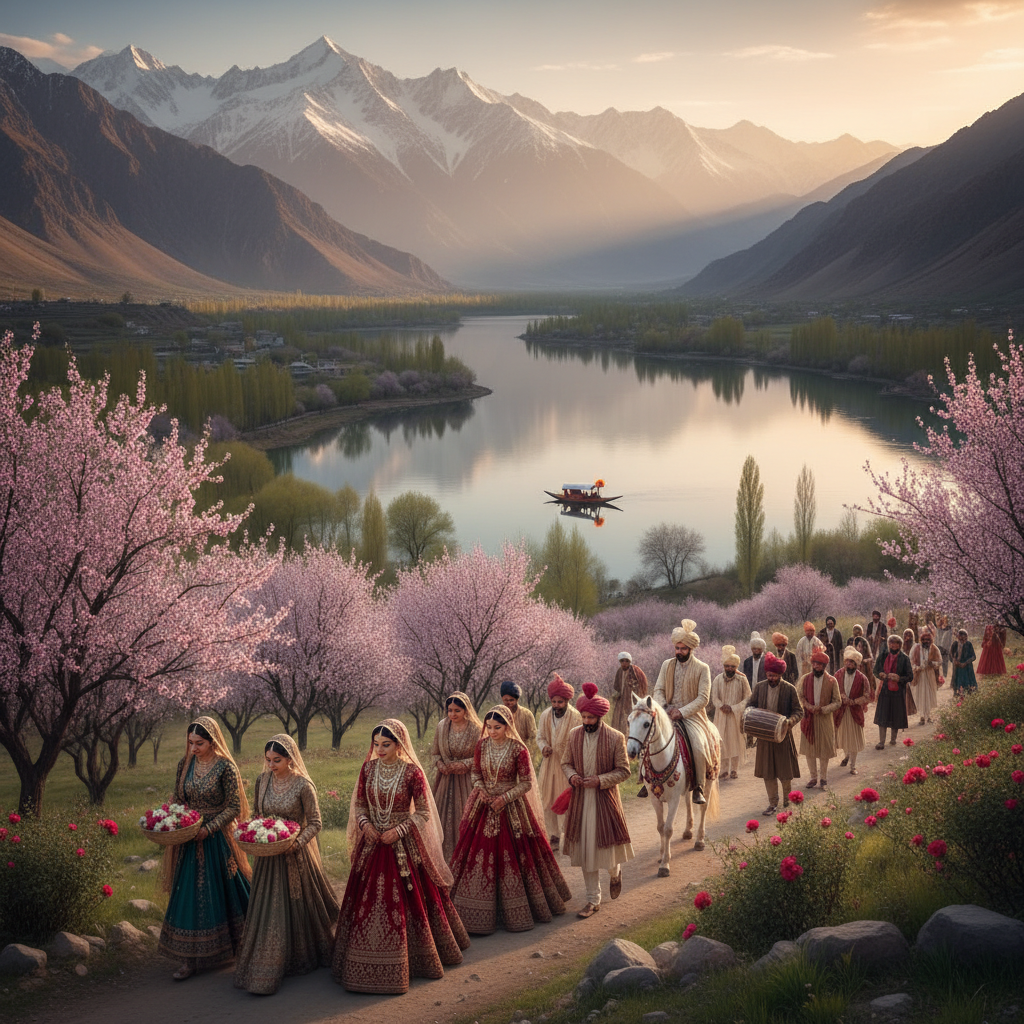
Kashmiri weddings are a mesmerising tapestry woven with age-old customs, vibrant rituals, and deep cultural significance. Unlike many modern ceremonies, a traditional Kashmiri wedding is a multi-day affair, meticulously planned and steeped in symbolism. It's a journey not just for the couple, but for their entire families, marking the union of two souls and the coming together of two households. Whether you are attending a Kashmiri Pandit wedding or a Kashmiri Muslim nikah, you'll find a beautiful blend of ancient practices and heartwarming celebrations. From the meticulous matchmaking process to the grand feasts and musical evenings, every step tells a story. The essence lies in the communal spirit, the reverence for elders, and the deep-rooted belief in auspicious timings and blessings. As a local tour operator, we at Mid Holidays have had the privilege of witnessing and facilitating many such beautiful unions. This guide aims to demystify these intricate traditions, offering you an insider's perspective on what makes a Kashmiri wedding so truly special and unforgettable. It's an experience that transcends mere celebration, offering a glimpse into the very heart of Kashmiri society and its enduring values.
Pre-Wedding Rituals: Setting the Stage for the Grand Union
The journey of a Kashmiri wedding begins long before the actual ceremony, with several significant pre-wedding rituals. For Kashmiri Pandits, the 'Kasamdry' marks the formal engagement, where elders from both families meet and exchange floral garlands, sweetmeats, and sometimes even silver rings, signifying their approval of the match. This is followed by 'Livun', a cleaning ritual where both homes are thoroughly cleaned, often accompanied by traditional folk songs, preparing them for the upcoming festivities. For Kashmiri Muslims, 'Thap Thravun' is a similar engagement ceremony, often involving the exchange of gifts and a formal agreement between families. A critical pre-wedding custom for both communities is the 'Wanwun', a series of musical gatherings at the bride and groom's homes, where women sing traditional wedding songs, often accompanied by local instruments like the Tumbaknari and Nout. These evenings are filled with joy, dance, and camaraderie, building anticipation for the main event. Another important ritual is 'Maenziraat' or 'Maenz Raat' (Henna Night), where the bride's hands and feet are adorned with intricate henna designs, symbolising fertility and good fortune. This usually happens a day or two before the main wedding and is a lively affair with close family and friends.
The Wedding Day: A Confluence of Sacred Rites and Celebrations
The wedding day itself is a crescendo of emotions and ceremonies. For Kashmiri Pandits, the 'Devgon' ritual takes place in the morning, where the bride and groom worship their family deities, seeking blessings for a prosperous married life. This is followed by 'Kanyadaan', the sacred giving away of the bride by her father. The 'Lagan', or main wedding ceremony, involves the couple taking seven vows around a sacred fire, a 'Saptapadi', signifying their commitment to each other. The groom often arrives at the bride's home in a grand procession, or 'Baraat', accompanied by music and dance. Kashmiri Muslim weddings, or 'Nikah', are simpler in their formal structure but equally profound. The 'Nikah' ceremony typically involves the reading of the holy Quran, the signing of the marriage contract by the bride and groom in the presence of witnesses, and the 'Mehr' (dower) agreed upon. The 'Dopatta Ceremony' is also common, where the groom's family presents the bride with a special dupatta. Following the 'Nikah', a grand feast, often featuring the famous 'Wazwan', is served to guests, celebrating the union. Both traditions emphasize prayers, blessings from elders, and the joyous coming together of two families.
Post-Wedding Traditions: Welcoming the New Beginnings
The celebrations don't end with the main wedding ceremony. Post-wedding rituals are equally significant, integrating the bride into her new family. For Kashmiri Pandits, 'Posh Puza' is a unique ritual where the bride and groom sit under a large red cloth, and flowers and coins are showered upon them by elders while sacred mantras are chanted. This symbolises abundance and prosperity. The 'Satmilaan' is a gathering where relatives from both sides meet and greet each other, further strengthening family bonds. For Kashmiri Muslims, 'Rukhsati' is the emotional farewell of the bride from her parental home, often accompanied by tears and blessings. Upon arrival at the groom's house, the bride is warmly welcomed, sometimes with milk and water rituals to ward off evil. The 'Walima', a grand reception hosted by the groom's family, is a significant post-wedding event, where the newly married couple is formally introduced to society. This feast is another occasion for the legendary Wazwan, showcasing Kashmiri hospitality. In both traditions, visits back to the bride's parental home, known as 'Phiro', are common in the initial days, allowing the new bride to ease into her marital life while maintaining strong ties with her birth family.
The Glorious Wazwan: A Culinary Celebration
No Kashmiri wedding, whether Pandit or Muslim, is complete without the legendary 'Wazwan'. This multi-course meal is not just food; it's an experience, a cultural performance, and a symbol of Kashmiri hospitality and culinary artistry. Typically consisting of 7 to 36 dishes, prepared by master chefs known as 'Wazas', the Wazwan is cooked overnight over slow fires in large copper vessels called 'Deghs'. Guests sit in groups of four, sharing a large copper plate ('Traami') filled with rice, an array of meat dishes, and sometimes a few vegetarian options. Signature dishes include 'Rista' (meatballs in red gravy), 'Rogan Josh' (aromatic lamb curry), 'Tabakhmaaz' (fried lamb ribs), 'Goshtaba' (pounded meatballs in a yogurt-based white gravy), and 'Seekh Kebabs'. Each dish has its unique flavour profile and cooking method. The Wazwan is not just about eating; it's a social event, fostering camaraderie and joy among guests. The preparation of a Wazwan is a community effort, often involving family members in the process, making it a true celebration of food and kinship. The cost of a full Wazwan can vary significantly based on the number of dishes and guests, typically ranging from INR 1500 to 3000 per plate, though this can fluctuate wildly with market prices for lamb.
Attire and Adornments: The Splendour of Kashmiri Bridal Wear
Kashmiri bridal attire is a vision of elegance, often rich in embroidery and vibrant colours, reflecting the region's artistic heritage. For Kashmiri Pandit brides, the traditional outfit is the 'Pheran', a long, loose gown, intricately embroidered, often in bright colours like red or maroon. A key element is the 'Tarang', a tall, elaborate headgear comprising multiple layers of silk and crepe cloth, tied around the head with a red glazed paper, often embellished with gold or silver threads, and held in place by an embroidered skullcap. Heavy traditional jewellery, including elaborate earrings ('Dejhoor' for married women), necklaces, and bangles, completes the ensemble. The groom typically wears a traditional 'Sherwani' with a 'Pagri' (turban). Kashmiri Muslim brides also wear elaborate 'Pherans' or elegant 'Salwar Kameez' sets, often in rich silks and velvets, adorned with 'Tilla' (gold or silver thread) embroidery. A beautiful 'Kashmiri Dupatta' or veil, sometimes heavily embellished, drapes over the head. Jewellery includes intricate necklaces, earrings, and nose rings. The groom's attire is usually a 'Sherwani' or 'Pathani suit', often paired with a 'Pagri'. The choice of fabrics, colours, and designs reflects the family's status and region, but always emphasizes grace and tradition. Expect to see a lot of beautiful Pashmina shawls for both the bride and groom during winter weddings.
Planning Your Kashmiri Wedding: Costs and Practical Considerations
Planning a traditional Kashmiri wedding requires meticulous attention to detail and a clear understanding of the costs involved. A typical Kashmiri wedding can span 3-5 days, with costs varying widely based on guest count, venue, and chosen rituals. For an average wedding with 200-300 guests, excluding jewellery and trousseau, a conservative budget might range from INR 8-15 lakhs, but can easily go much higher for grander celebrations. The biggest expenses usually include the Wazwan catering (around INR 1500-3000 per plate), venue rentals, decorations, photography, and traditional attire. It's crucial to book venues and caterers well in advance, especially during auspicious seasons like spring and autumn. Local event planners specialising in Kashmiri weddings can be invaluable for navigating the intricacies of rituals and vendor selections. Transportation for guests, especially if they are coming from outside Kashmir, also needs to be factored in. For out-of-town guests, arranging accommodation in Srinagar hotels or guesthouses is a common practice. Remember that many traditions require specific items, like certain flowers, lamps, or traditional sweets, which are best sourced locally. Being flexible and relying on local expertise will ensure a smooth and memorable celebration, truly reflecting Kashmiri hospitality.
Navigating Cultural Nuances: Tips for Guests and Families
Attending a Kashmiri wedding is a beautiful experience, and understanding local etiquette enhances the enjoyment for everyone. Punctuality is appreciated but flexibility is also key, as timings can sometimes shift with the rituals. Dress modestly and respectfully; traditional attire like Salwar Kameez or elegant Western wear is generally suitable. Women often cover their heads, especially during religious ceremonies. When greeting elders, a polite 'Assalamualaikum' (for Muslims) or touching their feet (for Pandits) shows respect. Gifts are usually given in the form of cash, presented in an envelope, or as household items. During the Wazwan, remember that food is eaten by hand, and sharing a 'Traami' is customary. Don't waste food, as it's considered disrespectful. Be prepared for loud music, vibrant dancing, and warm, effusive hospitality. Photography and videography are common, but always ask before taking close-up shots of individuals. If you're a family planning a wedding, open communication between both sides is paramount. Embrace the community involvement, as many relatives and friends will offer help and participate in the preparations, making it a truly collective celebration. Enjoy the warmth, the music, and the incredible food; it's an immersion into the rich soul of Kashmir.
Related Kashmir Guides & Services
<p>Planning the rest of your trip? These Mid Holidays guides pair well with this article:</p><ul><li><a href="/blog/kashmir-wazwan-food-guide">Kashmir Wazwan Food Guide: A Culinary Journey with Mid Holidays</a></li><li><a href="/blog/jammu-to-katra-distance-route-guide">Jammu to Katra Distance Route Guide: Your Vaishno Devi Journey</a></li><li><a href="/blog/ladakh-monastery-circuit-guide">Ladakh Monastery Circuit Guide: Exploring Ancient Buddhist Heritage</a></li><li><a href="/blog/ardhkuwari-cave-guide">Ardhkuwari Cave Guide: Your Spiritual Journey to Vaishno Devi</a></li><li><a href="/blog/best-month-to-visit-gurez-valley">Best Month to Visit Gurez Valley: Your Ultimate Mid Holidays Guide</a></li></ul>
Frequently Asked Questions
What is the main difference between Kashmiri Pandit and Kashmiri Muslim wedding traditions?
While both share a deep cultural connection to Kashmir, their wedding traditions stem from different religious practices. Kashmiri Pandit weddings are Hindu Vedic ceremonies, involving rituals like 'Devgon', 'Kanyadaan', and 'Saptapadi' around a sacred fire. Kashmiri Muslim weddings, or 'Nikah', follow Islamic customs, including the signing of a marriage contract, 'Mehr', and readings from the Quran. Both, however, feature elaborate feasts like the Wazwan and rich cultural celebrations.
What is a 'Wazwan' and is it part of every Kashmiri wedding?
The 'Wazwan' is a multi-course meal, typically consisting of 7 to 36 dishes, predominantly lamb-based, and is considered the ultimate feast in Kashmiri cuisine. It is an integral and iconic part of almost every major Kashmiri wedding celebration, whether Pandit or Muslim. Guests sit in groups of four to share a 'Traami' filled with various delicacies prepared by master chefs called 'Wazas', making it a central highlight of the festivities.
What is the 'Tarang' in a Kashmiri Pandit wedding?
The 'Tarang' is a distinctive and elaborate headgear worn by the Kashmiri Pandit bride. It's a tall, cone-shaped cap made of multiple layers of silk and crepe cloth, often adorned with intricate gold or silver embroidery, and usually held in place by a red glazed paper. The Tarang symbolises purity, fertility, and the marital status of the bride, adding a unique grandeur to her traditional bridal ensemble.
Are Kashmiri weddings typically expensive?
Kashmiri weddings can be quite elaborate and thus costly, primarily due to the extensive multi-day rituals, grand venues, and especially the famous 'Wazwan' feast. The cost of lamb for the Wazwan is a significant factor. For a wedding with 200-300 guests, expenses can range from INR 8-15 lakhs or more, depending on the scale, decorations, and other services. Families often pool resources and plan extensively to manage these costs.
What is the significance of 'Maenziraat' or 'Maenz Raat'?
Maenziraat, also known as the Henna Night, is a festive pre-wedding ritual observed by both Kashmiri Pandit and Muslim communities. On this evening, the bride's hands and feet are adorned with intricate henna designs, symbolising good luck, fertility, and marital bliss. It's a joyous occasion filled with traditional songs, dance, and close family gatherings, marking the beginning of the main wedding celebrations.
How long do Kashmiri wedding celebrations usually last?
Traditional Kashmiri wedding celebrations are multi-day affairs, typically lasting anywhere from three to five days. The schedule includes various pre-wedding rituals like engagements and henna nights, the main wedding ceremony day, and post-wedding functions such as receptions and welcoming rituals for the bride at her new home. Each day is filled with specific customs, feasts, and family gatherings.
Can I attend a Kashmiri wedding as a tourist or an outsider?
Kashmiri people are known for their warm hospitality. If you have friends or acquaintances in Kashmir and receive a personal invitation, you would be most welcome to attend. While it's not a typical tourist activity, experiencing a Kashmiri wedding offers a unique cultural immersion. Remember to be respectful of their customs, dress modestly, and participate joyfully in the celebrations if invited.