Chrar-e-Sharief Travel Guide: Exploring Kashmir's Sacred Shrine
Kashmir Pilgrimage & Cultural Travel
Discover Chrar-e-Sharief with our detailed travel guide. Learn how to reach, what to see, and local etiquette for this sacred Sufi shrine in Kashmir.
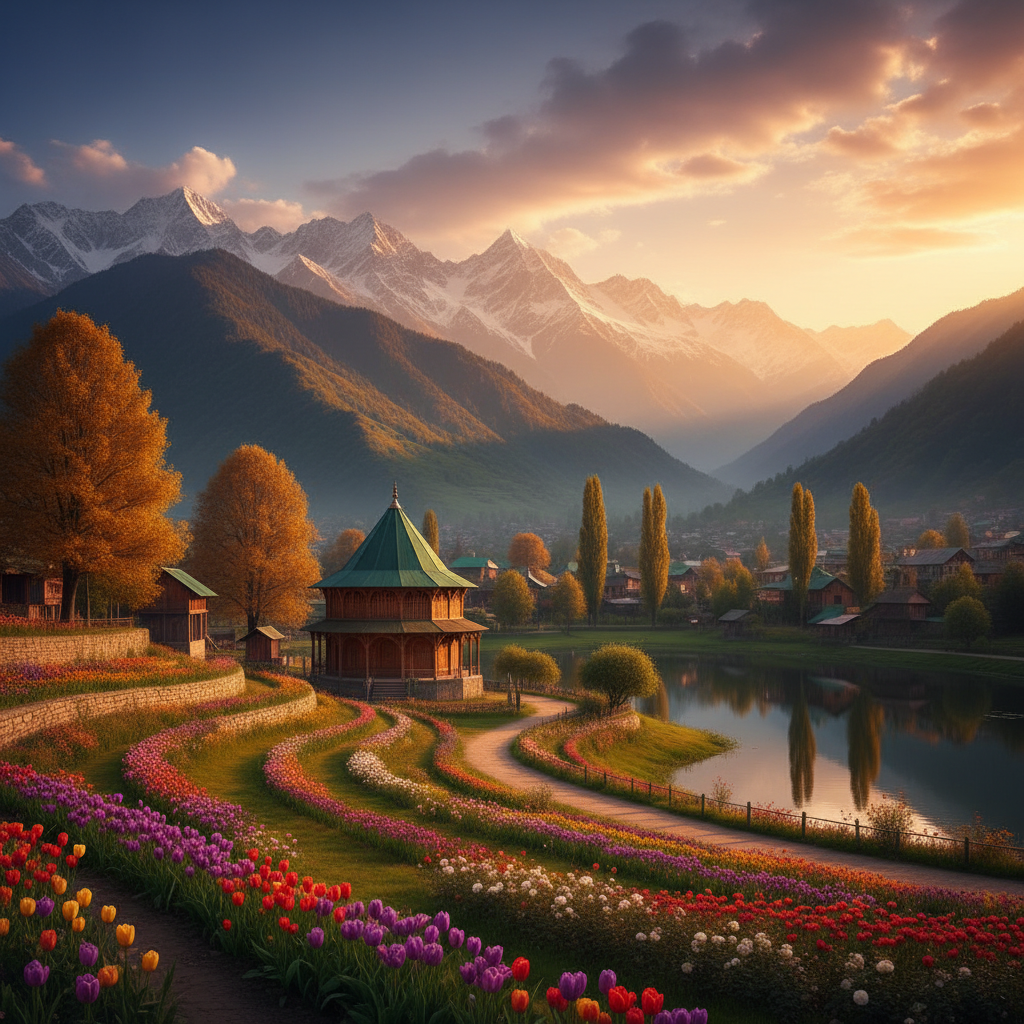
Chrar-e-Sharief Travel Guide: A Glimpse into Kashmir's Spiritual Heart
Chrar-e-Sharief, nestled amidst the pristine beauty of Kashmir, is more than just a town; it's a profound spiritual destination, primarily revered for the shrine of Sheikh Noor-ud-Din Noorani, also known as Nund Rishi. This sacred place draws pilgrims, historians, and peace-seekers from across the globe, offering a unique insight into Kashmir's rich Sufi heritage and composite culture. The journey to Chrar-e-Sharief itself is an experience, winding through lush green landscapes and traditional Kashmiri villages, providing a tranquil escape from the bustling city life of Srinagar. For those looking to delve deeper into the spiritual fabric of the valley, understanding the history and significance of this shrine is paramount. It represents a living testament to the syncretic traditions that have long defined Kashmir, where religious harmony is woven into the very fabric of society. This guide aims to equip you with all the necessary information for a respectful and enriching visit to Chrar-e-Sharief, ensuring you experience its serene beauty and spiritual aura fully.
Who Chrar-e-Sharief Suits and When to Visit
Chrar-e-Sharief is an ideal destination for spiritual seekers, history enthusiasts, cultural tourists, and anyone looking for a peaceful retreat away from conventional tourist trails. While it's a significant pilgrimage site for Muslims, its universal message of peace and communal harmony resonates with people of all faiths. The shrine's architectural beauty, combined with the serene surroundings, also appeals to photographers and those interested in Kashmiri heritage. Families seeking a quiet, reflective experience will find it particularly rewarding. The best time to visit Chrar-e-Sharief is typically from April to October. During these months, the weather is pleasant, with mild temperatures ranging from 15°C to 25°C, making travel comfortable and the scenic beauty at its peak. Spring (April-May) offers blooming flowers, while autumn (September-October) paints the landscape in golden hues. Winters (November-March) can be quite cold, with heavy snowfall, sometimes making roads challenging, though the snow-clad scenery can be breathtaking for those prepared for the chill. Avoid peak summer months (July-August) if you prefer to escape the occasional crowds, although the shrine rarely feels overly congested.
Getting to Chrar-e-Sharief: Transport Options and Road Conditions
Chrar-e-Sharief is located approximately 28-30 kilometres southwest of Srinagar, the capital city of Jammu and Kashmir. The most convenient way to reach the shrine is by road. Private taxis are readily available from Srinagar, particularly from areas like Lal Chowk, Dal Gate, or directly from Srinagar Airport. A one-way taxi ride from Srinagar to Chrar-e-Sharief typically costs between INR 1800-2500, depending on the type of vehicle and negotiation. A round trip with waiting time at the shrine might range from INR 2500-3500. Alternatively, shared taxis and mini-buses operate from Batamaloo Bus Stand in Srinagar, offering a more economical option, costing around INR 150-250 per person for a one-way journey. These services are frequent throughout the day. The road condition to Chrar-e-Sharief is generally good, well-maintained, and paved, offering a smooth drive. The journey takes about 1 to 1.5 hours, depending on traffic and road conditions. You'll pass through several small villages and agricultural fields, providing picturesque views of the Kashmiri countryside. While the route is scenic, it's advisable to start early, especially if you plan to combine your visit with other nearby attractions, to make the most of daylight hours and avoid potential evening traffic.
Exploring the Shrine: A Step-by-Step Experience
Upon arrival at Chrar-e-Sharief, you'll immediately sense a distinct spiritual atmosphere. The town itself is built around the shrine complex. As you approach, you'll pass through bustling local markets selling religious offerings, traditional Kashmiri crafts, and snacks. Before entering the shrine, it's customary to remove your shoes at designated stands. Women are often asked to cover their heads as a sign of respect, and shawls are usually available for rent or purchase if needed. The main shrine complex houses the tomb of Sheikh Noor-ud-Din Noorani (Nund Rishi). The architecture is predominantly Kashmiri, with distinct wooden carvings and multi-tiered roofs. Inside, devotees offer prayers, read from the Quran, and seek blessings. The atmosphere is generally quiet and contemplative. Adjacent to the main shrine is a mosque where daily prayers are held. Take your time to absorb the peaceful energy, observe the devotion of the pilgrims, and reflect. There are also smaller structures and graves of the Sheikh's disciples within the complex. Remember to maintain decorum, avoid loud conversations, and refrain from photography inside the inner sanctum to respect the sanctity of the place. Spend at least 1-2 hours to truly experience the shrine's spiritual essence.
Nearby Attractions: Extending Your Chrar-e-Sharief Visit
While Chrar-e-Sharief is primarily a spiritual destination, there are a few interesting spots nearby that can enrich your visit. One notable site is the Kani Mazar, also known as the Martyrs' Graveyard, located a short walk from the main shrine. This solemn place commemorates those who lost their lives in a significant fire incident that damaged parts of the shrine complex in 1995. It offers a poignant reminder of the resilience and spirit of the local community. For nature lovers and those seeking more serenity, the surrounding areas of Chrar-e-Sharief offer beautiful landscapes. You could consider a short drive or walk to some of the higher points around the town for panoramic views of the valley. While not a conventional tourist spot, the nearby villages provide an authentic glimpse into rural Kashmiri life. If you have more time and are interested in exploring further, the scenic Yusmarg, known as the 'Meadow of Jesus', is approximately an hour's drive away. It's a pristine meadow surrounded by pine forests, offering opportunities for short treks and picnics, making for a perfect half-day extension to your Chrar-e-Sharief trip.
Where to Eat and Stay: Local Options and Recommendations
Chrar-e-Sharief is a small town, and its culinary scene is predominantly focused on local Kashmiri food catering to pilgrims. You'll find several small eateries and dhabas around the shrine complex offering simple yet delicious meals like 'rogan josh', 'yakhni', various vegetarian curries, and local breads such as 'lavasa' and 'girda'. Tea stalls serving traditional 'Kashmiri Kahwa' (green tea with saffron and spices) and 'Sheer Chai' (salted pink tea) are abundant and a must-try. Prices for meals are very affordable, typically ranging from INR 150-300 per person for a decent meal. There are no high-end restaurants, but the local food offers an authentic taste of the region. For accommodation, Chrar-e-Sharief has limited options. There are a few basic guesthouses and 'sarai' (pilgrim lodges) near the shrine that offer clean but modest rooms, primarily catering to devotees. These might cost anywhere from INR 800-1500 per night. However, most visitors choose to stay in Srinagar, which offers a wide range of hotels, guesthouses, and houseboats catering to all budgets and preferences. Given the short travel time between Srinagar and Chrar-e-Sharief, it's convenient to make it a day trip from Srinagar, returning to your preferred accommodation in the city by evening.
Practical Tips: What to Pack, Local Etiquette, and Safety
When planning your visit to Chrar-e-Sharief, comfortable walking shoes are essential, as you'll be navigating the town and the shrine complex on foot. Dress modestly, particularly for women, covering shoulders and knees. Carrying a light scarf or shawl is recommended for head covering at the shrine. Even during summer, a light jacket might be useful for early mornings or evenings. Keep a small bag for your shoes when entering the shrine. A portable power bank for your phone is always a good idea, as charging points might be limited. Local etiquette dictates respectful behaviour, especially within the shrine. Maintain silence or speak softly, and avoid public displays of affection. Ask for permission before taking photographs of people. The locals are generally welcoming and helpful. While Kashmir is generally safe for tourists, it's always wise to be aware of your surroundings, especially in crowded areas. Avoid travelling alone after dark. If hiring a taxi, confirm the fare beforehand. Keep some cash handy, as digital payment options might not be available everywhere in smaller towns. For any emergencies, Srinagar, being the nearest major city, has medical facilities. Lastly, be mindful of local customs and traditions to ensure a smooth and respectful visit.
Related Kashmir Guides & Services
<p>Planning the rest of your trip? These Mid Holidays guides pair well with this article:</p><ul><li><a href="/blog/pampore-saffron-fields-visit-guide">Pampore Saffron Fields Visit Guide: Kashmir's Golden Bloom</a></li><li><a href="/blog/places-to-visit-near-yusmarg">Hidden Gems: Places to Visit Near Yusmarg for a Serene Kashmir Escape</a></li><li><a href="/blog/places-to-visit-near-doodhpathri">Beyond Doodhpathri: Top Places to Visit Near Doodhpathri</a></li><li><a href="/blog/leh-to-chang-la-taxi-service">Leh to Chang La Taxi Service: Your Ultimate High-Altitude Journey Guide</a></li><li><a href="/blog/best-month-to-visit-gurez-valley">Best Month to Visit Gurez Valley: Your Ultimate Mid Holidays Guide</a></li></ul>
Frequently Asked Questions
What is the historical significance of Chrar-e-Sharief?
Chrar-e-Sharief holds immense historical and spiritual significance as it is home to the revered shrine of Sheikh Noor-ud-Din Noorani, Kashmir's patron saint and the founder of the Rishi order of Sufism. He is fondly known as Nund Rishi among locals. The shrine, believed to be centuries old, represents Kashmir's unique syncretic culture where Islamic mysticism blended with local traditions, promoting peace, tolerance, and communal harmony. His teachings continue to inspire many.
Are there any entry fees or special permits required to visit the shrine?
No, there are no entry fees or special permits required to visit the Chrar-e-Sharief shrine. It is open to all visitors, irrespective of their faith. However, it is customary to contribute a small donation, known as 'nazrana', if you wish, which goes towards the maintenance of the shrine. This is entirely voluntary and not mandatory for entry or darshan (viewing).
Can non-Muslims enter the Chrar-e-Sharief shrine?
Yes, non-Muslims are welcome to enter and visit the Chrar-e-Sharief shrine. The shrine embodies a spirit of universal brotherhood and has always been a place of solace for people of all faiths. Visitors are only expected to dress modestly and observe the general decorum and sanctity of the place, such as removing shoes before entering and covering heads for women.
What kind of local food can I expect to find in Chrar-e-Sharief?
In Chrar-e-Sharief, you can expect to find authentic Kashmiri cuisine at local eateries and dhabas. Popular dishes include Rogan Josh (a rich lamb curry), Yakhni (yogurt-based lamb curry), and various vegetarian preparations. You'll also find local breads like Lavasa and Girda, often served with traditional Kashmiri chai such as Kahwa or the unique Sheer Chai (salted pink tea). Food options are simple, wholesome, and budget-friendly.
Is it possible to visit Chrar-e-Sharief as a day trip from Srinagar?
Absolutely. Chrar-e-Sharief is very convenient for a day trip from Srinagar. Located just about 30 kilometres away, the drive typically takes around 1 to 1.5 hours one-way. You can easily hire a private taxi for a round trip or opt for shared transport from Srinagar. This allows you ample time to explore the shrine and its immediate surroundings before returning to your accommodation in Srinagar by evening.
Are there public restrooms available near the shrine?
Yes, there are public restrooms available near the Chrar-e-Sharief shrine complex, primarily for the convenience of pilgrims and visitors. While these facilities are functional, they might be basic in nature. It is advisable to carry your own hand sanitiser and tissues. There might also be facilities available within some of the larger guesthouses or eateries in the vicinity.
What is the significance of the Ziyarat in Chrar-e-Sharief?
The 'Ziyarat' at Chrar-e-Sharief refers to the act of visiting the shrine and paying homage to Sheikh Noor-ud-Din Noorani. For many, it's a spiritual journey to seek blessings, offer prayers, and reflect on the saint's teachings of peace, humanity, and devotion. Pilgrims often bring offerings, recite verses, and participate in collective prayers, believing that their supplications are heard at this sacred site.