Ladakh Monastery Circuit Guide: Exploring Ancient Buddhist Heritage
Ladakh Travel Guides
Discover the ancient Buddhist heritage of Ladakh with our comprehensive Ladakh Monastery Circuit Guide. Plan your spiritual journey through serene…
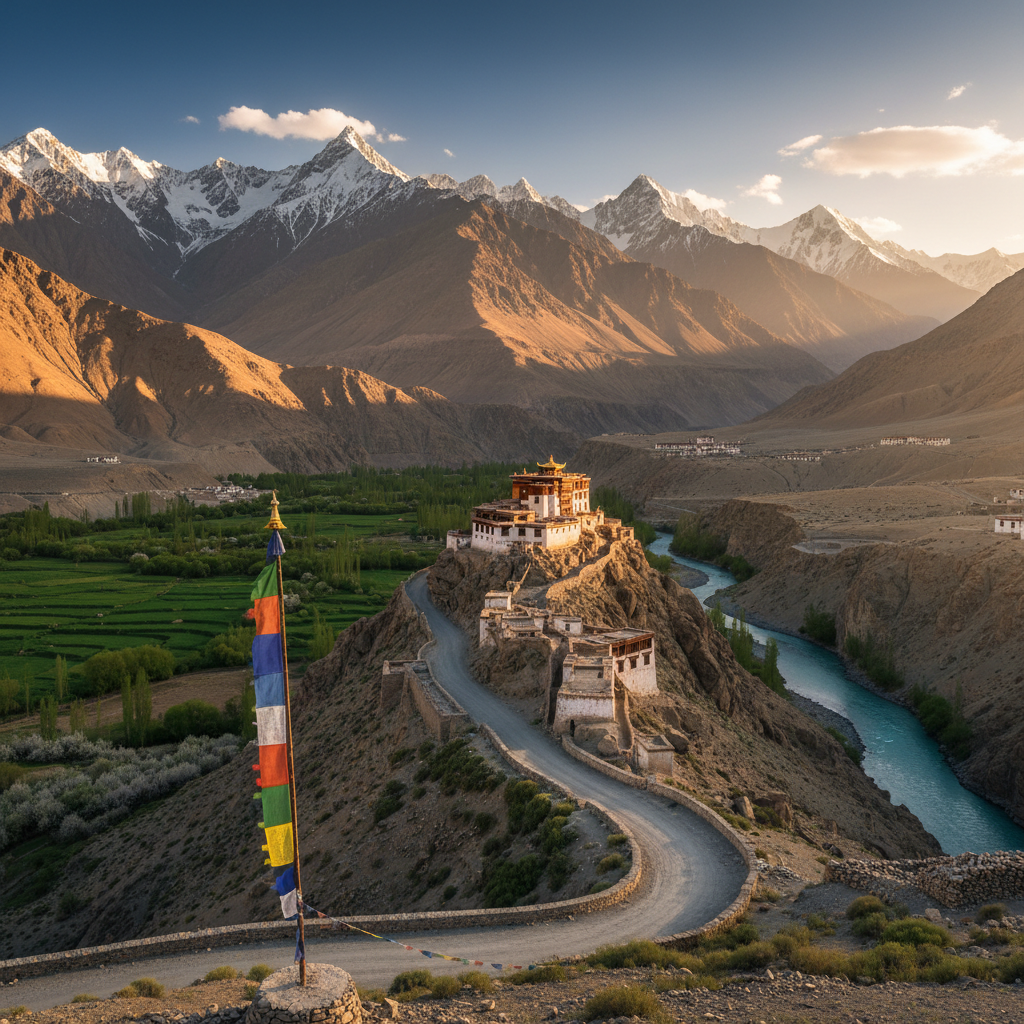
An Introduction to Ladakh's Monastery Circuit: A Spiritual Journey
Ladakh, often called 'The Land of High Passes,' is also a spiritual heartland, home to numerous ancient Buddhist monasteries that dot its rugged landscape. The Ladakh Monastery Circuit isn't just a sightseeing tour; it's an immersive journey into centuries of Tibetan Buddhist culture, art, and philosophy. These monasteries, known as 'Gompas,' are not mere buildings; they are living centers of worship, education, and community life, perched majestically on hilltops or nestled in serene valleys. Each Gompa tells a unique story through its intricate murals, thangkas, statues, and resident monks (Lamas). This guide focuses on helping you navigate the most significant and accessible monasteries around Leh, providing practical information for a meaningful exploration. Whether you seek spiritual solace, a deep dive into art and history, or simply breathtaking views, the monastery circuit offers an unforgettable experience. It's suitable for all types of travelers, from solo adventurers to families, who are ready to embrace the tranquility and profound beauty of Ladakh's spiritual core. The altitude can be challenging, so acclimatization in Leh is paramount before embarking on extensive tours.
Best Time to Explore the Monastery Circuit
The ideal time to undertake the Ladakh Monastery Circuit is generally from May to October. During these months, the weather is pleasant, with daytime temperatures ranging from 15°C to 25°C, making travel comfortable. The high mountain passes are open, ensuring accessibility to most monasteries. Mid-June to mid-September is particularly popular, as it coincides with summer holidays and stable weather. Many monasteries also host vibrant annual festivals (Gompa festivals or 'Tsechu') during this period, offering a spectacular glimpse into local culture and traditions, though this can also mean larger crowds and higher accommodation prices. If you prefer fewer tourists and don't mind slightly cooler temperatures, late May to early June or late September to early October are excellent choices. During winter (November to April), many roads are closed due to heavy snowfall, and temperatures drop significantly, making monastery visits challenging, though a few accessible ones near Leh offer a unique, serene experience in a snow-clad landscape. Always check local road conditions and festival schedules before planning your trip.
Planning Your Monastery Circuit: A Sample 5-Day Itinerary from Leh
A well-planned itinerary is crucial for a fulfilling monastery circuit experience, considering acclimatization and travel times. Here’s a sample 5-day plan based in Leh: Day 1: Arrival in Leh, Acclimatization & Local Sites. Arrive at Kushok Bakula Rimpochee Airport (IXL). Transfer to your hotel. Spend the day resting and acclimatizing to the high altitude (3,500m / 11,500ft). In the late afternoon, a gentle walk around Leh Main Bazaar or a visit to the Leh Palace and Shanti Stupa is recommended, both offering panoramic views and easy access. Day 2: Indus Valley Monasteries – Hemis, Thiksey, Shey. This circuit covers some of the most prominent monasteries. Start with Hemis Gompa, about 45 km southeast of Leh, the largest and wealthiest monastery in Ladakh, famous for its annual Hemis Festival. Next, visit Thiksey Gompa, approximately 19 km from Leh, known for its resemblance to the Potala Palace in Lhasa and housing a magnificent Maitreya Buddha statue. Conclude with Shey Palace and Gompa, the former summer residence of the kings of Ladakh, just 15 km from Leh. Allow a full day for this, including travel time and leisurely exploration. Expect INR 3,000-4,500 for a dedicated taxi for the day. Day 3: Alchi, Likir, Basgo Monasteries (West of Leh). Head west of Leh. Alchi Choskor, about 67 km from Leh, is unique for being built on flat ground, not a hilltop, and houses some of Ladakh's oldest murals (around 11th century). Likir Gompa, about 53 km from Leh, features a colossal Maitreya Buddha statue outdoors and is home to a branch of the Gelugpa order. Basgo, an ancient capital of Ladakh, boasts a ruined fortress and a beautiful monastery with a golden Buddha statue, about 40 km from Leh. This route also takes a full day, with taxi costs similar to Day 2. Day 4: Spituk, Phyang, and Magnetic Hill. Explore monasteries closer to Leh. Spituk Gompa, just 10 km from Leh, offers stunning views of the Indus River and a Kali Mata temple. Phyang Gompa, about 17 km from Leh, belongs to the Kagyupa sect and has a 900-year-old museum. En route, experience the fascinating Magnetic Hill, where vehicles appear to defy gravity. These are shorter visits, allowing more time for contemplation. Taxi for these three points would be around INR 2,000-3,000. Day 5: Departure. Depending on your flight schedule, enjoy a final Ladakhi breakfast before heading to the airport. This itinerary is flexible and can be adjusted based on your interests and pace.
Costs and Budgeting for Your Monastery Exploration
Budgeting for your Ladakh Monastery Circuit trip involves several key components. Flights to Leh (IXL) can range from INR 7,000 to INR 15,000 or more for a round trip from major Indian cities, depending on booking time and season. Accommodation in Leh varies widely: guesthouses offer rooms for INR 1,500-3,000 per night, mid-range hotels for INR 3,500-7,000, and luxury options can exceed INR 8,000. For transportation, hiring a private taxi is the most convenient way to visit the monasteries. Daily rates for a non-AC SUV (like Scorpio or Innova) typically range from INR 3,000 to INR 5,500 for full-day excursions, depending on the route and distance (e.g., Indus Valley circuit is around INR 3,500-4,500, Alchi circuit INR 4,500-5,500). Shared taxis or local buses are cheaper but less flexible and run on fixed schedules, not always covering all monasteries efficiently. Entry fees for monasteries are usually nominal, ranging from INR 30 to INR 100 per person at each Gompa. Food costs are reasonable, with a decent meal costing INR 300-700 per person in Leh. A comfortable 5-day monastery circuit trip, excluding flights, could cost a solo traveler around INR 20,000-35,000, assuming mid-range accommodation and shared taxi options for some days, or INR 40,000-60,000+ for private transport and comfortable stays.
Getting Around: Transport Options for the Monastery Circuit
The primary hub for your Ladakh Monastery Circuit is Leh. Reaching Leh is most commonly done by air, with daily flights from Delhi, Mumbai, and other major cities to Kushok Bakula Rimpochee Airport (IXL). The airport is just 4 km from Leh town. For exploring the monasteries, you have a few reliable transport options. 1. Private Taxi: This is the most flexible and convenient choice, especially for covering multiple monasteries in a day. Taxis are readily available in Leh Bazaar, and local taxi unions regulate fares, ensuring fixed rates for various circuits. A typical full-day monastery circuit (e.g., Indus Valley circuit) would cost around INR 3,500-4,500 for a comfortable SUV. You can book through your hotel or local tour operators like Mid Holidays. It allows you to set your own pace. 2. Shared Taxi: A more budget-friendly option, especially for solo travelers. You can often find shared taxis heading to popular monastery circuits from Leh main market early in the morning. However, they operate on fixed routes and timings, and might not offer the flexibility to linger at a specific monastery. 3. Rented Two-Wheeler: For adventurous travelers, renting a scooter (INR 1,000-1,500 per day) or a motorcycle (INR 1,800-2,500 per day for Royal Enfield) is an option. While offering immense freedom, this requires confidence in riding on mountain roads and knowledge of basic bike maintenance. Ensure you have the necessary permits and check the condition of the vehicle thoroughly. 4. Local Bus: The cheapest option, but least convenient for monastery hopping. Buses run on fixed schedules to larger villages and towns, near which some monasteries are located, but won't drop you directly at every gompa. This is best for those with ample time and a very tight budget.
Where to Stay and Eat in Leh and Near the Monasteries
Leh serves as the ideal base for exploring the monastery circuit due to its central location and abundant facilities. For accommodation, Leh offers a wide range from budget guesthouses (around INR 1,500-2,500 per night), often run by local families providing a warm, homely stay, to mid-range hotels (INR 3,000-6,000) with modern amenities, and even a few luxury resorts (INR 7,000+). Staying near Leh Main Bazaar provides easy access to restaurants, shops, and taxi stands. While most monastery tours are day trips from Leh, a few options exist for those seeking a deeper experience. Some monasteries, like Thiksey, offer guesthouse facilities within their complex for a unique, immersive stay, though these are basic and need advance booking. Homestays in villages along the Indus Valley (like Stok or Shey) also offer an authentic rural Ladakhi experience. For dining, Leh boasts diverse culinary options. You'll find traditional Ladakhi fare such as Thukpa (noodle soup), Momos (dumplings), and Tingmo (steamed bread). Many restaurants also serve Tibetan, Indian, Chinese, and even continental dishes. Some popular eateries in Leh include The Tibetan Kitchen for authentic Tibetan and Ladakhi food, Gesmo Restaurant for a mix of cuisines and great desserts, and La Ulto for a rooftop dining experience. When visiting monasteries, carry snacks and water, as food options outside Leh are limited to small tea stalls or dhabas in larger villages. Always stay hydrated, especially at high altitudes.
Packing Essentials, Safety, and Local Etiquette for Your Visit
Packing smart is crucial for a comfortable and respectful monastery circuit tour. Layered clothing is key, as temperatures can fluctuate drastically throughout the day. Include warm jackets, fleeces, thermals, and a waterproof outer shell, even in summer. Sturdy walking shoes are essential for uneven terrain. Don't forget high-SPF sunscreen, sunglasses, and a wide-brimmed hat to combat the intense Himalayan sun. A basic first-aid kit with altitude sickness medication (Diamox, consult your doctor), pain relievers, and any personal medicines is vital. Carry a reusable water bottle to stay hydrated and minimize plastic waste. Safety in Ladakh, especially regarding altitude, is paramount. Acclimatize for at least 24-48 hours upon arrival in Leh. Avoid strenuous activity on day one, drink plenty of fluids, and refrain from alcohol. Be aware of symptoms of Acute Mountain Sickness (AMS) – headache, nausea, dizziness – and descend if symptoms worsen. For local etiquette, respect Buddhist traditions: dress modestly (shoulders and knees covered), remove your shoes before entering prayer halls, circumambulate stupas and monasteries clockwise, and avoid pointing your feet at altars or monks. Photography is generally allowed but ask permission before photographing monks, and flash photography is often prohibited inside prayer halls to preserve ancient murals. Maintain silence and reverence inside the gompas. These practices ensure a respectful and enriching experience for both you and the local community.
Common Mistakes to Avoid on the Ladakh Monastery Circuit
Navigating the Ladakh Monastery Circuit can be an incredibly rewarding experience, but a few common mistakes can detract from your journey. Firstly, inadequate acclimatization is a major pitfall. Many visitors arrive in Leh and immediately rush into sightseeing, leading to Acute Mountain Sickness (AMS). Always dedicate your first 1-2 days in Leh to rest and light activities. Secondly, underestimating the sun's intensity at high altitude is common. Sunburn and dehydration are real risks; always use high-SPF sunscreen, wear sunglasses, and carry ample water. Thirdly, disrespecting local customs and traditions can cause offense. Remember to dress modestly, remove your shoes inside prayer halls, and ask for permission before taking photos of monks or inside restricted areas. Fourthly, overpacking your itinerary is another frequent mistake. Trying to cram too many monasteries into a single day can make the experience rushed and tiring. Allow ample time at each site to truly absorb its atmosphere and history. Fifthly, relying solely on cash can be problematic outside Leh. While ATMs are available in Leh, smaller villages and even some monasteries may not have card facilities, so carry enough Indian Rupees for entry fees, small purchases, and emergencies. Lastly, not carrying essential medications, especially for altitude sickness, can lead to serious health issues. A well-stocked personal first-aid kit is non-negotiable. By avoiding these common errors, you can ensure a smoother, safer, and more spiritually enriching journey through Ladakh's ancient monasteries.
Related Kashmir Guides & Services
<p>Planning the rest of your trip? These Mid Holidays guides pair well with this article:</p><ul><li><a href="/blog/pampore-saffron-fields-visit-guide">Pampore Saffron Fields Visit Guide: Kashmir's Golden Bloom</a></li><li><a href="/blog/leh-local-sightseeing-1-day-itinerary">Leh Local Sightseeing: Your Perfect 1-Day Itinerary Guide</a></li><li><a href="/blog/leh-ladakh-best-time-to-visit-month-wise">Leh Ladakh Best Time to Visit Month-Wise: Your Ultimate Guide</a></li><li><a href="/blog/leh-to-chang-la-taxi-service">Leh to Chang La Taxi Service: Your Ultimate High-Altitude Journey Guide</a></li><li><a href="/blog/yusmarg-day-trip-itinerary">Your Ultimate Yusmarg Day Trip Itinerary from Srinagar</a></li></ul>
Frequently Asked Questions
How many days are needed to cover the main Ladakh Monastery Circuit?
To comfortably cover the major monasteries around Leh, including the Indus Valley circuit (Hemis, Thiksey, Shey) and the western circuit (Alchi, Likir, Basgo), you should plan for at least 3-4 full days of sightseeing. This is in addition to 1-2 days for acclimatization in Leh upon arrival. A 5 to 6-day itinerary is ideal, allowing for a relaxed pace and deeper exploration without feeling rushed, ensuring you absorb the spiritual essence of each site.
Are permits required to visit monasteries in Ladakh?
No, inner line permits are generally not required for visiting the monasteries that form the main circuit around Leh (such as Hemis, Thiksey, Alchi, Likir, Spituk, etc.). These areas are open to all tourists. Permits are only necessary if you plan to visit restricted areas like Nubra Valley, Pangong Tso, Tso Moriri, or Hanle, which are separate from the core monastery circuit. Always carry a valid ID (Aadhar Card, Driving License, Passport) for identification purposes when travelling.
What is the typical entry fee for monasteries in Ladakh?
Most monasteries in Ladakh charge a nominal entry fee. This fee typically ranges from INR 30 to INR 100 per person at each Gompa for Indian nationals, and slightly higher for foreign tourists. These fees contribute to the maintenance of the monastery and welfare of the monks. It is always advisable to carry small denominations of Indian Rupees cash, as card payments are generally not accepted at the entrance gates.
Can I stay overnight at any of the monasteries?
While most monastery visits are day trips from Leh, some larger monasteries like Thiksey Gompa offer basic guesthouse facilities within their complex for pilgrims and serious spiritual seekers. These accommodations are usually simple, non-luxurious, and need to be booked well in advance, especially during peak season. Staying overnight provides a unique opportunity to experience the morning prayers and serene monastic life. Enquire directly with the monastery administration for availability and booking.
Is photography allowed inside the monasteries?
Photography is generally allowed in the courtyards and exterior areas of most monasteries. However, inside the main prayer halls (Dukhang) and temples, flash photography is often prohibited to preserve ancient murals and thangkas. In some areas, photography might be completely restricted. Always look for 'no photography' signs or ask for permission from a monk before taking pictures, especially if you wish to photograph individuals. Respecting these rules is crucial for preserving these cultural treasures.
What should I wear when visiting monasteries?
When visiting monasteries, it's essential to dress modestly as a sign of respect for the sacred sites. This means covering your shoulders and knees. Loose-fitting trousers or long skirts, and shirts or blouses that cover your arms, are appropriate. Avoid revealing clothing like shorts, tank tops, or mini-skirts. It's also customary to remove your shoes before entering prayer halls or temples, so wearing footwear that is easy to slip on and off is convenient.
Are there any special festivals celebrated at these monasteries?
Yes, many monasteries host vibrant annual festivals known as 'Tsechus' or 'Gompa festivals,' which are major cultural highlights in Ladakh. Hemis Gompa hosts the famous Hemis Festival in June/July, Thiksey has the Gustor Festival in October/November, and Phyang celebrates the Phyang Tsedup in July/August. These festivals feature masked dances (Cham Dance) performed by monks, ancient rituals, and spiritual ceremonies. Attending one offers a profound insight into Ladakhi Buddhist culture, though it will mean more crowds and prior booking of accommodation and transport is essential.