Kashmir Holi Celebration Guide: A Local's Perspective on Colors
Kashmir Cultural Guide
Discover how Kashmir Holi celebrations unfold with our local's guide. Learn about traditions, safety tips, and what to expect during this festival of colors.
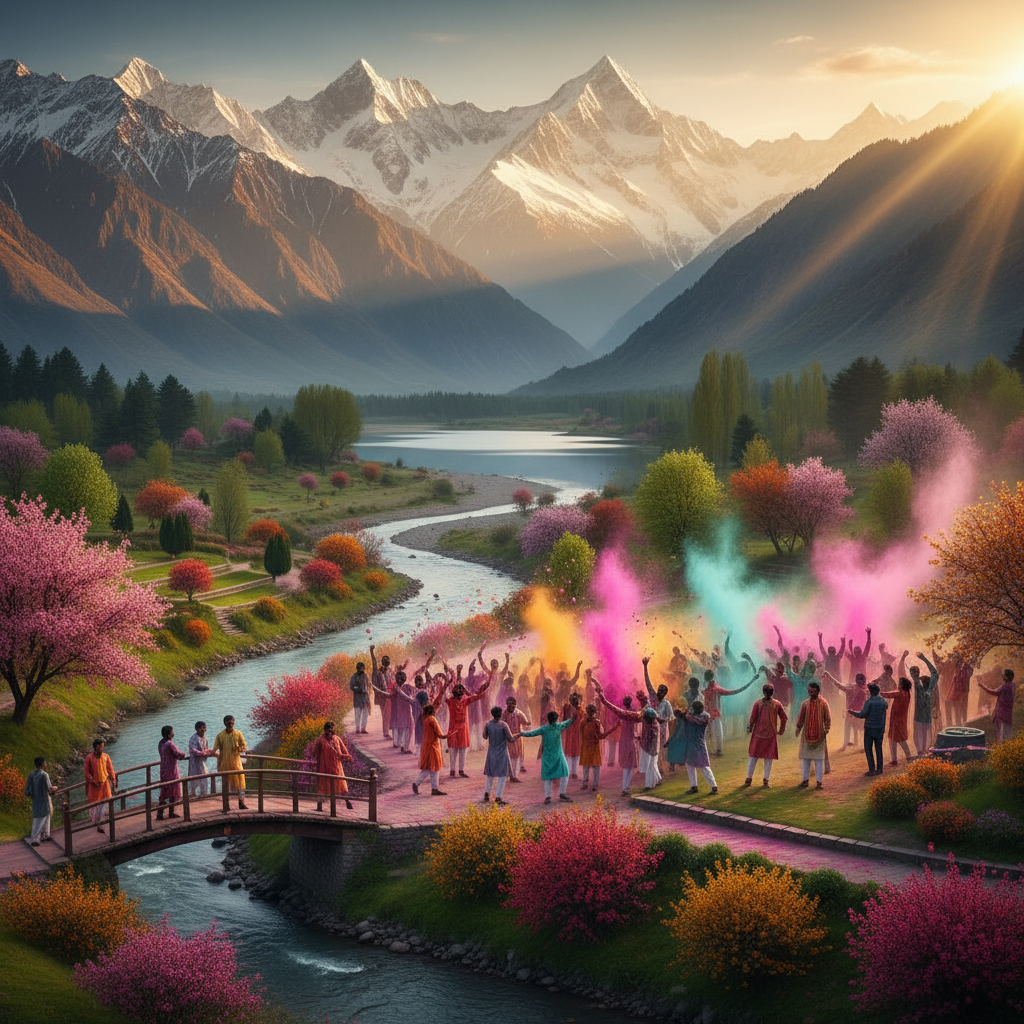
Kashmir Holi Celebration: An Overview for Visitors
Holi, the vibrant festival of colors, is celebrated across India with immense enthusiasm. While Kashmir is predominantly known for its stunning natural beauty and unique cultural tapestry, Holi here offers a different, more nuanced experience compared to the boisterous celebrations seen in other parts of the country. For visitors, understanding the local context is key to appreciating this festival. Primarily, Holi in Kashmir is celebrated with great fervour by the Kashmiri Pandit community, who have maintained their traditions despite challenging circumstances. Their celebrations are often centered around temples and community gatherings, marked by traditional rituals, devotional songs, and the playful application of gulal (dry color). It's a time for community bonding, exchanging sweets, and welcoming spring. The broader Muslim community in Kashmir, while not actively participating in the religious rituals of Holi, often observes the spirit of spring and communal harmony. You might find a more subdued atmosphere overall, but the underlying joy and welcoming nature of Kashmiris remain constant. Expect to see pockets of vibrant celebrations, particularly in areas with a significant Pandit population or within hotels and resorts that cater to tourists.
When is Holi Celebrated in Kashmir? Best Time to Visit
Holi typically falls in the Hindu calendar month of Phalguna, usually in March, sometimes extending into early April. The exact dates vary each year according to the lunar calendar. Holi is a two-day festival; the first evening is Holika Dahan, a bonfire ritual symbolizing the triumph of good over evil, followed by Rangwali Holi the next day, when people play with colors. March is a beautiful time to visit Kashmir, regardless of Holi. The Valley is slowly emerging from winter's embrace, with early spring flowers beginning to bloom, especially narcissus, crocuses, and occasionally early tulips. The weather is generally pleasant, with daytime temperatures ranging from 10 to 18 degrees Celsius, though evenings can still be cool, dropping to around 5-8 degrees Celsius. This transitional period offers stunning landscapes, with snow still capping the higher peaks and the lower valleys turning green. If your primary aim is to experience a traditional Holi, plan your trip to coincide with the festival dates, but also be prepared to enjoy Kashmir's natural beauty in its early spring glory. It's a time when the gardens are meticulously prepared for the upcoming tourist season, and the atmosphere is serene.
Where to Experience Holi in Kashmir: Local Pockets of Celebration
To experience Holi in Kashmir, your best bet is to look for celebrations within Kashmiri Pandit communities or at dedicated events organized by hotels. In Srinagar, areas like Habba Kadal, Ganpatyar, and areas around Durga Nag Temple are traditionally where Kashmiri Pandits have historically resided and celebrated their festivals. While the community size has changed over time, these remain significant cultural hubs. During Holi, you might find families and friends gathering in these localities for traditional pujas and playing with gulal. It's important to approach these celebrations with respect and observe rather than intrude, unless explicitly invited. Many resorts and hotels in Srinagar, particularly those catering to a diverse Indian clientele, often organize their own Holi events for guests. These can range from small color-playing sessions to cultural evenings. Checking with your accommodation in advance is highly recommended. Beyond Srinagar, smaller Pandit communities in towns like Anantnag or Baramulla might also have their own, more intimate celebrations. Always remember that these are often private community events, and it's best to participate respectfully and only if welcomed.
Traditional Holi Practices and Customs in Kashmir
The Holi celebration in Kashmir, especially among Kashmiri Pandits, is steeped in ancient traditions. It begins with Holika Dahan on the eve of Rangwali Holi. Small bonfires are lit, symbolizing the burning of Holika, a mythological demoness, and the victory of devotion. Families gather around, offer prayers, and perform rituals. The next morning is Rangwali Holi, the day of colors. Unlike the boisterous 'mud-slinging' with wet colors seen elsewhere, Kashmiri Pandit Holi often involves a more gentle and symbolic application of dry gulal. People visit homes of relatives and friends, applying a tilak of color on each other's foreheads, exchanging greetings, and sharing traditional sweets like 'pua' or 'gujiya' and other festive delicacies. Devotional songs, known as 'bhajans', are often sung in temples and homes. The emphasis is on strengthening community bonds, forgiving past grievances, and celebrating the arrival of spring and new beginnings. It's a culturally rich experience that highlights the resilience and vibrancy of Kashmiri Pandit heritage. Children, of course, enjoy the playful aspect, often engaging in friendly color battles among themselves.
Safety and Etiquette During Holi in Kashmir for Tourists
Participating in Holi in Kashmir requires a mindful approach, especially for tourists. Firstly, always seek permission before applying color to anyone, particularly in public spaces. While celebratory, not everyone participates, and respect for individual boundaries is paramount. Stick to dry, organic gulal if you do play, as synthetic colors can be harsh on skin and the environment. Avoid playing with water balloons or harsh chemical colors, which are generally not part of the traditional Kashmiri celebration and can be perceived as disrespectful. If you're invited to a private gathering, embrace the experience but remain observant of local customs. Dress in old clothes that you don't mind getting stained, and protect your valuables like phones and cameras. It's advisable to carry a small bag or pouch to keep essential items safe from colors. As with any festival, exercise general caution, especially if moving through crowded areas. The local police and administration are generally vigilant. Overall, a respectful and observant attitude will ensure you have a pleasant and authentic experience of Holi in the Valley.
What to Pack for Holi and Spring in Kashmir
When packing for a Holi trip to Kashmir in March or early April, layer your clothing to adapt to varying temperatures throughout the day. Days can be mild and sunny, while evenings and mornings are cool. Start with comfortable inner layers, add a warm sweater or fleece, and top it with a light jacket or a woollen shawl. For exploring, comfortable walking shoes are essential. Since you might encounter colors, pack a set of old clothes specifically for Holi celebrations that you don't mind getting stained. Sunglasses and a hat are useful for sun protection. Don't forget sunscreen, as the spring sun can be surprisingly strong. For personal care, moisturiser and lip balm are vital for the drier climate. If you have sensitive skin, consider carrying a mild, organic color remover or a good quality cleansing oil. Always carry basic medications, and a small first-aid kit. A power bank for your mobile phone and a camera to capture the stunning spring landscapes are also recommended. A light rain jacket or umbrella can be handy for unexpected spring showers.
Budgeting for a Holi Trip to Kashmir: An Estimate
A Holi trip to Kashmir in March can be planned across various budgets. Accommodation prices vary widely; a comfortable mid-range hotel in Srinagar might cost INR 3,000-6,000 per night, while guesthouses could be INR 1,500-3,000. Houseboats on Dal Lake range from INR 2,500 for a basic stay to INR 8,000+ for luxury. Transportation is a significant factor. A taxi from Srinagar Airport to your hotel typically costs INR 1,200-1,800. For local sightseeing in and around Srinagar, a full-day taxi hire can range from INR 2,000-3,500, depending on the number of spots. If you plan day trips to Gulmarg or Pahalgam, expect taxi fares of INR 3,000-5,000 for each round trip. Food expenses can be managed by eating at local eateries (INR 300-600 per meal per person) or opting for hotel dining (INR 800-1,500+). Entrance fees to gardens or museums are usually nominal (INR 50-100). Overall, for a 4-5 day trip, a comfortable budget for two people, excluding flights, could range from INR 30,000-50,000. Celebrating Holi itself might involve purchasing a small pack of organic gulal, which is very inexpensive.
Beyond Holi: Exploring Spring Kashmir
While Holi adds a unique cultural dimension to your visit, Kashmir in spring offers much more to explore. The Mughal Gardens – Shalimar Bagh, Nishat Bagh, and Chashma Shahi – begin to burst with fresh blooms and are a sight to behold. A Shikara ride on Dal Lake is an essential experience, offering serene views of the surrounding mountains and bustling floating markets. Early March to April also marks the peak season for the Indira Gandhi Memorial Tulip Garden in Srinagar, although Holi often precedes its full bloom. However, you might catch early varieties. A day trip to Gulmarg, the 'Meadow of Flowers', allows you to witness lingering snow on the peaks and enjoy the Gondola ride for panoramic views. Pahalgam, with its Lidder River and pine forests, is another beautiful option for nature lovers. Don't miss exploring the old city of Srinagar, with its historic mosques, shrines, and bustling bazaars. Spring is also an excellent time for short walks and enjoying the crisp mountain air. For a seamless and enriching spring Kashmir experience, consider exploring Mid Holidays' curated Kashmir tour packages, designed to help you discover the Valley's beauty and cultural nuances at this vibrant time of year.
Related Kashmir Guides & Services
<p>Planning the rest of your trip? These Mid Holidays guides pair well with this article:</p><ul><li><a href="/blog/pampore-saffron-fields-visit-guide">Pampore Saffron Fields Visit Guide: Kashmir's Golden Bloom</a></li><li><a href="/blog/kishtwar-travel-guide-kashmir-hidden-paradise">Kishtwar Travel Guide: Explore Kashmir's Hidden Paradise with Mid Holidays</a></li><li><a href="/blog/best-india-circuit-first-time-international-visitors">Best India Circuit for First-Time International Visitors: A Mid Holidays Guide</a></li><li><a href="/blog/best-kashmiri-street-food-guide">Best Kashmiri Street Food Guide: A Local's Culinary Journey</a></li><li><a href="/blog/how-to-plan-kashmir-trip-from-delhi">How to Plan a Dream Kashmir Trip from Delhi: A Local's Guide</a></li></ul>
Frequently Asked Questions
Is Holi widely celebrated in all parts of Kashmir?
Holi celebrations in Kashmir are primarily observed by the Kashmiri Pandit community. You will find more visible festivities in areas with a significant Pandit population, particularly in and around Srinagar. While the broader community may not actively participate, hotels and resorts often organize events for tourists, ensuring visitors can still experience the joy of the festival in a controlled environment. The overall atmosphere during Holi in Kashmir is generally more subdued compared to other Indian states.
Can tourists participate in local Holi celebrations in Kashmir?
Yes, tourists can participate, but it's crucial to do so respectfully and with permission. If you are invited by a local family or to a community gathering, you can join in the festivities. Many hotels also organize Holi events for their guests, which are a safe and welcoming way to experience the festival. Always use organic colors, avoid water balloons, and be mindful of local customs and personal boundaries.
What kind of colors are used during Holi in Kashmir?
Traditionally, dry colored powders known as gulal are used during Holi in Kashmir. These are usually non-toxic and often made from natural ingredients. Unlike some other regions where wet colors and water balloons are common, the emphasis in Kashmir is more on the symbolic and gentle application of dry colors. It's advisable for tourists to stick to organic, dry gulal for a respectful and safe experience.
Is Kashmir safe to visit during the Holi festival?
Yes, Kashmir is generally safe to visit during the Holi festival. As with any travel, it's wise to be aware of your surroundings and respect local customs. Holi celebrations are largely confined to specific communities and private events. Tourist areas and attractions remain open, and local authorities ensure peace and order. Following general travel advice and being mindful of local traditions will ensure a pleasant and secure trip.
Will shops and attractions be open during Holi in Kashmir?
Most shops, restaurants, and tourist attractions in Kashmir generally remain open during Holi. While there might be some temporary closures for a few hours on the main day of Rangwali Holi, particularly in areas where celebrations are more pronounced, essential services continue to operate. It's always a good idea to check specific timings with your hotel or local guides for any particular attraction you plan to visit.
Are there any specific Kashmiri Holi delicacies to try?
During Holi, Kashmiri Pandit families prepare traditional sweets and snacks. Some common delicacies include 'pua' (sweet fried bread), 'gujiya' (sweet dumplings filled with khoya and nuts), and various types of 'halwa'. These are often shared among family and friends as part of the festive cheer. If you are invited to a local home, you might have the opportunity to taste these unique festive treats.
What's the weather like in Kashmir during Holi (March/early April)?
Holi in Kashmir, typically in March or early April, marks the beginning of spring. The weather is generally pleasant, with daytime temperatures ranging from 10 to 18 degrees Celsius. Evenings can still be cool, dropping to around 5-8 degrees Celsius. You'll witness the landscape slowly turning green, with early spring flowers blooming. It's advisable to pack layers, including warm sweaters and a light jacket, for comfortable travel.