Kashmir Almond Blossom Spring Guide: A Local's Perspective
Seasonal Travel Guide
Uncover the magic of Kashmir's almond blossom spring. This guide covers best times, hidden orchards, routes, costs, and local tips for an unforgettable trip.
Embrace Spring: Discovering Kashmir's Almond Blossom Season
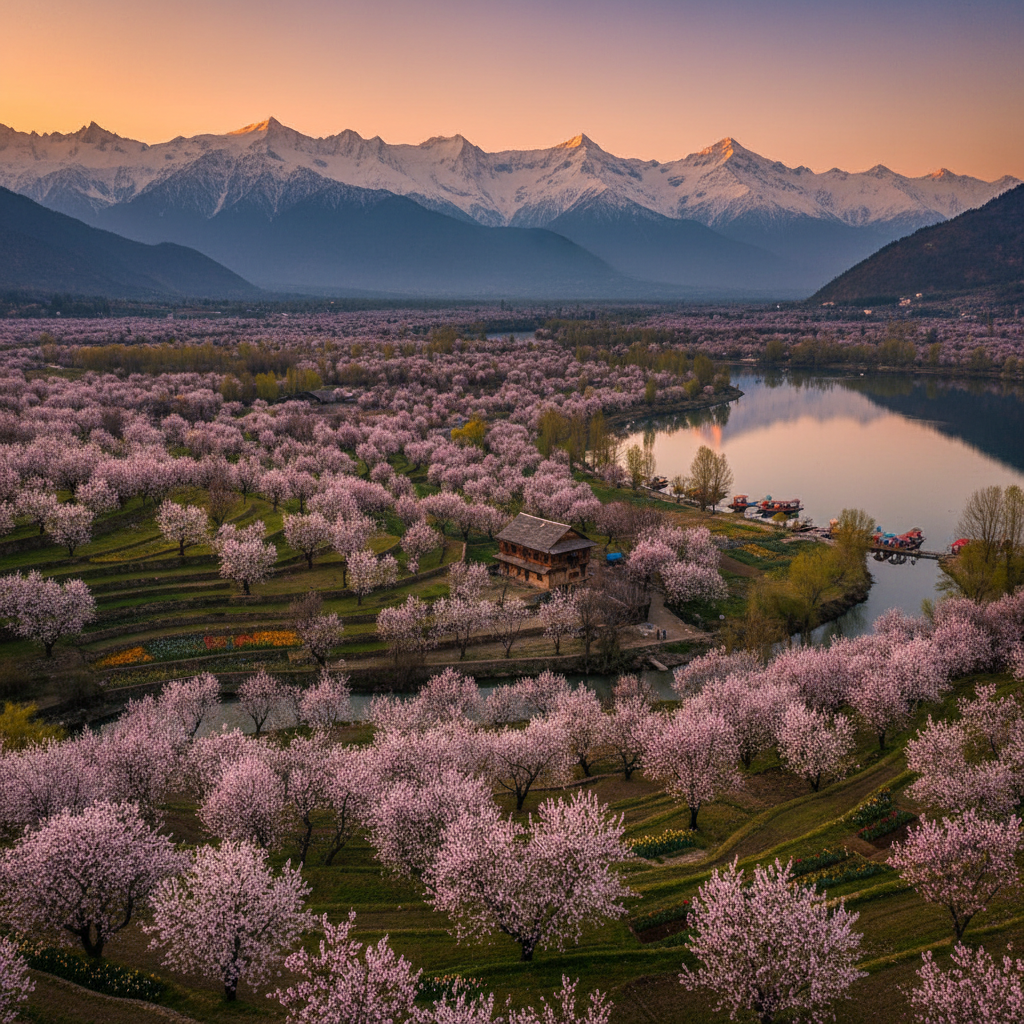
As a local from Srinagar, I can tell you there's a unique magic that sweeps over Kashmir when spring arrives, painting the landscape in soft hues of pink and white. It's not just about the famous Tulip Garden; it's about the more subtle, yet equally captivating, almond blossoms. This annual spectacle, locally known as 'Badamwari', marks the true awakening of the valley after its winter slumber. The air fills with a delicate fragrance, and the orchards, especially in and around Srinagar, transform into ethereal tunnels of bloom. It's a quieter, more introspective beauty compared to the vibrant tulips, offering a serene experience for those seeking genuine connection with Kashmir's natural rhythm. This guide is crafted for the discerning traveler who wishes to witness this fleeting phenomenon, providing an insider's perspective on where to go, when to visit, and how to make the most of this enchanting period. We'll explore the best spots to immerse yourself in the blossoms, from well-known gardens to lesser-trodden orchards, ensuring you capture the essence of a Kashmiri spring. It's an ideal time for nature lovers, photographers, and anyone looking to experience Kashmir's profound beauty before the summer rush begins.
When to Witness the Almond Blossom Spectacle
Timing is everything when it comes to catching the almond blossoms at their peak in Kashmir. Generally, the almond trees begin to bloom in late February, with the peak season typically falling in the first two to three weeks of March. However, this can vary slightly each year depending on the severity of the winter and the onset of spring temperatures. A milder winter might lead to an earlier bloom, while a prolonged cold spell could delay it by a few days. From our experience here at Mid Holidays, we've observed that the Badamwari Garden in Srinagar often sees its fullest bloom around the second week of March. Other orchards in surrounding areas might bloom a little earlier or later. It's a short window, usually lasting only about 10 to 15 days once the trees are in full blossom, making it a truly exclusive experience. We always recommend keeping an eye on local weather forecasts and checking with local tour operators or garden authorities closer to your travel dates for the most accurate bloom predictions.
Prime Locations for Almond Blossom Viewing in Kashmir
While almond orchards are scattered across the valley, some locations offer a particularly breathtaking view of the blossoms. The most prominent and easily accessible spot is the Badamwari Garden in Srinagar. Located on the foothills of Koh-e-Maran, this historic garden is dedicated to almond cultivation and opens its gates specifically for this spring celebration. It's a beautifully maintained space, perfect for leisurely strolls and photography, with the Hari Parbat fort providing a dramatic backdrop. Beyond Badamwari, you can find stunning almond blossoms in the areas surrounding Nishat Bagh and Shalimar Bagh, though not as concentrated as in Badamwari. For a more authentic and less touristy experience, consider exploring the rural areas around Pampore or the lower reaches of Gulmarg. These areas have scattered local orchards that provide picturesque views, often accompanied by the everyday life of Kashmiri villagers. A local guide can be invaluable in finding these hidden gems and ensuring respectful interaction with private property.
Planning Your Almond Blossom Trip: A Sample Itinerary
To fully immerse yourself in the almond blossom season, consider a 3-4 day itinerary focused on nature and local culture. Day 1: Arrive in Srinagar, check into your houseboat on Dal Lake or a hotel. In the afternoon, head straight to Badamwari Garden to catch the evening light on the blossoms. Enjoy a traditional Kashmiri dinner. Day 2: Explore the Mughal Gardens (Nishat, Shalimar) where you might find scattered almond trees, then take a Shikara ride on Dal Lake, perhaps spotting blossoms along the banks. Later, visit a local market for authentic crafts. Day 3: A day trip to a less-explored area. Head towards Pampore or a village near Gulmarg (like Tangmarg) to discover more secluded almond orchards. This offers a glimpse into rural Kashmiri life amidst the blooms. Return to Srinagar by evening. Day 4: Enjoy a relaxed breakfast, perhaps a final Shikara ride, before departing from Srinagar. This itinerary allows for flexibility and focuses on the unique spring experience. Remember to factor in travel time between locations, as Kashmir's roads, while scenic, can have varying conditions. A private vehicle or taxi is often the most convenient way to explore these dispersed locations. For those with more time, extending your stay allows for deeper exploration of other spring attractions or even a day trip to Doodhpathri, which starts to green up beautifully in spring.
Essential Packing and What to Expect from the Weather
Spring in Kashmir, especially in March, brings pleasant weather but can also be unpredictable. Days are generally mild and sunny, with temperatures ranging from 10°C to 20°C. However, evenings and early mornings can still be quite cool, dropping to 5°C to 8°C, and there's always a chance of light rain showers. Therefore, layering is key. Pack light woollens, a warm jacket or fleece, comfortable walking shoes, and a waterproof outer layer. Don't forget essentials like sunscreen, sunglasses, and a hat, as the sun can be quite strong during the day. For photographers, extra camera batteries are a must, as the beautiful light and scenery will have you clicking away. While the blossoms are the main attraction, the surrounding landscape will be waking up, so expect fresh greenery and budding flowers. Keep an eye on local weather forecasts right before your trip to fine-tune your packing list.
Estimated Costs and Local Transport Options
A trip to Kashmir during almond blossom season can be quite budget-friendly, especially compared to the peak summer months. For accommodation, expect a good mid-range hotel or a comfortable houseboat in Srinagar to cost anywhere from INR 3,000 to INR 6,000 per night. Guesthouses can be found for less, starting around INR 1,500 to INR 2,500. Food is generally affordable; a delicious meal at a local restaurant might cost INR 300 to INR 700 per person. For transport, local taxis are the most common and convenient option. A full day of sightseeing within Srinagar and nearby areas (like Badamwari, Mughal Gardens) could cost around INR 2,500 to INR 4,000, depending on the distance and type of vehicle. For day trips to places like Tangmarg/Gulmarg, expect to pay INR 3,500 to INR 5,500. Shikara rides on Dal Lake are usually INR 800 to INR 1,200 for an hour. Keep in mind that these are approximate ranges and can fluctuate. Always negotiate taxi fares beforehand or use a trusted tour operator for transport arrangements to avoid surprises.
Local Etiquette and Capturing the Beauty Respectfully
Kashmir is renowned for its hospitality, and respecting local customs will greatly enhance your travel experience. When visiting orchards, especially those on private land, always ask for permission before entering or taking photographs. While people are generally friendly, a polite request goes a long way. Dress modestly, especially when visiting religious sites. For women, covering your head is appreciated in some areas. Public displays of affection are generally frowned upon. When photographing the blossoms, try to be mindful of your surroundings and avoid disturbing the trees or breaking branches. The almond blossoms are delicate, and preserving their beauty for others to enjoy is important. Engage with locals, try some Kashmiri Kahwa, and perhaps buy some local saffron or handicrafts directly from artisans. This not only supports the local economy but also provides you with authentic souvenirs and memorable interactions. Remember, you are a guest in their beautiful home, and a respectful attitude is always appreciated.
Common Mistakes to Avoid During Your Almond Blossom Trip
To ensure a smooth and enjoyable trip, there are a few common pitfalls to steer clear of during the almond blossom season. Firstly, don't solely rely on visiting the Tulip Garden for spring blooms. While beautiful, the almond blossoms offer a different, earlier, and often less crowded experience. Secondly, avoid booking your trip too late. The bloom period is short and precise; trying to book last minute might mean missing the peak. It's best to plan for early to mid-March and have some flexibility. Another mistake is underestimating the evening chill. While days are pleasant, temperatures can drop significantly after sunset, so not packing warm layers can lead to discomfort. Lastly, don't shy away from exploring beyond the main tourist spots. Some of the most enchanting almond blossom views are found in quieter, rural areas that a good local guide or pre-arranged transport can help you discover. This allows for more authentic photography and interaction, moving beyond the usual tourist circuit and truly embracing the tranquility of a Kashmiri spring. For seamless planning, consider exploring Mid Holidays' curated Kashmir tour packages that can be tailored to include the almond blossom experience.
Related Kashmir Guides & Services
<p>Planning the rest of your trip? These Mid Holidays guides pair well with this article:</p><ul><li><a href="/blog/10-mistakes-tourists-make-in-kashmir-avoid-these">10 Mistakes Tourists Make in Kashmir: Avoid These for a Perfect Trip</a></li><li><a href="/blog/what-to-wear-kashmir-season-wise">What to Wear in Kashmir Season-Wise: Your Ultimate Packing Guide</a></li><li><a href="/blog/yusmarg-day-trip-itinerary">Your Ultimate Yusmarg Day Trip Itinerary from Srinagar</a></li><li><a href="/blog/leh-ladakh-best-time-to-visit-month-wise">Leh Ladakh Best Time to Visit Month-Wise: Your Ultimate Guide</a></li><li><a href="/blog/doodhpathri-day-trip-itinerary">Doodhpathri Day Trip Itinerary: Your Ultimate Guide for a Perfect Day</a></li></ul>
Frequently Asked Questions
Is the almond blossom season crowded in Kashmir?
Generally, the almond blossom season, primarily in March, is significantly less crowded than the later tulip festival or peak summer months. It offers a more serene and peaceful experience. While Badamwari Garden can see a good number of visitors, especially on weekends, the surrounding orchards and rural areas remain tranquil, allowing for quiet enjoyment of the blooms.
Can I combine an almond blossom trip with a visit to the Tulip Garden?
Combining both is possible, but timing needs to be precise. The almond blossoms typically peak in early to mid-March, while the Tulip Garden usually opens in late March or early April. If your trip falls in the last week of March, you might catch the tail end of almond blossoms and the beginning of the tulip bloom, offering a unique blend of experiences. Check bloom predictions closer to your travel date.
What kind of local food should I try during spring in Kashmir?
During spring, the focus shifts slightly from heavier winter fare. Don't miss out on Wazwan, a multi-course traditional meal, even in spring. Local favorites include Rogan Josh, Yakhni, and Dum Aloo. For a refreshing treat, try Kahwa, the traditional Kashmiri green tea with spices and almonds. Freshly baked local bread, like Lavasa or Sheermal, is also a must-try with your morning tea.
Are private almond orchards accessible to tourists?
Access to private almond orchards varies. Many villagers are hospitable and might allow visitors if asked politely and respectfully. It's best to go with a local guide who knows the area and can facilitate such interactions. Never enter private property without permission. Some smaller guest houses or homestays in rural areas might have their own orchards that guests can enjoy.
What are the photography tips for capturing almond blossoms?
For stunning almond blossom photos, aim for soft morning or late afternoon light ('golden hour') which enhances the delicate colours. Use a wide aperture for a blurred background, making the blossoms pop. Look for interesting compositions, like branches framing the Hari Parbat fort at Badamwari. Don't forget macro shots of individual flowers. Include people for scale or a sense of awe.
Is it safe to travel to Kashmir during the almond blossom season?
Yes, traveling to Kashmir during the almond blossom season is generally safe. Spring is a peaceful time, and visitors are welcomed warmly. Normal travel precautions apply, as with any destination. It's always advisable to stay informed about local conditions and follow any guidelines from local authorities or your tour operator. Engaging a reputable local travel agency like Mid Holidays can provide added peace of mind and support.