Pangong Lake Camping Guide: Your Ultimate Ladakh Adventure
Ladakh Camping & Travel
Planning to camp at Pangong Lake? Our ultimate Pangong Lake camping guide covers everything from permits, best spots, costs, and safety for an unforgettable…
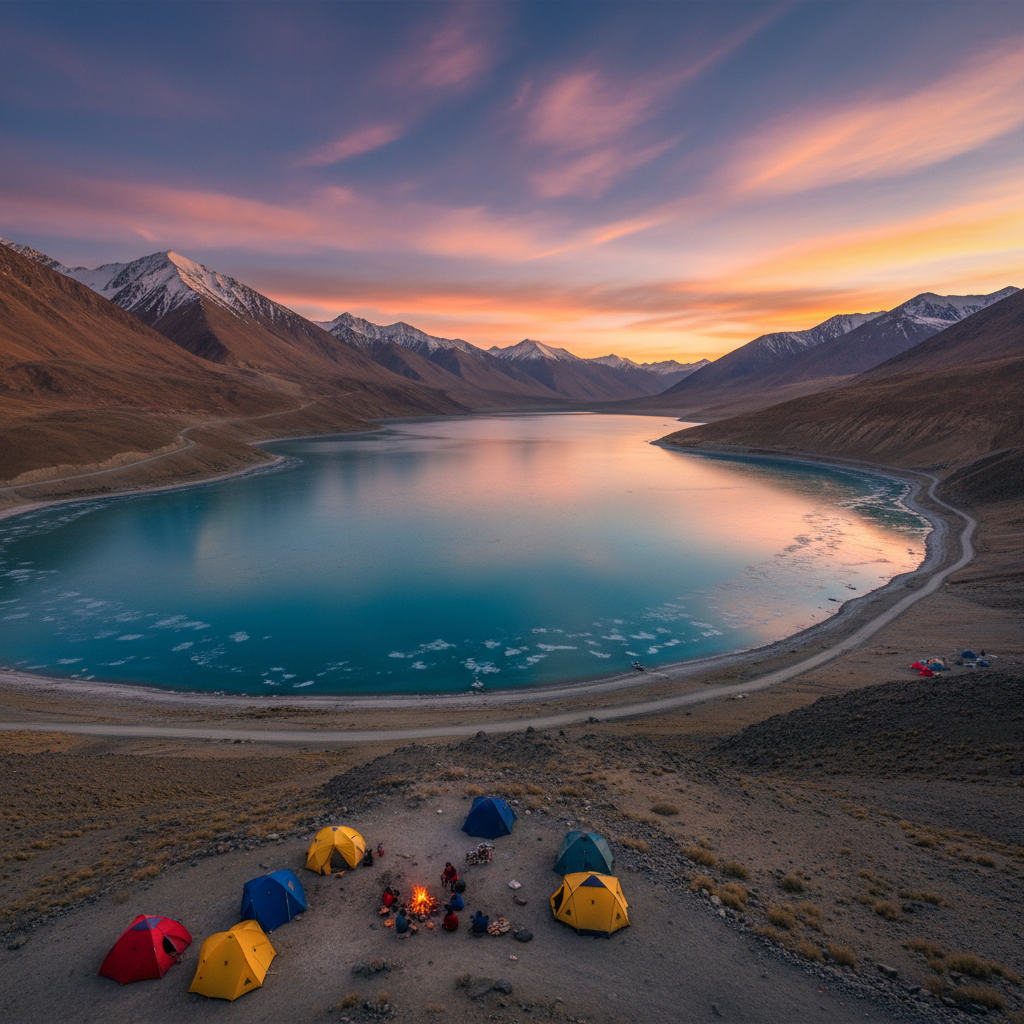
Pangong Lake Camping: An Overview for the Adventurous Traveller
Pangong Tso, or Pangong Lake, is not just a destination; it's an experience that carves itself into your memory, especially when you choose to stay overnight. This majestic high-altitude lake, stretching across the India-China border, is renowned for its ever-changing shades of blue, green, and red. Camping at Pangong is the ultimate way to truly immerse yourself in its surreal beauty, witness the stunning sunsets and sunrises, and gaze at a sky full of stars that seems almost within reach. It's an adventure best suited for those who appreciate raw nature, are prepared for basic amenities, and are comfortable with cold temperatures, even in summer. While the iconic blue waters are a day-trip highlight for many, an overnight stay reveals Pangong's quieter, more profound side. Imagine waking up to the gentle lapping of waves, with towering barren mountains as your backdrop, and the crisp, clean air filling your lungs. This guide focuses on making that dream a reality, providing practical, first-hand advice for planning your Pangong Lake camping trip. We'll navigate the essentials, from securing necessary permits to understanding local conditions, ensuring your adventure is both memorable and safe. Remember, proper preparation is key to enjoying this high-altitude marvel responsibly.
Best Time and Season for Pangong Lake Camping
The window for comfortable Pangong Lake camping is relatively short, primarily from late May to early October. During these months, the weather is milder, making the journey to the lake more accessible and overnight stays more manageable. Late May to June offers pleasant daytime temperatures, though nights remain chilly. This period sees the lake ice melt completely, revealing its famous vibrant hues. July and August are monsoon months, but Ladakh lies in a rain shadow area, meaning it experiences minimal rainfall. However, cloud cover can sometimes obscure the starry nights, and road conditions on the way to Pangong (especially Chang La Pass) can be affected by rain or slush, though usually not severely. September and early October are often considered the sweet spot for camping. The skies are generally clearer, offering spectacular views of both the lake and the night sky. The crowds begin to thin out, and the crisp autumn air adds to the serene atmosphere. However, temperatures drop significantly towards October end, and facilities start to close down. Beyond October, winter sets in, and most camping options shut down as the lake begins to freeze, and roads become impassable. Always check local weather forecasts and road conditions before planning your trip, especially if travelling closer to the shoulder seasons.
Permits and Regulations for Camping at Pangong
Camping directly on the shores of Pangong Lake is no longer permitted due to environmental concerns and the fragile ecosystem of the area. However, there are designated camping sites and permanent tented accommodations available in villages adjacent to the lake, such as Spangmik, Tangste, and Lukung. These villages are located just a short distance from the lake's edge, offering easy access to the views while ensuring the lake's pristine environment is protected. For any visit to Pangong Tso, including camping, Indian nationals require an Inner Line Permit (ILP). This permit can be applied for online through the official Leh administration website or obtained in person from the District Commissioner's office in Leh. Foreign nationals, on the other hand, need a Protected Area Permit (PAP), which must be applied for through a registered travel agent. It's crucial to obtain these permits before you begin your journey to Pangong, as they are checked at various checkpoints along the route. Make sure to carry multiple printouts of your permit, along with valid ID proof. The process is straightforward but essential for a hassle-free trip.
Types of Camping Accommodation and What to Expect
When planning your Pangong Lake camping experience, you'll generally find two main types of accommodation: permanent tented camps and guesthouses with basic rooms. Permanent tented camps are the most popular choice, offering a true camping feel with a level of comfort. These camps typically consist of large, sturdy tents (often referred to as 'Swiss tents') equipped with attached basic western-style toilets, running water (though hot water may be limited to specific hours or buckets), and comfortable beds with blankets. They are well-maintained and offer a good balance between adventure and amenity. You can expect rates to vary widely based on location, facilities, and the season, ranging from INR 2,500 to INR 6,000 per night for a double occupancy, often including dinner and breakfast. Guesthouses in villages like Spangmik and Tangste provide a more traditional stay with basic rooms, sometimes with attached bathrooms. These are generally more budget-friendly, starting from INR 1,500 to INR 3,000. While they might lack the 'camping' aesthetic, they offer solid shelter from the cold. Given the high altitude and remote location, expect basic services regardless of your choice. Electricity can be intermittent, often available only for a few hours in the evening, powered by generators. Mobile connectivity is unreliable, with only BSNL sometimes working, so be prepared for a digital detox. It's always wise to book in advance, especially during peak season, as options can fill up quickly.
Realistic Costs and Budgeting for Your Pangong Camping Trip
A Pangong Lake camping trip requires careful budgeting, as costs can add up, particularly due to transportation and permits. For transportation, hiring a private taxi from Leh to Pangong Tso and back typically costs between INR 8,000 to INR 12,000 for a two-day trip, depending on the vehicle type (like an Innova or Xylo) and bargaining skills. This usually includes the driver's overnight stay. Shared taxis are a more economical option, costing around INR 1,500 to INR 2,500 per person for a return trip, but they offer less flexibility. Inner Line Permits (ILP) cost around INR 400 per person, which includes an environmental fee and Red Cross Fund contribution. Accommodation, as mentioned, ranges from INR 1,500 for basic guesthouses to INR 6,000 for well-equipped tented camps per night for double occupancy, often including two meals. Food costs are generally reasonable, with local eateries offering simple meals for INR 200-500 per person per meal. Remember to factor in a buffer for unforeseen expenses, emergency supplies, and personal items. A reasonable budget for a solo traveller on a two-day, one-night Pangong camping trip, including shared transport, basic tented accommodation, and food, could range from INR 6,000 to INR 10,000. For couples with private transport and mid-range camping, expect to spend upwards of INR 15,000 to INR 25,000 for the two days. These are approximate ranges and can fluctuate based on season and availability.
Essential Packing List for a Comfortable Stay
Packing smart is crucial for a comfortable Pangong Lake camping experience, given the high altitude and cold nights. Start with warm clothing layers: thermal innerwear, fleece jackets, down jackets, and waterproof outer layers are non-negotiable. Even in summer, temperatures can drop close to freezing after sunset. Bring multiple pairs of warm socks, waterproof gloves, and a warm hat that covers your ears. Comfortable, sturdy, waterproof hiking shoes are ideal for navigating the terrain around the lake. For personal comfort, pack a high-quality sleeping bag if you are using your own tent, even if your chosen camp provides blankets, as an extra layer of warmth is always welcome. A headlamp or flashlight is essential due to limited electricity and darkness. Carry a personal medical kit with pain relievers, altitude sickness medication (like Diamox, after consulting a doctor), band-aids, antiseptic wipes, and any personal prescription medications. Sun protection is vital: high-SPF sunscreen, sunglasses, and a wide-brimmed hat to guard against intense UV radiation. Don't forget a portable power bank for your electronics, as charging points can be scarce. Finally, bring a reusable water bottle to stay hydrated and minimize plastic waste, and some high-energy snacks for the journey and between meals.
Safety and Responsible Travel Practices
Safety at Pangong Lake, especially during camping, revolves around respecting the environment and understanding the challenges of high altitude. Firstly, acclimatization is paramount. Spend at least 2-3 days in Leh before heading to Pangong Tso to allow your body to adjust to the altitude (over 4,000 meters / 14,000 feet). Dehydration can worsen altitude sickness, so drink plenty of water throughout your trip. Avoid alcohol and heavy meals. Always inform your guesthouse or travel operator in Leh about your Pangong plans. When at the lake, stick to designated camping areas and follow all instructions from local authorities and camp operators. The lake's ecosystem is fragile; do not litter, do not wash anything in the lake, and use proper waste disposal methods. Respect local culture and traditions, and maintain a quiet demeanor, especially in the evenings. Remember that medical facilities are very basic and far between, so a comprehensive first-aid kit is essential. In case of an emergency, contact your driver or camp manager immediately. By adhering to these guidelines, you not only ensure your own safety but also contribute to preserving the pristine beauty of Pangong Lake for future generations.
Common Mistakes to Avoid on Your Pangong Camping Trip
Many travellers, eager to experience Pangong, sometimes overlook critical details that can impact their trip. One of the biggest mistakes is inadequate acclimatization. Rushing to Pangong without spending sufficient time in Leh (at least two nights) can lead to severe altitude sickness, forcing an early return and spoiling the experience. Another common error is underestimating the cold. Even in peak summer, nights at Pangong are freezing. Packing insufficient warm layers can make for a very uncomfortable night, so always overpack on winter clothing. Failing to obtain the necessary Inner Line Permit (ILP) or Protected Area Permit (PAP) in advance is another frequent mistake. This can lead to delays at checkpoints or, worse, being turned back. Not booking accommodation ahead of time, especially during peak season, can leave you scrambling for a place to stay, which is particularly challenging in remote areas with limited options. Relying solely on mobile connectivity is also a pitfall; expect patchy or no network, so inform loved ones before you leave Leh and embrace the digital detox. Lastly, ignoring responsible travel practices, such as littering or attempting to camp directly on the lake shore, not only harms the environment but can also lead to fines or conflict with local regulations. Be prepared, be respectful, and your Pangong camping trip will be truly unforgettable.
Exploring Pangong and Beyond with Mid Holidays
Pangong Lake offers more than just stunning views; it's an opportunity for quiet reflection, photography, and experiencing the raw beauty of Ladakh. Beyond your overnight camp, take time to walk along the designated areas of the lake's edge, soaking in the panoramic vistas. Observe the migratory birds that visit its waters, and if you're lucky, spot some of the high-altitude wildlife in the surrounding mountains. The villages around Pangong, like Spangmik and Tangtse, offer glimpses into local Ladakhi life and culture, with small monasteries and chortens that add to the spiritual ambiance. For those looking to extend their adventure, consider exploring the lesser-known routes or combining your Pangong trip with visits to other high-altitude wonders such as Hanle, Tso Moriri, or the Shyok Valley. Each of these destinations offers its own unique charm and challenges, further enriching your Ladakh experience. At Mid Holidays, we specialize in crafting unique and authentic Ladakh journeys. Our local expertise ensures not only a seamless travel experience but also one that respects the delicate balance of this pristine region. If you're inspired to plan your own unforgettable Pangong Lake camping adventure or any other Ladakh itinerary, consider exploring our curated Ladakh tour packages. We handle all the logistics, from permits to accommodation, allowing you to focus purely on the breathtaking beauty around you.
Related Kashmir Guides & Services
<p>Planning the rest of your trip? These Mid Holidays guides pair well with this article:</p><ul><li><a href="/blog/best-time-to-visit-bangus-valley-kashmir">Best Time to Visit Bangus Valley: Your Ultimate Guide to Kashmir's Hidden Gem</a></li><li><a href="/blog/kashmir-travel-plan-ultimate-guide">Your Ultimate Kashmir Travel Plan: A 7-Day Itinerary Guide</a></li><li><a href="/blog/leh-cab-service-reliable-journeys">Leh Cab Service: Your Guide to Reliable Journeys in Ladakh with Mid Holidays</a></li><li><a href="/blog/leh-ladakh-best-time-to-visit-month-wise">Leh Ladakh Best Time to Visit Month-Wise: Your Ultimate Guide</a></li><li><a href="/blog/kishtwar-travel-guide-kashmir-hidden-paradise">Kishtwar Travel Guide: Explore Kashmir's Hidden Paradise with Mid Holidays</a></li></ul>
Frequently Asked Questions
Is it safe to camp at Pangong Lake?
Camping at designated sites near Pangong Lake is generally safe, provided you follow local guidelines and prioritize acclimatization. The primary risk is altitude sickness, which can be mitigated by spending 2-3 days in Leh beforehand. Camp operators ensure basic safety and comfort, but it's essential to pack warm clothes and a personal first-aid kit. Avoid venturing out alone at night and respect the remote environment.
Can we set up our own tents directly on Pangong Lake's shore?
No, setting up personal tents directly on Pangong Lake's shore is strictly prohibited. This regulation is in place to protect the fragile ecosystem of the lake and prevent pollution. All overnight stays must be in government-approved permanent tented camps or guesthouses located in nearby villages such as Spangmik, Tangste, or Lukung.
What kind of toilets are available at Pangong Lake camps?
Most permanent tented camps around Pangong Lake offer attached western-style toilets. These are usually basic but functional, sometimes with flush systems or dry pit toilets. Running water for washing is generally available, though hot water might be limited to specific hours or provided in buckets upon request. Don't expect luxury plumbing, but they are clean and convenient.
Is mobile network available at Pangong Lake for camping?
Mobile network connectivity at Pangong Lake is very unreliable and sporadic. Only BSNL postpaid connections sometimes work, and even then, the signal can be weak or intermittent. Other networks like Airtel or Jio typically have no service. It's advisable to complete any urgent communication before leaving Leh and be prepared for a digital detox during your camping experience.
How cold does it get at Pangong Lake during camping nights?
Pangong Lake gets very cold at night, even during the peak summer months (June-August). Nighttime temperatures can drop to 5-10°C, and during shoulder seasons (May, September, October), they can easily dip below freezing (0°C to -10°C). Proper layering of warm clothing, including thermal wear, fleece, down jackets, and good quality sleeping bags, is essential for a comfortable night.
Are meals included in Pangong Lake camping packages?
Yes, most tented camps and guesthouses around Pangong Lake offer packages that include dinner and breakfast. The meals are typically simple but wholesome, comprising local Ladakhi or North Indian cuisine, often served buffet-style. Lunch is usually not included as most guests are out exploring the lake. Always confirm meal inclusions when booking your accommodation.
Can children or elderly people camp at Pangong Lake?
While there's no strict age limit, camping at Pangong Lake, due to its high altitude and cold nights, can be challenging for young children, infants, or elderly individuals with pre-existing health conditions. Proper acclimatization in Leh is even more critical for these groups. Consult with a doctor beforehand, and opt for well-equipped camps offering better insulation and amenities for comfort.
What activities can be done at Pangong Lake besides camping?
Beyond enjoying the serene beauty and stargazing during your camping trip, Pangong Lake offers opportunities for short walks along its shores, photography, and bird watching, especially for migratory species. You can also visit nearby villages like Spangmik to experience local culture or explore small monasteries. The primary activity, however, remains soaking in the breathtaking landscape.