Kashmir Lavender Fields Guide: A Local's Journey to Purple Paradise
Kashmir Offbeat Travel
Discover Kashmir's enchanting lavender fields with our ultimate guide. Learn where to find them, the best time to visit, and how to experience this purple…
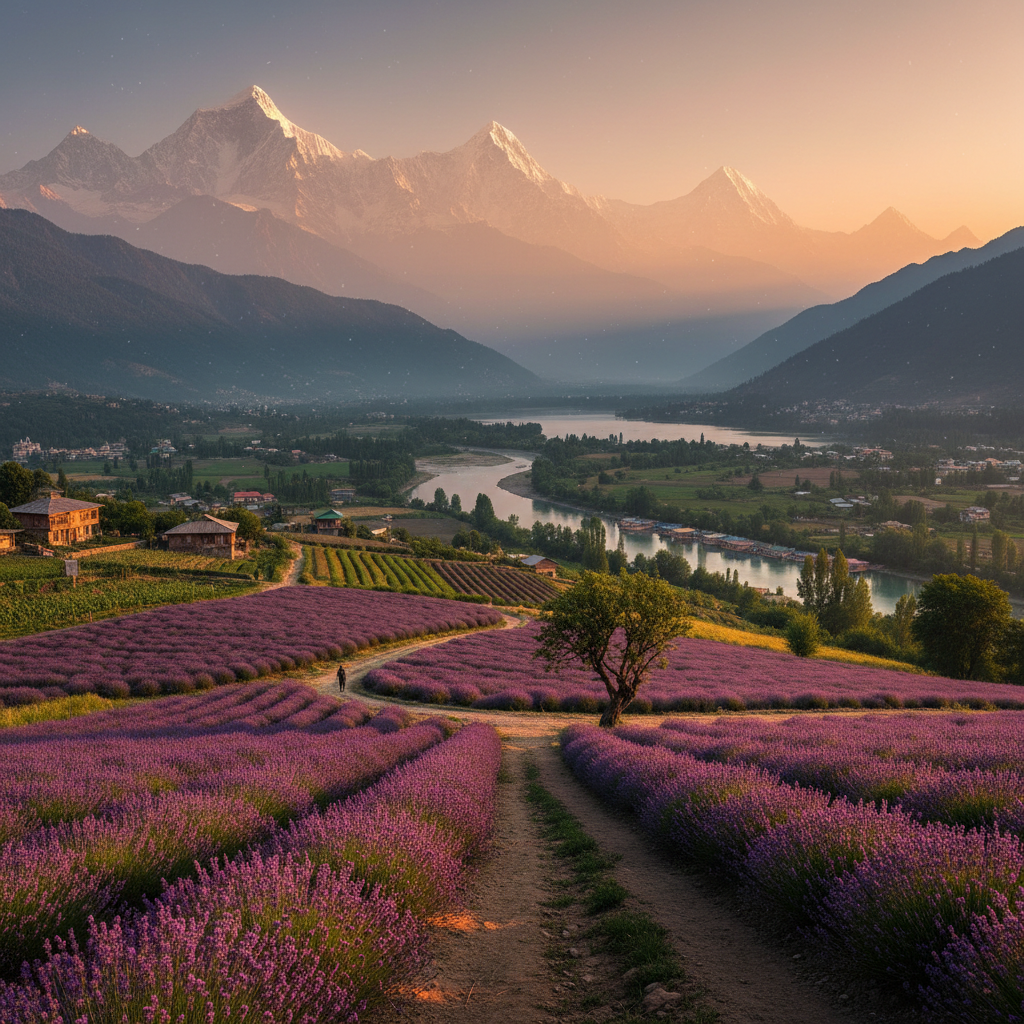
Discovering Kashmir's Purple Hues: An Introduction to Lavender Fields
While Kashmir is globally celebrated for its snow-capped peaks, verdant meadows, and shimmering lakes, a new, breathtaking spectacle has emerged in recent years: the sprawling lavender fields. These fragrant, undulating carpets of purple are transforming parts of the Kashmir Valley, particularly regions like Bhaderwah, into scenes reminiscent of Provence in France. This guide, brought to you by Mid Holidays, aims to unveil this less-explored facet of Kashmir, offering an insider's perspective on where to find these vibrant fields, when to experience them at their peak, and how to weave this unique natural wonder into your travel plans. It's an opportunity to witness Kashmir's agricultural innovation and natural beauty intertwine, offering a sensory experience that goes beyond the traditional houseboat and shikara rides. The cultivation of lavender here isn't just about aesthetics; it's part of India's 'Aroma Mission,' empowering local farmers and diversifying the region's agricultural landscape. This makes a visit not just picturesque, but also a glimpse into sustainable rural development.
Best Time to Witness the Lavender Bloom: Seasonality and Peak Beauty
To experience the Kashmir lavender fields in their full glory, timing your visit is crucial. The bloom typically begins in late May and extends through June, reaching its peak vibrancy around mid-June. By early July, while still visible, the fields might start to show signs of harvesting. Therefore, the sweet spot for photographers, nature lovers, and anyone seeking the most intense purple hues is generally the first three weeks of June. During this period, the air is not only filled with the intoxicating fragrance of lavender but also benefits from pleasant weather – warm days and cool evenings, ideal for exploring. Keep in mind that weather patterns can cause slight variations year to year, so it's always a good idea to check local conditions closer to your travel dates. Mid Holidays' local team closely monitors these cycles and can provide the most up-to-date information for your planning, ensuring you don't miss this spectacular, fleeting display.
Where to Find the Lavender: Bhaderwah and Beyond
The primary hub for lavender cultivation in Kashmir, and thus the most stunning fields, is undoubtedly the Bhaderwah Valley, often dubbed 'Mini Kashmir' or the 'Lavender Valley' itself. Located in the Doda district of Jammu and Kashmir, Bhaderwah has become the epicenter of India's 'Purple Revolution.' Specific villages around Bhaderwah, such as Chinta Valley, Sarthal, and Khellani, are particularly known for their extensive lavender farms. While Bhaderwah is the largest and most developed area for lavender tourism, smaller patches are also emerging in other parts of Kashmir, though often on a less grand scale. If your itinerary doesn't take you to Bhaderwah, ask local guides in areas like Gulmarg or Pahalgam if any smaller demonstration plots are accessible. However, for that iconic, endless purple vista, Bhaderwah remains the destination of choice. The drive to Bhaderwah itself offers breathtaking views, winding through lush green valleys and past traditional Kashmiri villages.
Planning Your Lavender Field Visit: Day-Wise Itinerary Suggestion
For an immersive experience, we recommend dedicating at least two days to the Bhaderwah region. Day 1 could involve travelling from Srinagar to Bhaderwah. The journey itself is scenic, taking approximately 6-7 hours by road, covering around 180-200 kilometres, depending on road conditions and stops. Upon arrival, settle into your accommodation and perhaps take a leisurely evening stroll through the local market. Day 2 is dedicated to the lavender fields. Start your day early to catch the morning light over the purple expanse. Hire a local taxi to explore the various fields in and around Chinta Valley, Sarthal, and Khellani. Allow ample time for photography, soaking in the aroma, and perhaps interacting with local farmers. You can also visit the Bhaderwah Fort and the ancient Vasuki Nag Temple in the afternoon. If time permits, consider extending your stay to explore more of Bhaderwah's natural beauty, like the Jai Valley. For a more relaxed pace, you could even spend three days, truly savouring the 'Arizona of Kashmir'.
Costs and Budget Breakdown for a Lavender Field Trip
A trip to the lavender fields, primarily centred around Bhaderwah, can be tailored to various budgets. Transportation is usually the largest component. A private taxi from Srinagar to Bhaderwah for a round trip (including local sightseeing) can range from INR 7,000-12,000 for a compact car, depending on duration and negotiation. Shared cabs are a more economical option, costing around INR 800-1,500 per person one-way, but offer less flexibility. Accommodation in Bhaderwah is generally more budget-friendly than in Srinagar or Gulmarg. Expect to pay INR 2,000-5,000 per night for a decent guesthouse or a mid-range hotel. Food costs are modest, with meals at local eateries costing INR 200-500 per person. There are no entry fees for the lavender fields themselves, as they are often open farms. However, if you wish to purchase lavender products directly from farmers, factor that into your budget. Overall, a 2-day trip from Srinagar to Bhaderwah can range from INR 8,000 to 18,000 per person, excluding flights to Kashmir, depending on your choices in transport and accommodation.
How to Reach and Local Transport in Bhaderwah
Reaching Bhaderwah primarily involves road travel. The nearest major airport is Srinagar International Airport (SXR), from where you can hire a taxi directly to Bhaderwah. Alternatively, Jammu Tawi Railway Station is the closest major railhead. From Jammu, you can take a bus or a shared/private taxi to Bhaderwah, a journey of approximately 5-6 hours. The road from Batote through Bhaderwah is generally well-maintained, offering picturesque views. Once in Bhaderwah, local transport consists mainly of shared jeeps and private taxis. For exploring the widespread lavender fields in Chinta Valley, Sarthal, and Khellani, hiring a local taxi for a full day is highly recommended. This provides the flexibility to stop at various fields, take photographs, and immerse yourself in the landscape at your own pace. Shared jeeps operate on fixed routes and might not take you to every specific field you wish to visit. Always negotiate taxi fares beforehand to avoid any misunderstandings.
Where to Stay and Savor Local Flavors in Bhaderwah
Bhaderwah offers a range of accommodation options, though not as extensive as major tourist hubs. You'll find a mix of government-run guesthouses, private hotels, and smaller lodges. Options like Hotel Grand Bhaderwah, Hotel Himalayan, and a few J&K Tourism Development Corporation (JKTDC) bungalows provide comfortable stays. It's advisable to book your accommodation in advance, especially during the peak lavender blooming season, as choices can be limited. For dining, Bhaderwah offers authentic local Kashmiri and Dogri cuisine. You'll find eateries serving traditional fare like Rajma Chawal (a local specialty), Kalaadi (a type of local cheese), and various meat curries. Don't miss trying the local bread and sweets. Most hotels also have in-house restaurants. Exploring the local market will reveal small eateries serving delicious and affordable meals. Remember to carry cash, as card payment options might be limited in smaller establishments outside of the main town.
Essential Packing and Tips for a Lavender Field Adventure
When preparing for your lavender field trip, pack comfortable clothing suitable for pleasant daytime temperatures and cooler evenings. Light jackets or shawls are advisable for mornings and evenings. Comfortable walking shoes are a must, as you'll be strolling through fields. Don't forget your camera with extra batteries – the photo opportunities are endless! A wide-brimmed hat, sunglasses, and sunscreen are essential for sun protection. If you're prone to insect bites, a repellent might be useful, though lavender itself is a natural deterrent to some insects. Always carry a small first-aid kit with any personal medications. It's also a good idea to carry some cash, as ATMs might not be readily available in remote field areas. Respect local customs and traditions; ask for permission before photographing people. While Kashmir is generally safe, always be aware of your surroundings and inform your accommodation or guide of your plans. Drink plenty of water to stay hydrated, especially if you're out in the sun for extended periods.
Common Mistakes to Avoid and Why a Local Expert Helps
One common mistake is visiting outside the peak blooming season, leading to disappointment. Another is underestimating travel times to Bhaderwah, which can be longer due to mountain roads. Relying solely on public transport for field hopping can also be cumbersome, limiting your exploration. Not carrying cash can also be an issue in more rural areas. Furthermore, some visitors overlook the cultural aspect, failing to engage with local farmers who are often happy to share insights into lavender cultivation. This is where a local expert like Mid Holidays makes a significant difference. Our deep knowledge of Kashmir means we understand the nuances of the blooming cycles, road conditions, and local logistics. We can arrange reliable transport, suggest the best local guides, and ensure your itinerary maximizes your lavender experience, seamlessly integrating it with other Kashmiri highlights. Let us craft a unique Kashmir journey that goes beyond the ordinary, unveiling its purple paradise. Explore our bespoke Kashmir packages on kashmir.midholidays.in and let's plan your unforgettable trip.
Related Kashmir Guides & Services
<p>Planning the rest of your trip? These Mid Holidays guides pair well with this article:</p><ul><li><a href="/blog/pampore-saffron-fields-visit-guide">Pampore Saffron Fields Visit Guide: Kashmir's Golden Bloom</a></li><li><a href="/blog/kishtwar-travel-guide-kashmir-hidden-paradise">Kishtwar Travel Guide: Explore Kashmir's Hidden Paradise with Mid Holidays</a></li><li><a href="/blog/leh-ladakh-best-time-to-visit-month-wise">Leh Ladakh Best Time to Visit Month-Wise: Your Ultimate Guide</a></li><li><a href="/blog/zanskar-valley-travel-guide">Zanskar Valley Travel Guide: A Journey to Ladakh's Remote Heart</a></li><li><a href="/blog/tulail-valley-tour-kashmir-hidden-paradise">Tulail Valley Tour: Your Guide to Kashmir's Hidden Paradise</a></li></ul>
Frequently Asked Questions
What is the best time to see the lavender fields in Kashmir?
The ideal time to witness the lavender fields in Kashmir at their most vibrant is from late May to the end of June, with mid-June being the absolute peak. During this period, the fields are a breathtaking expanse of purple, and the weather is generally pleasant for exploration. It's advisable to confirm local conditions closer to your travel dates as slight variations can occur.
Where are the main lavender fields located in Kashmir?
The most extensive and renowned lavender fields in Kashmir are located in the Bhaderwah Valley, within the Doda district. Specific areas like Chinta Valley, Sarthal, and Khellani near Bhaderwah are famous for their large-scale lavender cultivation, offering stunning panoramic views of the purple landscapes.
Are there any entry fees to visit the lavender fields?
Currently, there are generally no official entry fees to visit the lavender fields in Bhaderwah. Most fields are part of open farms, and visitors can walk through them respectfully. However, if you interact with local farmers, it's a nice gesture to consider purchasing some local lavender products as a token of appreciation.
How long does it take to reach Bhaderwah from Srinagar?
The road journey from Srinagar to Bhaderwah typically takes approximately 6-7 hours, covering a distance of about 180-200 kilometres. This travel time can vary depending on road conditions, traffic, and the number of stops you make along the scenic route. It's best to start early in the morning.
Can I buy lavender products directly from the farms?
Yes, many local farmers in Bhaderwah sell lavender products directly from their farms or at small local stalls. You can find items like lavender essential oil, hydrosol, dried lavender bunches, soaps, and other aromatic products. This is an excellent way to support the local economy and take home an authentic souvenir.
Is it safe to travel to Bhaderwah for the lavender fields?
Yes, Bhaderwah is generally considered safe for tourists. The region has seen significant development in recent years, especially with the 'Aroma Mission' boosting lavender tourism. As with any travel, it's wise to remain aware of your surroundings, follow local advice, and respect local customs. Mid Holidays prioritizes traveller safety and provides up-to-date local insights.
What is the 'Aroma Mission' and its connection to Kashmir lavender?
The 'Aroma Mission' is an initiative by the Indian government, particularly through the Council of Scientific and Industrial Research (CSIR) and its institute IIIM Jammu, to boost the cultivation of aromatic plants like lavender. In Kashmir, this mission has transformed barren lands into vibrant lavender farms, providing economic opportunities for farmers and establishing the region as a major producer of lavender oil.
Are there guided tours available for the lavender fields?
While there aren't typically large, organized group tours specifically for the lavender fields alone, many local taxi drivers in Bhaderwah can act as informal guides, taking you to the best spots. Mid Holidays can arrange private guided tours as part of a customized itinerary, providing expert local knowledge and seamless logistics for an in-depth lavender field experience.