How to Reach Tulail Valley: Your Ultimate Guide to a Hidden Gem
Kashmir Offbeat Travel Guide
Discover how to reach Tulail Valley, Kashmir's pristine hidden gem. This guide covers routes, best time, costs, and practical tips for your offbeat…
Discovering Tulail Valley: Kashmir's Pristine Hidden Gem
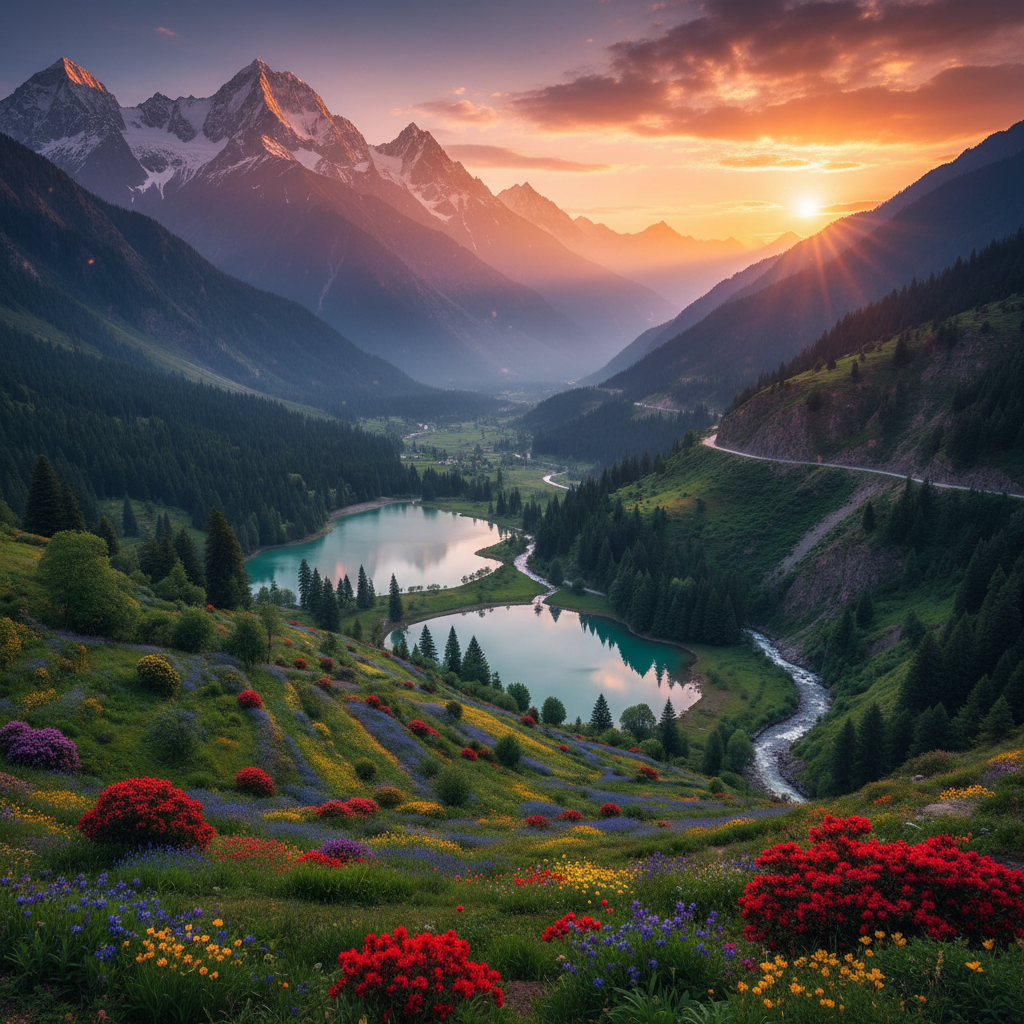
Nestled deep within the Gurez Valley in Bandipora district, Tulail Valley is a mesmerizing, largely untouched destination that offers a truly offbeat Kashmir experience. Far removed from the usual tourist circuits, this pristine valley is a haven for nature lovers, trekkers, and those seeking solitude amidst raw, unadulterated Himalayan beauty. Imagine sprawling meadows, gurgling glacial rivers like the Kishanganga (known locally as the Neelum River), dense coniferous forests, and traditional wooden houses dotting the landscape. The valley is characterized by its tranquil atmosphere and the unique culture of its Dard-Shina speaking inhabitants. Unlike the bustling areas of Srinagar or Gulmarg, Tulail offers a glimpse into a simpler, more authentic way of life. It's a place where time seems to slow down, and the majestic mountains truly dominate the horizon. Getting here is an adventure in itself, involving navigating scenic mountain roads, and requires careful planning – which is precisely what this guide aims to help you with.
Best Time to Traverse the Tulail Routes
The accessibility and charm of Tulail Valley are highly dependent on the season. The absolute best time to visit and reach Tulail Valley is during the summer months, from late May to early October. During this period, the Razdan Pass (the gateway to Gurez and Tulail) is generally open, and the weather is pleasantly mild, with temperatures ranging from 15°C to 25°C. The meadows are lush green, wildflowers are in bloom, and the Kishanganga River flows majestically. This is also the ideal time for trekking and exploring the valley on foot. Autumn, specifically late September to October, offers a different kind of beauty with golden foliage, though the weather starts getting colder, and there's a slight chance of early snowfall closing Razdan Pass roads. Winter, from November to April, sees heavy snowfall, often making Tulail Valley completely inaccessible due to road closures. Even if the main Gurez road is cleared, the internal routes within Tulail can remain snow-bound for extended periods. Therefore, for a hassle-free journey and to fully experience the valley's splendor, aim for the summer window.
Your Journey to Tulail: Step-by-Step Overland Guide
Reaching Tulail Valley is a multi-stage journey, primarily undertaken by road from Srinagar. The first leg involves traveling from Srinagar to Bandipora, a journey of approximately 2-3 hours covering about 65-70 kilometers. From Bandipora, the road winds its way up to Razdan Pass, at an altitude of approximately 3,300 meters (10,800 feet). This stretch is about 30-35 kilometers and can take 1.5-2 hours, depending on road conditions. After descending from Razdan Pass, you reach Dawar, the main town in Gurez Valley. Dawar is roughly 50-55 kilometers from Bandipora and takes another 2-3 hours. From Dawar, the road continues further into the Gurez Valley, following the Kishanganga River towards Tulail. The distance from Dawar to the heart of Tulail Valley (villages like Sardab, Sheikhpora, or Gulais) is another 40-60 kilometers, which can take an additional 2-3 hours due to the narrow and sometimes unpaved mountain roads. The entire journey from Srinagar to Tulail can take anywhere from 8 to 12 hours, excluding stops, so an overnight stay in Dawar is often recommended to break the journey and explore Gurez too.
Required Permits and Documentation
As Tulail Valley is a sensitive border area, specific permits are required for Indian nationals. Foreigners are generally not permitted beyond Gurez Valley (Dawar), and even for Gurez, special permissions are needed that are often difficult to obtain. Indian citizens need an Inner Line Permit (ILP) to visit Gurez and continue to Tulail. This permit can be easily obtained from the Deputy Commissioner's office in Bandipora. It is advisable to apply for the permit a day before your travel, or early in the morning on your travel day. You will need to carry valid identification proof such as an Aadhar Card or Voter ID, along with photocopies. Occasionally, permits can also be issued at the checkpost towards Gurez, but relying on this is risky. Ensure you have multiple copies of your permit and ID, as they might be checked at various military checkposts along the route. Without the necessary permits, you will not be allowed to proceed beyond certain points, so verifying the latest requirements before your trip is crucial.
Transportation Options and Costs
The most flexible way to reach Tulail Valley is by hiring a private taxi from Srinagar. A dedicated taxi for the entire return trip (Srinagar-Gurez-Tulail and back) might cost anywhere from INR 12,000 to INR 18,000, depending on the type of vehicle (e.g., Alto, Sumo, Bolero, Tavera) and the number of days. This allows you to stop at scenic spots and travel at your own pace. Shared taxis are also available, primarily from Srinagar to Bandipora (around INR 200-300 per person), and then from Bandipora to Dawar (INR 400-600 per person). From Dawar, you might find shared Sumo or Bolero taxis going further into Tulail Valley (INR 200-300 per person to places like Gulais) but their frequency is limited, and they usually operate early mornings. Buses are less frequent and connect only major towns like Srinagar and Bandipora. Given the rugged terrain and limited public transport beyond Dawar, a private hire or a shared taxi that goes all the way to your desired cluster of villages in Tulail is often the most practical choice. Negotiate taxi fares beforehand and clarify if the quote includes waiting charges and driver allowances for overnight stays.
Accommodation and Dining in Tulail
Accommodation options in Tulail Valley are very basic and limited, reflecting its offbeat nature. You won't find luxury hotels or resorts here. The primary accommodation choices are homestays, often offering a warm local experience, or very simple guesthouses. In Dawar, the main town of Gurez, you will find a few government-run tourist bungalows or a handful of basic private hotels. Expect clean rooms, but with limited amenities like attached bathrooms or consistent hot water. Prices for a basic room in Dawar might range from INR 1,500 to INR 3,000 per night. Within Tulail Valley itself, the options are even more sparse. It is highly recommended to pre-arrange homestays, especially if traveling during peak season, or be prepared to look for local hospitality upon arrival. Food mainly consists of simple, home-cooked Kashmiri and local Gurezi cuisine. Don't expect elaborate restaurants; meals are typically served in your homestay or in small local eateries in Dawar. Always carry some snacks and bottled water, as shops are few and far between once you venture deep into Tulail.
Essential Packing and Safety Tips
When heading to Tulail Valley, pack smart. Even in summer, evenings and mornings can be chilly, so layering is key. Carry warm clothing, including sweaters, a jacket, thermals, and woolen socks. Comfortable, sturdy walking shoes or hiking boots are essential for exploring. Other must-haves include a first-aid kit with personal medications, sunscreen, lip balm, sunglasses, a hat, a power bank, a flashlight, and a good quality camera. Data connectivity is poor to non-existent in much of Gurez and Tulail, so inform your family of your limited access. Always carry enough cash, as ATMs are scarce (the last reliable one is in Bandipora). Respect local customs and traditions; dress modestly, especially when visiting villages. The region is a border area, so always adhere to instructions from security forces. Avoid venturing off marked paths, especially near the LOC. It's advisable to travel with a local guide if planning extensive trekking. Always opt for reliable transport and share your itinerary with someone back home. Embracing the simplicity and being prepared will enhance your offbeat adventure.
What to Expect and What to Avoid
Expect breathtaking natural beauty, unparalleled tranquility, and an authentic cultural experience. The stunning views of the Kishanganga River carving its way through the mountains, the unique wooden architecture of the villages, and the genuine hospitality of the Shina-speaking people are highlights. However, also expect basic infrastructure. This is not a destination for those seeking luxury or extensive tourist amenities; it is for the adventure-seeker and the nature enthusiast. Roads can be rough, especially after Dawar into Tulail, leading to bumpy rides. Connectivity is a major challenge, so be prepared for a digital detox. Avoid traveling without permits or venturing into restricted zones. Do not litter, and respect the pristine environment. Avoid unnecessary noise or disturbance in quiet villages. Lastly, avoid visiting during winter unless you are an experienced winter trekker with specialized gear and clear knowledge of road statuses, as heavy snowfall can make the region extremely challenging and even hazardous. For a curated and hassle-free experience to such unique destinations, consider Mid Holidays' specialized offbeat Kashmir packages. Our expert team ensures all permits, transport, and local guidance are professionally handled, letting you soak in the raw beauty of Tulail without the stress.
Related Kashmir Guides & Services
<p>Planning the rest of your trip? These Mid Holidays guides pair well with this article:</p><ul><li><a href="/blog/tulail-valley-tour-kashmir-hidden-paradise">Tulail Valley Tour: Your Guide to Kashmir's Hidden Paradise</a></li><li><a href="/blog/best-time-to-visit-bangus-valley-kashmir">Best Time to Visit Bangus Valley: Your Ultimate Guide to Kashmir's Hidden Gem</a></li><li><a href="/blog/how-to-reach-lolab-valley">How to Reach Lolab Valley: Your Ultimate Travel Guide to Kashmir's Hidden Gem</a></li><li><a href="/blog/lolab-valley-tour">Lolab Valley Tour: Your Ultimate Guide to Kashmir's Hidden Gem</a></li><li><a href="/blog/warwan-valley-tour">Warwan Valley Tour: Your Ultimate Guide to Kashmir's Hidden Gem</a></li></ul>
Frequently Asked Questions
Is Tulail Valley accessible for tourists throughout the year?
No, Tulail Valley is not accessible throughout the year. Due to heavy snowfall, Razdan Pass, the gateway to Gurez and Tulail, typically remains closed from late October or November until late May or early June. The best and safest time to visit is during the summer months, from late May to early October, when roads are open and weather conditions are favorable for travel and exploration.
Are special permits required for Indian citizens to visit Tulail Valley?
Yes, Indian citizens require an Inner Line Permit (ILP) to visit Tulail Valley, as it's a sensitive border region. This permit can be obtained from the Deputy Commissioner's office in Bandipora. It's essential to carry multiple copies of your ID proof and the permit, as they will be checked at various military checkpoints along the route, usually towards Gurez.
What is the typical cost for a private taxi from Srinagar to Tulail Valley?
Hiring a private taxi from Srinagar for a return trip to Tulail Valley (including Gurez) can cost approximately INR 12,000 to INR 18,000. This price varies based on the type of vehicle, the number of days required for the journey, and the specific villages you plan to visit within Tulail. It's advisable to negotiate the fare in advance and clarify inclusions.
What kind of accommodation should I expect in Tulail Valley?
Accommodation in Tulail Valley is very basic and limited. You will primarily find simple homestays or very modest guesthouses, especially within the villages of Tulail. In Dawar, the main town of Gurez, slightly better options like government tourist bungalows or basic private hotels are available. Expect essential amenities, but not luxury. Booking in advance or arranging a homestay through a local contact is recommended.
Is mobile network and internet connectivity available in Tulail Valley?
No, mobile network and internet connectivity are extremely poor to non-existent in most parts of Tulail Valley, and even in many areas of Gurez. BSNL is sometimes the only network that might offer sporadic connectivity in Dawar. It's crucial to be prepared for a digital detox and inform your family about potential communication difficulties before your trip.
Can foreigners visit Tulail Valley?
Foreign nationals are generally not permitted to visit Tulail Valley, and even access to the wider Gurez Valley (Dawar) requires special permits which are often difficult to obtain and may be denied due to its proximity to the Line of Control. The region is primarily open to Indian citizens with the necessary Inner Line Permits. Always check the latest government regulations before planning.
What are the common local names for the Kishanganga River in Tulail Valley?
The Kishanganga River, which flows through Tulail Valley, is commonly known locally as the Neelum River. This beautiful glacial river is a prominent feature of the landscape and plays a significant role in the daily life and geography of the Gurez and Tulail valleys.
What local culture can I experience in Tulail Valley?
Tulail Valley is home to Dard-Shina speaking communities, known for their unique culture and traditions. Visitors can experience their distinct language, traditional wooden architecture, simple rural lifestyle, and warm hospitality through homestays. The valley offers a glimpse into an authentic Kashmiri mountain culture, far removed from the more commercial tourist areas, making it a truly enriching experience.