How to Reach Lolab Valley: Your Ultimate Travel Guide to Kashmir's Hidden Gem
Kashmir Travel Guide
Planning a trip to Lolab Valley? Our guide covers everything on how to reach Lolab Valley – from routes, transport, and best times to visit this pristine…
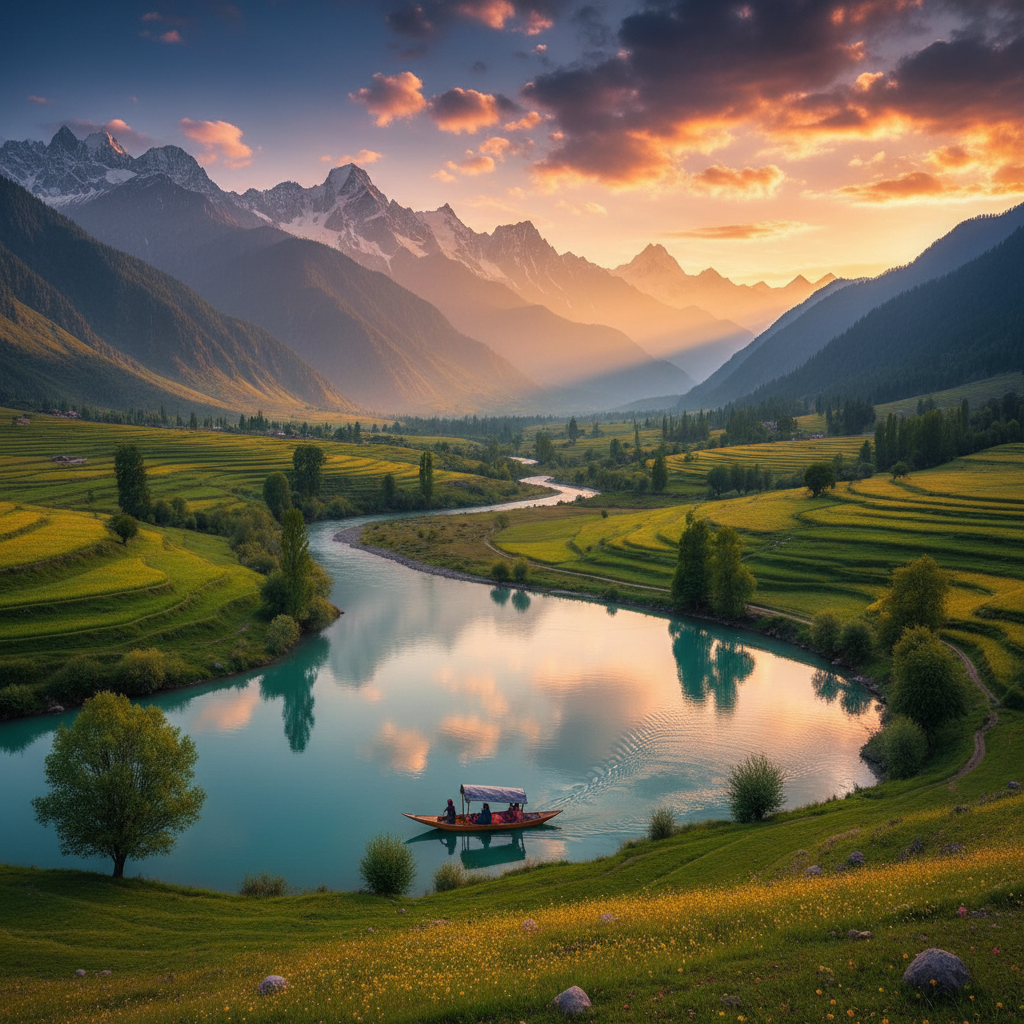
Discovering Lolab Valley: Your Guide to Kashmir's Tranquil Heart
Nestled in the pristine Kupwara district of North Kashmir, Lolab Valley is often hailed as one of the region's best-kept secrets, a verdant paradise far removed from the usual tourist circuits. Known for its lush meadows, dense pine forests, and crystal-clear streams, it’s a place where time seems to slow down, offering an authentic glimpse into rural Kashmiri life. For those seeking solitude, untouched natural beauty, and a retreat from the crowds, understanding how to reach Lolab Valley is the first step towards an unforgettable journey. Unlike more commercialized destinations, Lolab retains a raw, unadulterated charm, making it perfect for nature lovers, hikers, and anyone yearning for peace. The valley stretches over 25 kilometers, bordered by towering mountains, and is dotted with charming villages like Diver, Kalaroos, and Machil, each offering unique cultural insights and breathtaking vistas. We at Mid Holidays, with our deep roots in Kashmir, are here to guide you through every aspect of planning your trip to this enchanting corner, ensuring a smooth and rewarding experience from start to finish.
The Journey to Lolab Valley: Routes and Road Conditions
Reaching Lolab Valley primarily involves a scenic road journey from Srinagar, the capital city of Jammu and Kashmir. The most common and accessible route takes you from Srinagar towards Kupwara town, and then onward to Lolab. The distance from Srinagar to Kupwara is approximately 70-80 kilometers, and from Kupwara to the heart of Lolab Valley (like Diver village) it's another 20-30 kilometers. Expect the drive from Srinagar to Kupwara to take around 2.5 to 3 hours, depending on traffic and road conditions. The stretch from Kupwara to Lolab is generally well-maintained, though some interior village roads might be a bit rugged, especially after heavy rains or snow. As you leave the main highway and delve deeper into Kupwara district, the landscape transforms, with apple orchards and traditional Kashmiri homes lining the route. This journey offers continuous visual delights, with opportunities to stop and capture the stunning views. It's advisable to travel during daylight hours, not just for safety but also to fully appreciate the changing scenery. Winter months (December to March) can bring heavy snowfall, potentially closing certain stretches or making roads challenging, so always check local conditions before planning a winter visit.
Transport Options: Navigating Your Way to Lolab
When considering how to reach Lolab Valley, several transport options are available, catering to different budgets and preferences. The most convenient and recommended way is to hire a private taxi directly from Srinagar. This offers flexibility, allowing you to stop for photos or breaks as you wish. A private taxi from Srinagar to Lolab Valley (round trip for a day or multi-day trip) typically costs anywhere from INR 4000 to INR 7000, depending on the vehicle type (sedan to SUV) and duration. You can easily book these through reputable local operators like Mid Holidays. For a more budget-friendly option, shared taxis or local buses operate frequently between Srinagar and Kupwara town. From Kupwara, you can then take another shared taxi or a local sumo/jeep towards Lolab villages like Diver or Chandigam. These shared services are much cheaper, usually costing INR 150-300 per person from Srinagar to Kupwara, and then INR 50-100 from Kupwara to Lolab interiors. However, they can be less comfortable and often involve waiting for fellow passengers. While self-driving is an option, it is only recommended for experienced drivers familiar with mountain roads, as signages can be sparse in remoter areas. Always ensure your chosen vehicle is well-maintained and suitable for hilly terrain.
Best Time to Visit Lolab Valley: Seasons and Their Charms
Choosing the best time to visit Lolab Valley largely depends on the experience you seek. Each season paints this valley in a different hue. Spring (April to May) is arguably the most enchanting, as the entire valley bursts into vibrant greens and wild flowers bloom, with pleasant temperatures ranging from 10°C to 20°C. This is ideal for leisurely walks and photography. Summer (June to August) offers warmer days, with temperatures between 15°C and 28°C, making it perfect for outdoor activities like hiking and picnicking. The meadows are lush, and the streams are full, providing refreshing stops. Monsoon (late July to August) can be beautiful for its misty landscapes, but heavy rainfall might disrupt travel plans and lead to slippery trails. Autumn (September to November) transforms Lolab into a palette of gold, crimson, and laranja, as the chinar and poplar trees shed their leaves. Temperatures range from 5°C to 18°C, and the air is crisp, offering breathtaking views. Winter (December to March) cloaks the valley in a pristine white blanket of snow, making it a magical, albeit challenging, destination to reach. Temperatures drop below freezing, often between -5°C and 5°C. If you plan a winter trip, be prepared for road closures and limited access, but the serene beauty is unparalleled for those who make the journey.
Where to Stay and Eat in Lolab Valley: Local Hospitality
Accommodations in Lolab Valley are predominantly basic but comfortable, focusing more on local hospitality rather than luxury resorts. Unlike popular tourist hubs, you won't find large chain hotels here. The best options are usually guesthouses or homestays run by local families, particularly in larger villages like Diver, Kalaroos, or Chandigam. These offer a unique opportunity to experience authentic Kashmiri culture and cuisine. Prices for a cozy homestay room can range from INR 1500 to INR 3000 per night, often including home-cooked meals. It’s highly advisable to book your accommodation in advance, especially during peak seasons, as options are limited. Many guesthouses can be arranged through local contacts or tour operators. When it comes to food, expect delicious, freshly prepared Kashmiri dishes. Meals are usually simple – rice, local vegetables, fresh paneer, and occasionally chicken or mutton curries. Don't miss trying the local flatbreads and the aromatic Kahwa tea. Most homestays will provide meals upon request, and there are a few small local eateries (dhabas) in Kupwara town for basic meals, but options are scarce within Lolab itself. Carry some snacks and water with you, especially if you plan to venture deep into the valley's interiors.
Packing Essentials for Your Lolab Valley Trip
To ensure a comfortable and enjoyable trip to Lolab Valley, packing smartly is key. Given the varying temperatures and terrains, layering is always a good idea – carry light cottons for summer days, but also a warm fleece or jacket for cooler evenings, even in spring or summer. For winter travel, heavy woolens, thermal wear, waterproof jackets, and snow boots are indispensable. Comfortable walking shoes or hiking boots are a must, as you'll likely be exploring the meadows and trails on foot. Don't forget essentials like sunscreen, sunglasses, and a wide-brimmed hat to protect yourself from the strong Himalayan sun. Insect repellent can be useful, especially during warmer months near forested areas. A basic first-aid kit with personal medications, pain relievers, and antiseptic wipes is always recommended. For photographers, extra batteries and memory cards are vital, as the valley offers endless scenic beauty. Power banks are also a good idea, as electricity can be intermittent in remote areas. Lastly, carry a reusable water bottle to stay hydrated and reduce plastic waste, and a sturdy backpack for day excursions.
Safety and Local Etiquette in Lolab Valley
Lolab Valley is generally a safe and welcoming destination, with friendly locals known for their warm hospitality. However, like any remote area, it’s wise to follow certain safety practices. Always inform your accommodation provider or travel companion about your plans, especially if you're venturing on a solo hike. Stick to established trails and avoid wandering off into dense forests without a local guide. Mobile network connectivity can be patchy in certain pockets of the valley, so be prepared for limited communication. When interacting with locals, a respectful and polite demeanor is always appreciated. Dress modestly, especially when visiting religious sites or villages, to show respect for local customs. Public display of affection is generally frowned upon. Always ask for permission before taking photographs of people. Avoid discussing sensitive political topics. As responsible travelers, remember to carry your waste back with you, helping to preserve the pristine environment of Lolab Valley. The people of Lolab are protective of their natural heritage, and by being mindful visitors, we contribute positively to their efforts to maintain the valley's unspoiled beauty. Embrace the quiet charm and immerse yourself respectfully in the local culture for a truly enriching experience.
Related Kashmir Guides & Services
<p>Planning the rest of your trip? These Mid Holidays guides pair well with this article:</p><ul><li><a href="/blog/best-time-to-visit-bangus-valley-kashmir">Best Time to Visit Bangus Valley: Your Ultimate Guide to Kashmir's Hidden Gem</a></li><li><a href="/blog/lolab-valley-tour">Lolab Valley Tour: Your Ultimate Guide to Kashmir's Hidden Gem</a></li><li><a href="/blog/leh-to-chang-la-taxi-service">Leh to Chang La Taxi Service: Your Ultimate High-Altitude Journey Guide</a></li><li><a href="/blog/best-time-to-visit-sonmarg-travel-guide">Best Time to Visit Sonmarg: Your Ultimate Travel Guide by Mid Holidays</a></li><li><a href="/blog/leh-to-turtuk-taxi-your-ultimate-border-village-guide">Leh to Turtuk Taxi: Your Ultimate Border Village Guide</a></li></ul>
Frequently Asked Questions
Is Lolab Valley suitable for a family trip with children?
Yes, Lolab Valley is an excellent destination for families. Its serene meadows, gentle streams, and lush forests offer safe and engaging environments for children to play and explore nature. The absence of heavy tourist crowds means a peaceful atmosphere, and many homestays are accustomed to hosting families. However, prepare for longer travel times and ensure children are comfortable with road journeys. Basic amenities are available, but it's advisable to carry any specific child-care essentials.
What kind of activities can I do in Lolab Valley?
Lolab Valley is perfect for nature-centric activities. You can enjoy leisurely walks and picnics in the vast meadows, go for short hikes through pine forests, and spend time by the serene streams. Photography enthusiasts will find endless opportunities to capture the stunning landscapes. Birdwatching is also popular, and you can immerse yourself in local culture by interacting with villagers. For the more adventurous, some trekking routes lead to higher pastures, though these might require a local guide.
Are there any permits required to visit Lolab Valley?
Currently, no special permits are required for Indian citizens to visit Lolab Valley. It is an open area accessible to tourists. However, it's always advisable to carry valid identification documents like Aadhar Card, Passport, or Driver's License. Foreign nationals should ensure their visa and travel documents are in order, though specific permits are generally not needed for this region as it is not a restricted border area.
Can I visit Lolab Valley as a day trip from Srinagar?
While technically possible, visiting Lolab Valley as a day trip from Srinagar would be quite rushed. The round trip journey alone can take 5-6 hours, leaving limited time to explore the valley's beauty properly. To truly appreciate its tranquility and engage in activities, we recommend staying at least one to two nights in Lolab Valley. This allows for a more relaxed pace and deeper immersion into the local environment and culture.
What mobile networks work best in Lolab Valley?
Mobile network connectivity in Lolab Valley can be intermittent and limited. Government-owned networks like BSNL tend to have better coverage in remote areas of Kashmir, including parts of Lolab, compared to private operators like Airtel or Jio. However, even with BSNL, don't expect flawless connectivity, especially in deeper pockets of the valley. It's wise to inform your family about potential communication gaps and enjoy the digital detox.
Is a local guide necessary for exploring Lolab Valley?
For general exploration of the main villages and meadows, a local guide is not strictly necessary. However, if you plan to venture into more remote areas, undertake longer hikes, or wish to gain deeper insights into local culture, flora, and fauna, hiring a local guide is highly recommended. They can enhance your experience significantly, ensure your safety, and help with communication if you don't speak Kashmiri. Mid Holidays can assist in arranging experienced local guides.