Chadar Trek Difficulty Guide: Navigating the Frozen Zanskar
Ladakh Adventure Treks
Unsure about the Chadar Trek difficulty? Our guide breaks down the physical demands, mental challenges, and preparations needed for this iconic frozen river…
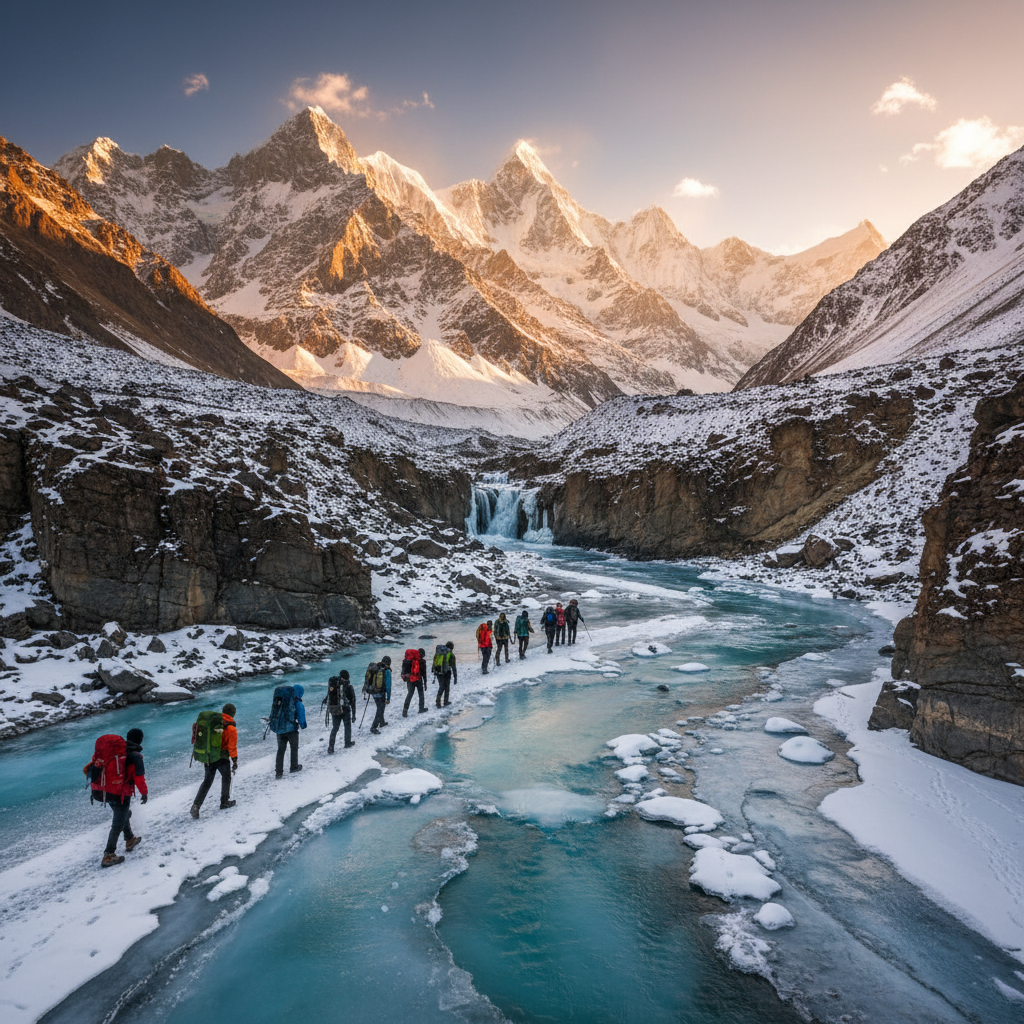
Chadar Trek Difficulty: An Honest Overview for Adventurers
The Chadar Trek, a journey across the frozen Zanskar River in Ladakh, is often romanticized as a dream adventure. While undeniably breathtaking, it's crucial to approach this expedition with a realistic understanding of its difficulty. It's not a technical climbing trek, but rather a demanding endurance walk over a constantly shifting frozen river surface. The primary challenges stem from the extreme cold, the unpredictable nature of the ice (Chadar), and the remote, high-altitude environment. Participants need a good level of physical fitness, strong mental resilience, and the ability to adapt to basic living conditions. This isn't a casual stroll; it requires preparation, respect for nature, and an understanding that the journey itself is the destination. Expect long hours of walking, often bundled in multiple layers, and nights spent in unheated camps. Our aim at Mid Holidays is to equip you with the knowledge to assess if this iconic trek aligns with your capabilities and aspirations, ensuring a safe and truly unforgettable experience on the 'Chadar'.
Physical Demands: What to Expect from Your Body
Physically, the Chadar Trek demands a reasonable level of cardiovascular fitness and muscular endurance. You'll be walking approximately 10-15 kilometers daily for several days, often for 5-7 hours, carrying a daypack. The terrain, while mostly flat along the river, can be uneven, icy, and occasionally require navigating around open patches of water or over small rocks and snow-covered banks. The key is consistent walking. You won't be climbing steep ascents, but the continuous motion on an unpredictable surface is tiring. Prior experience with long-distance walking or hiking is highly beneficial. Regular cardio exercises like jogging, cycling, or swimming for at least 30-45 minutes, 4-5 times a week, starting 2-3 months before your trek, are essential. Additionally, strengthening your core and leg muscles will help maintain balance on the slippery ice and reduce fatigue. Don't underestimate the toll that walking in heavy winter gear takes on your body. The cold itself drains energy, so being in good physical shape provides a crucial buffer.
Navigating the Ice: The Ever-Changing Chadar Surface
The most unique and challenging aspect of the Chadar Trek is, naturally, the Chadar itself – the frozen sheet of the Zanskar River. Its condition is dynamic and changes constantly due to temperature fluctuations, water flow, and sunlight. One day you might be walking on solid, glassy ice; the next, you could be wading through ankle-deep slush or clambering over rocky edges where the ice has broken. Trekkers need to be constantly aware, watching their step and following the lead of experienced local guides who expertly read the ice conditions. Sometimes, the 'Chadar' might disappear entirely in sections, requiring detours over snow-covered banks or higher rocky paths. This unpredictability means you must be flexible, patient, and prepared for varied walking surfaces. Special gumboots, provided by most operators, are crucial for traction and keeping your feet dry. Learning the unique 'Chadar shuffle' – a flat-footed, short-stepped walk – is vital for maintaining balance and preventing falls.
Altitude and Acclimatization: Breathing Easy at High Altitudes
While the maximum altitude reached on the Chadar Trek is not exceptionally high (around 3,400 meters or 11,150 feet at the highest campsite), the starting point in Leh is already at 3,500 meters (11,500 feet). This high base altitude means proper acclimatization is non-negotiable. Acute Mountain Sickness (AMS) is a real concern and can impact anyone, regardless of fitness level. We strongly recommend at least 2-3 full days of acclimatization in Leh before commencing the trek. During this time, take it easy, stay hydrated, avoid alcohol and strenuous activity, and allow your body to adjust to the reduced oxygen levels. The cold temperatures exacerbate the effects of altitude, making it feel more strenuous. Listen to your body and your guide. Any persistent headaches, nausea, or dizziness should be reported immediately. Acclimatization isn't about rushing; it's about giving your body the time it needs to adapt, ensuring a safer and more enjoyable trek experience.
Extreme Cold and Remote Conditions: The Winter Wonderland Challenge
The Chadar Trek takes place in the depths of Ladakh's winter, typically from mid-January to mid-February, when temperatures plummet. Daytime temperatures can range from -5°C to -15°C, while nights can drop to a bone-chilling -20°C to -30°C. This extreme cold is a significant challenge. Proper layering with insulated clothing, waterproof outer shells, warm gloves, hats, and socks is absolutely essential to prevent frostbite and hypothermia. You'll be sleeping in unheated tents on frozen ground, making a good quality sleeping bag (rated to at least -20°C or colder) vital. Beyond the cold, the trek operates in a truly remote wilderness. There's no mobile network for most of the trek, limited electricity (usually from generators at camps for charging), and basic facilities. Emergency medical care is hours away. Embracing these rustic conditions and being self-reliant, along with preparing for them meticulously, is key to a successful Chadar experience.
Mental Resilience: The Mind's Role in Conquering Chadar
Beyond the physical and environmental challenges, the Chadar Trek is a significant test of mental resilience. The extreme cold, the continuous walking on uncertain terrain, the basic living conditions, and the absence of modern comforts can wear you down. There will be moments of discomfort, fatigue, and perhaps even doubt. A positive attitude, patience, and the ability to find joy in simple things are invaluable. The mental preparation involves accepting that not everything will go according to plan – the ice might melt, a campsite might be windier than expected, or your progress might be slower than anticipated. Being adaptable and having a strong desire to complete the trek, coupled with an appreciation for the unique beauty around you, will be your strongest assets. Team spirit within your trekking group also plays a huge role; encouraging each other through tough moments makes the journey more manageable and enjoyable. This trek is as much about discovering your inner strength as it is about exploring the frozen Zanskar.
Preparation and Safety: Ensuring a Smooth Journey
Thorough preparation is paramount for a safe and successful Chadar Trek. Firstly, choose a reputable and experienced tour operator like Mid Holidays, as their local knowledge and safety protocols are invaluable. Ensure your operator provides good quality tents, sleeping bags, and gumboots, and employs experienced local guides. Secondly, get your body ready. Start your fitness regimen at least three months in advance, focusing on endurance and leg strength. Thirdly, pack wisely. Layering is key: thermal inner wear, fleece, down jackets, waterproof outer shells, multiple pairs of warm socks, waterproof gloves, and a warm hat. Don't forget high-quality sunglasses and sunscreen, as the sun's reflection off the snow can be intense. Fourthly, medical clearance is a must; consult your doctor about high-altitude trekking. Carry a personal first-aid kit with any necessary medications. Lastly, be flexible and listen to your guides. They have the expertise to assess conditions and make decisions crucial for your safety. Respecting their judgment and the natural environment will ensure an unforgettable and safe adventure on the Chadar.
Related Kashmir Guides & Services
<p>Planning the rest of your trip? These Mid Holidays guides pair well with this article:</p><ul><li><a href="/blog/stok-kangri-trek-guide">Stok Kangri Trek Guide: Conquering Ladakh's Iconic Peak</a></li><li><a href="/blog/altitude-sickness-guide-ladakh-kashmir">Altitude Sickness Guide Ladakh Kashmir: Staying Safe at High Altitudes</a></li><li><a href="/blog/khardung-la-pass-complete-guide">Khardung La Pass Complete Guide: Conquering the Himalayan Giant</a></li><li><a href="/blog/leh-ladakh-best-time-to-visit-month-wise">Leh Ladakh Best Time to Visit Month-Wise: Your Ultimate Guide</a></li><li><a href="/blog/leh-to-chang-la-taxi-service">Leh to Chang La Taxi Service: Your Ultimate High-Altitude Journey Guide</a></li></ul>
Frequently Asked Questions
Is the Chadar Trek suitable for first-time trekkers?
While it's not a technical trek, the Chadar Trek is considered challenging due to extreme cold, high altitude, and walking on an unpredictable frozen river. If you have a good fitness level and a strong adventurous spirit, it's possible. However, prior experience with multi-day treks or winter camping will be beneficial. It's crucial to prepare physically and mentally well in advance.
What is the biggest challenge on the Chadar Trek?
The biggest challenge on the Chadar Trek is undoubtedly the extreme cold combined with the unpredictable nature of the frozen Zanskar River. Temperatures can drop to -30°C at night. Walking on constantly changing ice conditions, from solid sheets to slush or broken sections requiring detours, demands constant vigilance, patience, and adaptability.
How much acclimatization is needed for Chadar Trek?
Proper acclimatization in Leh (3,500m) is critical for the Chadar Trek. We strongly recommend at least 2 to 3 full days of rest and light activity in Leh before starting the trek. This allows your body to adjust to the high altitude and significantly reduces the risk of Acute Mountain Sickness (AMS), ensuring a safer and more enjoyable journey.
What kind of fitness is required for the Chadar Trek?
A good level of cardiovascular fitness and endurance is essential. You should be able to walk 10-15 km daily for 5-7 hours. Regular exercise like jogging, brisk walking, cycling, or swimming for 45-60 minutes, 4-5 times a week, for at least 2-3 months prior to the trek, is highly recommended to build stamina and leg strength.
Are there washroom facilities available on the Chadar Trek?
No, there are no permanent washroom facilities along the Chadar Trek route. Trekkers use makeshift dry pit toilets in designated areas at campsites, which are basic and unheated. It's an integral part of the remote and rustic nature of the trek, requiring trekkers to be comfortable with very basic amenities.
What kind of footwear is best for the Chadar Trek?
Specialized gumboots with good grip are universally recommended and often provided by tour operators for walking on the ice. In addition, you'll need warm, waterproof hiking boots for the journey to and from the trekking point and for any rocky detours. Always wear multiple layers of warm, moisture-wicking socks to prevent frostbite.
Is it possible to complete the Chadar Trek if I have a fear of heights?
The Chadar Trek doesn't involve significant climbing or exposure to extreme heights. You walk along a frozen river at the bottom of a gorge. While there might be occasional sections where you need to scramble up a short, snow-covered bank or path to bypass broken ice, these are generally not high-exposure. A mild fear of heights is usually manageable.