Best Time to Visit Kashmir in 2026 – Month-by-Month Guide
Month-by-Month Travel Guide
Discover the best time to visit Kashmir in 2026. Month-by-month weather guide covering spring tulips, summer adventures, autumn colours & winter snowfall in…
Why Timing Matters for Your Kashmir Trip
Kashmir's beauty transforms dramatically with each season. Choosing the right month can mean the difference between witnessing the famous tulip gardens in full bloom or skiing on pristine powder snow. Each season offers a completely unique experience, and understanding what to expect will help you plan the perfect itinerary.
Spring (March – May): Tulip Season & Pleasant Weather
Spring is arguably the most beautiful time to visit Kashmir. Temperatures range from 10°C to 25°C, making it perfect for sightseeing. The highlight is the Tulip Garden in Srinagar — Asia's largest tulip garden with over 1.5 million tulips blooming in April. The almond blossoms along the boulevard add to the charm. Dal Lake shikara rides are most enjoyable in spring, and Pahalgam's valleys start turning lush green. March can still have snowfall at higher altitudes like Gulmarg, giving you the best of both worlds.
Summer (June – August): Peak Season & Adventure Activities
Summer is peak tourist season in Kashmir with temperatures between 15°C and 30°C. This is the best time for trekking in Pahalgam (Aru Valley, Tarsar Marsar), Gulmarg gondola rides to Apharwat Peak (4,200m), and visiting Sonmarg and Thajiwas Glacier. Hotels are at their busiest, so advance booking is essential. The Great Lakes Trek — one of India's most beautiful treks — is best done in July-August. White water rafting on Lidder River in Pahalgam is also a summer highlight.
Autumn (September – November): Golden Foliage & Fewer Crowds
Autumn is Kashmir's hidden gem. The Chinar trees turn golden and crimson, painting the entire valley in warm hues. Temperatures drop to 5°C–20°C. September and October offer clear skies perfect for photography. The saffron fields of Pampore bloom in late October — a rare and beautiful sight. Tourist crowds thin out, making it ideal for a peaceful holiday. Autumn is also the best time for fishing in Lidder and Jhelum rivers.
Winter (December – February): Snow, Skiing & Magical Landscapes
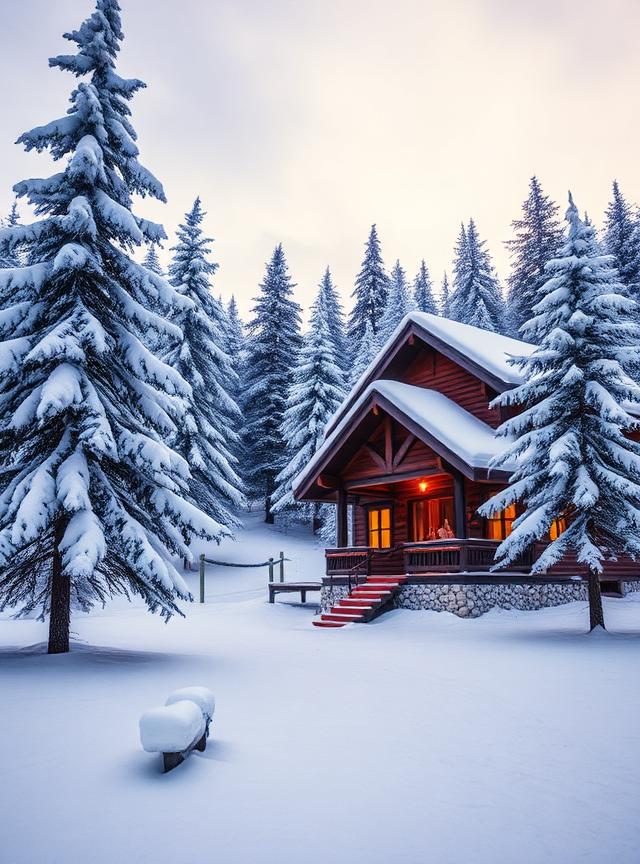
Winter transforms Kashmir into a white wonderland. Gulmarg receives heavy snowfall and becomes India's premier skiing destination with slopes for beginners to experts. Temperatures drop to -5°C to 5°C. The frozen Dal Lake, snow-covered Mughal Gardens, and the warmth of a kangri make winter magical. January is the coldest month (Chillai Kalan). Our winter packages include heated rooms, snow gear, and hot kahwa on arrival. Gondola Phase 2 to Apharwat Peak offers stunning views of snow-capped Himalayas.
Frequently Asked Questions
Is Kashmir safe to visit in winter?
Yes, Kashmir is safe in winter. Roads to Srinagar, Gulmarg, and Pahalgam remain open. Only some remote passes like Zoji La close. Our winter packages include experienced drivers and proper vehicles for snowy conditions.
Which month has the most snowfall in Kashmir?
January and February receive the heaviest snowfall, especially in Gulmarg (2-3 feet). December also sees significant snowfall. Gulmarg skiing season runs from December to March.
Can I see snow in Kashmir in March?
Yes! Gulmarg and Sonmarg typically have snow until late March or early April. Higher altitude areas retain snow even longer.