Kashmir Jaane Ka Sahi Time Kya Hai: Your Ultimate Seasonal Guide
Kashmir Travel Planning
Planning your trip to Kashmir? Discover 'Kashmir jaane ka sahi time kya hai' with our local expert guide. Learn about seasons, weather, activities, and…
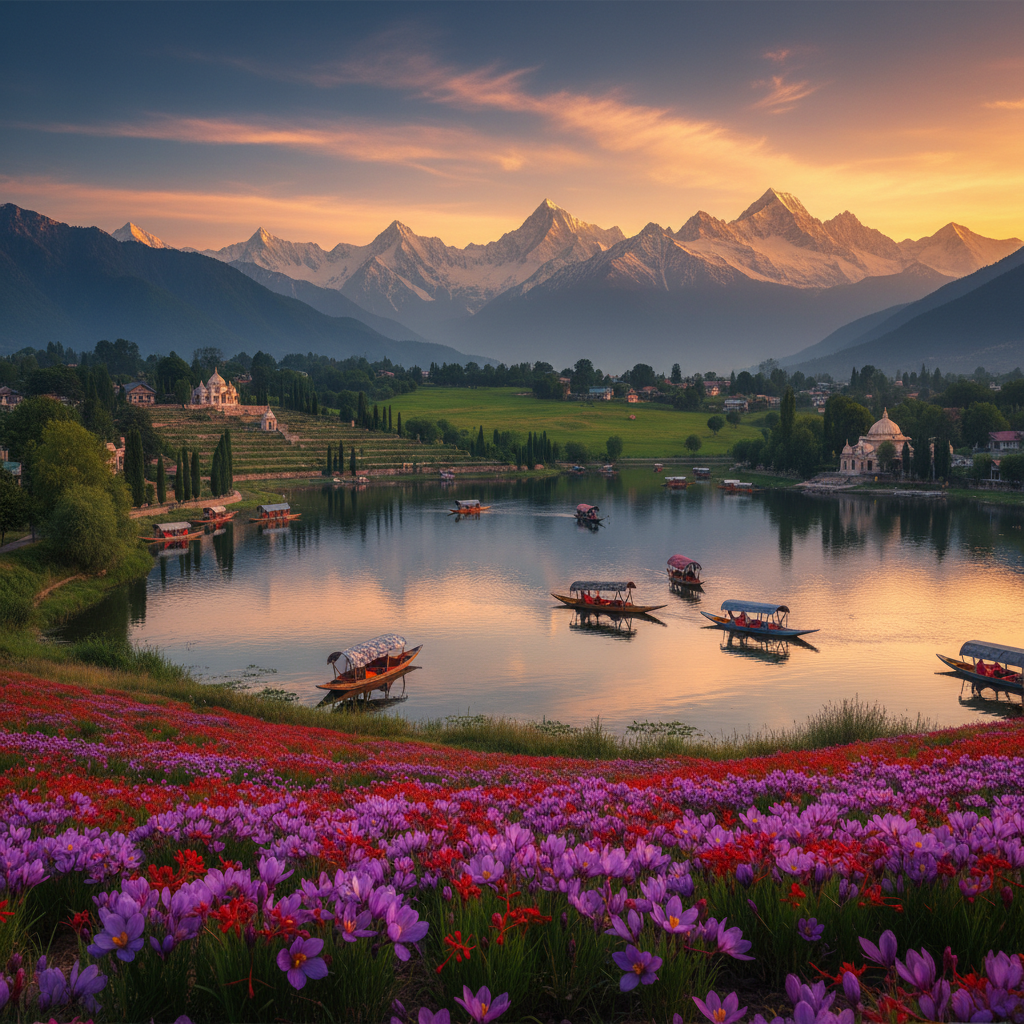
Kashmir Jaane Ka Sahi Time Kya Hai: Your Seasonal Overview
Kashmir, often called 'Paradise on Earth,' offers a unique charm in every season, making the question 'Kashmir jaane ka sahi time kya hai?' quite nuanced. Your ideal time to visit truly depends on what kind of experience you're seeking. If snow-capped mountains, winter sports, and cozy evenings by a fireplace are your dream, then winter (December to February) is perfect. For vibrant flower blooms, lush green valleys, and comfortable weather for sightseeing, spring (March to early May) is unparalleled. Summer (mid-May to August) is fantastic for escaping the heat of the plains and enjoying pleasant temperatures, trekking, and shimmering lakes. And for a spectacle of golden chinar leaves, apple orchards, and a crisp, cool atmosphere, autumn (September to November) is simply magical. Each season paints Kashmir in a different hue, offering distinct activities and photographic opportunities. As local experts at Mid Holidays, we believe there's no single 'best' time; rather, there's a perfect time for your specific travel desires. Understanding the seasonal variations in weather, crowd levels, and available activities is key to planning an unforgettable trip.
Spring Splendor (March to Early May): Flowers and Freshness
If your heart yearns for blooming flowers, lush greenery, and comfortable weather, then spring is arguably the 'sahi time' for you to visit Kashmir. From March to early May, the valley truly comes alive. The iconic Indira Gandhi Memorial Tulip Garden in Srinagar bursts into a riot of colors, typically from late March to mid-April, drawing visitors from across the globe. Beyond the tulips, mustard fields paint the landscape yellow, almond blossoms adorn the trees, and the air is filled with a refreshing coolness. Daytime temperatures generally range from 10°C to 20°C, making it ideal for sightseeing, shikhara rides on Dal Lake, and exploring local markets without the summer heat or winter chill. While occasional light rain showers can occur, they often add to the romantic ambiance. This period is perfect for families, couples, and nature lovers who wish to witness Kashmir at its most vibrant. Expect moderate crowds, especially during the Tulip Festival, so booking accommodations and activities in advance is advisable.
Summer Serenity (Mid-May to August): Pleasant Escapes and Adventure
For many, especially those looking to escape the scorching heat of the Indian plains, summer (mid-May to August) is when 'Kashmir jaane ka sahi time kya hai' finds its answer in pleasant temperatures and abundant outdoor activities. The mercury usually hovers between 20°C and 30°C, providing perfect conditions for exploring. This is the peak season for trekking in meadows like Gulmarg, Pahalgam, and Sonamarg, where the snow has largely melted to reveal emerald green pastures. Dal Lake and Nigeen Lake are at their inviting best for shikara rides and houseboat stays. Adventure enthusiasts can indulge in white-water rafting in Lidder River, Pahalgam, or go horse riding through scenic trails. Even the higher reaches like Sonamarg become more accessible, offering stunning views and opportunities for glacier visits. While it is peak tourist season, leading to higher prices and larger crowds, the sheer beauty and comfortable weather make it a popular choice. Booking well in advance for flights, hotels, and houseboats is absolutely essential during these months to ensure a smooth trip.
Autumn's Golden Embrace (September to November): Chinar's Charm
If you seek a blend of pleasant weather, fewer crowds, and breathtaking scenery, autumn (September to November) offers a compelling answer to 'Kashmir jaane ka sahi time kya hai.' This season transforms the valley into a canvas of gold, russet, and amber as the Chinar trees change color. The crisp, cool air, with daytime temperatures ranging from 10°C to 25°C, is ideal for leisurely strolls, garden visits, and photography. The apple harvest is in full swing, offering a chance to witness orchards laden with fruit and even taste freshly picked apples. This period is particularly favored by photographers and those looking for a tranquil escape before the harsh winter sets in. The tourist rush subsides slightly compared to summer, offering a more serene experience. While snow might begin to dust the higher peaks towards late November, the main valleys remain accessible and simply stunning, providing a perfect backdrop for a peaceful and picturesque vacation.
Winter Wonderland (December to February): Snow and Skiing
For those who dream of a white Christmas, pristine snowscapes, and thrilling winter sports, December to February is undeniably the 'sahi time' to visit Kashmir. The entire valley is blanketed in snow, transforming it into a magical wonderland. Daytime temperatures hover around 0°C to 7°C, often dropping below freezing at night, so packing warm clothing is crucial. Gulmarg becomes the hub for skiing and snowboarding, attracting enthusiasts from all over. The gondola ride in Gulmarg, offering panoramic views of the snow-covered peaks, is an unforgettable experience. Dal Lake often partially freezes, and a shikara ride amidst a snowy backdrop is a unique charm. While some areas might become less accessible due to heavy snowfall, the main tourist circuits remain open. This season is perfect for adventure seekers, honeymooners, and anyone who wishes to experience Kashmir's serene, snowy beauty. Be prepared for colder temperatures and ensure your travel arrangements are flexible in case of snow-related road closures. Booking hotels with heating facilities is highly recommended.
Budgeting Your Trip: Seasonal Cost Variations
Understanding the cost implications is crucial when deciding 'Kashmir jaane ka sahi time kya hai.' Travel expenses in Kashmir, like any popular destination, fluctuate significantly with the seasons. Peak seasons, such as summer (mid-May to August) and the Tulip Festival period (late March to mid-April), generally see higher prices for flights, hotels, and even local transport due to increased demand. Expect hotel tariffs to be 20-40% higher during these times, and flight tickets can jump considerably. Autumn (September to November) offers a moderate pricing structure, with good deals available, especially in late October and November, as the tourist rush begins to taper off. Winter (December to February), particularly around Christmas and New Year, can also be expensive, especially in popular ski resorts like Gulmarg. If budget is a primary concern, the shoulder months of early March, late May, late August, and late November often provide a sweet spot with pleasant weather and more affordable rates. Always book your accommodations and flights well in advance, regardless of the season, to secure better prices and availability, especially if you plan to visit during popular events or holidays.
Reaching Kashmir and Local Transport Tips
Regardless of 'Kashmir jaane ka sahi time kya hai' for you, reaching the valley primarily involves flying into Srinagar International Airport (SXR). It's well-connected to major Indian cities like Delhi, Mumbai, Bengaluru, and Chennai. Alternatively, you can take a train to Jammu Tawi Railway Station, followed by a scenic 7-8 hour drive to Srinagar. The road journey from Jammu, especially via the Jammu-Srinagar National Highway (NH44), offers stunning views but can be subject to closures due to landslides or heavy snowfall, particularly in winter. Once in Kashmir, local transport typically involves hiring private taxis for sightseeing and inter-city travel. For local commuting within Srinagar, auto-rickshaws and shared taxis are available. Shikhara rides are a must-do on Dal Lake. When booking taxis, always confirm the fare beforehand or opt for pre-booked services from reliable operators like Mid Holidays. In winter, ensure your taxi is equipped for snowy conditions, and always factor in potential delays due to weather, particularly when planning to visit destinations like Sonamarg or Pahalgam during heavy snowfall.
Local Insights and Practical Advice for Your Kashmiri Journey
Beyond 'Kashmir jaane ka sahi time kya hai,' a few local insights can enhance your trip. Always carry identification documents, as security checks are common. Dress modestly, especially when visiting religious sites, as a mark of respect for local customs. While Kashmiri is the local language, Hindi and English are widely understood in tourist areas. Be mindful of local sensibilities and avoid discussing sensitive political topics. Bargaining is common in local markets, but do so respectfully. Staying hydrated, especially if you're not used to slightly higher altitudes, is important. Always inform your hotel or travel agent of your plans, especially if venturing to more remote areas. The local cuisine, particularly Kashmiri Wazwan, is a must-try – don't leave without savoring Rogan Josh or Yakhni. For any kind of travel assistance or to book a package that aligns perfectly with your chosen season, Mid Holidays offers a range of curated tours. Our local knowledge ensures you experience the best of Kashmir, no matter when you decide to visit.
Related Kashmir Guides & Services
<p>Planning the rest of your trip? These Mid Holidays guides pair well with this article:</p><ul><li><a href="/blog/leh-ladakh-best-time-to-visit-month-wise">Leh Ladakh Best Time to Visit Month-Wise: Your Ultimate Guide</a></li><li><a href="/blog/kashmir-during-autumn-season-ultimate-guide">Kashmir During Autumn Season: Your Ultimate Guide by Mid Holidays</a></li><li><a href="/blog/kashmir-packing-list-for-family">Kashmir Packing List for Family: Your Ultimate Guide for All Seasons</a></li><li><a href="/blog/what-to-wear-kashmir-season-wise">What to Wear in Kashmir Season-Wise: Your Ultimate Packing Guide</a></li><li><a href="/blog/yusmarg-day-trip-itinerary">Your Ultimate Yusmarg Day Trip Itinerary from Srinagar</a></li></ul>
Frequently Asked Questions
Is Kashmir safe to visit in every season?
Yes, Kashmir is generally safe for tourists throughout the year. The local authorities and tourism department prioritize tourist safety. However, like any travel destination, it's wise to stay informed about the current situation. We at Mid Holidays recommend following local guidelines, avoiding crowded protests if any, and staying updated with news. Millions of tourists visit annually without incident, enjoying the region's beauty in every season.
What is the best time for snowfall in Kashmir?
The best time to experience heavy snowfall in Kashmir is typically from late December to February. During these months, the entire valley, especially places like Gulmarg, Pahalgam, and Sonamarg, is blanketed in pristine white snow. If seeing snow is your primary goal, target this winter period, but be prepared for cold temperatures and potential road closures due to heavy accumulation.
When is the Tulip Festival in Srinagar?
The Indira Gandhi Memorial Tulip Garden in Srinagar usually opens in late March and remains in full bloom until mid-April. The exact dates vary slightly each year depending on the weather conditions. It's advisable to check the official tourism department's announcements or contact Mid Holidays closer to the time for the precise opening and closing dates for the upcoming year.
Are all tourist places accessible during winter?
Most major tourist attractions in Kashmir, such as Srinagar (Dal Lake, Mughal Gardens), Gulmarg, and Pahalgam, remain accessible during winter. However, certain high-altitude areas like Sonamarg and specific passes can close temporarily due to heavy snowfall. It's always best to check road conditions and accessibility with local sources or your travel agent before planning day trips to these areas during winter months.
What are the common activities in each season?
Spring is ideal for garden visits, shikhara rides, and local sightseeing. Summer offers trekking, rafting, and exploring meadows. Autumn is perfect for leisurely walks, photography, and witnessing the chinar trees change color. Winter is all about snow sports like skiing and snowboarding in Gulmarg, and enjoying the serene snowy landscapes.
How far in advance should I book my Kashmir trip?
For peak seasons (summer and Tulip Festival), it's highly recommended to book your flights and accommodations at least 3-4 months in advance to secure better prices and availability. For autumn and winter, 1-2 months in advance is generally sufficient, though booking earlier is always safer, especially for popular destinations like Gulmarg during ski season.
Can I visit Kashmir on a budget, and which season is best for it?
Yes, Kashmir can definitely be visited on a budget. The shoulder seasons, such as early March, late May, late August, and late November, typically offer more affordable rates for accommodations and sometimes flights, as these fall just outside the main tourist rush. Traveling during these times allows you to enjoy pleasant weather and fewer crowds while keeping costs down.
What kind of clothing should I pack for Kashmir?
Your packing list depends entirely on the season. For spring and autumn, pack layers, including light woolens, jackets, and comfortable walking shoes. For summer, light cottons with a light jacket for evenings are sufficient. For winter, heavy woolens, thermal wear, waterproof jackets, gloves, caps, and sturdy, waterproof boots are absolutely essential to brave the cold and snow.