Vaishno Devi Ropeway & Tarakote Marg Guide: A Smoother Pilgrimage
Pilgrimage Travel Guide
Discover everything about the Vaishno Devi Ropeway and Tarakote Marg, including operational details, timings, costs, and tips for a comfortable pilgrimage.
Understanding the Vaishno Devi Ropeway and Tarakote Marg
For countless devotees, the journey to Mata Vaishno Devi's Bhawan is a deeply spiritual experience. While the traditional uphill trek is cherished, the Shri Mata Vaishno Devi Shrine Board (SMVDSB) has introduced modern facilities to make the pilgrimage more accessible and comfortable, especially for those with physical limitations or time constraints. The Tarakote Marg is a newer, gentler walking path, offering panoramic views and amenities along the way. Complementing this, the Bhairon Ghati Ropeway, connecting Bhawan to the Bhairon Temple, significantly reduces the arduous climb to the final shrine. These additions have transformed the pilgrimage experience, allowing a wider range of devotees to undertake the sacred journey with greater ease. Understanding how these facilities integrate into your yatra plan is key to a smooth and fulfilling visit to Vaishno Devi.
The Tarakote Marg: A Gentle Ascent
The Tarakote Marg, inaugurated a few years ago, offers an alternative and generally less strenuous route for devotees walking from Katra to the Bhawan. This 7-kilometer pathway bypasses the traditional steep ascent through Banganga and Ardhkuwari, providing a more gradual incline and a wider, well-maintained surface. It's often preferred by families with young children, senior citizens, or those who simply desire a less challenging walk. Along the Tarakote Marg, you'll find ample resting points, clean washrooms, and several eateries offering refreshments and basic meals. The path is well-lit at night, making it suitable for both day and night treks. While it adds a bit to the overall walking distance compared to the shortcut routes through Banganga, its comfort and facilities often make it the preferred choice for many. Allow approximately 3-4 hours to comfortably cover this stretch, depending on your pace and stops.
Bhairon Ghati Ropeway: Reaching the Final Shrine with Ease
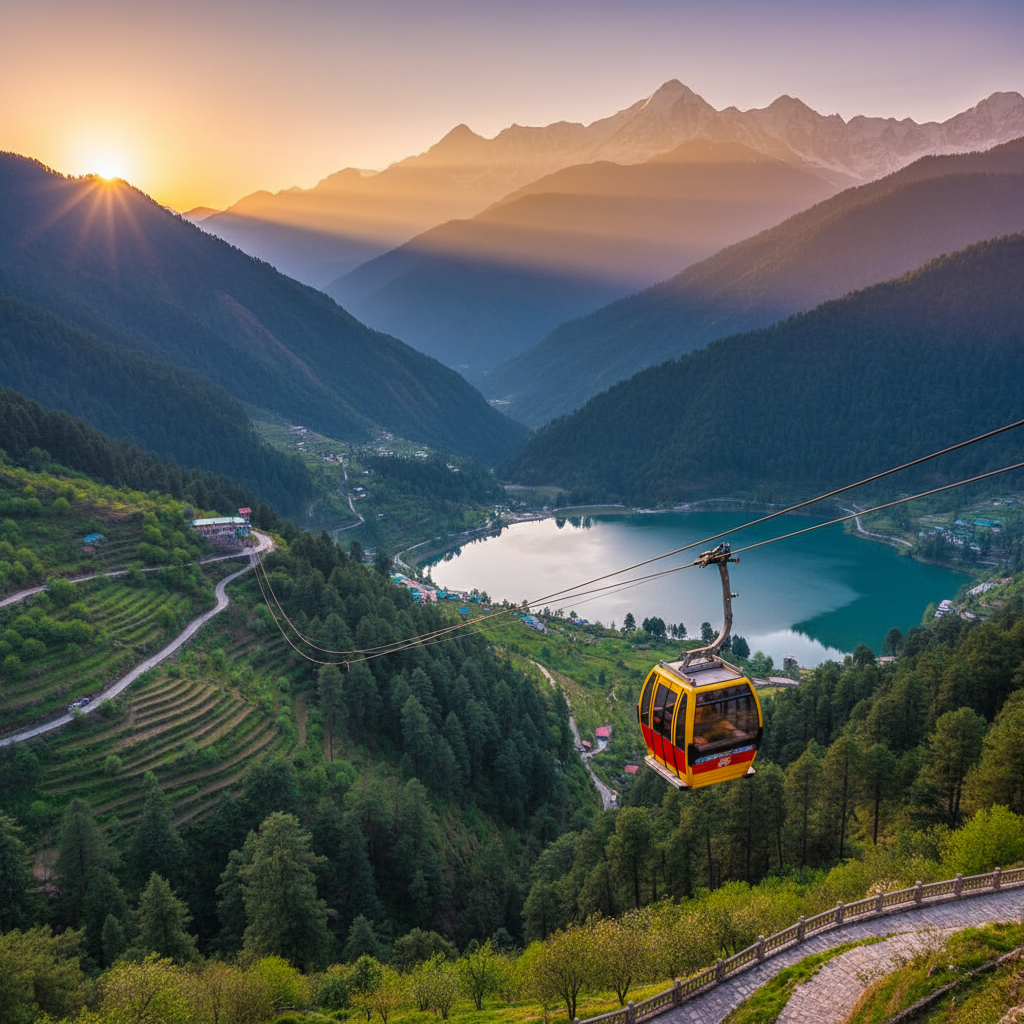
After reaching the main Bhawan complex, many devotees wish to visit the sacred Bhairon Baba Temple, which sits at a higher altitude. Traditionally, this involved a steep 1.5-kilometer climb, often proving to be the most challenging part of the entire yatra. The Bhairon Ghati Ropeway has completely revolutionized this segment. This state-of-the-art gondola lift connects the Bhawan with the Bhairon Temple, covering the distance in just a few minutes. It's a boon for all pilgrims, significantly cutting down on physical exertion and making the Darshan at Bhairon Temple accessible to almost everyone. The ropeway offers stunning aerial views of the surrounding mountains and the Vaishno Devi shrine complex, adding a scenic dimension to your pilgrimage. It's an enclosed cabin system, ensuring safety and comfort regardless of weather conditions, though it may occasionally halt during extreme wind or lightning.
Operational Timings and Booking for the Ropeway
The Bhairon Ghati Ropeway typically operates from early morning until late evening, usually starting around 6:00 AM and running until 10:00 PM, though timings can be subject to change based on pilgrim rush, weather conditions, or maintenance schedules. It's always advisable to check the current operational status upon arrival at Bhawan or through official SMVDSB channels. Tickets for the ropeway can be purchased directly at the ticket counters located near the Bhawan helipad and at the Bhairon Temple entrance. While online booking isn't usually available for this specific ropeway, the system is efficient, and waiting times are generally manageable, even during peak seasons. Each gondola cabin can accommodate several passengers, ensuring a smooth flow of pilgrims. Keep your Yatra slip handy as it might be required for verification during ticket purchase.
Ropeway Ticket Costs and Budgeting for Your Yatra
The Bhairon Ghati Ropeway ticket is quite affordable, designed to be accessible to all pilgrims. As of recent information, a round-trip ticket generally costs approximately INR 100-150 per person. This price is subject to revision by the Shri Mata Vaishno Devi Shrine Board, so it's wise to confirm the latest rates at the time of your visit. When budgeting for your Vaishno Devi yatra, consider this as a minor expense that significantly enhances your comfort and saves time. If you plan to use the Tarakote Marg, there's no specific cost for using the path itself, but factor in expenses for food, water, and potential porter or Palki services if required. Overall, the Vaishno Devi pilgrimage remains one of the most budget-friendly spiritual journeys in India, with most costs related to travel, accommodation in Katra, and personal expenses.
Tips for a Smooth Pilgrimage via Tarakote Marg and Ropeway
To make your Vaishno Devi yatra truly comfortable and memorable, especially when utilizing the Tarakote Marg and Bhairon Ropeway, here are a few practical tips. Firstly, always obtain your Yatra Slip (RFID Card) from Katra before commencing your journey; it's mandatory and essential for accessing the routes and facilities. While Tarakote Marg is gentler, comfortable walking shoes are still a must. Carry a light backpack with essentials like water, some energy snacks, a light jacket (even in summer, evenings can be cool), and any personal medications. For the ropeway, be prepared for a short queue during peak hours. If traveling with elderly or very young family members, the Tarakote Marg combined with the ropeway offers the least strenuous option. Maintain cleanliness on the route and respect the sanctity of the pilgrimage. Remember to book your accommodation in Katra in advance, especially during festivals or long weekends.
Accessibility for All: Making the Yatra Inclusive
The introduction of facilities like the Tarakote Marg and the Bhairon Ghati Ropeway reflects the Shrine Board's commitment to making the Vaishno Devi pilgrimage accessible to a wider demographic. The Tarakote Marg, with its gradual incline and ample amenities, has significantly reduced the physical challenge for those who might struggle with steep ascents, including senior citizens, pregnant women, and devotees with mild health conditions. The ropeway is a game-changer for individuals who might otherwise be unable to reach the Bhairon Temple. Furthermore, the Shrine Board provides wheelchair services, both manual and battery-operated, at various points along the routes for those needing extra assistance. These initiatives ensure that the spiritual journey to Mata Vaishno Devi is an inclusive experience, allowing more people to seek blessings and find solace at the holy shrine. Should you require further assistance or wish to explore package options that incorporate these comfortable routes, Mid Holidays is always here to help tailor your perfect pilgrimage.
Related Kashmir Guides & Services
<p>Planning the rest of your trip? These Mid Holidays guides pair well with this article:</p><ul><li><a href="/blog/ardhkuwari-cave-guide">Ardhkuwari Cave Guide: Your Spiritual Journey to Vaishno Devi</a></li><li><a href="/blog/vaishno-devi-yatra-planning-hub">Vaishno Devi Yatra 2026: Complete Planning Guide (Timings, Itinerary, Packing, Elderly Options)</a></li><li><a href="/blog/bhairon-temple-guide-vaishno-devi">Bhairon Temple Guide: Essential Information for Vaishno Devi Pilgrims</a></li><li><a href="/blog/vaishno-devi-for-senior-citizens-guide">Vaishno Devi for Senior Citizens: A Comprehensive Guide</a></li><li><a href="/blog/3-days-vaishno-devi-tour-packages-2026">3 Days Vaishno Devi Tour Packages 2026: Your Spiritual Journey with Mid Holidays</a></li></ul>
Frequently Asked Questions
Is the Tarakote Marg suitable for senior citizens?
Yes, the Tarakote Marg is widely considered the most suitable walking route for senior citizens due to its much gentler gradient compared to the traditional path via Banganga. It's wider, well-maintained, and equipped with resting points, washrooms, and food stalls, making the ascent more comfortable and less strenuous for older pilgrims. However, comfortable shoes and taking frequent breaks are still recommended.
Can I reach Bhawan directly by the Bhairon Ropeway?
No, the Bhairon Ghati Ropeway does not take you directly to the main Bhawan complex. Its purpose is to connect the Bhawan complex with the Bhairon Temple, which is located at a higher altitude. You first need to reach the Bhawan on foot (via Tarakote Marg or other routes), and then you can take the ropeway for the final stretch to the Bhairon Temple.
Are there food and water facilities on the Tarakote Marg?
Absolutely. The Tarakote Marg is well-equipped with various facilities for pilgrims. You will find multiple shops and eateries offering refreshments, snacks, and basic meals like Maggi, parathas, and tea. Clean drinking water points and washroom facilities are also available at regular intervals along the entire 7-kilometer stretch, ensuring a comfortable journey.
What is the maximum luggage allowed on the Bhairon Ropeway?
The Bhairon Ghati Ropeway is primarily for pilgrims and their small personal belongings. There isn't a strict 'luggage allowance' in the traditional sense, but large suitcases or heavy bags are generally discouraged and may not be easily accommodated within the gondola cabins. Pilgrims typically carry only small daypacks or handbags to the Bhawan, which are perfectly fine on the ropeway.
Do I need to pre-book the Bhairon Ropeway tickets?
Generally, there is no online pre-booking facility for the Bhairon Ghati Ropeway tickets. Tickets are typically purchased directly at the counters located at the Bhawan side (near the helipad) and the Bhairon Temple side. The system is usually efficient, and while there might be queues during peak times, waiting times are usually manageable.
Is the Tarakote Marg longer than the traditional route?
While the Tarakote Marg is a 7 km walk from Katra's base camp to Ardhkuwari, it is often perceived as slightly longer than the most direct traditional route, which can be around 5-6 km to Ardhkuwari. However, its significant advantage lies in its flatter, more gradual incline, making it feel less strenuous and a preferred option for many despite any minor increase in distance.