Kashmiri Traditional Dress Pheran: Your Ultimate Guide to Culture & Comfort
Kashmir Culture & Attire
Discover the Kashmiri traditional dress, the Pheran. Our guide covers its history, types, seasonal variations, cultural significance, and where to buy an…
The Pheran: An Introduction to Kashmir's Enduring Attire
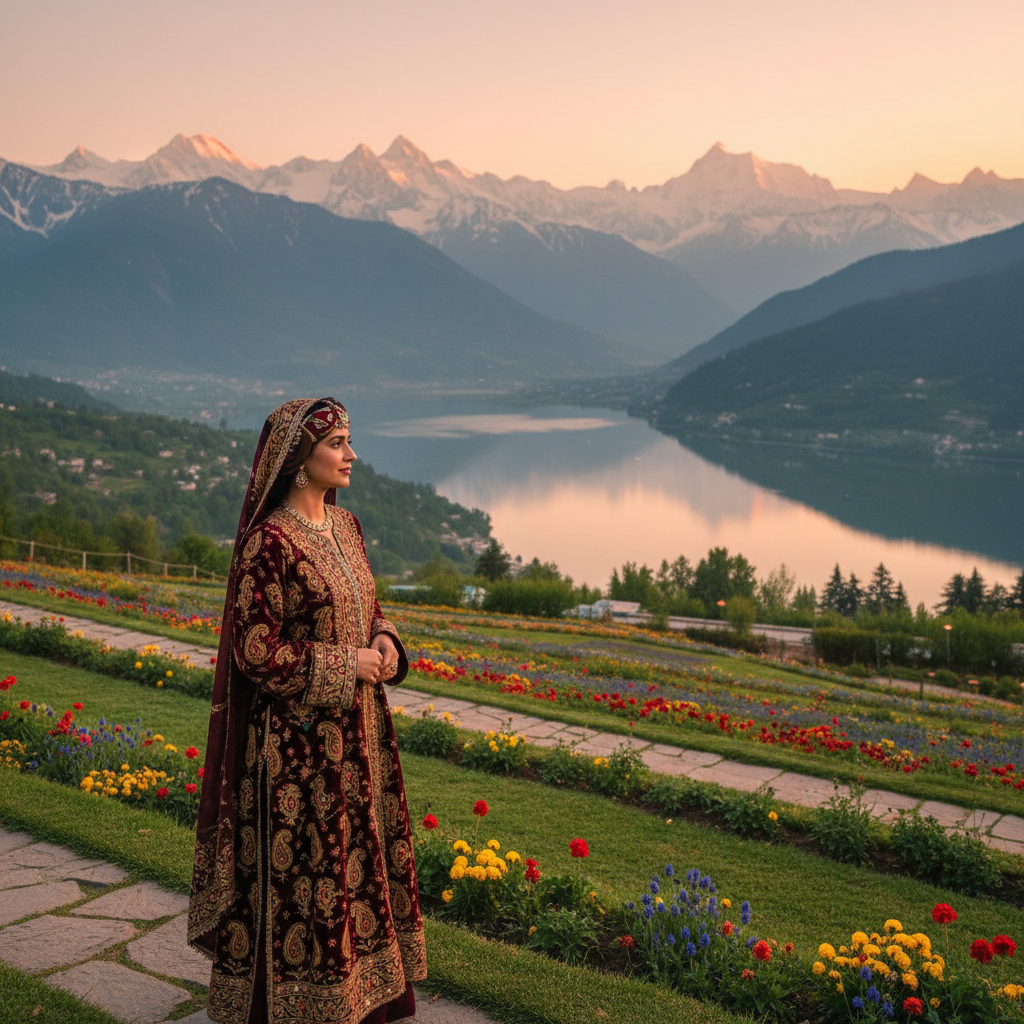
The Pheran is more than just a garment; it is a cultural icon, a symbol of Kashmiri identity, and a testament to the region's rich heritage. This traditional cloak, worn by both men and women, has graced the valleys of Kashmir for centuries, evolving slightly in style and fabric but retaining its fundamental essence. Imagine wandering through the bustling markets of Srinagar or the tranquil meadows of Gulmarg, and you'll see countless locals adorned in their Pherans, moving with an inherent grace that speaks volumes about their connection to this traditional dress. It’s practical, providing warmth in the harsh winters and comfort in milder seasons, making it perfectly suited to the diverse climate of the valley. For any visitor keen to understand the heart of Kashmir, understanding the Pheran is an essential step. It tells a story of adaptation, artistry, and a deep-rooted cultural pride that continues to thrive in modern times. At Mid Holidays, we believe truly experiencing Kashmir involves embracing its traditions, and the Pheran offers a unique window into this beautiful culture.
A Journey Through Time: The History and Evolution of the Pheran
The origins of the Pheran are steeped in history, with various theories attributing its introduction to different periods. Some historians suggest its arrival with Mughal rulers in the 15th century, while others trace its lineage back further to Central Asian influences. Regardless of its exact genesis, the Pheran quickly became an indispensable part of Kashmiri life. Initially, it was a simple, loose garment designed primarily for warmth and practicality, allowing for ease of movement during daily chores and agricultural activities. Over the centuries, it underwent subtle transformations. During the Dogra rule and subsequent periods, certain embellishments and tailoring techniques were introduced, particularly for the Pherans worn by the elite. The fabric choices also diversified, moving from purely woollen varieties to include cotton, silk, and blends. Today, while the basic silhouette remains, modern Pherans often incorporate contemporary designs, embroidery, and a wider range of colors, reflecting a blend of tradition and evolving fashion sensibilities, without ever losing its core identity as the quintessential Kashmiri dress. This evolution speaks volumes about Kashmir's ability to preserve its heritage while adapting to new influences.
Understanding the Variations: Pheran for Winter and Summer
The Pheran's adaptability to Kashmir's extreme weather conditions is one of its most remarkable features. There are distinct variations designed for the biting cold winters and the relatively milder summers. The winter Pheran, known locally as the 'Kangri Pheran' due to its compatibility with the traditional portable earthen firepot (Kangri), is typically made from thick wool or tweed. These Pherans are voluminous, often extending to the ankles, providing maximum insulation. They are loose-fitting, allowing layers of clothing underneath and ample space for the Kangri to be tucked inside, keeping the wearer warm for hours. In contrast, the summer Pheran, or 'Kasheeri Pheran', is crafted from lighter fabrics such as cotton, linen, or lightweight silk. These are usually shorter, reaching just below the knees, and are designed for breathability and comfort in warmer months. While less heavy, they still maintain the distinctive loose cut, allowing air circulation. Both variations, however, share the characteristic wide sleeves and broad neck, ensuring comfort and freedom of movement regardless of the season. This dual functionality highlights the ingenious design of this traditional attire, making it suitable year-round.
Adornment and Artistry: Embroidery and Embellishments
What truly elevates the Pheran from a simple cloak to a work of art is the intricate embroidery and embellishments it often features. Kashmiri craftsmanship is renowned worldwide, and the Pheran serves as a magnificent canvas for these traditional skills. The most common form of decoration is 'Aari' or 'Tilla' embroidery, which involves delicate needlework, often using metallic threads (Tilla) in gold or silver, to create elaborate floral patterns, paisleys, or abstract designs around the neckline, cuffs, and sometimes the hem. For everyday wear, simpler cotton Pherans might feature 'Suzi' embroidery, using colorful silk threads in chain stitches to depict local flora and fauna. Women's Pherans, especially those for special occasions like weddings or festivals, are often more heavily embroidered and might incorporate sequins, beads, or even intricate 'Kashmiri Gaba' work, which is a form of appliqué. Men's Pherans, while generally simpler, can also feature subtle embroidery, particularly around the collar. The choice of embroidery often signifies social status or the occasion for which the Pheran is worn, showcasing the rich storytelling embedded in Kashmiri textile arts.
Cultural Significance and Modern Adaptations
Beyond its functional and aesthetic appeal, the Pheran holds immense cultural significance for Kashmiris. It is a symbol of identity, heritage, and continuity. Wearing a Pheran is a way to connect with ancestral traditions and express a deep pride in Kashmiri culture. For many, it evokes a sense of belonging and community. Despite the influx of modern fashion, the Pheran has steadfastly remained a staple in Kashmiri wardrobes, particularly in rural areas and among the elderly. However, it has also found its way into contemporary fashion. Younger generations and designers are experimenting with the Pheran, incorporating modern cuts, different fabrics, and minimalist or contemporary embroidery designs. You'll find Pherans in fashionable boutiques in Srinagar that blend traditional silhouettes with modern sensibilities, making them appealing to a wider audience, including tourists. These modern adaptations ensure that the Pheran remains relevant and continues to be cherished, bridging the gap between tradition and modernity and demonstrating its timeless appeal.
Where to Buy an Authentic Pheran in Kashmir: A Shopper's Guide
For visitors wanting to take a piece of Kashmiri culture home, purchasing an authentic Pheran is a must. Srinagar, being the heart of Kashmir, offers the best places to find a wide variety. The bustling markets of Lal Chowk and Residency Road are excellent starting points. Here, you'll find numerous shops specializing in traditional Kashmiri clothing, offering Pherans for men, women, and children in various fabrics, designs, and price ranges. Don't hesitate to explore smaller, specialized boutiques tucked away in by-lanes, as these often house unique, hand-embroidered pieces. When buying, look for reputable shops and ask about the type of fabric (wool, tweed, cotton, silk) and the embroidery style (Tilla, Aari, Suzi). Prices can vary significantly based on the fabric quality, the intricacy of the embroidery, and the shop's location. A simple cotton Pheran might start from INR 800-1500, while a heavily Tilla-embroidered woollen Pheran can range from INR 5,000 to INR 20,000 or even more, depending on the artistry. Always try to haggle politely, as is common in local markets. Remember, buying a Pheran is not just a transaction; it's an experience that connects you to the region's rich artisanal heritage. Mid Holidays can also recommend trusted local artisans and shops during your Kashmir tour.
Caring for Your Pheran: Tips for Longevity
To ensure your beautiful Pheran lasts for years and retains its charm, proper care is essential, especially for embroidered pieces. For woollen and tweed Pherans, dry cleaning is often the safest option to preserve the fabric's integrity and the embroidery. If dry cleaning isn't feasible, gentle hand washing in cold water with a mild detergent is recommended. Avoid harsh scrubbing or wringing. Cotton Pherans are generally easier to care for and can be machine washed on a gentle cycle with cold water. For Pherans with delicate Tilla or Aari embroidery, it's best to turn them inside out before washing to protect the intricate threadwork. Air dry your Pheran by laying it flat or hanging it on a padded hanger to prevent stretching or creasing. Avoid direct sunlight, which can fade colors over time. When storing, especially for winter Pherans, ensure they are clean and completely dry to prevent mildew. Using mothballs or cedar blocks can help protect woollen Pherans from pests. With a little care, your Pheran will remain a cherished garment, ready to bring warmth and style for many seasons to come.
Related Kashmir Guides & Services
<p>Planning the rest of your trip? These Mid Holidays guides pair well with this article:</p><ul><li><a href="/blog/kashmir-polo-sport-heritage-guide">Kashmir Polo Sport Heritage Guide: A Journey Through Time</a></li><li><a href="/blog/kashmir-wazwan-food-guide">Kashmir Wazwan Food Guide: A Culinary Journey with Mid Holidays</a></li><li><a href="/blog/kashmiri-wedding-traditions-guide">Kashmiri Wedding Traditions Guide: A Journey Through Culture</a></li><li><a href="/blog/ladakh-pashmina-handicraft-shopping-guide">Ladakh Pashmina Handicraft Shopping Guide: Your Authentic Buy</a></li><li><a href="/blog/best-time-vaishno-devi-yatra">Best Time for Vaishno Devi Yatra: Your Ultimate Guide (2026)</a></li></ul>
Frequently Asked Questions
Is the Pheran worn by both men and women in Kashmir?
Yes, the Pheran is a traditional dress worn by both men and women across Kashmir. While the basic loose-fitting silhouette is similar, there are subtle differences in design, length, and embellishments. Women's Pherans often feature more intricate embroidery and brighter colors, while men's Pherans are typically simpler and come in more muted tones, though both offer comfort and warmth.
What kind of fabric is a Pheran typically made from?
The fabric of a Pheran depends largely on the season. For winters, Pherans are made from thick wool, tweed, or specialized blends designed for extreme cold. Summer Pherans, in contrast, are crafted from lighter, more breathable materials like cotton, linen, or lightweight silks, ensuring comfort during warmer months while maintaining the traditional loose fit.
Can tourists wear a Pheran, and where can they buy one?
Absolutely! Tourists are encouraged to experience Kashmiri culture by wearing a Pheran. It's a comfortable and authentic way to feel part of the local life. You can purchase authentic Pherans in Srinagar at popular markets like Lal Chowk, Residency Road, and smaller specialty boutiques. Look for quality fabrics and traditional embroidery, and don't hesitate to politely bargain for the best price.
What is 'Tilla' embroidery on a Pheran?
Tilla embroidery is a highly prized and intricate form of needlework commonly seen on Pherans, especially for special occasions. It involves using fine metallic threads, usually in gold or silver, to create elaborate, delicate patterns, often floral or paisley motifs, on the fabric. This adds a touch of elegance and luxury, making Tilla Pherans very sought after.
Is the Pheran still popular among younger generations in Kashmir?
While modern Western attire is common, the Pheran remains popular, particularly for traditional events, festivals, and during the colder months. Younger generations and local designers are also embracing the Pheran by incorporating contemporary cuts, diverse fabrics, and modern embroidery styles, ensuring its continued relevance and appeal across all age groups.
How much does an authentic Pheran cost in Kashmir?
The cost of an authentic Pheran varies significantly based on factors like fabric, embroidery type, and craftsmanship. A simple cotton Pheran might range from INR 800 to 1,500. More elaborate woollen Pherans with intricate Tilla embroidery can start from INR 5,000 and go upwards of INR 20,000 for highly artistic and luxurious pieces. Prices reflect the skill and materials involved.
What is the cultural significance of wearing a Pheran?
The Pheran holds deep cultural significance, symbolizing Kashmiri identity, heritage, and continuity. It represents a connection to ancestral traditions and a sense of belonging within the community. Wearing a Pheran is an expression of pride in Kashmiri culture and evokes the resilience and rich artistic history of the valley's people.