Kashmir Railway Extension Project: A Traveler's Guide
Kashmir Infrastructure & Travel
Discover the transformative Kashmir Railway Extension Project. This guide covers routes, phases, travel benefits, and what it means for your future Kashmir…
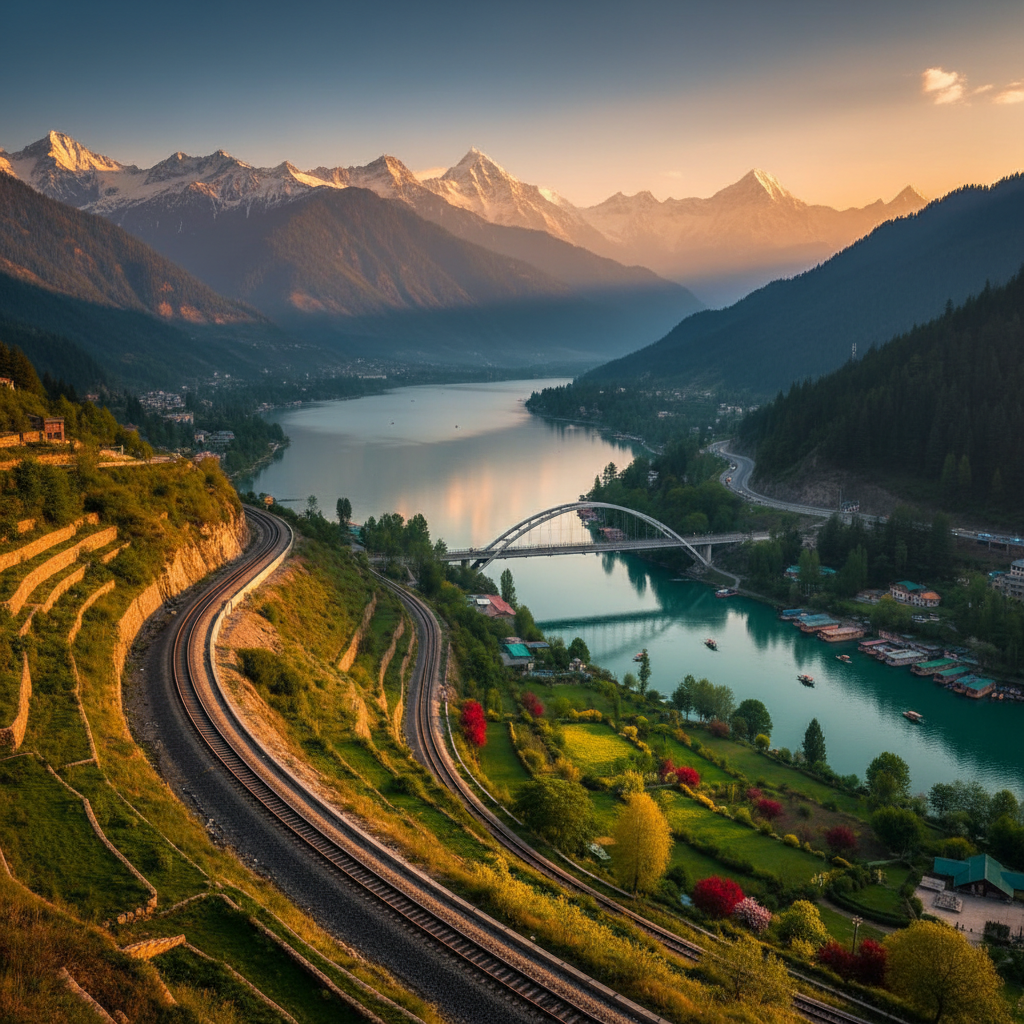
Kashmir Railway Extension Project: Unlocking Valley Connectivity
The Udhampur-Srinagar-Baramulla Rail Link (USBRL) project, often referred to as the Kashmir Railway Extension Project, is more than just a railway line; it's an engineering marvel and a lifeline for Kashmir. Conceived decades ago, this ambitious project aims to connect the Kashmir Valley to the rest of India's railway network, traversing some of the most challenging Himalayan terrain. The goal is to provide an all-weather, reliable, and affordable mode of transport, dramatically reducing travel time and boosting economic activity in the region. For travelers, it promises a revolutionary shift in how they access and experience Kashmir, offering a scenic and comfortable journey previously unimaginable. This project is a testament to human ingenuity, featuring numerous tunnels, bridges – including the world's highest railway bridge over the Chenab River – and overcoming significant geological hurdles. Understanding its scope and progress is key to anticipating future travel possibilities in the region.
Understanding the USBRL Project Phases and Progress
The USBRL project is divided into several critical sections, each presenting unique engineering challenges. The Udhampur-Katra (25 km) and Baramulla-Banihal (118 km) stretches are already operational, offering a glimpse into the future of rail travel in Kashmir. The most challenging and significant segment is the Katra-Banihal section, spanning approximately 111 kilometers. This section is where the majority of the tunnels and bridges, including the iconic Chenab Bridge, are located. As of early 2024, significant progress has been made, with tunnel boring and bridge construction nearing completion. The target for full commissioning of the Katra-Banihal stretch is eagerly anticipated, with trials already underway on some portions. This connection will bridge the final gap, enabling seamless train travel from Kanyakumari to Baramulla, fundamentally transforming the travel landscape for both locals and tourists. The progress is meticulously monitored by Indian Railways, with dedicated teams working round-the-clock to overcome the geological and logistical hurdles inherent in such a mountainous endeavor.
Benefits for Travelers: A New Era of Kashmir Travel
Once fully operational, the Kashmir Railway Extension Project will usher in a new era of travel convenience and accessibility for tourists. Firstly, it will offer an all-weather alternative to the frequently closed Jammu-Srinagar National Highway, ensuring reliable connectivity even during harsh winters. Imagine travelling by train through snow-covered landscapes, reaching Srinagar without the uncertainties of road travel. Secondly, the journey itself promises to be a spectacular experience, with trains passing through dramatic tunnels and over breathtaking bridges, offering unparalleled views of the Himalayan foothills and the Pir Panjal range. This will undoubtedly become a tourist attraction in its own right. Thirdly, it will likely lead to more affordable travel options, making Kashmir accessible to a wider demographic of travelers. For Mid Holidays, this means we can soon offer seamless rail-inclusive packages, enhancing the overall travel experience for our guests and allowing them to explore more of Kashmir with ease and comfort.
Navigating the Current Railway Network in Kashmir
Even before the full extension, the existing railway network within the Kashmir Valley offers a unique travel experience. Currently, the railway connects Baramulla in the north to Banihal in the south. This intra-valley train service, often called the 'Kashmir Rail', passes through key towns like Srinagar, Budgam, Anantnag, and Qazigund. While it doesn't yet connect directly to the broader Indian railway network, it's a popular and efficient mode of transport for locals and a fascinating experience for tourists looking to immerse themselves in local life. The trains are modern, clean, and provide fantastic views of the valley's orchards, rice fields, and villages. A ticket from Srinagar to Banihal typically costs around INR 50-100, making it an incredibly economical way to traverse the valley. This existing network will seamlessly integrate into the extended USBRL project, serving as the final leg of the journey for those arriving from outside the valley and enhancing local commuting.
Future Travel Scenarios: Direct Trains to Srinagar
The completion of the Kashmir Railway Extension Project means that in the near future, travelers will be able to board a train from major Indian cities like Delhi, Mumbai, or Kolkata and arrive directly into Srinagar or Baramulla. This eliminates the need for separate air travel to Srinagar or a lengthy road journey from Jammu, which often involves transfers. The journey will be significantly faster and more comfortable, especially for those who prefer rail travel. Imagine an overnight train from Delhi, waking up to the majestic vistas of the Kashmir Valley. This direct connectivity will open up new itineraries and make multi-destination travel within India, combining different regions, much more feasible. It's expected to boost tourism significantly, allowing more people to experience the serene beauty of Kashmir without the traditional travel hurdles. Mid Holidays is already envisioning new packages that leverage this seamless rail access, offering unique perspectives on the journey itself.
Impact on Local Economy and Tourism Infrastructure
Beyond direct travel benefits, the Kashmir Railway Extension Project is poised to have a profound impact on the local economy and tourism infrastructure. Easier and more reliable access will lead to an increase in tourist footfall, translating into more jobs in the hospitality, transport, and ancillary sectors. Local businesses, from handicraft sellers to guesthouse owners, will see enhanced opportunities. Furthermore, the project facilitates the easier movement of goods, boosting trade and reducing transportation costs for local produce and products. This economic upliftment will likely spur further investment in tourism infrastructure, including more hotels, guesthouses, and development of new tourist circuits. The railway will not just transport people; it will transport prosperity and development, fostering sustainable growth while preserving the pristine environment of the valley. It's a long-term investment in the region's future, aligning with the vision of making Kashmir a top global tourist destination.
Planning Your Trip with the Future in Mind
While the full operational status of the Kashmir Railway Extension Project is still in its final stages, it's wise for future travelers to keep this development in mind. For now, air travel to Srinagar remains the most common and efficient way to reach the valley from other parts of India. However, if your trip is planned for late 2024 or 2025 onwards, it's worth checking the latest updates on the USBRL project. Indian Railways regularly provides status reports, and news outlets will widely cover its inauguration. You might want to consider combining a flight to Jammu with a train journey from Katra to Banihal (once that section is fully operational), and then taking a local train or taxi into Srinagar. This project fundamentally changes the travel equation, offering exciting new possibilities. When it's fully ready, Mid Holidays will be at the forefront, offering tailored packages that leverage the convenience and beauty of rail travel into Kashmir, ensuring a smooth and memorable journey for every guest.
Related Kashmir Guides & Services
<p>Planning the rest of your trip? These Mid Holidays guides pair well with this article:</p><ul><li><a href="/blog/kishtwar-travel-guide-kashmir-hidden-paradise">Kishtwar Travel Guide: Explore Kashmir's Hidden Paradise with Mid Holidays</a></li><li><a href="/blog/kashmir-varanasi-spiritual-combo-package">Kashmir & Varanasi Spiritual Combo: Your Ultimate Pilgrimage Guide</a></li><li><a href="/blog/kashmir-tourist-footfall-trends-guide">Kashmir Tourist Footfall Trends Guide: Insights for Travel Planning</a></li><li><a href="/blog/kashmir-taxi-rates-2026-your-ultimate-guide">Kashmir Taxi Rates 2026: Plan Your Budgeted Trip with Ease</a></li><li><a href="/blog/top-kashmir-dmc-company">Choosing the Top Kashmir DMC Company for Your Dream Trip</a></li></ul>
Frequently Asked Questions
What is the current status of the Kashmir Railway Extension Project?
As of early 2024, significant progress has been made on the challenging Katra-Banihal section of the USBRL project. The Udhampur-Katra and Baramulla-Banihal sections are already operational. Construction of tunnels and bridges, including the iconic Chenab Bridge, is nearing completion, with trial runs expected on various stretches. The full operational target is set for late 2024 or early 2025, but specific dates can vary based on ongoing engineering work and safety clearances.
Will I be able to travel directly to Srinagar by train from other Indian cities?
Yes, once the entire Kashmir Railway Extension Project (USBRL) is fully operational, travelers will be able to board trains from major Indian cities like Delhi, Mumbai, or Kolkata and travel directly to stations within the Kashmir Valley, such as Srinagar or Baramulla. This will eliminate the need for road transfers from Jammu or air travel, providing a seamless and scenic journey straight into the heart of Kashmir.
How will the Kashmir Railway project affect travel costs for tourists?
The Kashmir Railway Extension Project is expected to make travel to Kashmir more affordable. Train travel generally offers a more budget-friendly option compared to flights, especially for long distances. Additionally, the increased connectivity and potential rise in tourism could also foster more competitive pricing in the local travel and hospitality sectors, benefiting tourists looking for cost-effective ways to explore the region.
What are the major engineering challenges overcome by this project?
The project navigates extremely challenging Himalayan terrain, requiring innovative engineering solutions. Key challenges included constructing numerous long tunnels through geologically complex mountains, building high-altitude bridges like the Chenab Bridge (world's highest railway bridge), and ensuring stability against seismic activity. Extensive geological surveys and advanced construction techniques have been employed to overcome these monumental obstacles, making it an engineering marvel.
Is the existing Kashmir Valley railway line open for tourists?
Yes, the existing railway line within the Kashmir Valley, connecting Baramulla to Banihal, is fully operational and used by both locals and tourists. It offers a scenic and cost-effective way to travel between major towns like Srinagar, Budgam, and Anantnag. While it doesn't connect to the rest of India's network yet, it's an excellent way to experience local life and the valley's beauty by train.
How will the new railway line impact Kashmir during winter?
The new railway line will provide a crucial all-weather connectivity solution, especially during winter months when the Jammu-Srinagar National Highway often closes due to heavy snowfall and landslides. This will ensure reliable access to the Kashmir Valley, allowing tourists to visit and enjoy the winter wonderland without concerns about road closures, previously a major deterrent for winter travel.
Where can I find official updates on the Kashmir Railway Extension Project?
Official updates on the Kashmir Railway Extension Project (USBRL) are typically released by Indian Railways and the Konkan Railway Corporation Limited (KRCL), which is executing parts of the project. You can check their official websites or reliable national news sources for the latest progress reports, operational dates, and other relevant announcements. Reputable travel agencies like Mid Holidays also monitor these developments closely to inform future travel planning.