Kashmir Tourist Footfall Trends Guide: Insights for Travel Planning
Kashmir Travel Planning
Understand Kashmir tourist footfall trends to plan your perfect trip. Discover peak seasons, off-peak advantages, and regional variations for an optimal…
Understanding Kashmir Tourist Footfall Trends: An Overview
As a traveler planning a trip to Kashmir, understanding tourist footfall trends is incredibly helpful. It's not just about avoiding crowds, though that's a significant benefit for many; it's also about optimizing your experience, finding better deals, and even contributing to more sustainable tourism. Kashmir, often called 'Paradise on Earth,' experiences distinct seasonal variations in visitor numbers, influenced by weather, festivals, and school holidays. Our aim at Mid Holidays is to provide you with a clear picture of when people typically visit, what drives these trends, and how you can use this knowledge to your advantage. This isn't just about raw numbers; it's about the nuances – which areas are most popular at specific times, what kind of experience you can expect during peak versus lean seasons, and how these patterns impact everything from accommodation availability to local interactions. We draw on our extensive experience as a Kashmir-based operator to give you practical, real-world insights, ensuring your journey is as smooth and enriching as possible. We'll explore the 'why' behind the trends, looking at how factors like infrastructure development and promotional campaigns also play a role in shaping visitor flows.
Peak Seasons Explained: Spring and Autumn's Allure
Kashmir witnesses two major peak seasons for tourism: spring and autumn. Spring, generally from March to May, sees a massive influx of visitors eager to witness the blooming gardens, especially the famed Tulip Garden in Srinagar, and enjoy pleasant weather before the summer heat intensifies elsewhere in India. This period is characterized by vibrant colors, comfortable temperatures ranging from 10°C to 25°C, and lively markets. Accommodations, especially houseboats and popular hotels, tend to be booked months in advance, and prices are usually at their highest. You'll find more activity on Dal Lake, bustling streets in Srinagar, and popular spots like Gulmarg and Pahalgam brimming with families and honeymooners. Road conditions are typically excellent during this time. Expect a lively, energetic atmosphere, but also be prepared for queues at popular attractions and a higher overall travel cost. If you prefer a bustling, celebratory Kashmir, spring is your time. However, securing bookings early and being prepared for slightly higher prices is key.
Autumn's Golden Glow: Another Popular Window
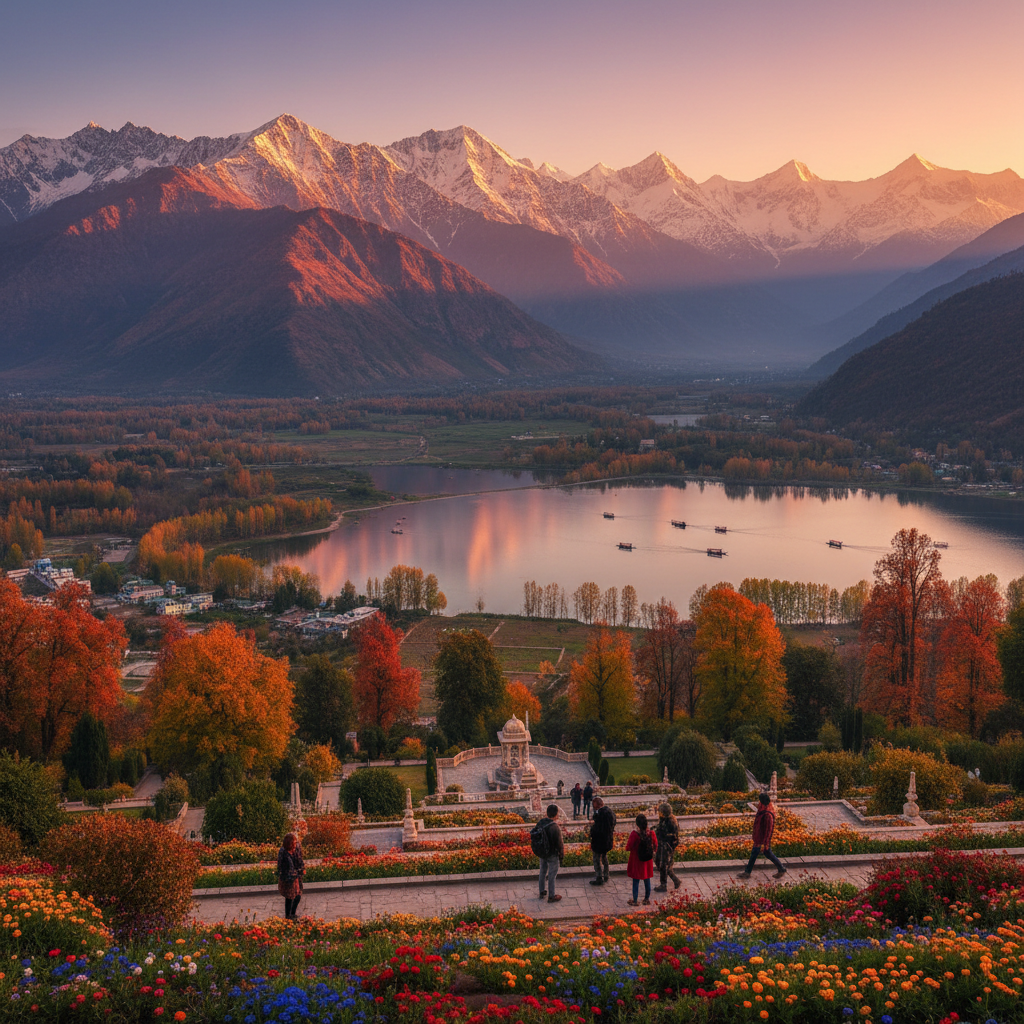
The other significant peak season is autumn, from September to November. This is when Kashmir transforms into a palette of gold, crimson, and amber as the chinar trees shed their leaves. The weather is crisp and cool, ranging from 5°C to 20°C, offering perfect conditions for sightseeing and trekking. The post-monsoon freshness and clear skies make for spectacular photographic opportunities. Autumn attracts nature lovers, photographers, and those seeking a serene yet visually stunning experience before the onset of winter. While generally less crowded than spring's tulip season, popular destinations still see substantial footfall, and accommodation prices remain on the higher side. Gulmarg, Pahalgam, and Sonamarg are particularly sought after for their autumn beauty. Road travel is usually smooth, with minimal disruptions. If you prioritize breathtaking landscapes and comfortable outdoor activities, autumn is an ideal choice, offering a slightly more tranquil experience than spring while still being a peak period. Booking at least 2-3 months ahead is advisable for good rates.
Off-Peak Travel: Winter's Charm and Summer's Respite
Traveling during Kashmir's off-peak seasons – winter (December to February) and parts of summer (June to August) – offers a unique set of advantages. Winter transforms Kashmir into a snow-covered wonderland, particularly Gulmarg, which becomes a hub for skiing and winter sports. While temperatures can drop below freezing, ranging from -5°C to 5°C, the surreal beauty of snow-laden landscapes is unparalleled. Tourist footfall is lower compared to peak seasons, except for Gulmarg during specific snow-sport events, leading to better deals on hotels and fewer crowds at most places. Some roads, especially to higher altitudes like Sonamarg, might be closed due to heavy snow, so planning is crucial. If you dream of a white Christmas or want to experience Kashmir's quiet, ethereal beauty, winter is perfect, but pack warm clothes and prepare for potential travel adjustments. Similarly, summer, particularly June to mid-July, while attracting some visitors, sees a dip compared to spring, offering a pleasant escape from India's plains and slightly lower prices than the spring rush, making it a good option for families.
Regional Variations in Tourist Flow: Srinagar, Gulmarg, Pahalgam, Sonamarg
Tourist footfall isn't uniform across Kashmir; it varies significantly by region. Srinagar, as the capital and main entry point, sees consistent high numbers during peak seasons, driven by attractions like Dal Lake, Mughal Gardens, and its historical sites. The Tulip Garden's opening in spring is a massive draw, creating a concentrated surge of visitors. Gulmarg experiences its peak during winter for skiing and snow activities, and again in summer for its lush meadows and golf course, but its footfall patterns are distinct from Srinagar's. Pahalgam is a popular summer retreat and a base for the Amarnath Yatra, leading to high numbers from June to August, and also sees considerable autumn tourist flow for its scenic beauty. Sonamarg, with its stunning glaciers and role as a gateway to Ladakh, primarily draws visitors in late spring and summer (May to October), with road closures in winter limiting access. Understanding these regional spikes helps in planning a more balanced itinerary, perhaps visiting a less crowded region during a peak for another, or focusing on specific activities that align with regional footfall trends.
Impact of Infrastructure and Connectivity on Footfall
The improvement in infrastructure and connectivity has played a pivotal role in shaping Kashmir's tourist footfall trends. Enhanced road networks, like the Mughal Road and better connectivity to remote valleys, have made more areas accessible, distributing tourist flow beyond traditional hotspots. The Srinagar International Airport's increased flight frequency and improved services also contribute to easier access, leading to more consistent visitor numbers. Furthermore, the development of modern accommodation facilities, diverse dining options, and organized adventure sports infrastructure, such as improved ski lifts in Gulmarg or trekking routes, attracts a wider range of tourists. These advancements not only facilitate smoother travel but also encourage longer stays and repeat visits. While increasing overall footfall, better infrastructure also helps manage it more effectively by opening up new destinations and experiences, moving towards a more diversified and sustainable tourism model for the region. This continuous development means that trends are always evolving, making real-time information crucial for effective travel planning.
Future Trends and Sustainable Tourism in Kashmir
Looking ahead, Kashmir's tourist footfall trends are likely to be influenced by a growing emphasis on sustainable and experiential tourism. There's a rising interest in offbeat destinations like Gurez Valley, Lolab Valley, and Doodhpathri, which currently see lower footfall but offer unique, pristine experiences. This diversification could help de-congest popular areas during peak times. The government and local operators are also focusing on promoting year-round tourism, encouraging visitors to explore Kashmir's distinct charms in all seasons, not just spring and autumn. There's a concerted effort to develop niche tourism segments, such as adventure tourism, cultural tours, and wellness retreats, which will attract specific traveler demographics and potentially stabilize footfall throughout the year. For travelers, this means more varied options and the opportunity to experience a less crowded, more authentic Kashmir. As a responsible tour operator, Mid Holidays is committed to promoting practices that ensure the longevity and environmental integrity of Kashmir's natural beauty, encouraging respectful and mindful travel from all our guests.
Planning Your Trip Based on Footfall Trends
Armed with insights into Kashmir's tourist footfall trends, you can plan a truly tailored trip. If you thrive on vibrant energy and don't mind crowds, targeting the spring tulip season or autumn's chinar spectacle is ideal – just ensure all bookings are made well in advance (3-6 months) to secure your preferred accommodation and travel arrangements. Expect flight prices and hotel tariffs to be at their highest. For those seeking tranquility and budget-friendly options, consider the shoulder months of early March or late November, or the early summer. Winter, especially for snow enthusiasts, offers a magical experience, often with better deals outside of major holiday weeks. If you're interested in offbeat exploration, aim for these less crowded periods to truly immerse yourself in the local culture without the rush. Regardless of when you choose to visit, staying informed about local conditions, especially road accessibility in winter, is crucial. Remember, flexibility in your itinerary can often lead to discovering unexpected delights. Let Mid Holidays help you navigate these trends. Our expertise ensures you get the best experience, aligning your travel desires with the optimal time to visit. We offer bespoke packages designed to leverage these footfall patterns, ensuring your trip to Kashmir is exactly what you envision. Feel free to explore our diverse Kashmir tour packages at kashmir.midholidays.in to find an itinerary that perfectly suits your preferences and the season you plan to visit.
Related Kashmir Guides & Services
<p>Planning the rest of your trip? These Mid Holidays guides pair well with this article:</p><ul><li><a href="/blog/kashmir-christmas-package">Kashmir Christmas Package: Your Ultimate Winter Wonderland Guide</a></li><li><a href="/blog/kashmir-packing-list-for-family">Kashmir Packing List for Family: Your Ultimate Guide for All Seasons</a></li><li><a href="/blog/kashmir-tour-package-from-vadodara">Kashmir Tour Package from Vadodara: Your Ultimate Guide & Best Deals</a></li><li><a href="/blog/leh-ladakh-best-time-to-visit-month-wise">Leh Ladakh Best Time to Visit Month-Wise: Your Ultimate Guide</a></li><li><a href="/blog/kashmir-itinerary-7-days-ultimate-guide">Kashmir Itinerary 7 Days: Your Ultimate Guide for a Dream Trip</a></li></ul>
Frequently Asked Questions
What is the busiest month for tourism in Kashmir?
Historically, May is often the busiest month for tourism in Kashmir, primarily driven by the full bloom of the Tulip Garden in Srinagar and the onset of pleasant summer weather across the valley, making it ideal for sightseeing and outdoor activities. This month sees high demand for flights, hotels, and local transport, leading to higher prices and larger crowds at popular attractions like Dal Lake, Gulmarg, and Pahalgam. Advance booking is essential if you plan to visit in May.
Are there any advantages to visiting Kashmir during the off-peak season?
Absolutely. Visiting Kashmir during off-peak seasons, such as deep winter (January-February) or parts of summer (June-July, excluding Amarnath Yatra period), offers several advantages. You'll experience fewer crowds, leading to a more serene and authentic interaction with the local culture and landscapes. Accommodation and travel costs are generally lower, offering better value. Additionally, you get to witness Kashmir's unique seasonal beauty – a snow-covered wonderland in winter or lush greenery in summer – which many find even more captivating than the peak periods.
How do festivals affect tourist footfall in Kashmir?
Local festivals and events can significantly influence tourist footfall. For instance, the annual Tulip Festival in Srinagar, typically held in April, draws a massive surge of visitors specifically to witness the blooms. Similarly, major religious events or local cultural celebrations, while perhaps not attracting international tourists en masse, can create localized spikes in visitor numbers, especially from within India. Always check the festival calendar if you wish to either participate in or avoid such crowded periods.
Does the Amarnath Yatra impact general tourism footfall?
Yes, the Amarnath Yatra, a significant pilgrimage to the Amarnath cave shrine, has a considerable impact on tourist footfall, particularly in the Pahalgam and Sonamarg regions, which serve as base camps. During the Yatra period (typically July-August), these areas experience a massive influx of pilgrims, leading to increased demand for accommodation, transport, and local services. While not directly affecting leisure tourism in Srinagar or Gulmarg as much, it can indirectly influence pricing and availability of services across the valley.
Which region of Kashmir sees the most consistent tourist footfall?
Srinagar, being the capital and primary entry point, generally sees the most consistent tourist footfall throughout the year, with spikes during spring and autumn. Its diverse attractions, including Dal Lake, Mughal Gardens, and historical sites, appeal to a wide range of visitors across seasons. While other regions like Gulmarg and Pahalgam have their distinct peak seasons, Srinagar remains a constant hub of activity, serving as a base for exploring the wider valley.
How reliable are road conditions in Kashmir during different footfall trends?
Road conditions in Kashmir are generally reliable during peak seasons (spring and autumn). However, during winter (December-February), heavy snowfall can lead to temporary closures of routes to higher altitudes like Sonamarg and sometimes even Gulmarg. During the monsoon-influenced summer months (July-August), occasional landslides or heavy rains can cause minor disruptions. Always check local road status updates before traveling, especially if heading to remote areas or planning a winter trip.
Has there been a shift towards offbeat destinations in Kashmir?
Yes, there is a noticeable shift in Kashmir's tourist footfall towards offbeat destinations. Travelers are increasingly seeking unique, less crowded experiences beyond the traditional circuit of Srinagar, Gulmarg, and Pahalgam. Places like Gurez Valley, Doodhpathri, and Lolab Valley are gaining popularity for their pristine natural beauty, tranquility, and opportunities for responsible tourism. This trend is driven by a desire for authentic local experiences and sustainable travel, distributing tourist flow more evenly across the region.