Kashmir Local Language Phrases Guide: Connect Deeper with Locals
Kashmir Travel Guide
Enhance your Kashmir trip with our local language phrases guide. Learn essential Kashmiri greetings and common phrases for a richer cultural experience.
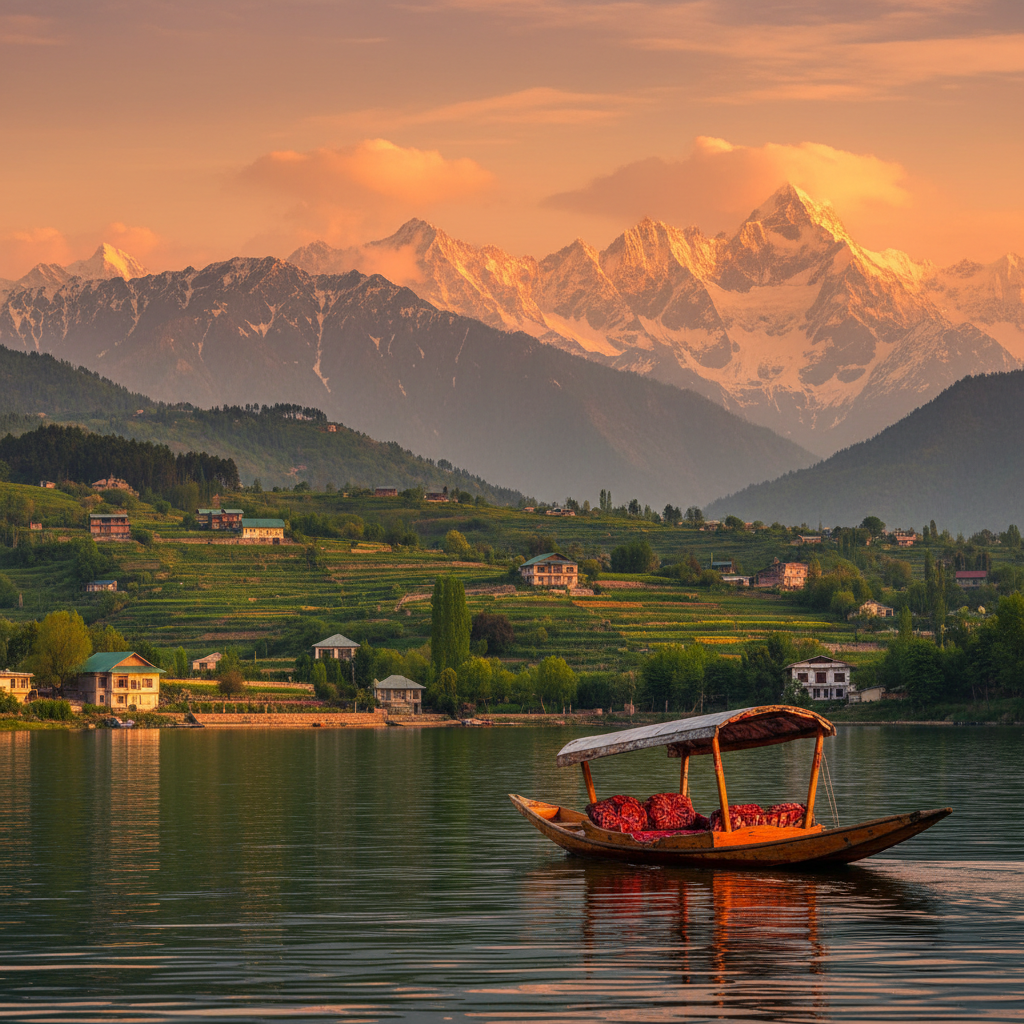
Kashmir Local Language Phrases Guide: An Introduction to Communication
Venturing into Kashmir is an experience that engages all your senses, from the breathtaking landscapes to the vibrant culture. While English and Hindi are widely understood in tourist areas, especially by those directly involved in the hospitality sector, making an effort to speak a few local phrases in Kashmiri can profoundly enhance your travel experience. This isn't just about getting by; it's about connecting with the heart of Kashmir, showing respect for its rich heritage, and breaking down cultural barriers. Locals genuinely appreciate the effort, often responding with warmth, smiles, and sometimes even an extra cup of Kahwa. This guide is designed for the curious traveler, the one who seeks not just to see Kashmir, but to truly feel and understand it. From simple greetings to essential phrases for shopping or asking for directions, learning a little Kashmiri will open doors to more authentic interactions and memories that last a lifetime. Think of it as your passport to deeper engagement with the Kashmiri people and their way of life, turning a mere transaction into a meaningful exchange.
Why Learn Kashmiri? Beyond Just Speaking
Learning a few local phrases goes far beyond basic communication; it's a bridge to cultural immersion. When you greet a shopkeeper with 'Assalam-o-Alaikum' or thank your shikara walaf with 'Meharbani', you're not just speaking words; you're acknowledging a shared humanity and respect for their identity. In a region where tourism is vital, showing this level of engagement often leads to friendlier service, more genuine conversations, and sometimes even exclusive insights or recommendations that only a local would share. It demonstrates that you're not just another tourist, but a thoughtful visitor keen on understanding their world. Moreover, it provides a unique window into the local way of thinking and cultural nuances. For instance, the politeness embedded in Kashmiri language reflects the hospitality of its people. This small effort can transform your trip from a simple itinerary run-through into a series of memorable, heartfelt encounters, making your journey through the Valley truly exceptional and personal. It fosters goodwill and can often lead to unexpected kindnesses.
Essential Greetings and Polite Expressions
Starting with greetings is always the best way to break the ice. The most common and respectful greeting in Kashmir, reflecting the predominant culture, is 'Assalam-o-Alaikum' (Peace be upon you), to which the reply is 'Wa-Alaikum-us-Salam' (And peace be upon you too). For a simple 'hello' or 'hi' in a more informal setting, especially if you know the person, you might hear 'Kia hal?' (How are you?) or 'Kasa chhi?' (How are you? – more formal). Always follow up with 'Meharbani' (Thank you) when someone helps you. If you need to apologize, 'Ma'af Kariv' or 'Ma'af Karakh' (I'm sorry) is appropriate. To get someone's attention politely, especially in a shop or market, a soft 'Sahib' (Sir) or 'Baji' (Madam/Sister) followed by your query works well. Ending a conversation with 'Khuda Hafiz' (Goodbye/May God protect you) is also a warm and respectful gesture. These fundamental phrases show respect and open the door to more positive interactions with the local community, making your journey feel more welcoming and engaging.
Navigating the Market: Shopping Phrases
Kashmir's markets, from the bustling lanes of Lal Chowk to the quaint shops selling pashmina and saffron, are an integral part of the experience. Knowing a few shopping phrases can make your bartering and purchasing far more enjoyable. Start by asking 'Kithcha ropy chhi yi?' (How much is this?). If you're looking for something specific, you can say 'Yi chai?' (Do you have this?). When negotiating, a polite 'Kam kari?' (Can you reduce the price?) might help. Be prepared for a friendly back-and-forth, as this is part of the local shopping culture. If you find a good price, 'Yi chhu theek' (This is fine/okay) can signal your acceptance. If something is too expensive, a simple 'Boh chhu kam keemat hund' (I need something cheaper) is understandable. Remember to always use 'Meharbani' (Thank you) after a purchase, regardless of whether you got a discount. This respectful interaction often leads to better deals and a more pleasant experience for both parties, making your shopping ventures more successful and memorable.
Getting Around: Directions and Transport
Navigating Kashmir, whether by local cab, shikara, or on foot, becomes much smoother with a few directional phrases. To ask 'Where is...?', use 'Kus chhu yi...?' followed by the place name, for example, 'Kus chhu yi Dal Lake?' (Where is Dal Lake?). If you need to go to a specific place, you can say 'Boh chhu gatsun...' (I want to go to...). Asking for distance, 'Kithcha dur chhu yi?' (How far is it?), can be useful. For 'straight', say 'Seedah', for 'left', 'Khoor' (or Khuy), and for 'right', 'Khav'. If you're in a taxi or auto-rickshaw, 'Astah' (Slowly) or 'Rukiv' (Stop here) can come in handy. And, of course, 'Meharbani' after your driver gets you to your destination safely. While many drivers in tourist areas understand basic English or Hindi, using Kashmiri shows your appreciation for their service and often ensures a smoother, more personal interaction. Knowing these phrases can make your daily commutes and explorations across the Valley much more confident and engaging.
Dining Out: Food and Restaurant Phrases
Experiencing Kashmiri cuisine, particularly the famous Wazwan, is a highlight of any trip. A few phrases can help you order and express your enjoyment. To ask for the menu, you could say 'Menu kani dyuv?' (Can I have the menu?). When ordering, point to what you want and say 'Yi dyuv' (Give me this). To ask for water, it's 'Pani dyuv' (Give me water). If you enjoy your meal, 'Mazedar chhu' (It's delicious!) or 'Boh chhu sukunat' (I am full/satisfied) will be well-received by your hosts. If you need something specific, like 'more rice', you can say 'Zyadeh batta dyuv'. To ask for the bill, 'Bill dyuv' is commonly understood, though 'Hisab dyuv' is the more traditional Kashmiri way. Remember that many Kashmiri dishes are served family-style, reflecting the communal nature of their dining. Using these phrases not only helps you navigate the dining experience but also shows your appreciation for their culinary traditions, making your meals even more memorable.
Beyond the Basics: Emergency and Helpful Phrases
While we always hope for a smooth journey, knowing a few emergency and helpful phrases can provide peace of mind. If you need assistance, 'Madad dyuv' (Help me) is crucial. If you've lost something, 'Boh chhu gum shudh' (I am lost) or 'Boh chhu guemut' (I have lost...) can be useful, followed by what you've lost. For medical emergencies, 'Doctor kani chhu?' (Where is the doctor?) or 'Dukhi chhu' (It hurts) can convey your need. If you don't understand something, 'Boh chhu na samjhan' (I don't understand) is helpful. You can also ask 'Angrezi manz gov?' (Can you speak in English?). While immediate serious emergencies will likely require English for clarity, these phrases can initiate help or signal distress to locals who might not speak English. They are a valuable addition to your linguistic toolkit, ensuring you're prepared for unexpected situations and can seek assistance effectively when needed, making your travel in Kashmir safer and more secure. Mid Holidays prioritizes your safety and provides local assistance for all our travelers.
Practicing Pronunciation and Local Dialects
Kashmiri, like any language, has its nuances in pronunciation. While you don't need to be fluent, attempting to pronounce words correctly will be appreciated. Many online resources offer audio guides for basic Kashmiri phrases, which can be incredibly helpful. Listening to locals speak and trying to mimic their intonation is also an excellent way to improve. Don't be shy or worried about making mistakes; the effort itself is what matters. You might also notice slight variations in dialect across different parts of the Valley, though the core phrases remain universally understood. For instance, the accent might differ slightly between Srinagar and rural areas, but the meaning will be conveyed. Locals are generally very patient and encouraging with tourists who attempt to speak their language. Engaging with them, even with imperfect pronunciation, fosters a genuine connection and makes your interactions more authentic and enjoyable. Embrace the learning process, and you'll find that Kashmir opens up to you in unexpected ways.
Embrace the Language, Embrace Kashmir
Learning even a handful of Kashmiri phrases is more than just a linguistic exercise; it's an act of cultural respect and an open invitation for deeper connection. It transforms your journey from merely visiting a place to truly experiencing it, fostering a sense of belonging and mutual understanding. The warmth and hospitality of the Kashmiri people are legendary, and your effort to speak their language will undoubtedly be met with genuine appreciation and kindness. So, before you embark on your dream trip to the 'Paradise on Earth', take a little time to familiarize yourself with these essential phrases. It's a small step that promises immense rewards, enriching your travel stories and creating unforgettable memories. At Mid Holidays, we believe in creating experiences that go beyond the ordinary, and engaging with the local culture through language is a fantastic way to do just that. For a seamlessly planned and culturally rich Kashmiri adventure, explore our tailored Kashmir tour packages at kashmir.midholidays.in. We're here to help you discover the true essence of Kashmir.
Related Kashmir Guides & Services
<p>Planning the rest of your trip? These Mid Holidays guides pair well with this article:</p><ul><li><a href="/blog/kashmiri-shopping-guide-pashmina-saffron">Kashmiri Shopping Guide: Pashmina, Saffron & Local Crafts</a></li><li><a href="/blog/srinagar-local-taxi-guide-midholidays">Srinagar Local Taxi: Your Ultimate Guide to Getting Around (Mid Holidays)</a></li><li><a href="/blog/kashmir-airport-lounge-facilities-guide">Srinagar Airport Lounge & Facilities Guide: Your Seamless Travel Hub</a></li><li><a href="/blog/kashmir-wazwan-food-guide">Kashmir Wazwan Food Guide: A Culinary Journey with Mid Holidays</a></li><li><a href="/blog/srinagar-sightseeing-taxi-guide-midholidays">Srinagar Sightseeing Taxi Guide: Explore Kashmir with Ease</a></li></ul>
Frequently Asked Questions
Is it necessary to learn Kashmiri to visit Kashmir?
No, it's not strictly necessary to learn Kashmiri as English and Hindi are widely understood, especially in tourist hubs and by people in the hospitality sector. However, learning a few basic phrases can significantly enhance your experience by showing respect for the local culture, fostering deeper connections with locals, and often leading to more authentic interactions and warmer receptions.
What is the most important Kashmiri phrase a tourist should know?
The most important phrase is 'Assalam-o-Alaikum' (Peace be upon you), which is the universal greeting in Kashmir. It's a polite and respectful way to start any interaction and will be met with a warm response. Combining this with 'Meharbani' (Thank you) covers most basic polite exchanges.
Will I offend locals if my Kashmiri pronunciation isn't perfect?
Absolutely not. Locals in Kashmir are generally very patient and appreciative when tourists attempt to speak their language, regardless of perfect pronunciation. The effort itself is valued and seen as a sign of respect and genuine interest in their culture. Don't hesitate to try; they will often help you with corrections.
Are there different dialects of Kashmiri, and will it affect communication?
Yes, like many languages, Kashmiri has regional variations and dialects. However, the core vocabulary and common phrases taught in tourist guides are generally understood across the main tourist regions like Srinagar, Gulmarg, and Pahalgam. You might notice slight differences in accent or specific terms, but it's unlikely to hinder basic communication for a tourist.
What is the Kashmiri word for 'delicious' to compliment food?
To compliment a meal and express that it's delicious, you can say 'Mazedar chhu' (pronounced Mah-zeh-dar Chhoo). This phrase is highly appreciated by chefs and hosts, showing your enjoyment of their culinary efforts, especially when trying local Kashmiri Wazwan dishes.
Can I use these phrases outside of Kashmir, in other parts of India?
Kashmiri is primarily spoken in the Kashmir Valley and Chenab Valley of Jammu and Kashmir. While some words might have common roots with other Indo-Aryan languages like Hindi or Punjabi, these specific phrases are unique to Kashmiri. They would likely not be understood or commonly used in other parts of India.
Are there any apps or online resources to help with Kashmiri pronunciation?
Yes, there are a growing number of online resources and language learning apps that offer basic Kashmiri phrases and pronunciation guides. Searching for 'Learn Kashmiri' or 'Kashmiri phrases for tourists' on app stores or search engines can yield helpful results, often including audio clips to aid in correct pronunciation.
What is the Kashmiri phrase for 'How much is this?' when shopping?
When shopping and wanting to ask about the price of an item, the most common Kashmiri phrase to use is 'Kithcha ropy chhi yi?' (pronounced Kith-cha Roh-pee Chhee Yee?). This will help you engage with vendors and potentially even enjoy a friendly bartering experience.