Kargil War Memorial Guide: Honoring Heroes & Understanding History
Kashmir & Ladakh Travel Guides
Explore the Kargil War Memorial, a poignant tribute to India's brave soldiers. Our guide covers visiting details, history, and how to reach this significant…
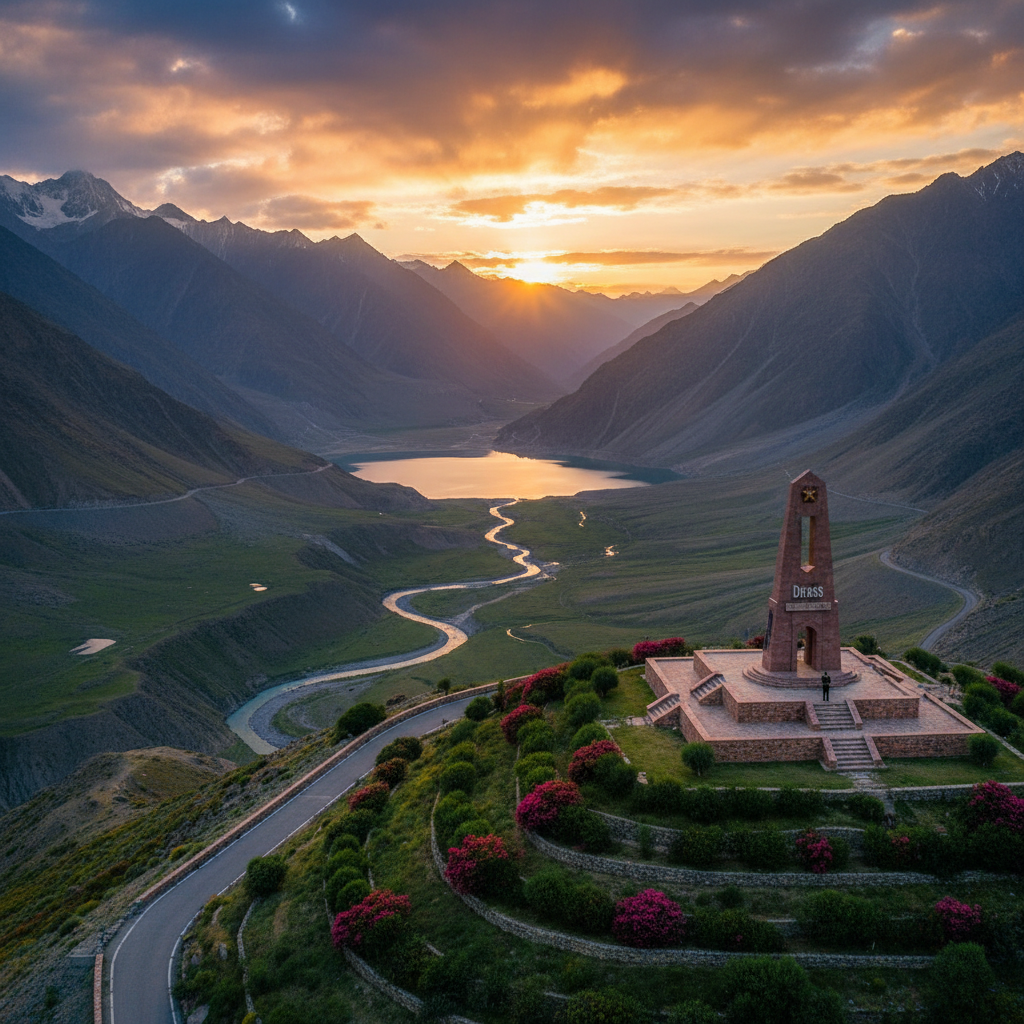
Kargil War Memorial: A Place of Honour and Remembrance
The Kargil War Memorial, often referred to as the Dras War Memorial, stands as a solemn and powerful tribute to the valiant soldiers of the Indian Army who made the supreme sacrifice during the Kargil War of 1999. Nestled in the tranquil yet historically significant Dras sector, approximately 5 km from Dras town in the Kargil district of Ladakh, this memorial is more than just a monument; it's a living testament to courage, resilience, and unwavering patriotism. For any traveler exploring the stunning landscapes of Ladakh or traversing the Srinagar-Leh highway, a visit here is an essential and deeply moving experience. It offers a profound insight into a pivotal moment in India's modern history and allows visitors to pay their respects to the heroes who defended the nation's borders against all odds. The memorial is designed to evoke a sense of pride and solemnity, with its majestic Sandstone wall bearing the names of fallen heroes, a museum showcasing wartime artifacts, and the eternal flame. The serene surroundings, set against the formidable backdrop of the Himalayan ranges, only add to the memorial's impactful atmosphere. It's a place where history comes alive through poignant displays and the stories of bravery resonate deeply.
Planning Your Visit: Best Time and Opening Hours
The Kargil War Memorial is typically accessible from May to October, coinciding with the opening of the Zojila Pass, which connects Kashmir to Ladakh. During these months, the weather in Dras is relatively mild and conducive for travel. However, the memorial remains open throughout the year for those who can navigate the challenging winter conditions when Zojila Pass is closed. The best time for most visitors would be from June to September when the temperatures are comfortable, and the roads are generally clear. The memorial generally opens its gates from 9:00 AM to 5:00 PM daily. It's always advisable to check local conditions and specific timings before your visit, especially if traveling during the shoulder seasons (May or October) as weather can be unpredictable. There is no entry fee to visit the memorial, making it accessible to all. Photography is permitted in most areas, though it's always respectful to ask or observe signs, particularly within the museum or sensitive sections. Allow at least 1.5 to 2 hours for a comprehensive visit to fully absorb the exhibits, read the narratives, and pay your respects.
Getting There: Routes and Transportation Options
The Kargil War Memorial is strategically located on the Srinagar-Leh National Highway (NH-1), roughly 5 kilometers east of Dras town. The most common way to reach it is by road. If you're coming from Srinagar, it's approximately a 5 to 6-hour drive, covering about 140 km. This route involves crossing the formidable Zojila Pass, which is a spectacle in itself. From Leh, the journey is longer, around 200 km, taking about 7 to 8 hours, passing through Kargil town. Many travelers include a visit to the memorial as part of their larger Ladakh itinerary, often breaking the journey between Srinagar and Leh. Taxi services are readily available from both Srinagar and Leh, offering comfortable and convenient transportation. A private taxi from Srinagar to Dras, including a stop at the memorial, can cost anywhere from INR 8,000 to INR 12,000, depending on the type of vehicle and duration of your trip. From Leh, a taxi to Dras and back might range from INR 10,000 to INR 15,000. Shared taxis are also an option, particularly from Kargil town, offering a more budget-friendly approach. Ensure your driver is experienced with mountain roads. Public buses also ply the Srinagar-Leh route, making a stop near Dras, but their timings can be less flexible. If you're driving a private vehicle, ensure it's well-maintained and you're comfortable with mountain driving conditions.
Exploring the Memorial: Key Attractions and Highlights
Upon entering the Kargil War Memorial complex, visitors are immediately struck by its profound reverence. The central feature is the 'Veer Bhoomi' (Land of Braves), a majestic Sandstone Wall, intricately inscribed with the names of all the Indian Army personnel who laid down their lives during the Kargil War. Walking along this wall, reading each name, is an incredibly humbling experience. Adjacent to this stands the 'Vijaypath' (Path of Victory), a replica of the famous Tiger Hill, one of the crucial battlegrounds, reminding visitors of the challenging terrain faced by the soldiers. The memorial also houses a well-maintained museum. Inside, you'll find a captivating display of wartime photographs, personal belongings of soldiers, captured enemy weapons, battle plans, and informative panels detailing the timeline and key events of the conflict. A particularly poignant exhibit includes letters written by soldiers to their families, offering a glimpse into their personal lives and sacrifices. The 'Eternal Flame' burns bright, symbolizing the everlasting spirit and sacrifice of the fallen heroes. Outside, there's also a Bofors gun on display, the very artillery piece that played a crucial role in tilting the war in India's favor. Each element of the memorial is carefully curated to educate, inspire, and foster a deep sense of respect and gratitude towards the armed forces.
Historical Context: Understanding the Kargil War
The Kargil War, also known as Operation Vijay, was an armed conflict fought between India and Pakistan from May to July 1999 in the Kargil district of Jammu and Kashmir (now Ladakh). The conflict arose when Pakistani regular and paramilitary forces, disguised as Kashmiri militants, infiltrated into Indian territory across the Line of Control (LoC) and occupied strategic high-altitude positions in the Dras, Kargil, Batalik, and Mushkoh sectors. These positions overlooked the vital Srinagar-Leh National Highway, posing a direct threat to Indian supply lines and communications. The Indian Army launched a massive counter-offensive to dislodge the intruders from their fortified bunkers on precipitous peaks, often at altitudes exceeding 16,000 feet (4,900 meters) in extremely harsh weather conditions. The war saw some of the most challenging mountain warfare in history, with Indian soldiers scaling treacherous cliffs under heavy enemy fire. Despite the immense difficulties, including logistical challenges and the need to fight in thin air, the Indian Army successfully recaptured all occupied territories. The war officially ended on July 26, 1999, with a decisive Indian victory, a day now commemorated as Kargil Vijay Diwas (Kargil Victory Day). The conflict underscored the bravery and sacrifice of Indian soldiers and highlighted the strategic importance of the region.
Local Etiquette and Respectful Visiting
Visiting the Kargil War Memorial is a somber experience, and it's essential to maintain a respectful demeanor throughout. As it is a site of national importance and a tribute to fallen soldiers, visitors are expected to dress modestly and behave with decorum. Avoid loud conversations, boisterous behavior, or anything that might disrupt the solemn atmosphere. While photography is generally allowed in outdoor areas, refrain from taking pictures of any active military installations nearby or where explicitly prohibited. Always seek permission before photographing any personnel or local individuals. It's customary to observe a moment of silence at the 'Veer Bhoomi' wall and the 'Eternal Flame' to honor the sacrifices made. Maintain cleanliness and do not litter anywhere on the premises. If you interact with military personnel, treat them with utmost respect and gratitude. Remember, you are on sacred ground commemorating extraordinary bravery, and your conduct should reflect this understanding. Your visit itself is a form of tribute, so approach it with sincerity and reverence.
Accommodation and Dining Options in Dras
While the Kargil War Memorial is the primary draw, Dras, being one of the coldest inhabited places in the world, also offers basic but comfortable accommodation and dining options for travelers. Given its location on the Srinagar-Leh highway, many visitors prefer to stay overnight in Kargil town, which is about an hour's drive away, offering a wider range of guesthouses and hotels. However, if you wish to experience Dras more intimately, there are a few local guesthouses and homestays available. These are typically simple, family-run establishments that offer warm hospitality and basic amenities, often including local Ladakhi or Kashmiri meals. For dining, you'll find small eateries and dhabas in Dras town serving hot, freshly prepared meals, mostly Indian and local cuisine. Expect staples like dal, rice, rotis, and vegetable curries. Tea and instant coffee are readily available. These places are generally very affordable, with a meal costing around INR 150-300 per person. It's advisable to carry some snacks and water, especially if you have specific dietary requirements, as choices can be limited. Always ensure you stay hydrated, given the high altitude. While Dras isn't a culinary hub, the food served is hearty and caters to travelers needing sustenance in a challenging environment.
Beyond the Memorial: Exploring Dras and Nearby Areas
While the Kargil War Memorial is undoubtedly the main attraction, the Dras region itself offers a glimpse into high-altitude living and stunning natural beauty. Dras is famously known as 'The Gateway to Ladakh' and holds the distinction of being the second coldest inhabited place on Earth, with winter temperatures plummeting to extreme lows. Exploring Dras town itself gives you a sense of local life in this rugged terrain. You can visit the local market, interact with residents, and observe their resilient lifestyle. The Dras river, flowing through the valley, offers picturesque views. For those interested in further exploration, Tiger Hill, one of the most iconic battle sites of the Kargil War, is visible from the memorial on clear days, though direct access might require special permissions or be restricted. Another significant nearby location is the Mushkoh Valley, known for its beautiful alpine meadows and wildflowers, especially during summer. However, access to some of these sensitive border areas might require permits, and it's always best to inquire locally or with your tour operator. The sheer scale of the mountains surrounding Dras makes for breathtaking scenery, perfect for photography and appreciating the harsh environment in which the war was fought. Remember, the journey through the Dras valley itself, especially on the Srinagar-Leh highway, is an adventure with stunning vistas at every turn.
Ensuring a Memorable Visit with Mid Holidays
Visiting the Kargil War Memorial is a profound journey, and ensuring a smooth and respectful experience is paramount. At Mid Holidays, we specialize in crafting itineraries that not only cover the iconic sights of Kashmir and Ladakh but also incorporate meaningful experiences like a visit to the Dras War Memorial with the reverence it deserves. Our experienced local drivers are well-versed with the challenging terrain and ensure your safety and comfort throughout the journey. We can arrange reliable transportation from Srinagar, Kargil, or Leh, tailored to your schedule and preferences. Our guides, where requested, provide insightful commentary, enriching your understanding of the historical significance of the memorial and the sacrifices made by our brave soldiers. We believe in travel that educates, inspires, and leaves a lasting impact. If you're planning a trip to Ladakh or Kashmir and wish to include this significant memorial in your itinerary, consider Mid Holidays. We'll help you organize every detail, from comfortable transport to essential local insights, ensuring your visit is both seamless and deeply memorable. Let us help you pay tribute and absorb the powerful history of the Kargil War Memorial with ease and respect.
Related Kashmir Guides & Services
<p>Planning the rest of your trip? These Mid Holidays guides pair well with this article:</p><ul><li><a href="/blog/leh-cab-service-reliable-journeys">Leh Cab Service: Your Guide to Reliable Journeys in Ladakh with Mid Holidays</a></li><li><a href="/blog/kashmir-tulip-garden-2026-travel-guide-local">Kashmir Tulip Garden 2026: Your Ultimate Local's Guide to Blooms & Beauty</a></li><li><a href="/blog/kishtwar-travel-guide-kashmir-hidden-paradise">Kishtwar Travel Guide: Explore Kashmir's Hidden Paradise with Mid Holidays</a></li><li><a href="/blog/uri-border-tourism-guide-mid-holidays">Uri Border Tourism Guide: Exploring Kashmir's Western Frontier</a></li><li><a href="/blog/kashmir-travel-plan-ultimate-guide">Your Ultimate Kashmir Travel Plan: A 7-Day Itinerary Guide</a></li></ul>
Frequently Asked Questions
What is the significance of the Kargil War Memorial?
The Kargil War Memorial is a deeply significant site established to honor the Indian soldiers who bravely fought and sacrificed their lives during the Kargil War of 1999. It serves as a poignant reminder of the nation's resolve and the immense courage of its armed forces in defending the country's borders in extremely challenging high-altitude conditions. It's a place for remembrance, reflection, and paying tribute.
Is there an entry fee for the Kargil War Memorial?
No, there is no entry fee to visit the Kargil War Memorial. It is open to all visitors free of charge, allowing everyone the opportunity to pay their respects and learn about this important chapter in Indian history. Donations, if accepted, are usually voluntary and contribute to the memorial's upkeep.
How much time should I allocate for visiting the Kargil War Memorial?
To fully appreciate and absorb the historical significance of the Kargil War Memorial, it is recommended to allocate at least 1.5 to 2 hours for your visit. This time allows you to respectfully walk through the Veer Bhoomi wall, explore the museum exhibits, and spend a moment of reflection at the Eternal Flame.
What kind of clothing should I wear when visiting the memorial?
Given the memorial's solemn nature and its high-altitude location in Dras, it's advisable to wear modest and respectful clothing. Additionally, the weather can be chilly even in summer, so layered clothing, including a warm jacket, is recommended. Comfortable walking shoes are also a good idea as you'll be on your feet for a while.
Are there any restrictions on photography at the Kargil War Memorial?
Photography is generally permitted in the outdoor areas of the Kargil War Memorial. However, visitors should always be respectful and avoid photographing active military installations or personnel without explicit permission. Inside the museum, photography might be restricted for certain exhibits, so always look for signs or inquire with staff.
Can children visit the Kargil War Memorial?
Yes, children can visit the Kargil War Memorial. It can be a very educational and impactful experience for them to learn about national history and the sacrifices made by soldiers. However, parents should prepare them for the solemn atmosphere and help them understand the significance of the site in an age-appropriate manner.
Are food and drink available at the memorial or nearby?
Within the immediate memorial complex, there are typically no extensive food and drink facilities. However, just outside the memorial or in Dras town (about 5 km away), you will find small dhabas and eateries offering basic, hot meals, snacks, and beverages like tea. It's wise to carry your own water bottle.
What else can I see or do near the Kargil War Memorial?
Beyond the memorial, you can explore Dras town itself, known as the 'Gateway to Ladakh' and one of the coldest inhabited places. The beautiful Mushkoh Valley, with its alpine meadows, is also nearby, though access to some sensitive areas may require permits. The stunning mountain landscapes of the Dras region offer excellent photographic opportunities.