Altitude Sickness Guide Ladakh Kashmir: Staying Safe at High Altitudes
High Altitude Travel Safety
Prepare for your Ladakh and Kashmir adventure with our comprehensive altitude sickness guide. Learn symptoms, prevention, and treatment to stay safe and…
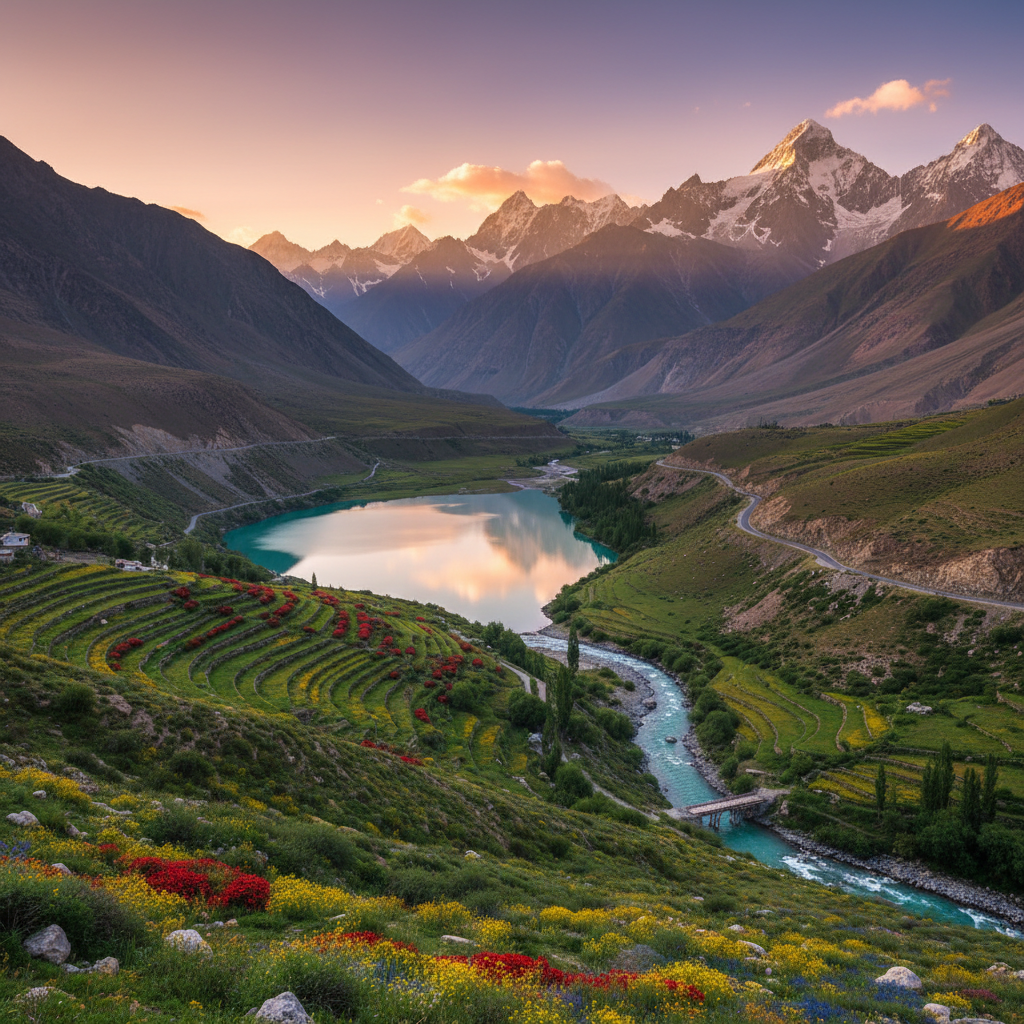
Understanding Altitude Sickness in Ladakh and High Kashmir
Ladakh, often called the 'Land of High Passes,' and certain high-altitude regions of Kashmir, like Sonamarg and parts of Gurez Valley, present unique challenges due to their elevated terrain. When you ascend rapidly to altitudes above 8,000 feet (approximately 2,500 meters), your body may struggle to adapt to the reduced oxygen levels. This condition is known as Acute Mountain Sickness (AMS), commonly referred to as altitude sickness. It's a physiological response, not a sign of poor fitness, and can affect anyone regardless of age or physical condition. Recognizing the symptoms early and understanding proper acclimatization is crucial for a safe and enjoyable trip. Many first-time visitors to Leh (11,500 ft / 3,500m) or even destinations like Sonamarg (8,900 ft / 2,700m) underestimate the impact of altitude, often rushing into sightseeing without adequate rest. We at Mid Holidays prioritize your well-being, which is why we emphasize a gradual approach to exploring these magnificent landscapes. Ignoring early signs can lead to more severe conditions like High Altitude Pulmonary Edema (HAPE) or High Altitude Cerebral Edema (HACE), which are medical emergencies.
Common Symptoms of Acute Mountain Sickness (AMS)
Altitude sickness manifests differently for everyone, but there are several common symptoms to watch out for. The most frequent include headache, nausea or vomiting, dizziness, fatigue, shortness of breath even at rest, loss of appetite, and difficulty sleeping. These symptoms typically appear within 6-12 hours of arrival at high altitude, though they can develop later. It's important to differentiate mild AMS from a common cold or fatigue from travel. A headache that doesn't subside with painkillers, accompanied by other symptoms, is a strong indicator of AMS. For example, if you arrive in Leh and experience a persistent headache along with mild dizziness, it's wise to consider it AMS until proven otherwise. Pay close attention to how you feel, especially during your first 24-48 hours. Many travellers push themselves too hard too soon, leading to worsening symptoms. Remember, your body needs time to adjust to the thinner air, so listen to its signals. Ignoring these early warnings can escalate the situation, turning a minor discomfort into a serious medical concern.
Essential Prevention Strategies for Ladakh and Kashmir
Prevention is paramount when traveling to high altitudes. The golden rule for Ladakh is 'slow and steady wins the race.' Upon arrival at Leh Airport (Kushok Bakula Rimpochee Airport), which is already at 11,500 feet, avoid strenuous activities immediately. Dedicate your entire first day, and ideally the second, to resting and gentle acclimatization. This means staying hydrated, avoiding alcohol and smoking, and eating light meals. Many Mid Holidays itineraries build in this crucial rest period. For instance, we often recommend arriving in Leh and spending the first day just relaxing at your hotel, perhaps a short walk in the evening, rather than immediately heading to places like Magnetic Hill or Gurudwara Pathar Sahib. Another crucial strategy is a gradual ascent. If possible, consider flying into Srinagar first, spending a night or two there (around 5,200 ft), and then driving to Leh over two days, stopping in Drass or Kargil. This allows for a more incremental increase in altitude, giving your body more time to adapt. Even for areas like Sonamarg, take it easy upon arrival.
Acclimatization Schedule: Our Recommended Approach for Ladakh
A well-planned acclimatization schedule is key to enjoying Ladakh. Here’s a typical and effective plan: Day 1: Arrive at Leh Airport, transfer to your hotel, and rest completely. Do not engage in any strenuous activity, sightseeing, or even extensive walking. Stay hydrated with water or local butter tea. Day 2: Light local sightseeing within Leh town, such as Leh Palace, Shanti Stupa, and Leh Market. These involve minimal physical exertion and allow for gentle movement. Remember to walk slowly. Day 3: Begin with shorter excursions to lower altitude areas nearby, such as the Indus Valley monasteries (Shey, Thiksey, Hemis). Return to Leh for the night. This gradual increase in activity and exposure to slightly varying altitudes helps your body adapt. Only after successfully completing these first three days without significant AMS symptoms should you consider venturing to higher passes like Khardung La (17,582 ft) or Pangong Tso (14,270 ft). Our Mid Holidays guides are trained to monitor your well-being and adjust plans if needed, always prioritizing your safety.
Medications and Oxygen: Your High-Altitude Toolkit
While acclimatization is the primary defense, certain medications can aid in prevention and treatment. Diamox (Acetazolamide) is a commonly prescribed medication that helps your body acclimatize faster by increasing breathing and oxygen intake. It should be started 24-48 hours before ascending and continued for a few days after reaching high altitude. Consult your doctor regarding dosage and potential side effects before your trip. It's available at pharmacies in Leh and Srinagar but best carried from home. Additionally, painkillers like ibuprofen or paracetamol can help alleviate headaches, and anti-emetics can reduce nausea. Portable oxygen cylinders are widely available for rent or purchase in Leh and are a good precautionary measure, especially if you plan to visit very high passes or have a history of respiratory issues. Many hotels and guesthouses in Ladakh also have oxygen concentrators for emergency use. Our Mid Holidays vehicles are equipped with basic first-aid kits, and our drivers are familiar with local medical facilities.
Emergency Procedures and Local Medical Support in Ladakh
Knowing what to do in an emergency is vital. If your AMS symptoms worsen despite resting and medication, or if new, severe symptoms like persistent cough, shortness of breath at rest, confusion, or loss of coordination develop, it's crucial to descend to a lower altitude immediately. This is the most effective treatment for severe altitude sickness. In Leh, the Sonam Norboo Memorial Hospital (SNM Hospital) is the primary medical facility with doctors experienced in high-altitude medicine. There are also several private clinics. For more remote areas, army medical camps or local dispensaries might be the first point of contact. Ensure you have travel insurance that covers high-altitude medical emergencies and potential evacuation. Always carry emergency contact numbers, including your tour operator's (Mid Holidays), and a local guide or driver. Communicate any discomfort promptly; our team is here to assist and ensure you receive timely medical attention if required. Never ignore severe symptoms, as they can rapidly escalate.
Food, Hydration, and Lifestyle Choices at Altitude
Your diet and lifestyle play a significant role in successful acclimatization. Staying well-hydrated is paramount. Drink plenty of fluids like water, herbal teas, and clear soups. Avoid caffeinated beverages and alcohol, as they can dehydrate you and impair your body's ability to acclimatize. Eat light, carbohydrate-rich meals. Traditional Ladakhi food like Thukpa (noodle soup) and Momos can be excellent choices. Avoid heavy, fatty, or spicy foods, which are harder to digest at altitude. Rest is not just about sleeping; it's about minimizing physical exertion. Avoid rushing and take frequent breaks. Sun exposure at high altitudes is intense, so wear sunscreen, sunglasses, and a hat to prevent sunburn and dehydration. Listen to your body; if you feel tired, rest. Pushing through fatigue can exacerbate altitude sickness. Many visitors find that maintaining a calm, relaxed demeanor also helps, as stress can sometimes contribute to discomfort. A balanced approach to diet, rest, and activity will significantly improve your chances of a comfortable trip.
Best Time to Visit and Planning Your Trip with Mid Holidays
The best time to visit Ladakh is typically from May to September when the weather is pleasant and roads are open. However, this also means it's peak season, and planning well in advance is essential. For Kashmir's high-altitude regions like Sonamarg and Gurez, similar summer months are ideal. Booking your trip through an experienced local operator like Mid Holidays provides a significant advantage. We understand the nuances of high-altitude travel, including appropriate itineraries that factor in acclimatization days, comfortable accommodations, and reliable transportation. Our guides and drivers are trained to recognize signs of altitude sickness and respond effectively. When you choose Mid Holidays, you’re not just booking a tour; you’re partnering with local experts committed to your safety and enjoyment. We offer tailored packages that ensure a gradual ascent and ample time for your body to adjust, making your journey to the high passes of Ladakh and the serene valleys of Kashmir a truly memorable and safe experience. Contact us today to plan your adventure with confidence.
Related Kashmir Guides & Services
<p>Planning the rest of your trip? These Mid Holidays guides pair well with this article:</p><ul><li><a href="/blog/leh-cab-service-reliable-journeys">Leh Cab Service: Your Guide to Reliable Journeys in Ladakh with Mid Holidays</a></li><li><a href="/blog/leh-to-chang-la-taxi-service">Leh to Chang La Taxi Service: Your Ultimate High-Altitude Journey Guide</a></li><li><a href="/blog/how-to-plan-kashmir-trip-mid-holidays">How to Plan Kashmir Trip: Your Ultimate Guide by Mid Holidays</a></li><li><a href="/blog/ladakh-cab-service-reliable-journeys">Ladakh Cab Service: Your Guide to Seamless High-Altitude Travel</a></li><li><a href="/blog/kashmir-tulip-garden-2026-travel-guide-local">Kashmir Tulip Garden 2026: Your Ultimate Local's Guide to Blooms & Beauty</a></li></ul>
Frequently Asked Questions
Can I get altitude sickness if I am very fit?
Yes, absolutely. Altitude sickness is not a reflection of your physical fitness level. It affects individuals regardless of their physical condition, age, or gender. Even professional athletes can experience AMS. It's your body's physiological response to reduced oxygen pressure at high altitudes, and the only way to prevent it is proper acclimatization and a gradual ascent, not intense training beforehand.
How long does it take to acclimatize in Ladakh?
Most people require 2-3 days to properly acclimatize in Leh (around 11,500 feet). The first day should be complete rest, followed by light activities on the second day. It's recommended to avoid high passes like Khardung La until at least day three or four of your trip. Acclimatization is a gradual process, and rushing it can significantly increase your risk of altitude sickness.
What is the role of Diamox in preventing altitude sickness?
Diamox (Acetazolamide) is a prescription medication that accelerates the acclimatization process by increasing your breathing rate, thereby increasing oxygen intake and helping your body adjust to lower oxygen levels faster. It's usually taken 24-48 hours before ascent and continued for a few days at altitude. Always consult a doctor before taking Diamox, as it has potential side effects.
Are there oxygen facilities readily available in Ladakh?
Yes, in Leh town, portable oxygen cylinders are widely available for rent or purchase, and many hotels and guesthouses have oxygen concentrators. Medical facilities like SNM Hospital also provide oxygen. For remote areas, availability might be limited, so carrying a portable unit is advisable if you are particularly concerned or venturing off the main routes.
Should I travel directly to Leh by flight or take a road trip?
While flying directly to Leh is quicker, it's generally recommended for a more gradual ascent to fly into Srinagar (lower altitude) and then drive to Leh over two days, stopping overnight in Kargil or Drass. This allows your body more time to acclimatize incrementally. If flying directly, strictly adhere to a 2-day rest period in Leh before any sightseeing.
What kind of food and drinks should I consume at high altitude?
Focus on light, carbohydrate-rich meals like soups, noodles, rice, and vegetables. Avoid heavy, fatty, or spicy foods that are harder to digest. Crucially, stay extremely well-hydrated by drinking plenty of water, herbal teas, and clear broths. Avoid alcohol and excessive caffeine, as they can lead to dehydration and interfere with acclimatization.
When should I consider descending to a lower altitude?
You should consider descending immediately if your AMS symptoms worsen, despite rest and medication, or if you develop severe symptoms such as persistent shortness of breath at rest, severe headache unresponsive to painkillers, confusion, unsteadiness, or a wet cough. Descent is the most effective treatment for severe altitude sickness (HAPE/HACE) and can be life-saving.