Leh Airport Altitude Acclimatization Guide: Breathe Easy in Ladakh
Ladakh Travel & Health Guide
Essential Leh Airport altitude acclimatization guide. Learn how to prevent AMS, manage symptoms, and enjoy Ladakh safely from your arrival at Kushok Bakula…
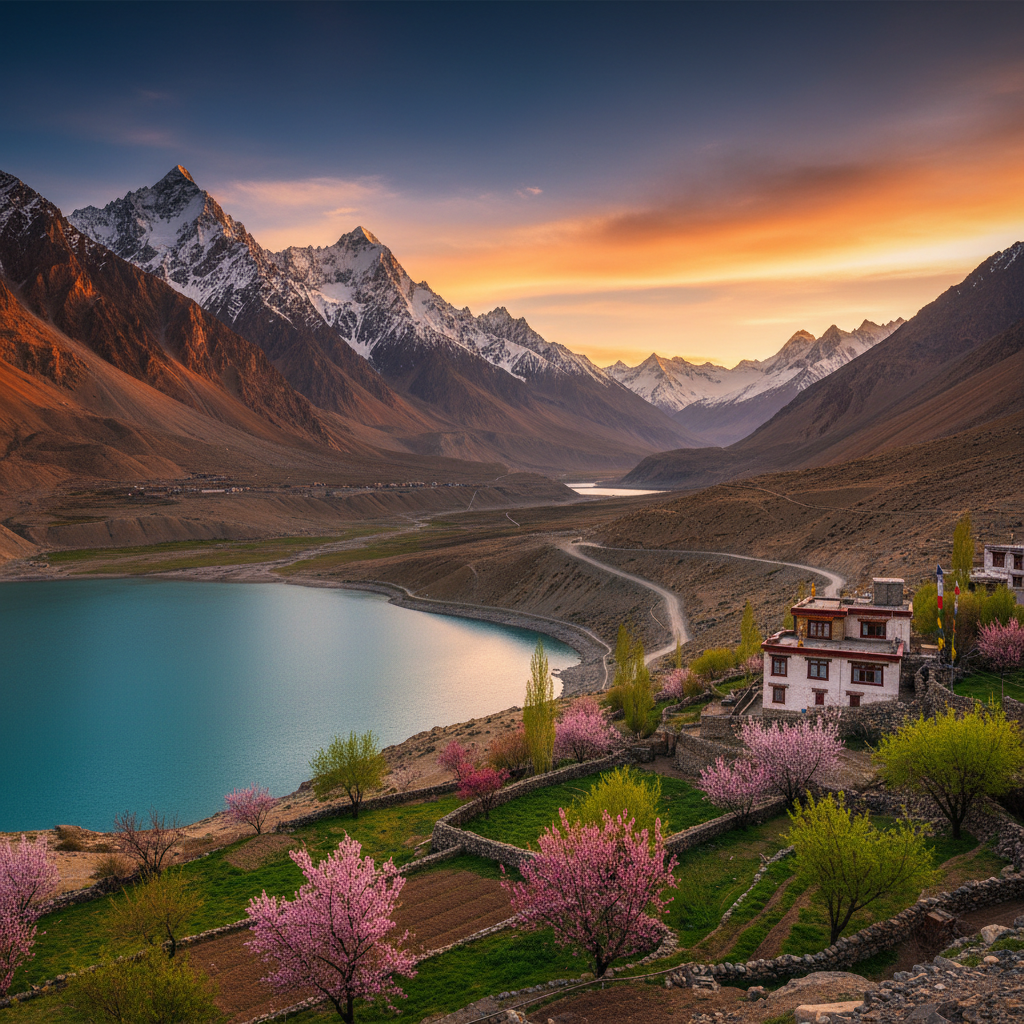
Understanding Leh's Altitude and Why Acclimatization is Crucial
Leh, the capital of Ladakh, sits at a staggering altitude of approximately 11,500 feet (3,500 meters) above sea level. This high elevation is a significant factor for anyone flying into Kushok Bakula Rimpochee Airport (IXL). Unlike a gradual road journey, flying directly to Leh gives your body no time to naturally adjust to the thinner air, which contains less oxygen. This sudden change can lead to Acute Mountain Sickness (AMS), a condition that ranges from mild discomfort to severe, life-threatening illness. Therefore, proper altitude acclimatization isn't just a recommendation; it's a critical safety measure that can make or break your Ladakh experience. Many travellers, eager to start exploring, often underestimate the impact of altitude, leading to unpleasant symptoms that cut their trip short or worse. As a local expert, we at Mid Holidays always emphasize prioritizing acclimatization above all else to ensure a healthy and enjoyable visit to our beautiful region.
Immediate Steps Upon Arrival at Leh Airport: The First 24 Hours
Your arrival at Kushok Bakula Rimpochee Airport in Leh marks the beginning of your acclimatization process. The most important rule for the first 24 hours is: rest, rest, rest. Even if you feel perfectly fine, resist the urge to immediately explore. Head directly to your hotel, preferably in Leh town, and dedicate the entire day to resting. Avoid any strenuous activities, even short walks. Focus on hydration – drink plenty of water, herbal teas, or clear soups. Dehydration can exacerbate AMS symptoms. Many hotels in Leh are well-versed in acclimatization protocols and can provide advice. Limit caffeine and alcohol intake, as these can interfere with your body's adjustment. Observe your body for any signs of discomfort; a mild headache might be normal, but persistent or worsening symptoms warrant attention. Keep your movements slow and deliberate, even when getting up from bed. Think of this first day as mandatory 'rest and adapt' time, a small investment for a much more rewarding trip ahead.
Day-by-Day Acclimatization Schedule: Our Recommended Itinerary
A well-structured acclimatization schedule is key to a successful Ladakh trip. Our Mid Holidays recommendation for most travellers arriving by air is: Day 1 should be entirely dedicated to rest in Leh as detailed above. On Day 2, you can begin light sightseeing within Leh town. Visit the Leh Palace, Shanti Stupa, or the local market, but do so at a very slow pace. Avoid climbing too many stairs quickly. Take frequent breaks and continue to hydrate. This gentle activity helps your body adapt to mild exertion at altitude. Day 3 is when you can consider a slightly longer excursion, perhaps to monasteries closer to Leh like Shey, Thiksey, and Hemis. These locations are still within a manageable altitude range for most people, typically not exceeding 12,500 feet. Always listen to your body; if you feel tired or unwell, stop and rest. Pushing yourself too hard too soon is the biggest mistake you can make when acclimatizing. Gradual ascent and mindful activity are your best friends in Ladakh.
Recognizing and Managing Acute Mountain Sickness (AMS) Symptoms
Acute Mountain Sickness (AMS) can manifest in various ways, and it's crucial to recognize its symptoms early. Common mild symptoms include headache (often the first sign), nausea, dizziness, fatigue, loss of appetite, and difficulty sleeping. These usually appear within 6-12 hours of arrival but can take up to 24 hours. If you experience mild AMS, the best course of action is to rest, hydrate, and consider over-the-counter pain relievers for headaches (like ibuprofen). Do not ascend further if you have symptoms; if anything, descending to a lower altitude is the primary treatment. Severe AMS, known as High-Altitude Cerebral Edema (HACE) or High-Altitude Pulmonary Edema (HAPE), is life-threatening and requires immediate medical attention and descent. Symptoms include severe headache unresponsive to medication, confusion, ataxia (loss of coordination), shortness of breath even at rest, and a persistent cough. Always inform your travel companions, guide, or hotel staff if you feel unwell. Early detection and responsible management are vital for your safety in Ladakh.
Essential Health and Safety Tips for High-Altitude Travel in Ladakh
Beyond acclimatization, several health and safety tips are crucial for a comfortable Ladakh trip. Firstly, consult your doctor before travelling, especially if you have pre-existing medical conditions. They might recommend Diamox (Acetazolamide), a prescription medication that can help prevent AMS. Start taking it a day or two before arrival, as per your doctor's instructions. Maintain excellent hydration by drinking 3-4 litres of water daily; carry a reusable water bottle. Protect yourself from the intense sun at high altitudes with sunscreen, sunglasses, and a wide-brimmed hat. The UV radiation is much stronger here. Dress in layers, as temperatures can fluctuate wildly between day and night, even in summer. Carry a basic first-aid kit with pain relievers, bandages, antiseptic wipes, and any personal medications. Avoid smoking and alcohol, particularly in the initial days, as they impair your body's ability to acclimatize. Always travel with travel insurance that covers high-altitude rescue and medical emergencies.
What to Pack: Gear for Acclimatization and Comfort in Leh
Packing thoughtfully can significantly aid your acclimatization and overall comfort. Layers are paramount; bring warm base layers, fleeces, and a windproof/waterproof outer shell, even in summer, as evenings can be chilly. A warm hat and gloves are also advisable. Comfortable walking shoes with good ankle support are essential, especially for monastery visits. Don't forget high SPF sunscreen (at least SPF 50) and a lip balm with SPF, as the sun is incredibly strong. Good quality sunglasses are a must to protect your eyes from intense glare. Carry a small daypack for water, snacks, and extra layers during your daily outings. A personal water bottle is crucial for continuous hydration. Basic medications for headache, nausea, and motion sickness are also wise additions. For those sensitive to dry air, a small nasal saline spray can be helpful. And of course, bring your camera to capture Ladakh's stunning beauty, but remember to take it easy and let your body adjust first!
Transportation and Emergency Services in Leh
Upon arrival at Leh Airport, pre-booking your taxi to your hotel is advisable, though plenty of options are usually available directly outside the airport. Ensure your driver is experienced with mountain roads. Once in Leh, local taxis are the primary mode of transport for sightseeing, and our Mid Holidays team can arrange reliable drivers. In case of a medical emergency, Leh has a few medical facilities, including the SNM Hospital (Sonam Norboo Memorial Hospital), which has doctors experienced in high-altitude illnesses. There are also smaller clinics and pharmacies. For severe AMS cases, immediate descent to a lower altitude is the most effective treatment, and sometimes, evacuation by air is necessary. This highlights the importance of having comprehensive travel insurance that covers such contingencies. Oxygen cylinders are available for rent in Leh, and many hotels keep them for guests. Always carry emergency contact numbers and have your travel insurance details readily accessible.
Related Kashmir Guides & Services
<p>Planning the rest of your trip? These Mid Holidays guides pair well with this article:</p><ul><li><a href="/blog/altitude-sickness-guide-ladakh-kashmir">Altitude Sickness Guide Ladakh Kashmir: Staying Safe at High Altitudes</a></li><li><a href="/blog/leh-oxygen-cylinder-medical-prep-guide">Leh Oxygen Cylinder Medical Prep Guide: Stay Safe in Ladakh</a></li><li><a href="/blog/ladakh-cycling-expedition-guide">Ladakh Cycling Expedition Guide: Conquer the Himalayan Roads</a></li><li><a href="/blog/khardung-la-pass-complete-guide">Khardung La Pass Complete Guide: Conquering the Himalayan Giant</a></li><li><a href="/blog/ladakh-photography-tour-guide">Ladakh Photography Tour Guide: Capture the Himalayas with Mid Holidays</a></li></ul>
Frequently Asked Questions
Can I travel to Nubra Valley or Pangong Lake immediately after landing at Leh Airport?
No, it is strongly advised against travelling to Nubra Valley or Pangong Lake immediately after landing at Leh Airport. Both these locations are at even higher altitudes than Leh (Pangong is around 14,270 feet, Nubra Valley around 10,000-13,000 feet). Moving to a higher altitude without proper acclimatization in Leh can significantly increase your risk of severe Acute Mountain Sickness (AMS). Dedicate at least 2 full days to acclimatize in Leh before attempting any higher altitude excursions.
What is the recommended sleeping position for better acclimatization in Leh?
While there isn't a single 'recommended' sleeping position for acclimatization, some individuals find that sleeping with their head slightly elevated can help. This can ease breathing and reduce congestion, potentially making sleep more comfortable at altitude. However, the most crucial aspect is simply getting sufficient, uninterrupted rest. Ensure your room is warm and comfortable, and avoid heavy meals or alcohol before bed, which can disrupt sleep and hinder acclimatization.
Is it safe for children or elderly people to fly directly to Leh?
While many children and elderly individuals visit Ladakh safely, flying directly to Leh poses a higher risk for these groups due to their potentially more sensitive physiological responses to altitude changes. It is absolutely essential to consult a doctor experienced in high-altitude medicine before planning such a trip. Very young children may struggle to communicate symptoms effectively. Stricter acclimatization protocols, including possibly slower ascent and closer medical monitoring, are recommended for children and the elderly.
Should I use portable oxygen cylinders for acclimatization?
Portable oxygen cylinders can be helpful for temporary relief of mild to moderate AMS symptoms, or as a precaution for vulnerable individuals. However, they are not a substitute for proper acclimatization. Relying solely on oxygen can mask symptoms and delay your body's natural adaptation. Use them sparingly and under guidance. If symptoms persist or worsen despite oxygen use, it's a clear sign you need to descend to a lower altitude and seek medical advice.
How long does it typically take to acclimatize to Leh's altitude?
The time it takes to acclimatize varies significantly from person to person. Generally, for most healthy individuals arriving by air, a minimum of 2-3 full days in Leh is recommended for initial acclimatization before venturing to higher passes or lakes. During this time, your body gradually increases red blood cell production and makes other physiological adjustments. Some people may adjust faster, while others might need more time or experience persistent mild symptoms throughout their trip.
Can certain foods help with altitude acclimatization?
While no specific food can magically prevent AMS, a diet rich in carbohydrates and light, easily digestible meals can be beneficial. Avoid heavy, fatty foods that require more energy to digest, diverting resources away from your body's acclimatization process. Soups, daal, rice, and fresh vegetables are good choices. Additionally, increasing your intake of iron-rich foods might help, but the most critical dietary factor remains consistent hydration and avoiding alcohol.
What is the role of Diamox in acclimatization, and do I need a prescription?
Diamox (Acetazolamide) is a prescription medication that speeds up the acclimatization process by increasing carbon dioxide excretion, making your blood more acidic and prompting your body to breathe more deeply and quickly. This mimics natural acclimatization. Yes, you absolutely need a doctor's prescription for Diamox. It should be taken a day or two before arrival in Leh and continued for the first few days of your trip, as advised by your physician, to be most effective. It's not suitable for everyone, so medical consultation is paramount.