Vaishno Devi Prasad Offerings Guide: A Devotee's Journey
Pilgrimage Essentials
Discover the significance of Vaishno Devi Prasad offerings. This guide covers what to offer, where to buy, costs, and tips for your spiritual journey.
Understanding Vaishno Devi Prasad: A Spiritual Introduction
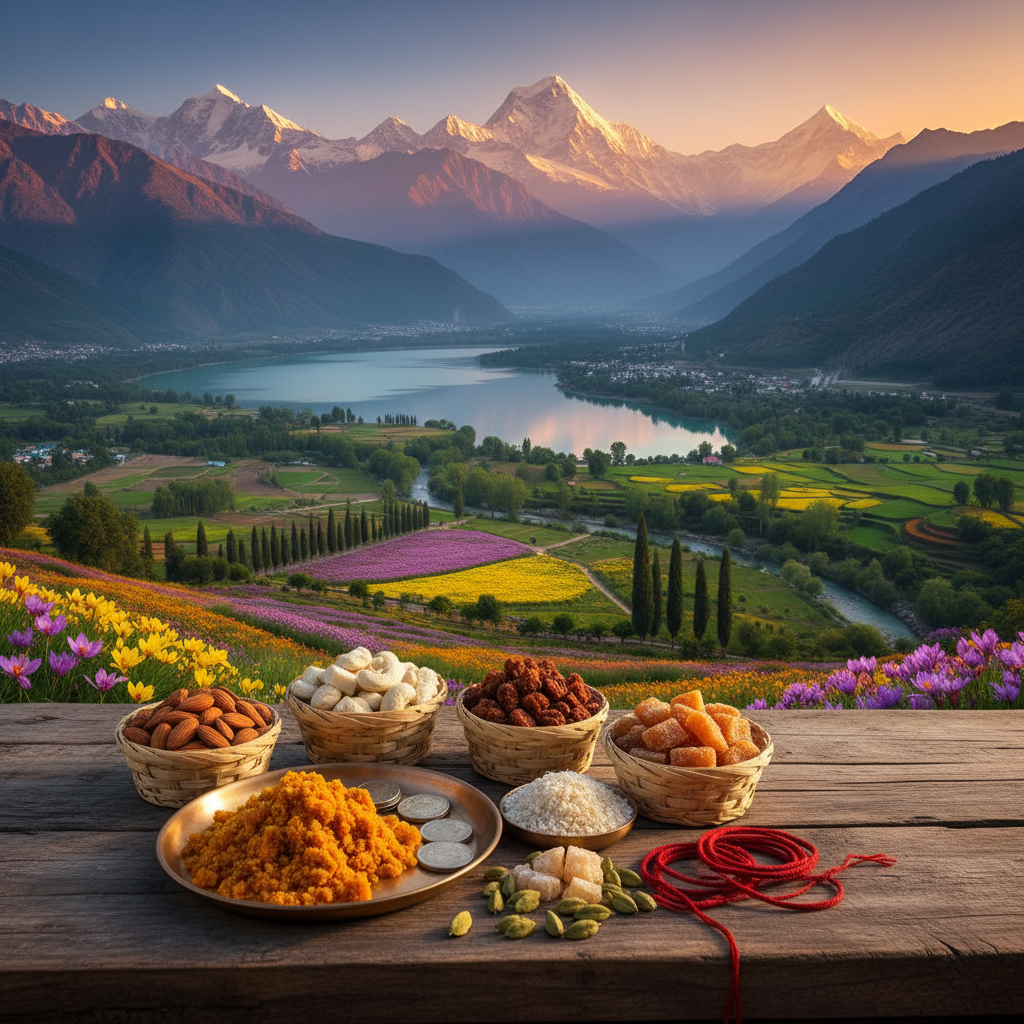
A pilgrimage to Mata Vaishno Devi is incomplete without understanding the sanctity and tradition of offering prasad. Prasad, derived from the Sanskrit word 'prasada', means 'favour' or 'grace', and refers to the blessed food or items offered to a deity and then consumed by devotees. At Vaishno Devi, this offering is not merely a ritual; it's an act of devotion, a symbol of gratitude, and a means to seek the Mother Goddess's blessings. The tradition of offering prasad has deep roots in Hindu philosophy, signifying humility, surrender, and the belief that everything ultimately belongs to the divine. When you offer something to Mata Vaishno Devi, you're not giving her something she lacks, but rather expressing your love and devotion, and in return, you receive her divine grace in the form of the blessed prasad. This exchange strengthens the spiritual bond between the devotee and the divine. The items chosen for prasad are often symbolic, representing purity, prosperity, and devotion, and vary from traditional sweets to coconuts and chunnis.
Traditional Vaishno Devi Prasad Items and Their Significance
When making your offerings at Vaishno Devi, certain items hold traditional significance. The most common and revered offering is the 'Chunni' (a sacred scarf) and 'Sankhri' (a garland or flower offering), often accompanied by a 'Narikel' (coconut). The chunni symbolizes devotion and respect, while the coconut is considered auspicious, representing the ego to be broken before the divine. Another popular offering is 'Mishri' (rock sugar) or 'Panch Meva' (a mix of five dry fruits like almonds, cashews, raisins, pistachios, and dates), which symbolize sweetness and prosperity. Silver or gold 'Chhatra' (umbrella) are also offered by devotees as a symbol of reverence and protection. Many pilgrims also offer 'Sindoor' (vermilion) and bangles, especially married women, as a prayer for the well-being and longevity of their husbands. It's important to remember that the sincerity of your offering matters more than its monetary value. Each item carries a specific spiritual connotation, making the act of offering a profound spiritual experience. These traditional items are readily available around Katra and along the pilgrimage route, ensuring devotees can easily partake in this sacred ritual.
Where to Purchase Authentic Prasad in Katra and on the Yatra Route
Your journey for authentic Vaishno Devi prasad typically begins in Katra, the base town for the pilgrimage. You'll find numerous shops clustered around the Katra bus stand and main market, offering a wide array of prasad items. Look for shops displaying official Vaishno Devi Shrine Board affiliations or those that have been established for many years, as they often stock reliable and genuine items. These shops sell pre-packaged prasad kits which are very convenient. As you ascend towards the Bhawan, several small stalls and vendors line the yatra route. While these can be convenient, it's generally recommended to purchase your primary prasad items in Katra to ensure quality and a wider selection. However, some essential items like fresh flowers or smaller offerings might be available closer to the shrine. The Shri Mata Vaishno Devi Shrine Board (SMVDSB) also operates official prasad counters at various points, including the Bhawan, which offer authentic and hygienically prepared prasad. These counters are a reliable option for those seeking official offerings. Always be mindful of your purchases and avoid roadside vendors selling perishable items that might not be fresh.
Estimated Costs for Vaishno Devi Prasad Offerings (INR)
The cost of Vaishno Devi prasad offerings can vary significantly based on the items you choose and where you purchase them. A basic prasad thali, typically containing a small chunni, dry fruits, mishri, and a coconut, can range from INR 100 to INR 300. More elaborate thalis, which might include additional items like silver chhatras, religious books, or larger quantities of dry fruits, can cost anywhere from INR 500 to INR 2000 or even more. Individual items also have varied prices: a chunni might be INR 50-200, a coconut INR 20-50, and a small packet of mishri INR 30-70. Dry fruits like panch meva are usually sold by weight and can range from INR 150-500 depending on quantity and quality. For those wishing to offer silver or gold chhatras, the cost will naturally be much higher, dependent on the metal's weight and current market rates. It's advisable to compare prices at a few shops in Katra before making a purchase. Remember that while there is no fixed price for devotion, being aware of approximate costs can help you budget for your pilgrimage effectively. Many vendors will also offer fixed price prasad kits which are a good option for first-time pilgrims.
The Ritual of Offering: Step-by-Step Guide at the Bhawan
Once you reach the Holy Bhawan, the process of offering prasad is quite straightforward, though it’s always good to observe local customs. Before entering the main cave, you'll need to deposit your bags, mobile phones, and any electronic gadgets at the cloakroom facilities provided by the Shrine Board. Only your prasad offerings, a small wallet, and essentials are allowed inside. As you approach the holy cave, you'll be guided by volunteers or signs. Your offerings are typically placed at designated spots or handed over to the priests inside the cave. The priests will often accept your offerings, offer a prayer on your behalf, and then return a small portion of the blessed prasad to you. This returned prasad, now sanctified, is for you to consume or share with your family. The main darshan involves viewing the three natural rock formations (Pindis) of Mata Maha Kali, Mata Maha Lakshmi, and Mata Maha Saraswati. It is a moment of deep reverence. After darshan, you can collect your belongings and continue your spiritual journey. Remember to maintain silence and decorum inside the holy shrine and follow the instructions of the Shrine Board staff for a smooth darshan experience.
Prasad Alternatives and Personal Offerings: Beyond the Traditional
While traditional prasad items are popular, devotion at Vaishno Devi is not limited to them. Many pilgrims choose to offer personal prayers, meditate, or simply offer their sincere intentions at the Mother Goddess's feet. Some devotees may bring specific items from their hometowns that hold personal significance, although it's always best to check with Shrine Board guidelines if these are non-traditional or large in size. Financial contributions or donations to the Shrine Board, which are used for the upkeep of the temple and welfare activities, are also considered a form of offering and are deeply appreciated. You'll find donation counters and donation boxes throughout the complex. Offering service (seva) by volunteering for a short period, if feasible, is another profound way to express devotion. Ultimately, the essence of the offering lies in the purity of your heart and your devotion. Mata Vaishno Devi is believed to respond to genuine faith, regardless of the material value of the offering. So, whether it's a simple flower or a heartfelt prayer, your devotion is what truly matters.
Bringing Prasad Home: Sharing the Blessings and Practical Tips
After receiving the blessed prasad at the Bhawan, many pilgrims wish to bring it home to share with family and friends, extending Mata's blessings. The dry prasad, such as mishri, panch meva, or coconut, is easy to transport. The Shri Mata Vaishno Devi Shrine Board (SMVDSB) also offers pre-packaged prasad boxes at their official counters near the Bhawan and in Katra. These often contain a small silver coin, a sacred thread, and dry fruits, and are designed for safe travel. They are also an excellent option if you didn't purchase prasad before your darshan. When packing, ensure any delicate items are well-cushioned. For coconuts, it's best to carry them carefully as they can crack. If you are flying, check airline regulations regarding carrying coconuts in checked or hand luggage, though usually, dry prasad poses no issue. Remember, consuming this prasad is considered auspicious, a tangible reminder of your spiritual journey and the divine grace received. Sharing it with loved ones is a beautiful way to spread the blessings of Mata Vaishno Devi. For those planning a full spiritual journey, Mid Holidays offers comprehensive tour packages that seamlessly integrate your darshan and prasad offerings, ensuring a hassle-free and deeply enriching experience.
Related Kashmir Guides & Services
<p>Planning the rest of your trip? These Mid Holidays guides pair well with this article:</p><ul><li><a href="/blog/vaishno-devi-ropeway-tarakote-marg-guide">Vaishno Devi Ropeway & Tarakote Marg Guide: A Smoother Pilgrimage</a></li><li><a href="/blog/ardhkuwari-cave-guide">Ardhkuwari Cave Guide: Your Spiritual Journey to Vaishno Devi</a></li><li><a href="/blog/jammu-to-katra-distance-route-guide">Jammu to Katra Distance Route Guide: Your Vaishno Devi Journey</a></li><li><a href="/blog/vaishno-devi-luggage-cloakroom-guide">Vaishno Devi Luggage Cloakroom Guide: Essential Tips for Pilgrims</a></li><li><a href="/blog/vaishno-devi-rfid-card-registration-process-step-by-step">Vaishno Devi RFID Card Online Apply: Step-by-Step Registration Guide (2026)</a></li></ul>
Frequently Asked Questions
Can I buy prasad online for Vaishno Devi?
Yes, the Shri Mata Vaishno Devi Shrine Board (SMVDSB) offers an online prasad delivery service. Devotees who cannot undertake the physical pilgrimage can have prasad delivered to their homes. This service typically includes a specially packaged prasad box with a silver coin, sacred thread, and dry fruits, ensuring that distance doesn't hinder your devotion to Mata Vaishno Devi.
Are there any restrictions on what I can offer as prasad?
Generally, traditional offerings like chunni, flowers, sweets, and dry fruits are accepted. The Shrine Board discourages offerings of non-vegetarian items, alcohol, or any items deemed inappropriate for a sacred shrine. It's always best to stick to the commonly accepted devotional items to ensure your offering is received respectfully.
Do I need to carry my prasad all the way from Katra to the Bhawan?
While many pilgrims purchase prasad in Katra and carry it, you can also buy prasad at official Shrine Board counters closer to the Bhawan. This can be more convenient, especially if you want to avoid carrying extra weight during the uphill trek. Consider buying a small pre-packaged kit at the Bhawan itself.
What happens to the prasad offered at the Bhawan?
The prasad offered by devotees at the Bhawan is accepted by the priests, and a portion of it is then returned to the devotee as 'sacred prasad' (blessed by the deity). The remaining offerings, especially perishable items like flowers or coconuts, are handled according to the Shrine Board's disposal protocols, while other items may be used for temple purposes.
Is it mandatory to offer prasad at Vaishno Devi?
Offering prasad is a deeply ingrained tradition and an act of devotion, but it is not strictly mandatory. The most important aspect of the pilgrimage is sincere faith and devotion. Many devotees choose to offer prayers or simply have darshan without a physical offering, and their devotion is equally valued by Mata Vaishno Devi.
Can I offer my own homemade sweets or food items as prasad?
While the sentiment is appreciated, for hygiene and security reasons, homemade sweets or food items are generally not accepted as direct offerings inside the main shrine area. It's advisable to offer packaged sweets, dry fruits, or other non-perishable items purchased from reputable sources. Your heartfelt intention is what truly matters.
Are there any specific timings for offering prasad at the Bhawan?
The Bhawan is open 24/7 for darshan, and devotees can offer prasad throughout these timings. However, there might be brief intervals during Aarti (morning and evening prayers) when access to the innermost sanctum might be restricted for a short period. It's best to proceed as guided by the Shrine Board staff or volunteers.
What is the significance of the coconut in Vaishno Devi offerings?
The coconut (Narikel) is considered a very auspicious offering in Hindu traditions, symbolizing purity, creation, and the human head (representing ego). Offering a coconut at Vaishno Devi is believed to symbolize the surrendering of one's ego and desires to the Mother Goddess, seeking her blessings for spiritual growth and fulfillment. It's an act of complete devotion.