Bhairon Temple Guide: Essential Information for Vaishno Devi Pilgrims
Vaishno Devi Pilgrim Guide
Your essential Bhairon Temple guide for Vaishno Devi pilgrims. Learn about the trek, timing, rituals, and significance of visiting Bhairon Mandir.
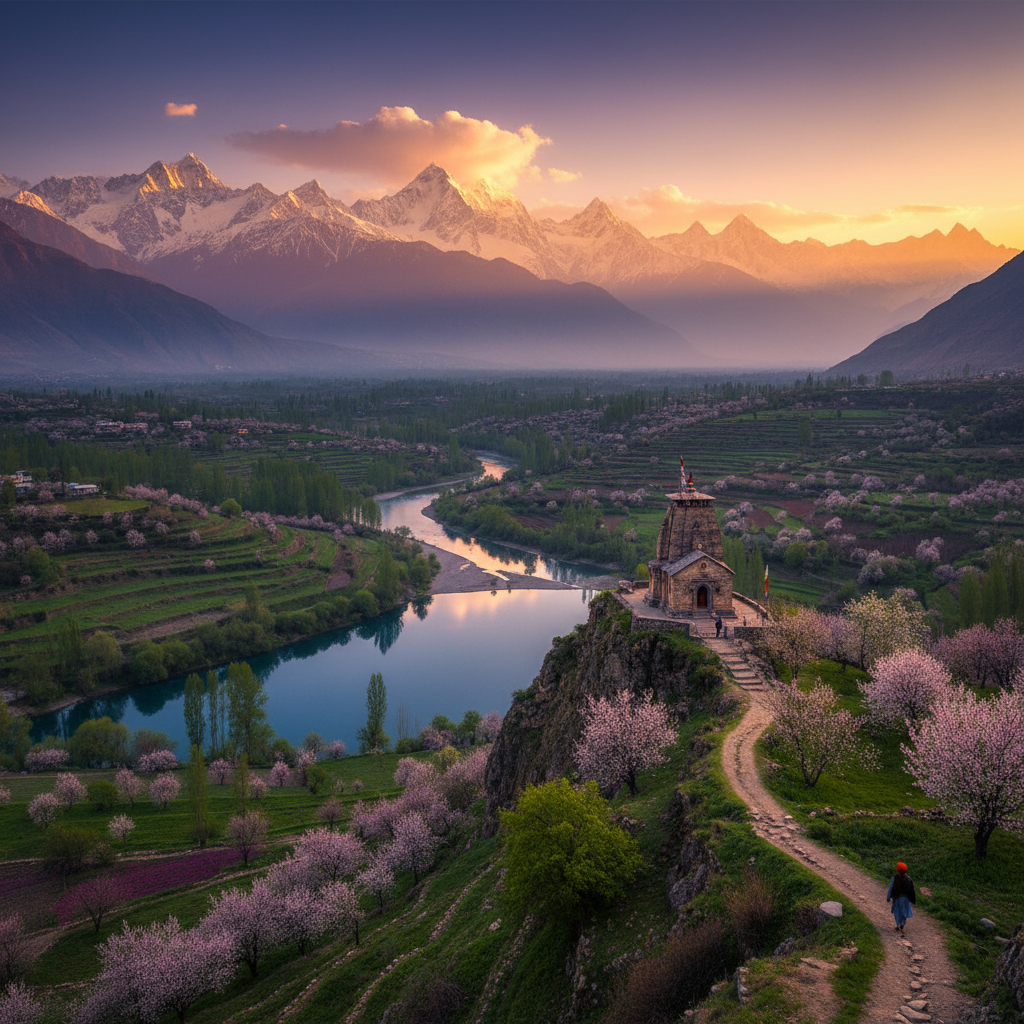
Your Complete Bhairon Temple Guide: An Essential Vaishno Devi Pilgrimage
A pilgrimage to Vaishno Devi is often considered incomplete without a visit to the revered Bhairon Temple, also known as Bhairon Baba Mandir. Situated at a slightly higher elevation than the Holy Cave Shrine of Mata Vaishno Devi, this temple holds profound spiritual significance in the journey. Many devotees believe that Mata Vaishno Devi herself ordained that a pilgrim's darshan would only be fruitful if they subsequently visited Bhairon Nath. This tradition has been upheld for centuries, making the trek to Bhairon Temple an integral part of the Vaishno Devi experience. Understanding the route, the best time to visit, and the rituals associated with this sacred site is crucial for a fulfilling pilgrimage. This guide is designed to provide you with all the practical details and spiritual insights you need for your visit to Bhairon Temple. From the challenging ascent to the serene atmosphere at the top, we'll cover what to expect, how to prepare, and why this final leg of your journey is so important. As local experts, we at Mid Holidays understand the nuances of this pilgrimage and aim to equip you with accurate, first-hand information to make your darshan smooth and memorable. Prepare for an experience that combines spiritual devotion with breathtaking views of the Trikuta mountains.
The Significance of Bhairon Temple in Vaishno Devi Pilgrimage
The story behind Bhairon Temple is deeply intertwined with the legend of Mata Vaishno Devi. According to Hindu mythology, Bhairon Nath, a tantric, pursued Mata Vaishno Devi as she made her way to the Trikuta Hills. When Mata Vaishno Devi, in her form as a young girl, finally revealed her true identity and beheaded Bhairon Nath, he repented his actions in his dying moments and sought her forgiveness. Mata Vaishno Devi, known for her boundless compassion, not only forgave him but also granted him a boon: that no devotee’s pilgrimage to her shrine would be considered complete without a visit to his temple. This divine decree solidified the Bhairon Temple's place as an indispensable part of the Vaishno Devi yatra. Pilgrims undertake the challenging climb to Bhairon Temple not just out of tradition, but out of faith in this divine promise. It is believed that by visiting Bhairon Baba after Maa Vaishno Devi, one receives complete blessings and protection for their journey. The temple serves as a powerful reminder of forgiveness, repentance, and the all-encompassing grace of the Divine Mother. Understanding this profound spiritual narrative enhances the overall pilgrimage experience, transforming a strenuous trek into a journey of deep devotion and fulfillment.
How to Reach Bhairon Temple from the Holy Cave Shrine
Reaching Bhairon Temple involves an uphill trek from the Holy Cave Shrine of Mata Vaishno Devi. Once you complete your darshan at the main cave, you'll find clear signposts guiding you towards Bhairon Ghati. The distance from the Holy Cave to Bhairon Temple is approximately 1.5 to 2 kilometers, depending on the exact route you take. This path is entirely uphill and can be steep in places, making it a moderately challenging ascent, especially after the long trek to the main shrine. There are several ways to cover this distance. Most pilgrims choose to walk, taking about 1 to 1.5 hours to reach the top. The path is well-maintained and paved, with railings for support in steeper sections. For those who may find the walk difficult due to age, health, or fatigue, pony services are available from near the Holy Cave entrance. A pony ride typically costs around INR 300-500, but prices can vary and are best confirmed on the spot. Additionally, an aerial ropeway (Gondola) service is available, offering a quick and scenic alternative. The ropeway station is located near the exit of the Holy Cave. This dramatically reduces travel time to mere minutes, making the Bhairon Temple accessible to a wider range of pilgrims. The ropeway operates between 8 AM and 7 PM, but do check for real-time operational status, especially during peak seasons or adverse weather.
Bhairon Temple Ropeway (Gondola) and Other Transport Options
The Bhairon Temple Ropeway, or Gondola, has revolutionized the journey to Bhairon Baba, making it far more accessible and convenient for pilgrims. The lower terminal of the ropeway is conveniently located just a short walk from the exit point of the Mata Vaishno Devi Holy Cave. This aerial tramway whisks devotees up to the Bhairon Temple in just about 3-5 minutes, offering spectacular panoramic views of the Trikuta hills and the sprawling landscape below. The ropeway typically operates from around 8:00 AM to 7:00 PM, though timings can be adjusted based on pilgrim rush and weather conditions. The return ticket for the ropeway is usually priced around INR 100-150 per person, but it's advisable to check the current rates at the ticket counter as they can change. For those who prefer a more traditional approach or enjoy the physical challenge, the walking path remains a popular option. The route is well-lit at night and features refreshment stalls along the way. Pony and palanquin (pithoo) services are also available for pilgrims who need assistance. These services can be hired from the main Bhawan area. While the ropeway is the fastest and most comfortable option, walking or taking a pony offers a different kind of spiritual connection with the sacred path. Always negotiate pony rates beforehand and ensure you hire from registered service providers for safety and fair pricing.
Best Time to Visit Bhairon Temple and Weather Considerations
The best time to visit Bhairon Temple largely aligns with the ideal periods for the Vaishno Devi pilgrimage overall. The spring months (March to May) and autumn months (September to November) offer the most pleasant weather for trekking. During these seasons, temperatures are moderate, ranging from 15°C to 25°C, making the uphill walk to Bhairon Temple comfortable. The skies are generally clear, providing excellent visibility for the stunning mountain views from the temple. Monsoon season (July to August) can bring heavy rainfall, making the paths slippery and increasing the risk of landslides. While the pilgrimage continues, conditions can be challenging, and ropeway operations might be temporarily suspended during severe weather. Winter months (December to February) transform the Trikuta Hills into a snow-covered wonderland, which can be beautiful but also extremely cold. Temperatures can drop below freezing, and snowfall can make the trek arduous. While the main path is usually cleared, reaching Bhairon Temple might be more difficult. The ropeway is generally operational in winter unless extreme weather conditions prevail. Always check the official Shri Mata Vaishno Devi Shrine Board website for real-time weather updates and operational status before planning your visit, especially for the ropeway.
What to Expect at Bhairon Temple: Darshan and Facilities
Upon reaching the Bhairon Temple, whether by foot, pony, or ropeway, you'll find a relatively small but intensely spiritual shrine dedicated to Bhairon Nath. The atmosphere is usually less crowded than the main Holy Cave, allowing for a more serene darshan. Pilgrims typically offer prayers and make offerings, often including coconut and a red chunni, which can be purchased from small stalls near the temple entrance. Inside the temple, you'll find the idol of Bhairon Nath, and priests will assist you with performing a brief puja. After darshan, take a moment to soak in the magnificent panoramic views of the surrounding mountains and the valleys below. The vantage point from Bhairon Ghati is truly spectacular, offering a sense of achievement and spiritual elevation. Facilities at Bhairon Temple are basic but adequate. You'll find small shops selling Prasad, refreshments, and souvenirs. There are also public conveniences. Seating areas are available for pilgrims to rest before starting their descent or taking the ropeway back down. The entire area is maintained by the Shri Mata Vaishno Devi Shrine Board, ensuring cleanliness and security for all devotees. Allow at least 30 minutes to an hour for your darshan and to experience the views, depending on the crowd.
Essential Tips for a Smooth Bhairon Temple Visit
To ensure a smooth and fulfilling visit to Bhairon Temple, here are some practical tips. Firstly, always attempt the Bhairon Temple visit after your darshan at the Holy Cave Shrine, adhering to the traditional belief. Secondly, wear comfortable walking shoes with good grip, as the path can be steep and uneven in places, whether you walk or take a pony. If walking, consider trekking poles for added support. Stay hydrated, especially during warmer months, by carrying water bottles or utilizing the refreshment points along the way. Dress in layers, as mountain weather can change quickly, and mornings or evenings can be chilly even in spring or autumn. If you plan to use the ropeway, check its operational status and timings in advance, especially during adverse weather. Keep your tickets safe. For pony services, negotiate the fare clearly before starting and ensure the pony walla is registered. Always be mindful of your belongings, as with any pilgrimage site. Lastly, maintain a respectful demeanor and uphold the sanctity of the place. Remember that the journey is as much a part of the spiritual experience as the destination.
Costs and Budgeting for Your Bhairon Temple Darshan
Visiting Bhairon Temple is part of the larger Vaishno Devi pilgrimage, and the costs associated with it are relatively minor compared to the overall trip. The primary cost you might incur specifically for Bhairon Temple is for transport. If you choose to walk, there is no direct cost. However, if you opt for the Bhairon Temple Ropeway, a return ticket typically costs between INR 100-150 per person. This is by far the most popular and recommended option for convenience. For those who prefer pony services from the Holy Cave to Bhairon Temple, expect to pay around INR 300-500 for a return journey. Palanquin services would be considerably higher, usually in the range of INR 800-1200, but these prices are estimates and subject to negotiation and current rates. Beyond transport, you might spend a small amount on offerings for the temple, such as coconuts or chunnis, usually INR 50-150. Refreshments like tea, snacks, or water bottles along the path are also nominal, perhaps INR 20-50 per item. Overall, factoring in transport and minor expenses, a visit to Bhairon Temple will add approximately INR 100-600 per person to your Vaishno Devi pilgrimage budget, depending on your chosen mode of transport and personal spending habits. All these costs are paid directly at the site and can vary seasonally.
Related Kashmir Guides & Services
<p>Planning the rest of your trip? These Mid Holidays guides pair well with this article:</p><ul><li><a href="/blog/ardhkuwari-cave-guide">Ardhkuwari Cave Guide: Your Spiritual Journey to Vaishno Devi</a></li><li><a href="/blog/discover-amarnath-yatra-2026-guide-midholidays">Discover Amarnath Yatra 2026: Your Complete Pilgrim Guide</a></li><li><a href="/blog/pampore-saffron-fields-visit-guide">Pampore Saffron Fields Visit Guide: Kashmir's Golden Bloom</a></li><li><a href="/blog/kheer-bhawani-temple-kashmir-best-time-guide">Kheer Bhawani Temple Kashmir: Best Time to Visit & Complete Guide</a></li><li><a href="/blog/vaishno-devi-yatra-planning-hub">Vaishno Devi Yatra 2026: Complete Planning Guide (Timings, Itinerary, Packing, Elderly Options)</a></li></ul>
Frequently Asked Questions
Is it mandatory to visit Bhairon Temple after Vaishno Devi?
While not strictly mandatory for entry, it is a deeply ingrained belief and tradition that a pilgrim's darshan at Mata Vaishno Devi is considered complete only after visiting Bhairon Temple. According to legend, Mata Vaishno Devi herself granted this boon to Bhairon Nath, making it a crucial part of the pilgrimage for many devotees seeking full blessings.
How long does it take to reach Bhairon Temple from the Holy Cave?
The time taken to reach Bhairon Temple from the Holy Cave varies by mode of transport. Walking the 1.5 to 2-kilometer uphill path usually takes about 1 to 1.5 hours. The aerial ropeway (Gondola) is the fastest option, covering the distance in approximately 3-5 minutes. Pony rides will take around 20-30 minutes, depending on the speed.
What are the operating hours for the Bhairon Temple Ropeway?
The Bhairon Temple Ropeway typically operates from around 8:00 AM to 7:00 PM. However, these timings can change based on the volume of pilgrims, weather conditions, or maintenance schedules. It's always recommended to check the official Shri Mata Vaishno Devi Shrine Board website or local announcements for the most current operating hours before your visit.
Are there any facilities available at Bhairon Temple?
Yes, there are basic facilities available at Bhairon Temple. These include small shops selling Prasad (offerings), refreshments like tea and snacks, and souvenirs. Public conveniences are also available for pilgrims. The area is managed by the Shrine Board to ensure cleanliness and security. Seating areas are provided for pilgrims to rest.
What should I wear for the trek to Bhairon Temple?
For the trek to Bhairon Temple, comfortable walking shoes with good grip are essential, regardless of whether you walk or use a pony, as you'll still navigate stairs and uneven ground. Dress in comfortable, modest clothing suitable for a religious site. Layered clothing is advisable as mountain temperatures can fluctuate, especially if visiting early morning or late evening.
Can elderly people or those with mobility issues visit Bhairon Temple?
Yes, elderly people or those with mobility issues can visit Bhairon Temple thanks to the aerial ropeway (Gondola) service. This dramatically eases the journey, making the shrine accessible to a wider range of pilgrims. Pony and palanquin (pithoo) services are also available from the Bhawan area, offering alternative options for assistance.
What is the approximate cost of the Bhairon Temple Ropeway?
The approximate cost for a return ticket on the Bhairon Temple Ropeway is usually between INR 100 to INR 150 per person. However, these prices are subject to change and it's best to confirm the current fare at the ticket counter located near the ropeway's lower terminal at the Holy Cave exit.