Unexplored Places in Kashmir: Your Guide to Hidden Gems
Kashmir's Best Kept Secrets
Discover the truly unexplored places in Kashmir with Mid Holidays. Go beyond the usual tourist spots and uncover hidden valleys, pristine lakes, and…
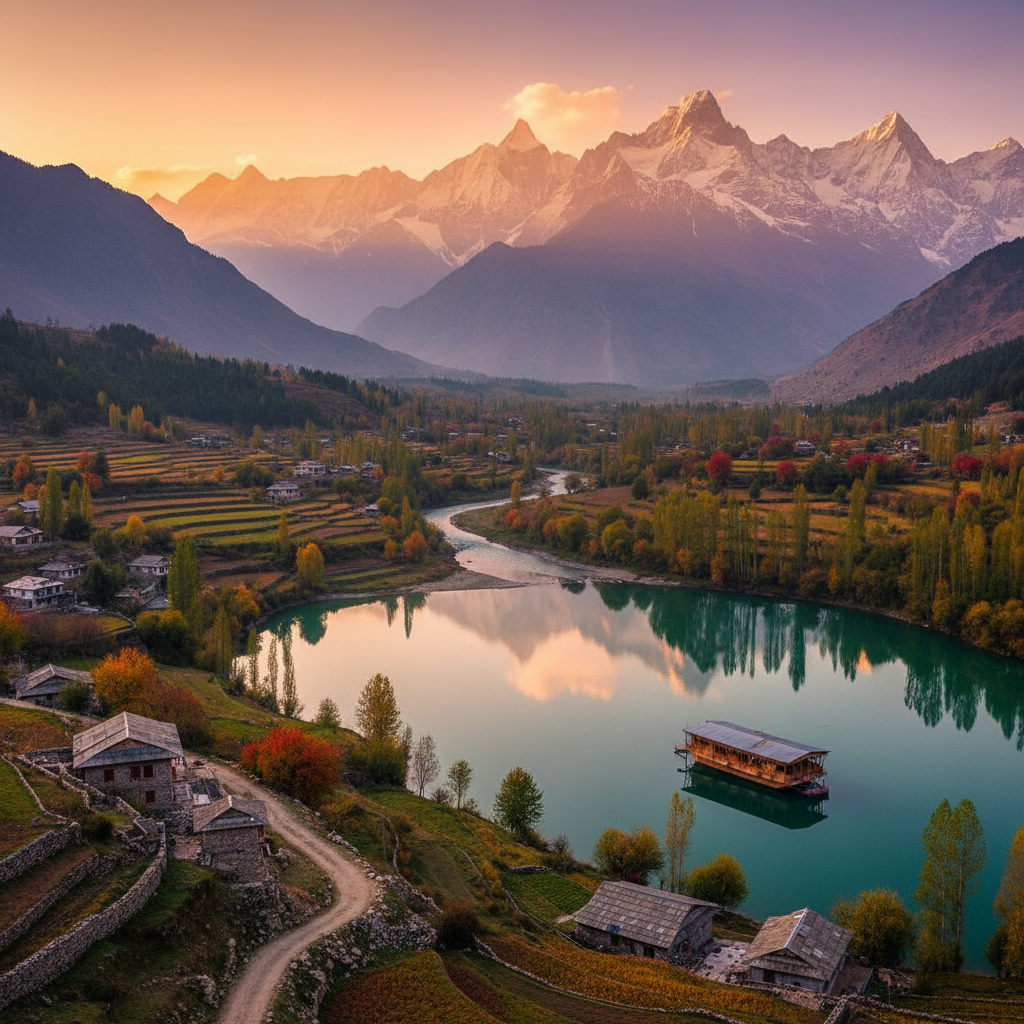
Unveiling Kashmir's Lesser-Known Treasures: An Overview
Kashmir, often hailed as 'Paradise on Earth,' usually conjures images of Dal Lake, Gulmarg's snow-capped peaks, and the Lidder Valley in Pahalgam. While these iconic destinations are breathtaking, the true essence of Kashmir, its raw beauty and untouched serenity, lies hidden in its lesser-explored corners. As a local tour operator, Mid Holidays believes in showcasing the authentic spirit of our homeland. This guide is for the discerning traveler, the adventurer, and the peace-seeker who wishes to venture beyond the conventional and immerse themselves in the pristine charm of truly unexplored places in Kashmir. Think about quiet valleys, alpine meadows where shepherds still roam freely, and ancient villages where time seems to stand still. These are places where you can connect with nature, experience traditional Kashmiri hospitality, and witness a way of life that remains largely unchanged by modern tourism. Getting to these areas requires a bit more planning and a spirit of adventure, but the rewards are immeasurable – a deeply personal and unforgettable journey into the heart of Kashmir's unspoiled wilderness.
Why Explore Offbeat Kashmir? Beyond the Crowds
Opting for unexplored places in Kashmir offers a profound travel experience that popular circuits often can't match. Firstly, you escape the crowds, allowing for genuine tranquility and a deeper connection with nature. Imagine hiking through a verdant meadow with only the sound of a gurgling stream and birdsong, or having a pristine alpine lake almost entirely to yourself. Secondly, these regions offer a glimpse into authentic Kashmiri culture and rural life. You'll interact with local villagers, often shepherds or farmers, who are incredibly hospitable and eager to share their traditions. This isn't just sightseeing; it's cultural immersion. Thirdly, the landscapes are often more dramatic and untouched, offering incredible opportunities for photography, trekking, and simply unwinding in nature's purest form. While basic amenities might be limited in some of these remote areas, the untouched beauty and genuine local interactions more than compensate. It's a chance to truly disconnect from the hustle and bustle and rediscover simplicity amidst breathtaking natural grandeur, creating memories that are truly unique.
Best Time to Visit Kashmir's Hidden Gems
The ideal time to explore the unexplored places in Kashmir largely depends on the specific region and your preferred activities. For high-altitude valleys and meadows like Warwan, Gurez, or Bangus, the summer months from June to September are perfect. The snow would have melted, roads are open, and the meadows are in full bloom, offering lush green landscapes ideal for trekking and camping. These months promise pleasant weather, typically ranging from 15°C to 25°C during the day. However, for valleys at slightly lower altitudes or areas accessible year-round, like parts of Lolab or Sinthan Top, late spring (April-May) and early autumn (October) can also be wonderful. Spring brings fresh blossoms, while autumn paints the landscape in vibrant hues of gold and crimson. Winter travel (November-March) to many of these hidden gems is challenging due to heavy snowfall shutting down roads, making them largely inaccessible. Always check local road conditions and weather forecasts closer to your travel date, and ideally, travel with a local guide or operator who understands the nuances of these remote areas.
Gurez Valley: A Frontier Paradise Untamed
One of Kashmir's most captivating unexplored places is the Gurez Valley, nestled high in the Himalayas near the Line of Control. Accessible from Bandipore, Gurez is a place of unparalleled natural beauty, distinct culture, and serene river landscapes. The journey itself is an adventure, passing through the formidable Razdan Pass (altitude approximately 3,300 meters or 10,800 feet), which remains snowbound for much of the year, usually opening by late May or early June. Once across, you enter a different world. The Kishenganga River (known as Neelum in Pakistan) winds through the valley, flanked by majestic mountain ranges, including the iconic Habba Khatoon peak, named after a famous Kashmiri poetess. Dawar is the central township, offering basic guesthouses. Expect to see traditional wooden houses, unique Dard architecture, and interact with the friendly Dardi people, who have their own distinct language and customs. Activities here include gentle walks along the river, fishing, and simply soaking in the tranquil atmosphere. Remember, Gurez is a sensitive border area, so carrying valid ID proof is essential, and mobile network connectivity can be intermittent. A visit here is a journey into genuine peace and isolation.
Bangus Valley: The Meadow of Unending Green
Often referred to as 'Asia's best-kept secret meadow,' Bangus Valley in the Kupwara district is another magnificent unexplored place in Kashmir. This vast, pristine grassland, spanning approximately 14,000 acres, remains largely untouched by commercial tourism, making it a paradise for nature lovers and adventurers. The valley is divided into two main parts: Bodh Bangus and Badkal Bangus, both offering breathtaking views of rolling green hills, dense pine forests, and meandering streams. Reaching Bangus Valley involves a journey through scenic routes, typically from Reshwari or Handwara. The roads can be challenging and are generally open from May to October, as heavy snowfall makes it inaccessible during winter. There are no permanent structures or hotels within the valley itself, which contributes to its unspoiled charm. Visitors typically go for day trips or camp under the stars (with prior permission and proper arrangements). It's an ideal spot for horse riding, trekking, bird watching, and simply enjoying the vast expanse of untouched nature. Be prepared for a rustic experience; carry all your essentials, and immerse yourself in the sheer beauty of this hidden gem. This valley truly embodies quiet wilderness.
Warwan Valley: A Trekkers' Paradise Beyond the Zanskar
For the truly adventurous seeking unexplored places in Kashmir, Warwan Valley is an ultimate reward. Tucked away in the Kishtwar district, bordering Ladakh and Zanskar, Warwan is a remote, high-altitude valley renowned for its rugged beauty, traditional villages, and challenging trekking routes. The valley is typically accessed from Kokernag in South Kashmir or through challenging passes from Kargil (which involves a much longer journey). The road via Kokernag to Inshan (the last motorable village in Warwan) is often rough and only open a few months of the year, usually from June to October, due to heavy snow at Margan Top (~3,800 meters or 12,500 feet). Warwan is a gateway to several spectacular treks, including routes that connect to Zanskar. The landscape is dramatic, with towering peaks, glacial rivers, and lush green pastures. You'll encounter remote hamlets where the local culture thrives, far removed from modern influences. Accommodation is very basic, often involving homestays or camping. It’s crucial to travel here with experienced guides and adequate supplies, as infrastructure is minimal. Warwan offers an unparalleled experience of raw Himalayan wilderness and cultural authenticity.
Lolab Valley: The Land of Serene Springs and Orchards
In contrast to the ruggedness of some high-altitude valleys, Lolab Valley in Kupwara district offers a gentler, yet equally captivating, escape into unexplored Kashmir. Known locally as the 'Land of Love' or 'Wadi-e-Lolab,' this oval-shaped valley is celebrated for its lush greenery, serene springs, fresh mountain air, and vast apple orchards. It's often overlooked by mainstream tourists, making it a perfect destination for those seeking peace and natural beauty without extreme adventure. Lolab is easily accessible from Srinagar via Kupwara, and the roads are generally well-maintained, allowing for travel from late spring to late autumn. The famous Suloor Spring, known for its pristine waters, is a highlight. The valley is dotted with quaint villages, and you can spend your days walking through orchards, picnicking by the Kanchenjunga stream, or simply enjoying the tranquil rural life. There are basic guesthouses and local homestays available, providing a comfortable yet authentic experience. Lolab Valley is ideal for families or individuals looking for a quiet retreat, offering a different side of Kashmir's natural splendor where you can truly unwind and reconnect with nature's calm embrace.
Planning Your Trip to Unexplored Kashmir with Mid Holidays
Venturing into unexplored places in Kashmir requires careful planning and local expertise. At Mid Holidays, we specialize in crafting journeys that take you off the beaten path, ensuring a safe, enriching, and responsible travel experience. Our seasoned local guides have intimate knowledge of these remote areas, from road conditions and ideal seasons to local customs and necessary permits. When planning, consider factors like connectivity; mobile networks can be unreliable in these remote zones. Accommodation often involves simple guesthouses, homestays, or camping, offering an authentic local feel rather than luxury resorts. We recommend packing layers of clothing, sturdy hiking boots, essential medicines, and a basic first-aid kit. Furthermore, respecting local culture and leaving no trace behind are paramount in preserving the pristine nature of these hidden gems. Let us help you design a customized itinerary that balances adventure with comfort, ensuring you discover the true, untouched beauty of Kashmir. Visit our website or contact us to start planning your bespoke journey to Kashmir's secret corners.
Related Kashmir Guides & Services
<p>Planning the rest of your trip? These Mid Holidays guides pair well with this article:</p><ul><li><a href="/blog/kashmir-offbeat-places-2026-unveiling-hidden-gems">Kashmir Offbeat Places to Visit 2026: Unveiling Hidden Gems with Mid Holidays</a></li><li><a href="/blog/tulail-valley-kashmir-secret-paradise-trekking-guide">Tulail Valley Kashmir: Your Secret Paradise Trekking Guide</a></li><li><a href="/blog/tulail-valley-tour-kashmir-hidden-paradise">Tulail Valley Tour: Your Guide to Kashmir's Hidden Paradise</a></li><li><a href="/blog/best-time-to-visit-bangus-valley-kashmir">Best Time to Visit Bangus Valley: Your Ultimate Guide to Kashmir's Hidden Gem</a></li><li><a href="/blog/lolab-valley-tour">Lolab Valley Tour: Your Ultimate Guide to Kashmir's Hidden Gem</a></li></ul>
Frequently Asked Questions
Are these unexplored places in Kashmir safe for tourists?
Yes, generally these unexplored places are safe for tourists. However, due to their remote nature and proximity to border areas, some require special permits or heightened security checks. It's always advisable to travel with a local, reputable tour operator like Mid Holidays who can ensure all necessary permissions are in place and who stay updated on local conditions, providing you with peace of mind. Always carry valid identification documents.
What kind of accommodation can I expect in remote Kashmiri valleys?
Accommodation in Kashmir's remote valleys is typically basic but comfortable. You'll mostly find small, family-run guesthouses, homestays that offer an authentic cultural experience, or camping facilities for trekkers. Luxury hotels are rare, if not non-existent, in these unexplored areas. Expect simple amenities, traditional hospitality, and a chance to experience local life up close. It's advisable to book through a local operator who can vet and arrange suitable stays.
Do I need special permits to visit places like Gurez Valley or Bangus Valley?
Yes, for certain remote and border areas like Gurez Valley, and sometimes Bangus Valley, special permits may be required due to their strategic location. These permits are typically processed by local authorities. A reputable tour operator like Mid Holidays can assist you with obtaining all necessary permissions, saving you time and ensuring your trip is hassle-free. Always discuss this with your travel planner well in advance.
What should I pack for a trip to unexplored regions of Kashmir?
When visiting unexplored regions of Kashmir, pack layers of warm clothing, even in summer, as mountain weather can be unpredictable. Sturdy, waterproof hiking boots are essential. Include a good quality rain jacket, a hat, sunscreen, sunglasses, personal medication, and a basic first-aid kit. A power bank for your devices is also recommended as electricity can be intermittent. Don’t forget a good camera to capture the stunning landscapes.
Is it possible to travel to these remote areas independently?
While independent travel is technically possible for some well-prepared adventurers, it is highly recommended to travel to Kashmir's remote and unexplored places with a local guide or as part of an organized tour. Knowledge of local languages, challenging road conditions, permit requirements, and potential lack of connectivity make local expertise invaluable for safety, comfort, and a richer cultural experience.
What are the common road conditions like for reaching these hidden gems?
Road conditions to Kashmir's hidden gems can vary significantly. Some main routes to larger villages in valleys like Lolab might be paved but narrow, while roads to truly remote areas like parts of Warwan or Bangus can be unpaved, rough, and susceptible to landslides or snow closures. Vehicles like SUVs or 4x4s are often preferred. Always check current road conditions, especially after heavy rains or snow, and ensure your driver is experienced with mountain terrain.
What unique cultural experiences can I expect in these offbeat regions?
In Kashmir's offbeat regions, you can expect truly authentic cultural immersion. You'll encounter distinct local communities, such as the Dardis in Gurez, preserving their ancient languages and traditions. Opportunities include staying in traditional homestays, sharing meals with local families, observing traditional farming or shepherding practices, and witnessing local festivals or craftsmanship far from tourist commercialization. It's a chance to connect with the genuine heart of Kashmiri life.