Kashmiri Papier Mache & Walnut Wood Handicrafts Guide
Kashmir Shopping & Handicrafts
Discover the intricate world of Kashmiri Papier Mache and Walnut Wood Handicrafts. Our guide covers history, craftsmanship, how to identify authentic…
Introduction to Kashmir's Artistic Heritage: Papier Mache & Walnut Wood
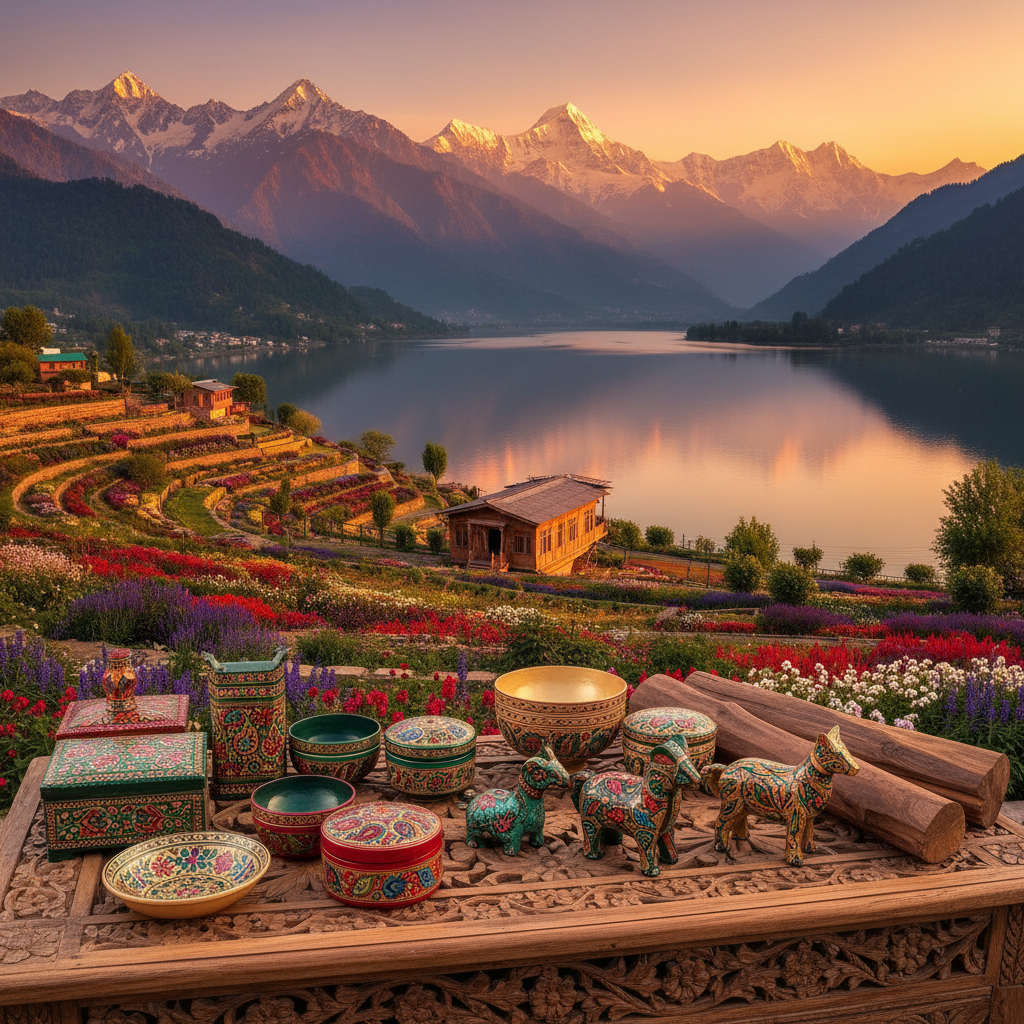
Kashmir is not just a land of breathtaking natural beauty; it's also a cradle of exquisite artistry, prominently displayed in its Papier Mache and Walnut Wood handicrafts. These crafts are more than just souvenirs; they are a tangible link to centuries of tradition, skill, and cultural exchange. Papier Mache, with its vibrant colours and intricate designs, transforms humble paper pulp into stunning decorative items, from delicate jewellery boxes to elaborate lamps. The art of walnut wood carving, on the other hand, showcases the natural beauty of Kashmir's prized walnut trees, with skilled artisans chiselling detailed motifs into furniture, decorative panels, and smaller keepsakes. Both crafts share a common thread: an unparalleled attention to detail and a commitment to preserving an age-old legacy. For travellers, exploring these handicrafts offers a unique glimpse into the heart of Kashmiri culture and an opportunity to take home a piece of its soul. Understanding their history, the painstaking processes involved, and how to discern genuine artistry from imitations enriches the entire travel experience, transforming a simple purchase into a meaningful acquisition.
The Rich History and Evolution of Papier Mache in Kashmir
The art of Papier Mache found its way to Kashmir from Persia in the 15th century, during the reign of Sultan Zain-ul-Abidin. He invited skilled artisans, known as 'Mir Sayyid Ali Hamadani' and 'Makhdoom Sahib,' to teach the local population this intricate craft. Initially, it was used to decorate royal palaces and religious scriptures, but over time, it evolved into a popular medium for everyday and decorative items. The Kashmiri style of Papier Mache is distinct, characterized by its elaborate, often floral, patterns known as 'Naqashi,' and a brilliant, glossy finish achieved through multiple layers of lacquer. The base material, 'Sakhtsazi,' is made from paper pulp, which is then meticulously shaped, dried, and smoothed. This rich history means that every Papier Mache piece you encounter carries echoes of centuries of artistic development and cultural influences, from Mughal aesthetics to local Kashmiri flora and fauna. The evolution of designs also reflects changing times, yet the core techniques and dedication to craftsmanship remain steadfast, passed down through generations of artisan families in Srinagar and surrounding areas.
Unveiling the Craftsmanship: How Kashmiri Walnut Wood Carving Comes to Life
Kashmir's walnut wood carving is a testament to the region's abundant natural resources and the incredible skill of its artisans. The dense, durable, and richly grained wood of the Kashmiri walnut tree (Junglans Regia) is highly prized, and its carving tradition dates back centuries. The process begins with carefully selected, well-seasoned walnut wood, often aged for several years to prevent cracking. Artisans, using a range of chisels and mallets, meticulously hand-carve intricate designs. Popular motifs include chinar leaves, lotus flowers, grapevines, and traditional Kashmiri patterns. What makes Kashmiri walnut wood carving stand out is the depth and detail of the carving, often in high relief, which gives the pieces a three-dimensional quality. From large furniture pieces like dining tables and chairs to smaller items such as jewellery boxes, photo frames, and decorative panels, each creation is a labour of love, sometimes taking weeks or even months to complete. Visiting a workshop in Srinagar allows you to witness this mesmerising process firsthand, seeing the raw wood transform under the skilled hands of a master carver.
Identifying Authentic Handicrafts: What to Look For
When purchasing Kashmiri Papier Mache or Walnut Wood handicrafts, authenticity is key to ensuring you're investing in genuine artistry. For Papier Mache, examine the finish: authentic pieces will have multiple layers of lacquer, resulting in a smooth, glossy, and durable surface, not a quickly painted, dull finish. The designs, particularly the 'Naqashi' floral patterns, should be intricate, finely detailed, and hand-painted, not mass-produced prints. Turn the item over; the base should feel solid and substantial, indicating a well-formed paper pulp core. In walnut wood carving, look for the natural grain of the wood; it should be visible through the carving, not obscured by heavy stains or paints. The carvings themselves should be deep, crisp, and uniform, showing consistent handwork rather than machine-cut precision. Feel the texture; authentic pieces often have a slight, natural unevenness that signifies hand-carved detail. Be wary of overly low prices; genuine craftsmanship takes time and skill. Asking about the artisan's family or history can also offer insights into the piece's provenance. It's always best to buy from established shops or directly from artisans in their workshops.
Where to Find and Buy Genuine Handicrafts in Kashmir
The best places to find authentic Kashmiri Papier Mache and Walnut Wood handicrafts are primarily in Srinagar. Boulevard Road, along Dal Lake, is lined with numerous handicraft stores, though quality and pricing can vary. For a more direct experience and often better pricing, head to the Old City area, particularly around the Jamia Masjid and Zaina Kadal. Here, you'll find smaller workshops and family-run businesses where you can often see artisans at work. The Government Arts Emporium, located near Polo View, is another reliable option known for maintaining quality standards and offering fixed prices, making it a good reference point for fair pricing. However, for a truly immersive experience and the chance to interact directly with the makers, seeking out individual artisan workshops is highly recommended. Many guesthouses and hotels can direct you to reputable, smaller-scale artisans. When exploring, take your time, compare pieces, and don't hesitate to politely bargain, especially in private shops, but always respect the artistry and effort involved. Always aim for places that display a clear passion for their craft, like the workshops associated with Mid Holidays' recommended tours, ensuring you take home a piece of authentic Kashmiri heritage.
Caring for Your Kashmiri Treasures: Maintenance Tips
Once you've acquired your beautiful Kashmiri Papier Mache or Walnut Wood handicraft, proper care is essential to preserve its beauty and longevity. For Papier Mache items, the key is to keep them away from excessive moisture and direct sunlight, both of which can cause colours to fade or the lacquer to crack. A soft, dry cloth is sufficient for dusting. If light cleaning is needed, a slightly damp cloth can be used, but ensure it's immediately dried afterwards. Avoid using harsh chemical cleaners, as these can damage the delicate painted surface and lacquer. For Walnut Wood carvings, the wood can dry out over time, leading to cracks. To prevent this, occasionally wipe the piece with a soft cloth lightly dampened with a natural wood polish or even a tiny amount of olive oil, then buff dry. Again, keep it away from direct sunlight and extreme temperature fluctuations. Avoid placing hot items directly on carved surfaces. With both types of handicrafts, handling them gently and placing them in stable environments away from potential knocks or falls will ensure they remain cherished pieces in your home for years to come, reminding you of Kashmir's timeless artistry.
Beyond the Shopping: Immersing in Kashmiri Artisan Culture
The experience of Kashmiri handicrafts goes far beyond mere shopping; it's an immersion into a vibrant artisan culture that defines a significant part of the region's identity. Many artisans are direct descendants of families who have practiced these crafts for generations, passing down secrets and techniques from father to son, mother to daughter. Engaging with them, even briefly, offers a unique window into their lives, their dedication, and the stories embedded in each piece. Some workshops, particularly in the Old City, welcome visitors to observe the painstaking processes of papier mache shaping and painting, or the intricate chiselling of walnut wood. This interaction fosters a deeper appreciation for the skill and patience required. Mid Holidays encourages travellers to seek out these experiences, perhaps through a guided walk or a visit arranged with local experts. Understanding the social and economic significance of these crafts to the community adds another layer of meaning to your trip. By supporting these artisans, you're not just buying a product; you're contributing to the preservation of a precious cultural heritage and empowering local families, ensuring these magnificent traditions continue to thrive for future generations.
Related Kashmir Guides & Services
<p>Planning the rest of your trip? These Mid Holidays guides pair well with this article:</p><ul><li><a href="/blog/kashmiri-shopping-guide-pashmina-saffron">Kashmiri Shopping Guide: Pashmina, Saffron & Local Crafts</a></li><li><a href="/blog/kashmiri-pashmina-shawl-buying-guide">Kashmiri Pashmina Shawl Buying Guide: Authenticity & Quality</a></li><li><a href="/blog/jammu-city-tourist-places-guide">Jammu City Tourist Places Guide: Unveiling the City of Temples</a></li><li><a href="/blog/pampore-saffron-fields-visit-guide">Pampore Saffron Fields Visit Guide: Kashmir's Golden Bloom</a></li><li><a href="/blog/unexplored-places-in-kashmir">Unexplored Places in Kashmir: Your Guide to Hidden Gems</a></li></ul>
Frequently Asked Questions
What are the common motifs used in Kashmiri Papier Mache?
Kashmiri Papier Mache commonly features intricate floral and paisley designs, collectively known as 'Naqashi.' Popular motifs include chinar leaves, lotus flowers, iris, and various local Kashmiri flora. Persian miniature painting influences are also evident, with elaborate patterns, birds, and sometimes hunting scenes or court life depicted. The colours are often vibrant, rich, and multi-layered, creating a visually stunning effect on items like jewellery boxes, bowls, and decorative panels.
How can I tell the difference between machine-made and hand-carved walnut wood?
Hand-carved walnut wood will show slight imperfections and variations in depth and detail, which is a hallmark of human artistry. The cuts will appear organic and distinct. Machine-made carvings, in contrast, tend to be perfectly uniform, repetitive, and lack the nuanced depth and character. Feel the surface; hand-carved pieces often have a more natural, tactile quality, while machine-made ones might feel too smooth or plasticky, especially if heavily polished.
Are Kashmiri Papier Mache products durable?
Yes, authentic Kashmiri Papier Mache products are surprisingly durable due to their unique construction. The base is made from many layers of compressed paper pulp, which is then dried and hardened. This 'Sakhtsazi' layer is then meticulously painted and coated with several layers of lacquer, providing a protective, glossy finish. While not indestructible, they are resistant to minor impacts and, with proper care (keeping away from moisture and direct sun), can last for many decades.
What is the price range for a good quality Kashmiri walnut wood carving?
The price of a Kashmiri walnut wood carving varies significantly based on size, intricacy of the carving, and the quality of the wood. A small, simple carving like a jewellery box might range from INR 1,500 to 5,000. Larger, more detailed pieces such as decorative panels or small tables can cost anywhere from INR 10,000 to upwards of INR 50,000 or even more for custom, elaborate furniture. Always remember that skilled handcraftsmanship commands a fair price.
Can I visit workshops to see artisans creating these handicrafts?
Absolutely! Visiting artisan workshops is one of the most enriching experiences in Kashmir. Many smaller, family-run workshops, especially in the Old City areas of Srinagar, are open to visitors. You can often observe the artisans engaged in the various stages of Papier Mache creation, from pulp making to painting, or watch woodcarvers meticulously chiselling designs into walnut wood. It's a wonderful opportunity to appreciate the skill involved and sometimes even interact with the craftspeople directly.
What is the significance of the Chinar leaf in Kashmiri handicrafts?
The Chinar leaf (Platanus orientalis) holds immense cultural and aesthetic significance in Kashmir. It is a symbol of the valley itself, deeply embedded in Kashmiri folklore and art. Its distinctive, broad, five-pointed shape and vibrant autumn colours make it a popular and recurring motif in almost all Kashmiri handicrafts, including Papier Mache, walnut wood carving, embroidery, and Pashmina weaving. It represents the natural beauty and seasonal changes of Kashmir.
Is it possible to order custom-made Papier Mache or walnut wood items?
Yes, many established handicraft shops and individual artisans in Kashmir do take custom orders. If you have a specific design, size, or colour scheme in mind, you can discuss it with them. Be prepared for a longer production time, as bespoke pieces require meticulous planning and execution. The cost will also be higher than ready-made items, reflecting the personalized craftsmanship. It's a fantastic way to acquire a truly unique piece that perfectly suits your preferences.
How do I ensure ethical sourcing when buying these handicrafts?
To ensure ethical sourcing, it's best to buy directly from artisan cooperatives, government-run emporiums, or reputable, long-standing shops that have transparent relationships with their craftspeople. Engaging with artisans in their workshops also allows you to see their working conditions firsthand. Avoiding street vendors with suspiciously low prices can help. Prioritise businesses that seem to value their artisans and contribute positively to the local community, ensuring your purchase supports fair trade practices.