Ladakh Pashmina Handicraft Shopping Guide: Your Authentic Buy
Ladakh Shopping & Culture
Unravel the world of authentic Ladakh Pashmina with our comprehensive shopping guide. Learn to identify genuine handicrafts, find the best markets, and make…
An Introduction to Ladakh Pashmina: More Than Just a Shawl
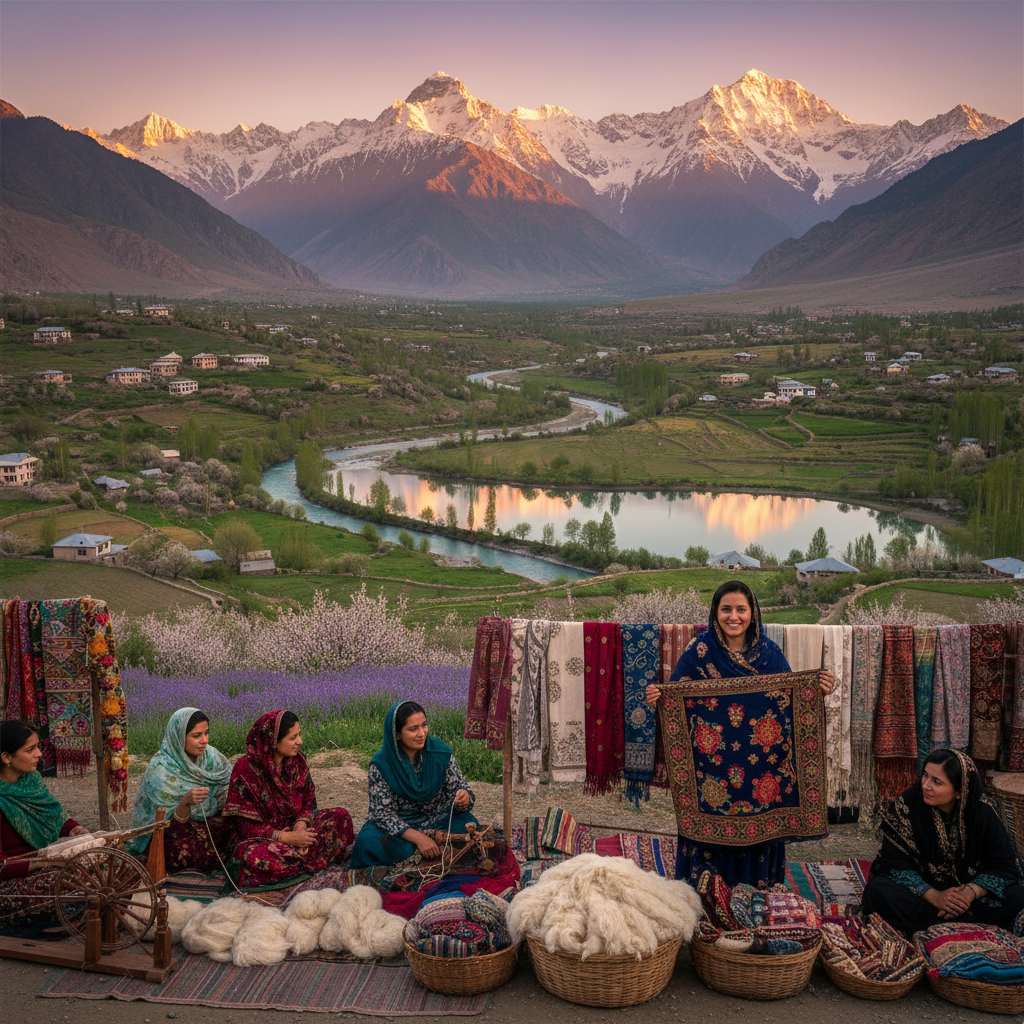
Ladakh Pashmina isn't just a luxurious fabric; it's a centuries-old tradition woven into the very heart of the Himalayas. Derived from the fine undercoat of the Changthangi goat, native to the high-altitude Changthang plateau of Ladakh, this wool is renowned globally for its unparalleled softness, warmth, and lightweight nature. The term 'Pashmina' itself comes from the Persian word 'Pashm,' meaning soft gold, a fitting description for this exquisite material. For generations, Ladakhi nomadic communities, particularly the Changpa tribe, have meticulously reared these goats in harsh, cold climates, where the goats develop their unique, ultra-fine cashmere fibres. The entire process, from the gentle combing of the wool to the intricate spinning and weaving, often involves traditional hand-crafting techniques passed down through families. When you invest in a Ladakh Pashmina, you're not just acquiring a beautiful accessory; you're supporting a rich cultural heritage, sustaining traditional livelihoods, and carrying home a piece of the vast, serene landscape of Ladakh itself. Understanding this deep connection enhances the value of your purchase, transforming it into a cherished souvenir with a powerful story.
The Journey of Pashmina: From Changthang to Craft
The story of Ladakh Pashmina begins in the remote, high-altitude plains of Changthang, where temperatures can plummet to extreme lows. Here, the semi-nomadic Changpa community shepherds their Changthangi goats (also known as Pashmina goats), whose soft undercoat, developed to withstand the biting cold, is the source of this precious fibre. Unlike sheep wool, Pashmina is not shorn; instead, the fine hair is gently combed out by hand during the spring moulting season when the goats naturally shed their winter coat. This delicate fibre, typically measuring between 12 to 15 microns in diameter (human hair is about 75 microns), is then collected and laboriously cleaned of guard hairs and impurities. Historically, much of this raw Pashm was transported to Kashmir for processing, where it was spun into yarn and woven into shawls. However, in recent years, there has been a growing movement within Ladakh to process and craft Pashmina locally, empowering Ladakhi artisans and ensuring more of the value remains within the region. This local production often focuses on naturally dyed or undyed pieces, showcasing the true essence of the fibre. Knowing this journey helps you appreciate the immense effort and natural wonder behind every authentic piece.
Identifying Authentic Ladakh Pashmina: Buyer's Beware
Distinguishing genuine Ladakh Pashmina from imitations is crucial for a worthwhile purchase. Many vendors might claim their products are pure Pashmina when they are blends of silk, viscose, or even synthetic fibres. Here are a few key tests you can perform. First, the 'Ring Test': genuine Pashmina is so fine that a well-woven shawl can often pass through a wedding ring (though this is not foolproof for all weaves). Second, the 'Burn Test' (with caution and permission from the seller): a tiny fringe thread from a real Pashmina, when burned, will smell like burnt hair and turn into a powdery ash, unlike synthetic fibres which melt and produce a plastic smell. Third, examine the weave: authentic Pashmina will have a slightly irregular, hand-woven texture, not perfectly uniform like machine-made imitations. It will also feel incredibly soft and warm against the skin, yet surprisingly light. Fourth, the price: genuine, hand-crafted Ladakh Pashmina is expensive. If a deal seems too good to be true, it likely is. Expect prices for a good quality shawl to start from INR 5,000-8,000 and go upwards significantly, depending on size, weave, and embroidery. Be wary of vendors pushing for quick sales or offering discounts that seem unrealistic. Patience and careful examination will help you secure an authentic treasure.
Where to Buy Authentic Pashmina in Leh: Trusted Establishments
When it comes to purchasing authentic Ladakh Pashmina in Leh, navigating the myriad of shops can be daunting. To ensure you're investing in a genuine product and supporting local artisans, focus on establishments known for their integrity and direct sourcing. Reputable co-operatives and government-certified handicraft centres are often your safest bet. Look for places like the Ladakh Art Palace, various outlets on Leh Main Bazaar that explicitly state 'Handloom' or 'Ladakhi Pashmina Cooperative,' or smaller, independent stores run by local families who can tell you the story behind their products. Many shops near the Leh Palace or on Fort Road also offer good selections, but always apply the authenticity tests mentioned previously. Avoid street vendors offering very low prices, as these are almost always imitations. Some higher-end boutiques associated with hotels might also carry authentic pieces, but their prices will reflect the overhead. Engage with the sellers, ask about the source of the wool, the weaving process, and if they can demonstrate the 'burn test.' A transparent seller who is proud of their product is a good sign. It's often better to buy one high-quality, authentic piece than several cheaper, fake ones.
Other Ladakhi Handicrafts: Beyond Pashmina
While Ladakh Pashmina rightly steals the spotlight, the region is a treasure trove of other exquisite handicrafts that reflect its rich cultural and artistic heritage. As you explore the markets of Leh, keep an eye out for these unique items. Wooden carvings, often depicting Buddhist deities, prayer wheels, or traditional motifs, are crafted with intricate detail. Ladakhi thangka paintings, vibrant and spiritually significant, are meticulously painted on cloth and are a testament to the region's strong Buddhist traditions. Metalwork, including intricately designed jewellery, ritualistic objects like butter lamps, and copper teapots, showcases skilled craftsmanship. Hand-woven carpets and rugs, often made from local sheep wool and adorned with traditional patterns, can add warmth and character to any home. Another popular item is apricot kernel oil, locally known as 'Chulli,' prized for its medicinal and cosmetic properties. You'll also find beautiful prayer flags, traditional clothing items, and unique pottery. These handicrafts not only make for wonderful souvenirs but also directly support the local economy and preserve traditional art forms, offering a broader glimpse into Ladakh's artistic soul beyond the renowned Pashmina.
Sustainable Shopping: Supporting Ladakhi Artisans and Culture
Choosing to shop sustainably in Ladakh goes beyond just buying a product; it's about making a conscious decision that positively impacts the local community and environment. When purchasing Pashmina and other handicrafts, prioritize outlets that directly support local artisans, co-operatives, or fair-trade initiatives. These establishments ensure that the income generated benefits the producers directly, helping to preserve traditional skills and improve livelihoods in these remote areas. Ask questions about the origin of the materials and the production process. Many local initiatives are now focusing on ethical sourcing of Pashmina wool, ensuring the well-being of the Changthangi goats and the nomadic Changpa herders. Opt for products made with natural dyes or undyed, raw Pashmina, which reduces environmental impact. By making informed choices, you contribute to the economic empowerment of Ladakhi families, help maintain cultural heritage, and promote responsible tourism. Your purchase becomes a meaningful investment in the future of Ladakh's unique craftsmanship and its people, ensuring that these beautiful traditions continue for generations to come. Look for 'Handloom of Ladakh' labels or similar certifications that indicate local production.
Pashmina Care and Storage: Preserving Your Investment
Once you've invested in a beautiful Ladakh Pashmina, proper care is essential to ensure its longevity and maintain its luxurious quality. Pashmina is a delicate natural fibre and requires gentle handling. It's generally recommended to dry clean your Pashmina shawl to preserve its texture and colour. If you must wash it at home, hand wash it very gently in cool water using a mild, wool-specific detergent. Never use hot water, harsh chemicals, or bleach. Avoid wringing or twisting the fabric; instead, gently squeeze out excess water. Lay the shawl flat on a clean, dry towel to air dry, away from direct sunlight or heat. Hanging it can cause it to stretch out of shape. For storage, keep your Pashmina in a cool, dry place, ideally folded neatly in a breathable cotton bag to protect it from dust and insects. Avoid plastic bags as they can trap moisture. Placing cedar balls or lavender sachets with your Pashmina can help deter moths. With proper care, your authentic Ladakh Pashmina will remain a cherished possession, offering warmth and elegance for many years to come, a true testament to its Himalayan origins and the artistry of its makers.
Related Kashmir Guides & Services
<p>Planning the rest of your trip? These Mid Holidays guides pair well with this article:</p><ul><li><a href="/blog/kashmiri-pashmina-shawl-buying-guide">Kashmiri Pashmina Shawl Buying Guide: Authenticity & Quality</a></li><li><a href="/blog/leh-to-diskit-taxi-travel-guide">Leh to Diskit Taxi: Your Ultimate Guide to a Nubra Valley Journey</a></li><li><a href="/blog/leh-to-turtuk-taxi-your-ultimate-border-village-guide">Leh to Turtuk Taxi: Your Ultimate Border Village Guide</a></li><li><a href="/blog/leh-to-lamayuru-taxi-guide">Leh to Lamayuru Taxi: Your Ultimate Guide to a Scenic Journey</a></li><li><a href="/blog/ladakh-to-manali-taxi-your-ultimate-adventure-guide">Ladakh to Manali Taxi: Your Ultimate Adventure Guide & Tips</a></li></ul>
Frequently Asked Questions
What is the average price range for an authentic Ladakh Pashmina shawl?
The price of an authentic Ladakh Pashmina shawl can vary significantly based on its fineness, size, weave, and whether it has intricate embroidery. Generally, a good quality, plain, hand-woven shawl can start from INR 5,000-8,000. Larger or more elaborately embroidered pieces, especially those with pure Cashmere, can easily cost upwards of INR 20,000-50,000 or more. Beware of prices that seem too low, as these are often indicators of blended or fake products. Always consider the craftsmanship and the story behind the piece.
How can I be sure the Pashmina I am buying in Leh is truly from Ladakh?
To ensure your Pashmina is truly from Ladakh, look for shops that explicitly state 'Ladakh Pashmina' or 'Changthangi Pashmina' and ideally have certifications from local cooperatives or government handicraft boards. Engage with the shopkeeper and ask about the sourcing of the wool (Changthang region) and the weaving process. Perform the 'burn test' on a loose thread if allowed, and always trust your tactile sense: genuine Pashmina feels incredibly soft, warm, and lightweight. Reputable stores will be transparent about their products.
Are there specific times of year when Pashmina is more readily available or cheaper?
Pashmina products are generally available year-round in Leh's main markets. However, the raw Pashm is collected during the spring moulting season (typically May-June) from the Changthangi goats. While this doesn't directly impact retail availability much, it's worth noting the seasonality of the raw material. Prices tend to be relatively stable throughout the year and are more influenced by the quality of the fibre, the intricacy of the craft, and the vendor's overheads, rather than seasonal fluctuations. Avoid 'sale' periods that offer unrealistic discounts on 'pure' Pashmina.
What is the difference between Pashmina and cashmere?
Technically, Pashmina is a specific type of cashmere. 'Cashmere' is a general term for wool derived from various breeds of cashmere goats. 'Pashmina' specifically refers to the ultra-fine cashmere wool sourced from the Changthangi goats of Ladakh and Nepal, renowned for its superior fineness (12-15 microns) and warmth. All Pashmina is cashmere, but not all cashmere is Pashmina. When you buy Ladakh Pashmina, you're getting a premium, geographically specific variety of cashmere with a distinct heritage and hand-crafting tradition.
Can I find genuine Pashmina online from Ladakh?
While it is possible to find genuine Ladakh Pashmina online, exercising caution is paramount. Look for websites directly linked to reputable Ladakhi co-operatives, established local businesses, or fair-trade organizations that explicitly mention sourcing from Changthang. Read customer reviews, check for certifications, and ensure they provide clear product descriptions, including fibre composition and origin. Be wary of generic online marketplaces offering very low prices for 'pure Pashmina,' as authenticity is harder to verify without physical inspection. Prioritizing direct-from-source vendors is always recommended.
Are there any ethical considerations when buying Pashmina?
Yes, ethical considerations are important. Ensure your purchase supports sustainable practices and fair wages for the nomadic Changpa herders and local artisans. Look for products that promote ethical sourcing of the wool, meaning the goats are treated humanely during the combing process. Support co-operatives or shops that provide transparency about their production chain and reinvest in the local community. Choosing hand-woven and naturally dyed products also reduces the environmental footprint. Your mindful purchase contributes to preserving the traditional way of life and the delicate ecosystem of Ladakh.