Kashmiri Pashmina Shawl Buying Guide: Authenticity & Quality
Kashmir Shopping & Culture
Unravel the secrets of authentic Kashmiri Pashmina shawls. This buying guide covers identifying real Pashmina, quality, cost, and care tips from Mid…
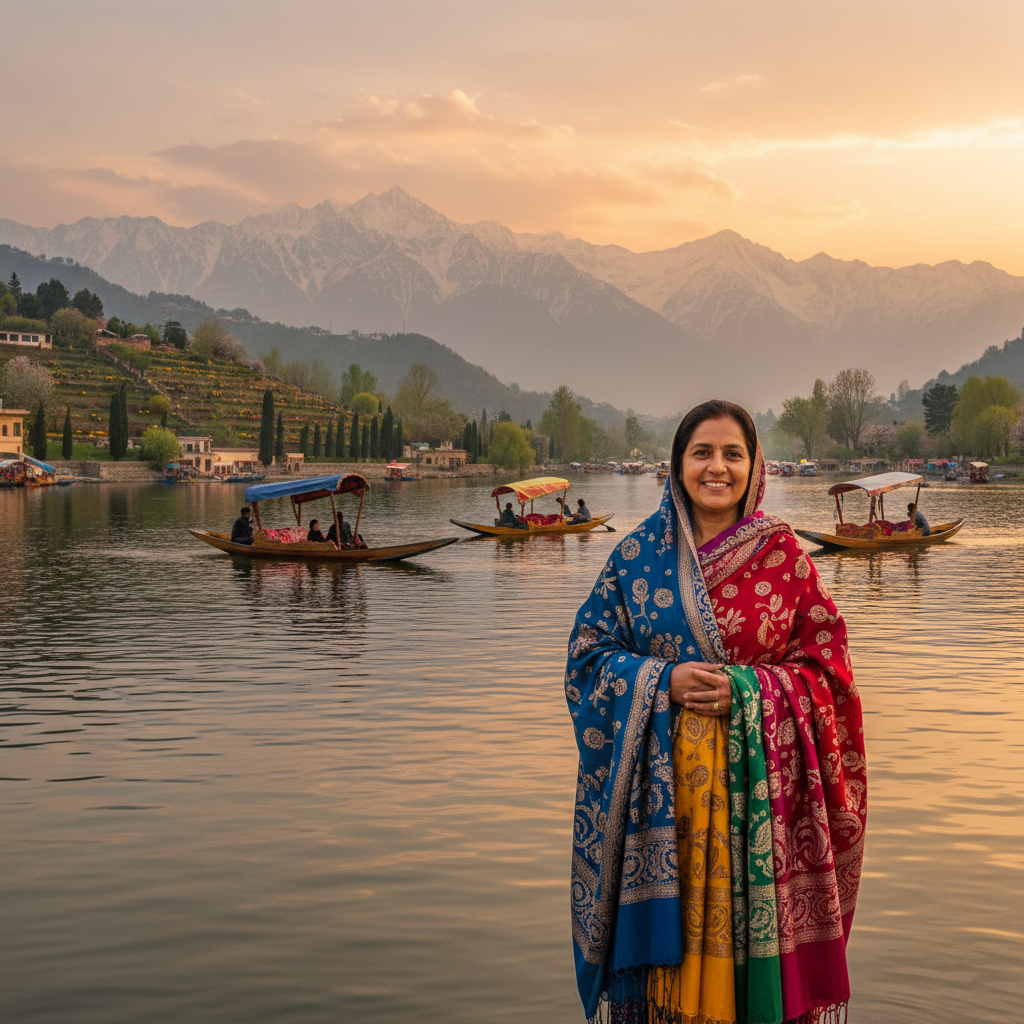
Understanding the Magic of Kashmiri Pashmina: More Than Just a Shawl
A Kashmiri Pashmina shawl is not merely an accessory; it is a piece of art, a legacy woven from generations of skill and the unique wool of the Changthangi goat. These remarkable goats graze at altitudes above 14,000 feet in the Changthang region of Ladakh. Their fine undercoat, known as Pashm, is incredibly soft, light, and exceptionally warm. True Kashmiri Pashmina is distinguished by its incomparable warmth-to-weight ratio and its ethereal drape. The traditional process, from collecting the raw Pashm to spinning, weaving, and often intricate hand-embroidery, is a meticulous journey performed by skilled artisans in Kashmir. This buying guide aims to demystify the world of Pashmina, helping you appreciate its value and make an informed purchase that will last a lifetime. Understanding the origins and the laborious crafting process is the first step towards discerning genuine quality amidst a market often flooded with imitations.
Identifying Authentic Pashmina: The Burn Test, Ring Test, and More
Distinguishing a real Kashmiri Pashmina from fakes requires a keen eye and some basic knowledge. Firstly, the burn test: take a small fringe fiber and burn it. Real Pashmina (wool) will smell like burnt hair and turn into powdery ash. Synthetic imitations will melt and smell like burning plastic, leaving a hard bead. Secondly, the 'ring test': due to its extreme fineness, a pure, unembroidered Pashmina shawl should be able to pass through a finger ring. However, this test is more indicative of fineness rather than absolute authenticity, as some thicker weaves might not pass. Real Pashmina has a slight, natural sheen, not a synthetic gloss. It will also feel incredibly soft and warm, yet remarkably light. Look for irregularities in the weave, a hallmark of hand-weaving, rather than a perfectly uniform, machine-made finish. The edges of a hand-woven Pashmina will often be slightly uneven, reflecting its artisanal creation.
Types of Pashmina and Their Craftsmanship: Kani, Sozni, and Plain Weaves
Kashmiri Pashmina comes in various forms, each showcasing different levels of craftsmanship. The simplest, yet most luxurious, is the plain woven Pashmina, valued for its pure texture and warmth. These can be undyed, retaining the natural shades of the goat's wool (cream, grey, brown), or dyed in vibrant colors. More intricate are the embroidered Pashminas. Sozni embroidery, also known as needlework, involves delicate, often floral or paisley patterns meticulously stitched onto the shawl. This can range from subtle borders to full-coverage 'jamawar' patterns. The most exquisite and expensive type is the Kani Pashmina. Woven on a loom using small wooden spools (kanis), this technique creates intricate, tapestry-like designs, often taking months or even years to complete a single piece. The complexity of Kani weaving, which is nearly two centuries old, makes it a true heirloom. When buying, ask about the type of craftsmanship and observe the detail and precision of the work.
Pashmina Shawl Pricing in Kashmir: What to Expect and Why
The price of a Kashmiri Pashmina shawl varies significantly based on several factors: the purity of the Pashm, the fineness of the weave, the size, the type and density of embroidery (Sozni), and whether it's a Kani shawl. A basic, plain pure Pashmina shawl can start from INR 8,000-15,000 for a good quality piece, while medium-embroidered ones might range from INR 20,000-50,000. Exquisite, heavily embroidered Jamawar shawls or intricate Kani Pashminas can easily fetch upwards of INR 1,00,000, and truly exceptional pieces can cost several lakhs. Be wary of prices that seem too good to be true; a pure Pashmina cannot be purchased for a few thousand rupees. The labor involved in collecting, cleaning, spinning, weaving, and embroidering is immense, justifying the higher cost. Bargaining is common in local markets, but for high-value items, focus on quality and authenticity rather than just the lowest price.
Where to Buy Authentic Pashmina in Srinagar and Beyond
For genuine Kashmiri Pashmina, it's crucial to buy from reputable sources. In Srinagar, look for established government-certified emporiums or long-standing family-run businesses known for their quality. Shops around Dal Lake, Boulevard Road, and Residency Road are popular, but exercise caution. Ask for certificates of authenticity, though these can sometimes be faked. A good indicator is a shop that openly explains the difference between various types of Pashmina, allows you to feel different textures, and even demonstrates the burn test. Engaging with knowledgeable shopkeepers who are proud of their craft is key. Avoid street vendors offering ridiculously low prices. Mid Holidays recommends taking your time, visiting a few shops, and comparing quality and prices before making a decision. Don't feel pressured into an immediate purchase; a genuine seller will understand your need to evaluate.
Caring for Your Precious Pashmina: Longevity and Preservation
Proper care is essential to preserve the beauty and longevity of your Kashmiri Pashmina shawl. Always dry clean it, preferably from a professional who understands delicate woolens. If you must handwash, use cold water and a mild, pH-neutral wool detergent. Gently squeeze, do not wring, and lay flat to dry away from direct sunlight or heat. Store your Pashmina in a cool, dry place, ideally wrapped in a muslin cloth to protect it from dust and moths. Avoid hanging it, as this can distort its shape. If storing for a long time, use cedar balls or lavender sachets as natural moth repellents. Never iron directly on high heat; use a low setting with a pressing cloth. With attentive care, your Pashmina will retain its softness, warmth, and exquisite drape for many years, becoming a cherished family heirloom.
Avoiding Common Pitfalls: Blends, Fakes, and Overpaying
The market for Pashmina is unfortunately rife with imitations and blends. Many sellers offer 'Pashmina' that is actually sheep wool, rayon, viscose, or a blend of these synthetics with a small percentage of Pashm. These blends are significantly cheaper but lack the warmth, softness, and drape of pure Pashmina. Always ask for 100% pure Pashmina and be suspicious if the price is too low. Another pitfall is machine-made shawls passed off as hand-woven. Look closely at the fringe; hand-woven Pashminas will have hand-tied fringes. Be wary of aggressive sales tactics; a genuine product sells itself. While a certificate might be provided, it's best to rely on your own sensory evaluation and the reputation of the seller. Trust your instincts and the tips provided in this guide to make a wise and satisfying purchase, ensuring you take home a truly authentic piece of Kashmiri heritage.
Related Kashmir Guides & Services
<p>Planning the rest of your trip? These Mid Holidays guides pair well with this article:</p><ul><li><a href="/blog/kashmiri-shopping-guide-pashmina-saffron">Kashmiri Shopping Guide: Pashmina, Saffron & Local Crafts</a></li><li><a href="/blog/best-kashmiri-street-food-guide">Best Kashmiri Street Food Guide: A Local's Culinary Journey</a></li><li><a href="/blog/kashmir-wazwan-food-guide">Kashmir Wazwan Food Guide: A Culinary Journey with Mid Holidays</a></li><li><a href="/blog/kashmir-package-with-houseboat-ultimate-guide">Kashmir Package with Houseboat: Your Ultimate Guide for a Serene Stay</a></li><li><a href="/blog/unexplored-places-in-kashmir">Unexplored Places in Kashmir: Your Guide to Hidden Gems</a></li></ul>
Frequently Asked Questions
What is the primary difference between Pashmina and regular wool?
Pashmina comes from the inner coat of the Changthangi goat, found at high altitudes in Ladakh, making its fibers much finer (12-15 microns) and lighter than regular sheep wool (20-30 microns). This extreme fineness gives Pashmina its unparalleled softness, warmth-to-weight ratio, and luxurious drape, which ordinary wool cannot replicate. It's a premium, rare fiber compared to the more common sheep wool.
Can I trust the 'Pashmina' sold online for very low prices?
Generally, no. Authentic Kashmiri Pashmina is a luxury product due to the rarity of the wool and the intense labor involved in its hand-crafting. Shawls sold for very low prices online are almost certainly not pure Pashmina. They are typically blends (e.g., silk-pashmina), synthetic imitations (viscose, rayon), or regular sheep wool labeled as Pashmina. Always be skeptical of prices that seem too good to be true.
Is it true that pure Pashmina doesn't have an embroidered label?
Yes, it is true. Authentic, hand-woven Kashmiri Pashmina shawls traditionally do not come with embroidered labels sewn directly onto the fabric. Such labels are often added to mass-produced or blended shawls to create an impression of authenticity. Genuine Pashmina sellers might provide a separate tag or certificate, but the shawl itself will not have an embedded fabric label from the weaver.
How can I tell if a Pashmina shawl is hand-woven or machine-made?
Hand-woven Pashmina will exhibit slight irregularities in the weave, which is a hallmark of artisanal craftsmanship, whereas machine-made shawls will have a perfectly uniform and often tighter weave. The fringes of a hand-woven Pashmina are typically hand-tied. Machine-made shawls might have factory-finished edges or fringes that appear too perfect and regular. Inspect the texture and the consistency of the weave closely.
What is a 'Pashmina blend' and is it still worth buying?
A Pashmina blend typically combines Pashm wool with other fibers like silk, merino wool, or viscose. While not 100% pure Pashmina, these blends can still offer softness and warmth at a more accessible price point. A 70% Pashmina, 30% silk blend is a common and popular option, offering good drape and sheen. They are a good alternative if pure Pashmina is out of your budget, but ensure the percentage of Pashmina is clearly stated.
What is the 'GI Tag' for Pashmina and why is it important?
The Geographical Indication (GI) Tag for Kashmiri Pashmina is a certification that verifies the product's origin and adherence to traditional manufacturing processes in Kashmir. It ensures that the Pashm wool is sourced from the Changthangi goat and the shawl is hand-spun and hand-woven in Kashmir. A GI-tagged Pashmina provides a guarantee of authenticity and quality, protecting both the consumer and the traditional artisans.