Kashmir vs Darjeeling Comparison: Your Ultimate Travel Guide
Destination Comparison
Planning a Himalayan escape? Our Kashmir vs Darjeeling comparison helps you choose between the serene Valley and the charming Hill Station. Discover…
Kashmir vs Darjeeling: An Overview for the Discerning Traveller
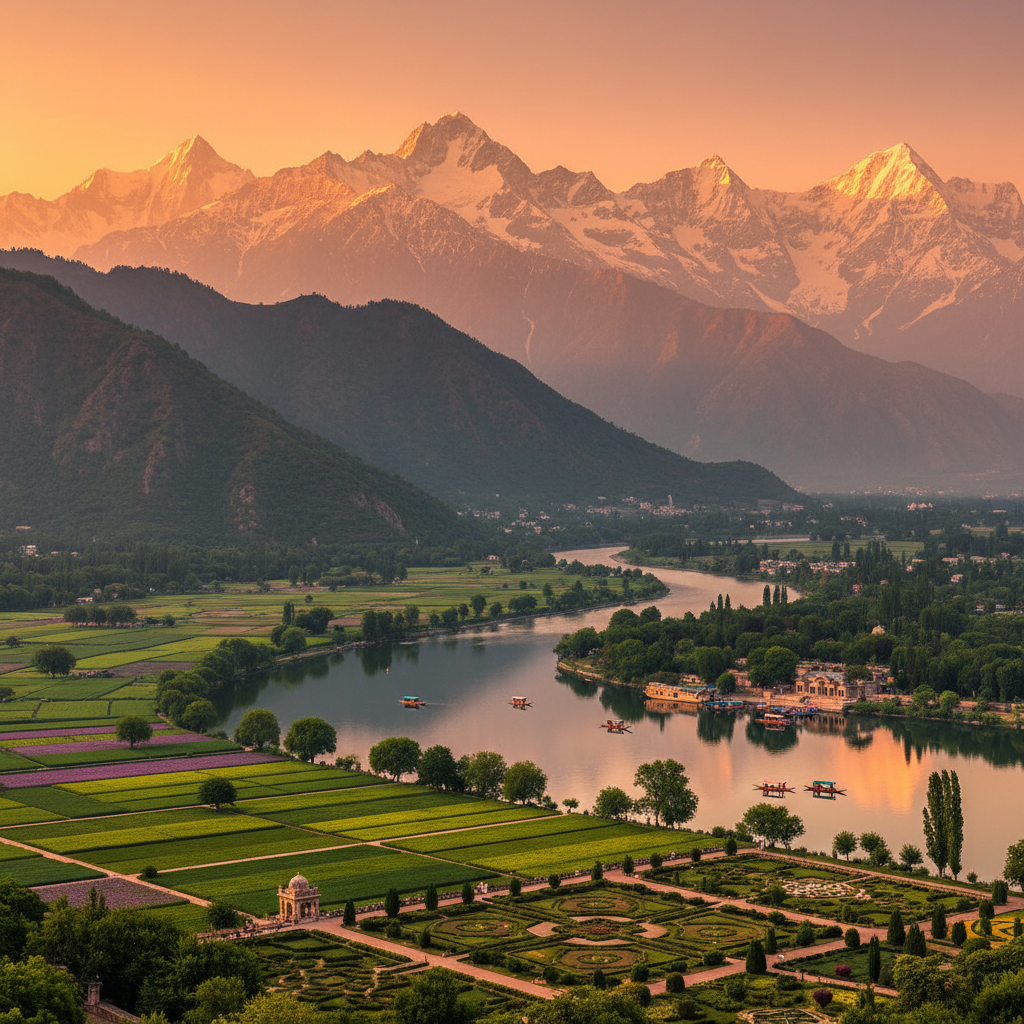
Choosing between Kashmir, often called 'Paradise on Earth,' and Darjeeling, the 'Queen of the Hills,' for your next Himalayan holiday can be a delightful dilemma. Both destinations offer breathtaking natural beauty, unique cultural experiences, and a refreshing escape from city life, yet they cater to different preferences and travel styles. Kashmir, nestled in the Pir Panjal range, is known for its vast, open valleys, serene lakes like Dal and Wular, majestic snow-capped peaks, and Mughal gardens. Its landscape is grand and diverse, shifting from lush green meadows to arid mountains within a few hours' drive. Darjeeling, on the other hand, situated in the lesser Himalayas of West Bengal, is famous for its rolling tea estates, panoramic views of Kangchendzonga, colonial architecture, and the iconic Toy Train. It has a more compact, charming hill station feel. This comparison aims to help you decide by diving deep into what each region offers. Do you seek vast, dramatic landscapes and a deep dive into Kashmiri heritage, or prefer the quaint charm, tea culture, and bustling markets of a historic hill station? Your choice will depend on the kind of experience you are looking for – a tranquil escape amidst grand nature, or a vibrant exploration of a charming mountain town and its surrounding plantations. Mid Holidays, being a Kashmir-based operator, brings a local's perspective to help you understand the nuances of the Valley, while also providing a fair comparison to Darjeeling's distinct allure.
Seasonal Charms: Best Time to Visit Kashmir vs Darjeeling
The optimal time to visit Kashmir and Darjeeling varies significantly, influenced by their distinct geographical locations and climates. Kashmir experiences four distinct seasons, each offering a unique charm. Spring (March to May) is magnificent with blooming flowers, especially the tulip garden, and pleasant weather, making it ideal for sightseeing and shikhara rides. Summer (June to August) is perfect for exploring high-altitude meadows like Gulmarg and Sonamarg, offering lush greenery and comfortable temperatures. Autumn (September to November) transforms the valley into a palette of gold and crimson, a photographer's dream. Winter (December to February) brings heavy snowfall, turning Kashmir into a stunning white wonderland, perfect for snow sports in Gulmarg. For a first-time visitor, spring or autumn often provide the most accessible and visually stunning experiences, with average temperatures ranging from 10°C to 25°C in spring/autumn and -5°C to 10°C in winter. Darjeeling, conversely, has a more temperate climate due to its lower elevation. The best time to visit is generally spring (March to May) and autumn (September to November). During these periods, the weather is clear and pleasant, offering spectacular views of Kangchendzonga and ideal conditions for tea garden visits and the Toy Train ride. Temperatures range from 10°C to 20°C. Monsoon (June to August) brings heavy rainfall, often leading to landslides and obscured views, making it less ideal for tourists. Winters (December to February) are chilly but not as harsh as Kashmir's, with temperatures dropping to 0°C to 10°C. While Kashmir offers extreme seasonal variations, Darjeeling provides a more consistent, mild hill station experience for most of its peak season.
Landscape & Scenery: From Majestic Valleys to Rolling Tea Gardens
The visual appeal of Kashmir and Darjeeling presents a stark contrast. Kashmir boasts expansive, diverse landscapes that feel almost cinematic. Picture vast, verdant meadows like Gulmarg and Pahalgam, framed by towering, snow-capped Himalayan peaks. The jewel of Kashmir, Dal Lake, with its houseboats and shikhara boats, offers a unique aquatic experience set against the Zabarwan Range. The Mughal Gardens, such as Shalimar Bagh and Nishat Bagh, are meticulously manicured and reflect an ancient artistry. Beyond the popular spots, Kashmir offers rugged mountain passes like Zojila and pristine, untouched valleys like Lolab and Gurez, appealing to those who seek raw, majestic nature. The sheer scale and variety – from alpine forests to arid, high-altitude desert-like terrains in areas bordering Ladakh – is breathtaking. Darjeeling, in contrast, offers a more intimate and picturesque beauty. Its landscape is dominated by undulating hills covered in lush green tea plantations, which are a sight to behold, especially during the plucking season. The backdrop of the majestic Kangchendzonga, the third highest mountain in the world, on clear days, is truly awe-inspiring. The town itself is built on a ridge, offering panoramic views. Iconic spots include Tiger Hill for sunrise views over Kangchendzonga, the Batasia Loop with its spiral railway track, and various viewpoints dotting the hillsides. While less dramatic in scale than Kashmir's vast valleys, Darjeeling's charm lies in its harmonious blend of natural beauty, colonial architecture, and the distinctive character of its tea gardens, offering a softer, more verdant aesthetic.
Cultural Immersion & Local Experiences: Kashmiri Warmth vs. Gorkha Charm
The cultural fabric of Kashmir and Darjeeling offers distinct experiences rooted in their history and demographics. In Kashmir, you'll encounter a rich Islamic heritage blended with Sufi traditions, evident in its shrines, mosques, and traditional way of life. The Kashmiri people are known for their hospitality, often inviting visitors for a cup of Kahwa (traditional green tea). Experiencing a houseboat stay on Dal Lake, exploring the bustling local markets (Lal Chowk in Srinagar), learning about Pashmina weaving, or savoring the aromatic Wazwan cuisine are integral parts of a cultural immersion. The rhythm of life is often slower, more contemplative, and deeply connected to nature and centuries-old customs. The local language is Kashmiri, though Hindi and English are widely understood in tourist areas. Darjeeling, on the other hand, boasts a vibrant mix of Nepali (Gorkha), Tibetan, and Bengali cultures. This fusion is reflected in its diverse cuisine, festivals, and architecture. The presence of numerous Buddhist monasteries, like Ghoom Monastery, offers a glimpse into Tibetan Buddhism. The Darjeeling Himalayan Railway (Toy Train), a UNESCO World Heritage site, is not just a ride but a journey through history and local life. Visiting a tea estate and learning about tea processing is a quintessential Darjeeling experience. The town feels more bustling and cosmopolitan compared to Kashmir's serene villages, with a lively Mall Road, diverse food stalls, and a more pronounced colonial influence in its buildings. Nepali is the predominant language, but Bengali, Hindi, and English are commonly spoken, especially among those involved in tourism.
Activities & Attractions: Adventure, Serenity, and Heritage
Both destinations offer a plethora of activities, though tailored to their unique environments. Kashmir, with its diverse terrain, is a paradise for both serene and adventurous pursuits. For tranquility, shikhara rides on Dal Lake, houseboat stays, and leisurely strolls through Mughal Gardens are unmissable. Adventure seekers can indulge in skiing and snowboarding in Gulmarg during winter, trekking in Pahalgam and Sonamarg, white-water rafting on the Lidder River, or pony rides through alpine meadows. Fishing for trout in pristine streams is another popular activity. The pilgrimage to Amarnath Cave (seasonal) adds a spiritual dimension. Key attractions include Srinagar's Dal Lake, Mughal Gardens, Shankaracharya Temple, Gulmarg Gondola, Pahalgam's Betaab Valley, Aru Valley, and Chandanwari, and the Thajiwas Glacier in Sonamarg. Darjeeling offers a different set of attractions, primarily focused on its natural beauty, tea culture, and colonial heritage. The iconic Darjeeling Himalayan Railway 'Toy Train' ride is a must-do, offering nostalgic charm and scenic views. Sunrise views from Tiger Hill over Kangchendzonga are legendary. Exploring the vast tea estates, such as Happy Valley Tea Estate, provides insight into the region's primary industry. Other attractions include the Himalayan Mountaineering Institute, Padmaja Naidu Himalayan Zoological Park, Peace Pagoda, and various Buddhist monasteries. Trekking options are available, though less extensive than Kashmir, such as short hikes to nearby villages or viewpoints. While Kashmir leans more towards grand natural escapades and winter sports, Darjeeling offers charming historical experiences, tea tourism, and panoramic mountain vistas from accessible viewpoints.
Cost & Budgeting: Planning Your Trip to Kashmir or Darjeeling
The overall cost of a trip to Kashmir or Darjeeling can vary widely based on your travel style, duration, and chosen accommodations, but a general comparison can be drawn. Kashmir, especially for a multi-day tour covering Srinagar, Gulmarg, and Pahalgam, might involve slightly higher costs for transportation due to longer distances between major points and the specialized vehicles required for mountain routes. For a standard 5-7 day trip, a mid-range budget for two could be INR 35,000-60,000, excluding flights. This would cover comfortable hotels or houseboats (INR 3,000-7,000 per night), private taxi services (INR 2,500-4,000 per day depending on route), meals (INR 1,500-2,500 per day), and activities like gondola rides (Phase 1 INR 740, Phase 2 INR 950 per person) or shikhara rides (INR 800-1,500 per ride). High season travel will always push prices up. Darjeeling, being a more compact hill station, often allows for slightly more budget-friendly travel, though it also depends on your choices. For a similar 5-7 day trip, a mid-range budget for two might range from INR 30,000-50,000, excluding flights. Accommodation in Darjeeling ranges from budget guesthouses (INR 1,500-3,000) to heritage hotels (INR 5,000-10,000+). Local transport via shared jeeps or smaller taxis is readily available and more economical (INR 100-500 for short trips, INR 1,500-3,000 for a full day sightseeing). Meals can be quite affordable in local eateries (INR 1,000-2,000 per day). Activities like the Toy Train ride (INR 1,000-1,800 for joyrides) and tea garden visits have moderate costs. Ultimately, both can be done on a budget or as a luxury trip, but Darjeeling generally offers more opportunities for cost-saving on local transport and meals due to its layout and public transport options.
Accessibility & Transportation: Reaching Your Himalayan Getaway
Reaching Kashmir and Darjeeling involves different logistical considerations. To get to Kashmir, the primary gateway is Srinagar International Airport (SXR), which is well-connected by direct flights from major Indian cities like Delhi, Mumbai, and Bengaluru. From the airport, pre-booked taxis or Mid Holidays transfers are the most convenient way to reach your hotel or houseboat. The journey from Srinagar to other destinations like Gulmarg (approx. 2-3 hours), Pahalgam (approx. 2.5-3.5 hours), and Sonamarg (approx. 2.5-3.5 hours) is best done by private taxi or tour vehicle. While public buses exist, they are less comfortable and time-consuming for tourists. The roads within Kashmir are generally well-maintained, though some mountain passes can be challenging during heavy snowfall. For Darjeeling, the nearest airport is Bagdogra (IXB) in Siliguri, West Bengal, which also has good connectivity to major Indian cities. From Bagdogra, it's a scenic 3-4 hour drive uphill to Darjeeling, commonly covered by shared jeeps, private taxis, or pre-arranged transfers. The nearest major railway station is New Jalpaiguri (NJP), also in Siliguri, connecting to various parts of India. From NJP, you can take a road vehicle or, for a unique experience, the Darjeeling Himalayan Railway (Toy Train) to Darjeeling (though this is a much slower journey, often taking 7-8 hours). Within Darjeeling town, walking is popular due to the compact nature of the area, and local taxis are readily available for shorter distances or sightseeing tours. While Kashmir relies more on private vehicle hire for inter-town travel, Darjeeling offers a mix of road transport and the iconic Toy Train experience for reaching and moving around the hill station.
Choosing Your Paradise: Kashmir or Darjeeling with Mid Holidays
Ultimately, the choice between Kashmir and Darjeeling boils down to your personal travel aspirations. If you dream of grand, sweeping vistas, serene lakes, dramatic mountains, and a deep dive into rich cultural heritage with opportunities for both relaxation and adventure across vast landscapes, Kashmir is your ideal destination. It offers a profound sense of tranquility and an immersive experience in nature's majesty. Think vast meadows, iconic houseboats, and snow-capped peaks. Mid Holidays, being based in Kashmir, possesses unparalleled local expertise to craft bespoke itineraries, ensuring you experience the best of the Valley, from seamless airport transfers to curated cultural encounters and thrilling adventures. If, however, you prefer the charm of a quaint hill station, rolling tea gardens, colonial-era architecture, a vibrant mix of cultures, and panoramic views of Kangchendzonga from accessible points, Darjeeling will captivate you. It offers a more compact, walkable experience with a focus on tea tourism, the iconic Toy Train, and a lively atmosphere. Both destinations promise unforgettable memories, but their offerings are distinct. Consider what truly calls to your heart – the expansive, serene grandeur of Kashmir or the picturesque, vibrant charm of Darjeeling. Whichever you choose, prepare for a remarkable Himalayan journey. To explore Kashmir's unparalleled beauty and start planning your dream trip, visit kashmir.midholidays.in and let our local experts guide you.
Related Kashmir Guides & Services
<p>Planning the rest of your trip? These Mid Holidays guides pair well with this article:</p><ul><li><a href="/blog/kishtwar-travel-guide-kashmir-hidden-paradise">Kishtwar Travel Guide: Explore Kashmir's Hidden Paradise with Mid Holidays</a></li><li><a href="/blog/kashmir-travel-plan-ultimate-guide">Your Ultimate Kashmir Travel Plan: A 7-Day Itinerary Guide</a></li><li><a href="/blog/yusmarg-day-trip-itinerary">Your Ultimate Yusmarg Day Trip Itinerary from Srinagar</a></li><li><a href="/blog/best-time-to-visit-sonmarg-travel-guide">Best Time to Visit Sonmarg: Your Ultimate Travel Guide by Mid Holidays</a></li><li><a href="/blog/kashmir-jane-ka-sahi-time-kya-hai">Kashmir Jaane Ka Sahi Time Kya Hai: Your Ultimate Seasonal Guide</a></li></ul>
Frequently Asked Questions
Which destination is better for adventure sports, Kashmir or Darjeeling?
Kashmir generally offers a wider range of adventure sports, especially during winter. Gulmarg is renowned globally for skiing and snowboarding, while Pahalgam and Sonamarg provide excellent opportunities for trekking, white-water rafting, and pony rides. Darjeeling has trekking options and some paragliding, but not on the scale or variety found in Kashmir's diverse terrain and higher altitudes.
Which destination is more suitable for a family trip with young children?
Both can be family-friendly, but Darjeeling might be slightly easier with very young children due to its more compact nature and less strenuous sightseeing options. The Toy Train, Himalayan Zoological Park, and accessible viewpoints in Darjeeling are great for kids. Kashmir's vastness and longer travel times between locations might be more challenging, though houseboats and easy access to meadows like Gulmarg and Pahalgam are also popular with families.
How do the local cuisines of Kashmir and Darjeeling differ?
Kashmiri cuisine is famous for its rich, aromatic Wazwan, a multi-course meal primarily featuring meat dishes like Rogan Josh, Yakhni, and Gushtaba, along with vegetarian options and traditional bread. Darjeeling's cuisine is heavily influenced by Nepali, Tibetan, and Bengali flavors, with popular dishes like momos, thukpa, noodles, and various curries. Both offer unique culinary experiences reflective of their cultural heritage.
Is it safe to travel to Kashmir or Darjeeling for solo female travelers?
Both Kashmir and Darjeeling are generally considered safe for solo female travelers, though standard travel precautions should always be observed. In Kashmir, it's advisable to travel with reputable tour operators like Mid Holidays and stick to well-known tourist areas. Darjeeling is a well-established tourist destination and equally safe. Engaging local guides and informing your accommodation about your plans are good practices in both regions.
Which destination offers better opportunities for shopping for local handicrafts?
Kashmir is renowned for its exquisite handicrafts, particularly Pashmina shawls, intricate wooden carvings, papier-mâché products, and saffron. Shopping here offers a glimpse into centuries-old artisanal traditions. Darjeeling also has unique offerings, primarily Darjeeling tea, Tibetan handicrafts, woollen garments, and local souvenirs. Both provide distinct shopping experiences, but Kashmir's range of traditional crafts is arguably wider and more globally recognized.
Which destination is better for a honeymoon trip?
Both Kashmir and Darjeeling are popular honeymoon destinations, but they offer different romantic ambiances. Kashmir, with its serene lakes, shikara rides, houseboat stays, and picturesque meadows, offers a more tranquil and grand romantic setting. Gulmarg, especially in winter, is very popular for honeymooners seeking a snowy escape. Darjeeling, with its charming colonial bungalows, tea gardens, and misty mountain views, provides a quaint, cozy, and slightly more intimate romantic experience. Your preference for grand nature vs. charming hill station will guide your choice.