Kashmir vs Munnar: Your Ultimate Himalayan & Western Ghats Comparison
Kashmir Travel Planning Guide
Planning your next Indian holiday? Dive into our Kashmir vs Munnar comparison, exploring landscapes, experiences, and costs to help you choose your perfect…
Kashmir vs Munnar: A Tale of Two Indian Paradises
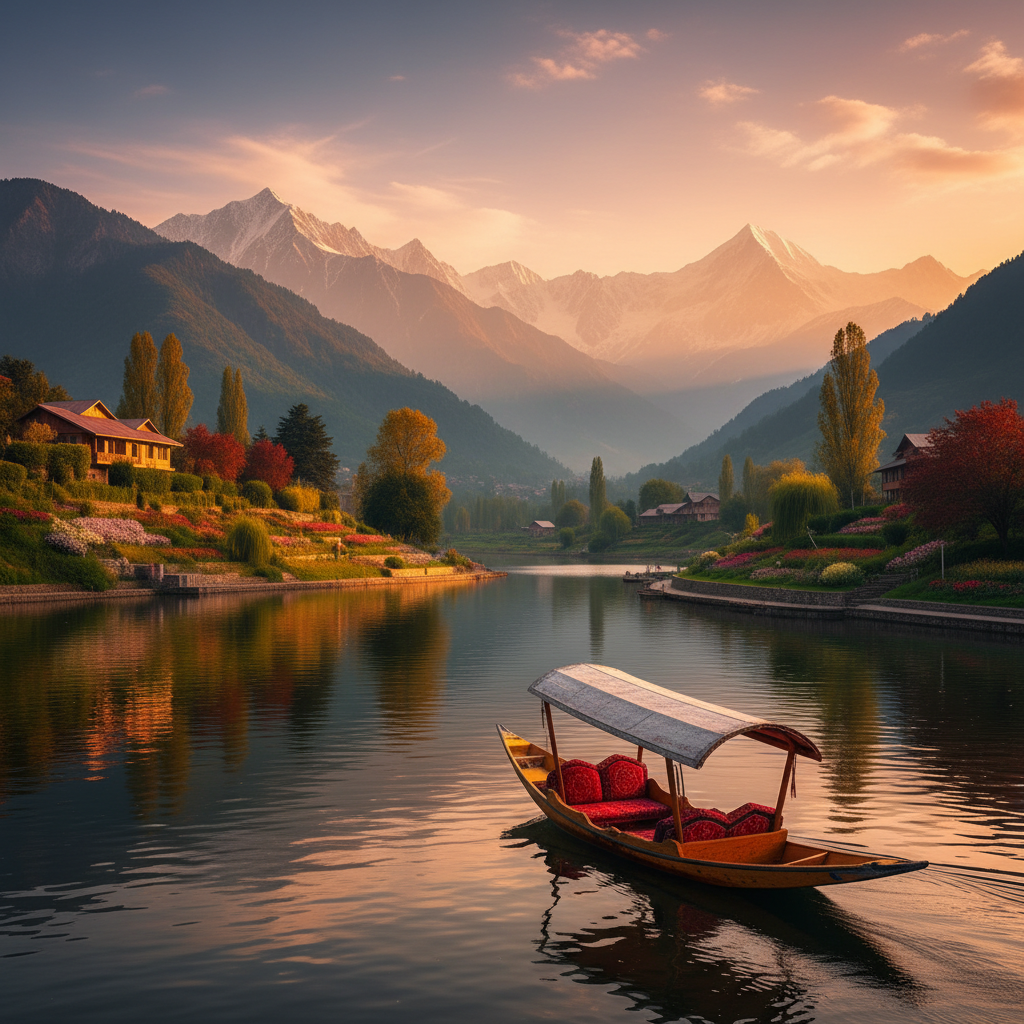
Choosing between Kashmir and Munnar for your next Indian adventure can be quite the dilemma. Both destinations are celebrated for their breathtaking natural beauty, yet they offer vastly different experiences, shaped by their unique geographies and cultures. Kashmir, nestled in the majestic Himalayas, is often called 'Paradise on Earth' with its snow-capped peaks, serene lakes, lush meadows, and vibrant Mughal gardens. It offers a cool, alpine climate for most of the year, perfect for those seeking dramatic landscapes and a touch of adventure. Munnar, on the other hand, is a jewel of the Western Ghats in Kerala, renowned for its rolling tea plantations, mist-covered hills, and abundant biodiversity. Its tropical highland climate provides a refreshing escape from the plains, inviting visitors to a more tranquil, green embrace. This comparison aims to help you navigate these differences, providing insights into what each destination offers, allowing you to pick the perfect backdrop for your dream holiday.
Landscape and Climate: From Alpine Peaks to Emerald Tea Estates
The most striking difference between Kashmir and Munnar lies in their landscapes and climates. Kashmir's scenery is dominated by the formidable Himalayan range. Here, you'll witness dramatic vistas of snow-clad mountains, glacial rivers like the Jhelum, and vast, open valleys such as Gulmarg and Pahalgam. The iconic Dal Lake in Srinagar, with its houseboats and shikaras, adds to the serene charm. Summers are pleasantly warm (around 20-30°C), while winters bring heavy snowfall, transforming the region into a white wonderland, with temperatures often dropping below freezing. This makes Kashmir a year-round destination, each season offering a distinct appeal. Munnar, in stark contrast, presents a verdant panorama of meticulously manicured tea estates sprawling across undulating hills. The elevation here is lower than Kashmir, but high enough to ensure a cool, pleasant climate throughout the year, typically ranging from 15-25°C. You'll find dense shola forests, numerous waterfalls, and exotic flora and fauna. The air is often crisp and fragrant with tea leaves. While Munnar doesn't experience snow, its monsoon season (June to September) drenches the landscape in deep greens, making it exceptionally lush and inviting for a different kind of beauty. The mist that often envelops the hills adds to its ethereal charm, making it a photographer's delight.
Travel Experience: Adventure vs. Tranquil Retreat
The type of travel experience you seek will heavily influence your choice. Kashmir caters to those looking for a blend of adventure, cultural immersion, and scenic grandeur. Activities here range from tranquil shikara rides on Dal Lake, exploring Mughal gardens like Shalimar and Nishat, to more adventurous pursuits like trekking in Pahalgam, skiing in Gulmarg (during winter), and white-water rafting on the Lidder River. The local culture, with its rich Sufi traditions, intricate handicrafts like Pashmina and Papier-mâché, and the unique Kashmiri cuisine (Wazwan), offers a deep dive into heritage. Road conditions can be challenging, especially to higher altitudes or in winter, but the rewards are immense. Munnar, conversely, is ideal for a more laid-back, tranquil retreat amidst nature. The primary activities revolve around appreciating the tea estates, perhaps visiting a tea museum or factory to learn about tea processing, and enjoying leisurely walks or gentle treks through the hills. Ecotourism is popular, with opportunities for bird watching, exploring national parks like Eravikulam (home to the endangered Nilgiri Tahr), and visiting waterfalls like Attukad. While adventure activities are present, such as mountain biking or rock climbing, they are less dominant than in Kashmir. Munnar offers a peaceful escape, perfect for honeymooners or families looking to unwind amidst natural beauty.
Best Time to Visit and Typical Itinerary Length
For Kashmir, the ideal time largely depends on your preference. Spring (March-May) offers blooming gardens and pleasant weather, perfect for sightseeing. Summer (June-August) is excellent for trekking and escaping the heat of the plains. Autumn (September-November) provides stunning golden landscapes. Winter (December-February) is for snow lovers, offering skiing and unparalleled white vistas. A typical itinerary for Kashmir often spans 5-7 days to cover Srinagar, Gulmarg, and Pahalgam, with possible additions like Sonamarg or Yusmarg. A longer trip of 8-10 days allows for deeper exploration and more relaxed pacing. Munnar enjoys pleasant weather almost year-round. The post-monsoon and winter months (September-March) are considered the best, with cool, clear weather perfect for sightseeing and outdoor activities. Monsoon (June-August) is beautiful in its own right, with lush greenery and fewer crowds, but rain can disrupt plans. Summers (April-May) are warm but still bearable compared to other parts of India. A 3-4 day trip is usually sufficient to experience the main attractions of Munnar, including tea gardens, viewpoints, and some nature walks. If you wish to explore nearby destinations in Kerala, you might extend your trip to 5-7 days.
Cost Comparison: Budgeting for Your Dream Holiday
When it comes to costs, both destinations can be tailored to various budgets, but there are general trends. Kashmir, especially with flights, tends to be slightly more expensive overall. Flights to Srinagar from major Indian cities can range from INR 7,000-15,000 per person return, depending on the season and booking time. Accommodation in Srinagar (houseboats or hotels) can start from INR 2,500-5,000 per night for mid-range options, going up significantly for luxury. Transport within Kashmir, often involving private cabs for inter-city travel (e.g., Srinagar-Gulmarg-Pahalgam circuit can cost INR 8,000-12,000 for a multi-day tour), adds up. Activities like gondola rides, shikara rides, and local guides also have costs. A 6-day mid-range trip to Kashmir for two could easily be in the range of INR 50,000-80,000, excluding flights. Munnar, being more accessible by road from Cochin or Coimbatore, might offer more budget-friendly travel options. Flights to Cochin typically range from INR 5,000-10,000 per person return. Accommodation, including charming homestays and mid-range resorts, can be found from INR 2,000-4,000 per night. Local transport, usually via local taxis or rented cars, is generally less expensive than in Kashmir. Activities like tea garden visits or park entries are relatively modest. A 4-day mid-range trip to Munnar for two might cost INR 30,000-50,000, excluding flights. Food costs are comparable in both, with local eateries offering delicious and affordable meals.
Local Cuisine and Cultural Experiences
The culinary journey and cultural immersion are distinct in both regions. In Kashmir, prepare for the rich, aromatic flavors of Wazwan, a multi-course meal often reserved for special occasions, featuring dishes like Rogan Josh, Gushtaba, and Rista. Street food includes kebabs, Nadir Monj (lotus stem fritters), and the famous Kashmiri bread, Tsot. The local culture is a beautiful blend of Kashmiri and Sufi influences, evident in its music, art, and hospitality. Interactions with locals, especially during houseboat stays or village visits, offer a glimpse into their unique way of life, often centered around hospitality and resilience. The local handicrafts, from intricate wood carvings to exquisite carpets, are a testament to their artistic heritage. Munnar, on the other hand, delights with the tastes of Kerala. Expect a prevalence of coconut-based curries, fresh seafood, and an abundance of spices. Traditional sadhya meals served on banana leaves are a must-try, offering a variety of vegetarian dishes. Filter coffee and of course, a wide range of teas, are ubiquitous. The culture here is distinctly South Indian, with a focus on serene village life, traditional dance forms like Kathakali, and Ayurvedic wellness practices. Visiting a local spice plantation or engaging with tea pluckers provides insight into the region's agricultural backbone. Both regions offer unique cultural tapestries that enrich the travel experience significantly.
Practicalities: Connectivity, Safety, and Travel Tips
Connectivity to Kashmir is primarily via Srinagar International Airport (SXR), with direct flights from major Indian cities. Road connectivity from Jammu involves a scenic but sometimes challenging journey. Within Kashmir, hire private cabs are the most convenient for inter-city travel, though shared taxis are available for budget travelers. It's always advisable to check the current security situation before planning a trip, though tourism has been robust and peaceful for years. Essential tips include carrying valid ID, booking accommodation and transport in advance, and being mindful of local customs. Munnar is well-connected by road from major cities like Kochi (approximately 3.5-4 hours drive) and Coimbatore (approximately 5-6 hours drive). The nearest airport is Cochin International Airport (COK). Buses and private taxis are readily available for travel to and within Munnar. The region is generally considered very safe for tourists. Tips for Munnar include carrying appropriate rain gear during monsoon, being prepared for winding hill roads, and booking resorts especially during peak season. Both destinations require comfortable walking shoes, as much of the exploration involves being on foot. Regardless of your choice, respecting local traditions and the environment will ensure a pleasant and rewarding journey. For a seamless Kashmir trip, consider exploring Mid Holidays' curated packages.
Related Kashmir Guides & Services
<p>Planning the rest of your trip? These Mid Holidays guides pair well with this article:</p><ul><li><a href="/blog/kashmir-trip-package-from-mumbai-pune">Trip to Kashmir Package from Mumbai & Pune: Your Dream Holiday Awaits</a></li><li><a href="/blog/kashmir-vs-switzerland-comparison">Kashmir vs Switzerland: A Local's Take on Himalayan & Alpine Beauty</a></li><li><a href="/blog/yusmarg-day-trip-itinerary">Your Ultimate Yusmarg Day Trip Itinerary from Srinagar</a></li><li><a href="/blog/kashmir-tour-with-sonamarg-adventure">Kashmir Tour with Sonamarg: Your Ultimate Guide to Alpine Wonders</a></li><li><a href="/blog/kashmir-package-from-goa">Kashmir Package from Goa: Your Ultimate Himalayan Escape</a></li></ul>
Frequently Asked Questions
Which destination is better for a family trip: Kashmir or Munnar?
Both Kashmir and Munnar are excellent for family trips, offering different appeals. Kashmir, with its varied landscapes, offers activities like shikara rides, pony treks in Gulmarg/Pahalgam, and snow activities in winter, which can be thrilling for older children and adults. Munnar is more relaxed, with tea garden visits, gentle nature walks, and wildlife spotting at Eravikulam National Park, making it suitable for families with younger children or those seeking a calmer pace. Your family's interest in adventure vs. tranquility will guide the choice.
Is Kashmir a good destination for a honeymoon compared to Munnar?
Kashmir is often dubbed 'Paradise on Earth' and is a classic choice for honeymoons, especially during spring blooms or winter snow. The romantic shikara rides, serene houseboat stays, and picturesque alpine scenery create an unforgettable backdrop. Munnar offers a more intimate, secluded honeymoon experience amidst emerald tea gardens and mist-covered hills, perfect for couples seeking quiet romantic moments and natural beauty. Both offer unique romantic charm; it depends on whether you prefer dramatic mountains or serene plantations.
Which destination, Kashmir or Munnar, offers more adventure activities?
Kashmir generally offers a broader range of adventure activities, particularly during specific seasons. In winter, Gulmarg is a prime destination for skiing and snowboarding. Throughout the warmer months, you can enjoy trekking in places like Pahalgam, white-water rafting on the Lidder River, pony rides, and even paragliding in some areas. Munnar offers nature-based adventures such as trekking, mountain biking, and rock climbing, but they are typically less intense and fewer in variety compared to Kashmir's offerings.
What are the food differences between Kashmir and Munnar?
The cuisines are vastly different, reflecting their regional influences. Kashmiri cuisine is known for its rich, meat-heavy Wazwan, featuring dishes like Rogan Josh, Yakhni, and Dum Aloo, along with unique breads and Kahwa tea. Munnar, being in Kerala, offers South Indian cuisine with a strong emphasis on coconut, rice, and spices. Expect delicious vegetarian curries, fresh seafood, appam, puttu, and the traditional sadhya meal. Both offer unique culinary journeys worth exploring.
Which place is easier to reach: Kashmir or Munnar?
Munnar is generally easier to reach for most Indian travelers, especially those from the southern and central parts. It's well-connected by road from major cities like Kochi and Coimbatore, both of which have international airports. Kashmir requires flying into Srinagar (SXR), which has direct flights from several Indian metros. While road travel within Kashmir is scenic, it can be longer and more challenging due to terrain and weather conditions. Your starting location in India also plays a role in overall travel convenience.
How do the cultural experiences in Kashmir and Munnar differ?
Kashmir offers a rich cultural experience rooted in Sufi traditions and Mughal heritage, visible in its handicrafts, architecture, and the warm hospitality of its people. You can experience houseboat living, explore ancient gardens, and witness traditional customs. Munnar, a part of Kerala, showcases South Indian culture with its tea plantation history, Ayurvedic practices, traditional dance forms like Kathakali, and serene temple architecture. Both regions provide authentic and enriching cultural insights, just from different parts of India's diverse tapestry.