Kashmir & Ladakh Tour Packages for International Travelers
International Travel Guide
Explore bespoke Kashmir & Ladakh tour packages designed for international travelers. Discover unique cultural insights, practical tips, and seamless travel…
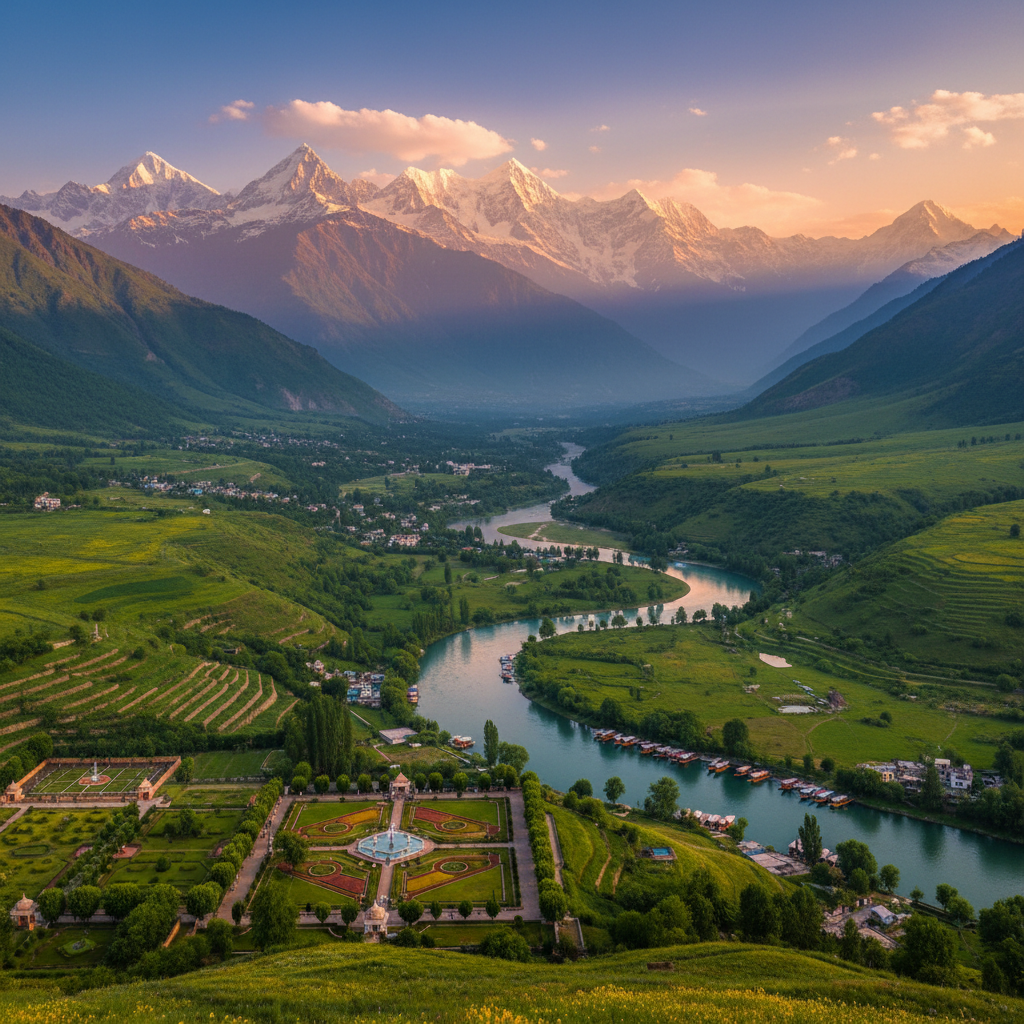
Embarking on Your Kashmir and Ladakh Adventure: A Welcome for International Guests
Welcome to the enchanting lands of Kashmir and Ladakh, truly a paradise on Earth. For our international guests, planning a trip to these majestic regions can feel like a grand adventure even before you arrive. At Mid Holidays, we understand that you're seeking not just a vacation, but an immersive cultural experience, breathtaking landscapes, and seamless travel logistics. This guide is crafted specifically for you, providing insights into navigating everything from visa requirements to local customs, ensuring your journey is as smooth and enriching as possible. We’ll delve into the unique charm of both Kashmir's verdant valleys and Ladakh's high-altitude desert, offering a blend of serene beauty and thrilling experiences. Forget the usual tourist traps; we focus on genuine interactions and authentic discoveries that will leave you with lasting memories. Consider this your personal roadmap to unlocking the magic of the Himalayas, tailored with your comfort and curiosity in mind. Our aim is to make your trip planning effortless, allowing you to focus on the excitement of exploring two of India's most stunning and culturally rich regions.
Visa, Permits, and Essential Documents for Foreign Visitors
Navigating entry requirements is the first crucial step for any international traveler. Most foreign nationals require a valid Indian e-Visa or regular visa to enter India. We highly recommend applying for your e-Visa online well in advance of your travel dates, typically 4-6 weeks prior, to avoid any last-minute complications. Ensure your passport has at least six months validity beyond your intended stay and at least two blank pages. For Kashmir, no special permits are typically required for general tourism, but for Ladakh, certain areas, especially those close to borders or protected wildlife zones like Pangong Tso and Nubra Valley, require an Inner Line Permit (ILP) for foreigners. While Indian nationals can obtain this online, international travelers generally need to acquire it through a registered travel agent or upon arrival in Leh with proper documentation. Mid Holidays can assist with securing your ILP as part of your tour package. Always carry multiple photocopies of your passport, visa, and ILP, along with a few passport-sized photographs, as these may be required at various checkpoints. It's also wise to have digital copies stored securely on your phone or cloud storage.
Best Time to Visit: Tailoring Your Trip to the Seasons
Choosing the right time to visit Kashmir and Ladakh largely depends on what kind of experience you're seeking. For Kashmir, the spring months of March to May offer vibrant tulip gardens and blooming mustard fields, while summer (June to August) brings lush green valleys and pleasant weather, ideal for houseboating on Dal Lake and exploring Mughal Gardens. Autumn (September to November) transforms the landscape into a canvas of golden chinar leaves, offering stunning photographic opportunities. Winter (December to February) blankets Kashmir in snow, perfect for skiing in Gulmarg and experiencing a serene, white wonderland. Ladakh, with its high-altitude desert climate, is best visited between May and October. During these months, the passes are open, the weather is milder, and festivals are often celebrated. July and August are peak tourist seasons, offering clear skies but also more crowds. Shoulder seasons like May-June and September-October provide pleasant weather with fewer visitors. We recommend aligning your travel dates with your preferred activities – be it trekking, cultural festivals, or simply enjoying the unparalleled natural beauty. Keep in mind that road conditions can be unpredictable during extreme weather, especially in winter for Kashmir and during early spring/late autumn for Ladakh passes.
Designing Your International Kashmir & Ladakh Itinerary: A Sample Journey
A well-crafted itinerary ensures you make the most of your international trip. Here's a sample 10-day itinerary that balances cultural immersion with natural exploration: Days 1-3: Srinagar, Kashmir. Arrive at Srinagar International Airport (SXR). Settle into a traditional houseboat on Dal Lake. Enjoy a shikara ride, explore the Mughal Gardens (Shalimar Bagh, Nishat Bagh), and wander through the old city's vibrant markets. Day trips can include Gulmarg for gondola rides and panoramic views. Days 4-5: Pahalgam, Kashmir. Drive to Pahalgam, the 'Valley of Shepherds' (approx. 2.5-3 hours). Explore Betaab Valley, Aru Valley, and Chandanwari. Enjoy gentle walks or pony rides. Days 6-7: Journey to Leh, Ladakh. This is a travel day. You can either fly directly from Srinagar to Leh (Leh Kushok Bakula Rimpochee Airport - IXL) or take the scenic Srinagar-Leh highway (approx. 2 days with an overnight stop, only open May-October). Upon arrival in Leh, take a day to acclimatize to the high altitude. Visit Leh Palace and Shanti Stupa. Days 8-9: Nubra Valley & Pangong Tso, Ladakh. Drive to Nubra Valley via Khardung La Pass (approx. 5-6 hours). Enjoy a double-humped camel ride in Hunder. Stay overnight in Nubra. The next day, drive to Pangong Tso Lake (approx. 5-6 hours), marvel at its changing colors, and return to Leh. Day 10: Departure from Leh. Fly out from Leh. This itinerary is a starting point, and Mid Holidays can customize it to your interests, fitness levels, and time constraints, ensuring a unique and memorable experience.
Accommodation, Cuisine, and Cultural Etiquette for Foreign Guests
Kashmir and Ladakh offer a range of accommodation options, from luxury hotels and charming guesthouses to traditional houseboats in Srinagar and quaint homestays in remote Ladakhi villages. We prioritize clean, comfortable, and well-located stays that offer authentic local experiences. Kashmiri cuisine, notably the 'Wazwan,' is a multi-course feast featuring rich meat dishes, while Ladakhi food offers hearty options like Thukpa (noodle soup), Momos (dumplings), and local bread. Always try to sample local delicacies; it's a significant part of the cultural experience. For cultural etiquette, dressing modestly is advised, especially when visiting religious sites. Remove your shoes before entering mosques or monasteries. Always ask for permission before taking photos of people, particularly women. A warm 'Assalamu Alaikum' (Kashmir) or 'Julley' (Ladakh) are friendly greetings that will be appreciated. Avoid public displays of affection. Remember that Kashmir is predominantly Muslim, and Ladakh is predominantly Buddhist, each with unique customs. Showing respect for local traditions and asking questions when unsure will greatly enhance your interactions and understanding of these vibrant cultures. Locals are generally very welcoming and hospitable towards foreign visitors.
Health, Safety, and Practical Tips for International Travelers
Your well-being is paramount. For Kashmir, general safety precautions apply, similar to any major tourist destination. It is advisable to avoid venturing out alone late at night in unfamiliar areas and to keep an eye on your belongings. When traveling to Ladakh, high-altitude sickness (Acute Mountain Sickness or AMS) is a genuine concern. Acclimatize properly, hydrate extensively, and avoid strenuous activity on your first day or two. Consult your doctor about AMS medication before your trip. Always drink bottled water or use a water filter. Carry a basic first-aid kit with any personal medications. Travel insurance is highly recommended for medical emergencies, trip cancellations, and baggage loss. Connectivity can be an issue; consider purchasing a local prepaid SIM card (requires passport and visa copy) as some international roaming services might not work. Keep small denominations of Indian Rupees (INR) handy for local purchases and tips. While English is spoken in tourist areas, learning a few basic phrases in Kashmiri or Ladakhi can be quite endearing and helpful. Mid Holidays provides 24/7 on-ground support to ensure your safety and address any concerns throughout your journey.
Currency, Connectivity, and Sustainable Tourism Practices
The official currency is the Indian Rupee (INR). Major cities like Srinagar and Leh have ATMs, but it's wise to carry sufficient cash, especially when visiting remote areas. Currency exchange facilities are available at international airports and in larger towns. Credit and debit cards are accepted in many hotels and larger establishments, but smaller shops and street vendors prefer cash. Internet connectivity is generally good in Srinagar and Leh, with Wi-Fi available in most hotels. However, coverage can be patchy or non-existent in more remote parts of both regions, especially in Ladakh. Consider buying a local prepaid SIM card (Airtel, Jio, or Vodafone are common providers) upon arrival, as your international SIM might not work in all areas due to local restrictions. When traveling, embrace sustainable tourism. Minimize your environmental impact by avoiding plastic waste, respecting local flora and fauna, and supporting local businesses directly. Engage respectfully with local communities, contributing positively to their economy and cultural preservation. Mid Holidays is committed to promoting responsible tourism, ensuring that your visit benefits the local communities and preserves the pristine beauty of these regions for future generations.
Why Choose Mid Holidays for Your International Kashmir & Ladakh Journey?
As a licensed Kashmir-based tour operator, Mid Holidays has an intimate understanding of the nuances of travel in these unique regions. We specialize in crafting bespoke Kashmir and Ladakh tour packages for international travelers, taking care of every detail from the moment you land. Our local expertise means we know the best routes, the most authentic experiences, and reliable local partners, ensuring your trip is not just a vacation but a truly immersive cultural exploration. We handle all logistics, including Inner Line Permits for Ladakh, comfortable transport, curated accommodation, and experienced local guides who can share genuine insights into the history, traditions, and daily life of Kashmir and Ladakh. Our 24/7 support ensures peace of mind, allowing you to relax and soak in the beauty around you. By choosing Mid Holidays, you're opting for a seamless, safe, and truly unforgettable journey, designed with the discerning international traveler in mind. Let us turn your dream of exploring the Himalayas into a vibrant reality. Visit our website to explore our range of Kashmir & Ladakh tour packages tailored specifically for international visitors, or contact us to customize an itinerary that perfectly matches your preferences.
Related Kashmir Guides & Services
<p>Planning the rest of your trip? These Mid Holidays guides pair well with this article:</p><ul><li><a href="/blog/zanskar-valley-travel-guide">Zanskar Valley Travel Guide: A Journey to Ladakh's Remote Heart</a></li><li><a href="/blog/leh-ladakh-best-time-to-visit-month-wise">Leh Ladakh Best Time to Visit Month-Wise: Your Ultimate Guide</a></li><li><a href="/blog/kashmir-solo-trip-women">Kashmir Solo Trip for Women: A Safe & Empowering Journey with Mid Holidays</a></li><li><a href="/blog/kishtwar-travel-guide-kashmir-hidden-paradise">Kishtwar Travel Guide: Explore Kashmir's Hidden Paradise with Mid Holidays</a></li><li><a href="/blog/best-time-to-visit-bangus-valley-kashmir">Best Time to Visit Bangus Valley: Your Ultimate Guide to Kashmir's Hidden Gem</a></li></ul>
Frequently Asked Questions
Are Kashmir and Ladakh safe for international tourists?
Yes, both Kashmir and Ladakh are generally safe for international tourists. While Kashmir has seen past political instability, the current situation is stable, and tourist areas are secure. Ladakh has always been a peaceful region. It is always wise to follow local advice, adhere to cultural norms, and stay informed through reliable sources. Mid Holidays prioritizes traveler safety with experienced guides and 24/7 support.
What is the primary difference between visiting Kashmir and Ladakh?
Kashmir is known as 'Paradise on Earth' with its lush green valleys, serene lakes, and Mughal gardens, representing a predominantly Muslim culture with rich Kashmiri traditions. Ladakh, on the other hand, is a high-altitude cold desert, famous for its barren mountains, stark landscapes, ancient Buddhist monasteries, and a strong Tibetan Buddhist cultural influence. They offer distinctly different natural beauty and cultural experiences.
Can I use my international driving license to rent a car in Kashmir or Ladakh?
While an international driving permit (IDP) is generally accepted in India, self-driving is not commonly recommended for international tourists in Kashmir or Ladakh. The terrain can be challenging, especially in Ladakh, and local traffic rules might differ from what you are used to. Hiring a local vehicle with an experienced driver is highly recommended for safety and convenience, which Mid Holidays can arrange.
What kind of local SIM card should I get for my trip, and will it work everywhere?
For international tourists, purchasing a local prepaid SIM card from providers like Airtel, Jio, or Vodafone is advisable. You'll need your passport, visa copy, and a passport-sized photograph. While connectivity is generally good in major towns like Srinagar and Leh, it can be sporadic or unavailable in remote areas of both regions, especially in Ladakh's high-altitude valleys. BSNL also offers coverage in some very remote Ladakhi areas.
Is it easy to find vegetarian or vegan food options in Kashmir and Ladakh?
Yes, finding vegetarian food is generally easy in both Kashmir and Ladakh, as a significant portion of the Indian population is vegetarian. Many restaurants offer vegetarian dishes. For vegan options, it might require a bit more communication, but local cuisines often feature plenty of plant-based ingredients. Informing your tour operator or hotel in advance can help ensure your dietary needs are met.
What is the best way to handle money and currency exchange as an international traveler?
The Indian Rupee (INR) is the local currency. You can exchange currency at major international airports or authorized money changers in Srinagar and Leh. ATMs are available in larger towns, but carrying some cash is essential for smaller purchases, especially in rural areas. It's advisable to inform your bank about your travel plans to avoid any issues with your credit or debit cards abroad.
Should I be concerned about altitude sickness when visiting Ladakh, and how can I prevent it?
Yes, altitude sickness (AMS) is a significant concern in Ladakh due to its high elevation. To prevent it, acclimatize properly: spend your first day in Leh resting and hydrating. Avoid strenuous activities, alcohol, and smoking. Drink plenty of water and herbal teas. Consult your doctor about preventive medication like Diamox before your trip. Descending to a lower altitude is the best remedy if symptoms worsen.