Best India Circuit for First-Time International Visitors: A Mid Holidays Guide
First-Time India Travel Guide
Planning your first trip to India? Discover the best India circuit for first-time international visitors, covering iconic Golden Triangle destinations and…
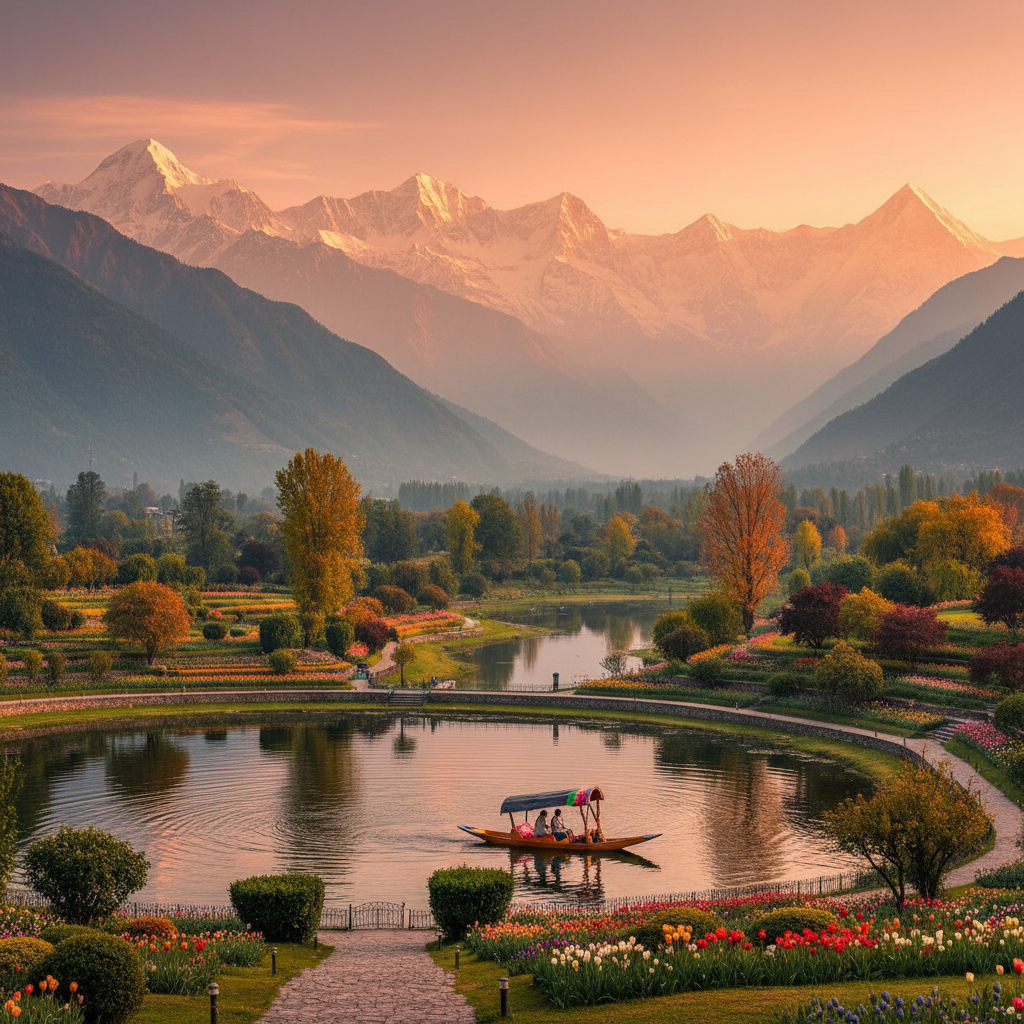
Embarking on Your First India Adventure: Where to Begin?
For first-time international visitors to India, the sheer vastness and diversity of the country can be both exhilarating and a little overwhelming. India is not just a destination; it's an experience that awakens all your senses. To truly appreciate its rich tapestry of culture, history, and natural beauty without feeling rushed or lost, choosing the right circuit is crucial. Many gravitate towards the classic Golden Triangle – Delhi, Agra, and Jaipur – for its iconic landmarks and cultural immersion. However, to elevate this experience and introduce a touch of serene natural beauty and a different cultural flavour, Mid Holidays recommends extending this circuit to include the breathtaking landscapes and unique hospitality of Kashmir. This combination offers a balanced introduction, blending historical grandeur with tranquil mountain vistas, making it the best India circuit for first-time international visitors seeking both adventure and peace. It provides a comprehensive yet manageable itinerary that showcases India's vibrant heart and its stunning northern jewel, ensuring an unforgettable journey that leaves you yearning for more.
The Golden Triangle & Kashmir Circuit: A Perfect Blend
Our recommended 'Golden Triangle with Kashmir' circuit is meticulously designed for those new to India, offering a blend of cultural immersion, historical exploration, and natural beauty. This itinerary typically spans around 10 to 12 days, allowing for a comfortable pace at each destination without feeling rushed. You'll begin your journey in the bustling capital of Delhi, exploring its ancient monuments and modern marvels. From there, you'll travel to Agra to witness the timeless beauty of the Taj Mahal, followed by the vibrant Pink City of Jaipur with its magnificent forts and palaces. After soaking in the historical grandeur of Rajasthan, your adventure takes a dramatic turn northwards to the serene valleys of Kashmir. Here, you'll experience a completely different side of India – floating houseboats on Dal Lake, snow-capped peaks, lush meadows, and a unique Kashmiri culture. This circuit balances the vibrant energy of North Indian cities with the peaceful, refreshing ambiance of the Himalayas, ensuring a varied and enriching travel experience that highlights the best of both worlds. It provides a comprehensive introduction to India's diverse offerings, from Mughal architecture to Himalayan landscapes, all within a well-structured and enjoyable framework.
Optimal Timing for Your Indian Sojourn
Choosing the right time to visit is paramount for a comfortable and enjoyable first-time India trip, especially when combining the Golden Triangle with Kashmir. The ideal window spans from late September to November and again from March to early May. During these months, the weather in the Golden Triangle region (Delhi, Agra, Jaipur) is generally pleasant, with moderate temperatures that are conducive for sightseeing and outdoor activities. The scorching summer heat (May to August) and heavy monsoon rains (July to September) are best avoided in this region. For Kashmir, these periods also offer some of the most picturesque conditions. Late September and October in Kashmir showcase stunning autumn colours, with crisp air and clear skies, perfect for shikara rides and mountain excursions. March to early May welcomes spring, with blooming gardens and pleasant temperatures, making it ideal for exploring Srinagar and its surrounding meadows like Gulmarg and Pahalgam. Visiting outside these times might mean contending with extreme weather, either intense heat or cold, or heavy rainfall, which could impact your overall experience and accessibility to certain areas. Planning within these optimal seasons ensures you get to enjoy the beauty of both regions at their best.
Navigating India: Transport and Internal Travel
Seamless transport is key to enjoying your India circuit. For the Golden Triangle leg, a combination of comfortable private car with a dedicated driver is highly recommended. This offers flexibility, convenience, and a hassle-free experience, allowing you to stop at leisure and avoid the complexities of public transport schedules. The roads connecting Delhi, Agra, and Jaipur are generally well-maintained highways. For instance, the drive from Delhi to Agra takes approximately 3-4 hours, and Agra to Jaipur around 4-5 hours, depending on traffic. Between Jaipur and Delhi, it's roughly a 4-5 hour journey. To reach Kashmir, flying is the most efficient and comfortable option. There are direct flights from Delhi to Srinagar (SXR), typically taking around 1 hour 20 minutes to 1 hour 45 minutes. Upon arrival in Srinagar, our local Mid Holidays team will arrange for private transport for all your sightseeing and inter-city travel within Kashmir, ensuring you have a reliable and knowledgeable driver. We strongly advise against self-driving for first-time international visitors due to differing traffic rules, road conditions, and navigation challenges. Relying on pre-arranged, reputable transport services provides peace of mind and allows you to fully immerse yourself in the journey without added stress.
Budgeting Your India & Kashmir Experience: A Cost Breakdown
The cost of your 'Golden Triangle with Kashmir' circuit can vary significantly based on your travel style, accommodation choices, and activities. For a comfortable mid-range experience, a 10-12 day trip for two people, excluding international flights, could range from INR 1,50,000 to INR 2,50,000. This estimate generally includes 3-4 star hotel accommodations, private air-conditioned car with driver for the Golden Triangle, domestic flights from Delhi to Srinagar and back, all transfers and sightseeing in Kashmir with a dedicated vehicle, entry fees to major monuments, and some guided tours. Accommodation: Expect to pay INR 6,000-12,000 per night for a good quality hotel in cities, and INR 8,000-15,000 for a houseboat stay in Srinagar. Transport: Private car hire for the Golden Triangle can be INR 3,000-5,000 per day including fuel and driver. Domestic flights between Delhi and Srinagar are typically INR 6,000-10,000 per person, round trip. Food: Daily food expenses can range from INR 1,500-3,000 per person, depending on whether you opt for local eateries or fine dining. Miscellaneous: Budget around INR 500-1000 per person per day for entry fees, small purchases, and tips. These are approximate ranges and can fluctuate. Opting for luxury stays or more extensive guided tours will naturally increase the budget, while budget-conscious travellers can find ways to reduce costs by choosing simpler accommodations and local eateries. Mid Holidays can help customize packages to fit various budget requirements, ensuring transparency in all costs.
Accommodation and Culinary Delights
Across your Golden Triangle and Kashmir journey, you'll encounter a diverse range of accommodation and culinary experiences. In Delhi, Agra, and Jaipur, you'll find a wide selection of hotels, from international luxury chains to charming boutique properties and heritage hotels that offer a glimpse into India's regal past. Staying in a heritage hotel in Jaipur, for example, provides an authentic experience beyond just a place to sleep. In Kashmir, particularly Srinagar, a unique highlight is staying on a traditional houseboat on Dal Lake or Nigeen Lake. These ornate, wooden vessels offer a tranquil and immersive experience, often including delicious Kashmiri meals prepared by the houseboat staff. You can also find modern hotels in Srinagar and resort options in Gulmarg and Pahalgam. When it comes to food, prepare for a gastronomic adventure! North Indian cuisine in Delhi, Agra, and Jaipur is renowned for its rich curries, tandoori breads, and delectable sweets. Don't miss trying local specialties like butter chicken, biryani, and various chaats. In Kashmir, the cuisine is distinctly different, featuring fragrant Wazwan dishes like Rogan Josh, Gushtaba, and Yakhni, often accompanied by local breads and fragrant rice. Be adventurous and try street food from reputable vendors, but always ensure hygiene standards. Most hotels and houseboats will offer both local and international cuisine to cater to diverse palates. Remember to specify any dietary restrictions in advance.
Packing Essentials and Cultural Sensitivity
Packing smart is crucial for a multi-region trip like the Golden Triangle and Kashmir. Given the varied climates and cultural norms, layered clothing is your best friend. For the Golden Triangle, lightweight, breathable fabrics like cotton or linen are ideal, especially during the warmer months. Modest clothing that covers shoulders and knees is recommended, particularly when visiting religious sites. Comfortable walking shoes are a must for exploring forts and temples. For Kashmir, even in pleasant seasons, evenings can be cool, so pack a light jacket, sweaters, and perhaps a warm scarf. If travelling in spring or autumn, a slightly heavier jacket might be needed. Sunscreen, sunglasses, and a wide-brimmed hat are essential for both regions. A universal travel adapter, power bank, and basic first-aid kit are also highly recommended. Culturally, India is a conservative country. Always ask permission before taking photos of people. Remove your shoes before entering temples, mosques, and often gurdwaras, and cover your head in many religious places (scarves are usually provided or can be purchased nearby). Use your right hand for giving and receiving things, especially food. A little research into local customs for each region will go a long way in ensuring a respectful and enriching experience.
Common Pitfalls to Avoid for First-Time Visitors
To ensure your first trip to India is smooth and enjoyable, be aware of a few common pitfalls. First, avoid over-scheduling. India can be intense, and trying to cram too much into each day will lead to exhaustion. Give yourself time to relax and soak in the atmosphere. Second, be prepared for cultural differences, especially regarding personal space and communication. Embrace the chaos, but be firm yet polite when dealing with touts or persistent vendors. Third, always confirm prices before purchasing goods or boarding auto-rickshaws where meters aren't used, to avoid overpaying. While card payments are common in cities, always carry a decent amount of small denomination Indian Rupees (INR) for local markets, tips, and smaller transactions. Fourth, be mindful of food and water hygiene; stick to bottled water and eat at places that look clean and are busy with locals. While most people are genuinely helpful, be wary of unsolicited advice or offers from strangers, especially around major tourist attractions. Finally, book your major accommodations and transport well in advance, especially during peak season, to secure your preferred options and avoid last-minute stress. Planning with a reputable tour operator like Mid Holidays can significantly mitigate these issues, offering guidance and support throughout your journey.
Your Unforgettable Journey Awaits with Mid Holidays
Embarking on your first journey to India is a momentous occasion, and with the right planning, it promises to be an experience of a lifetime. The 'Golden Triangle with Kashmir' circuit offers an unparalleled introduction to India's diverse charm – from the historical grandeur of Delhi, Agra, and Jaipur to the serene, breathtaking beauty of Kashmir. This carefully curated path allows first-time international visitors to delve into the country's rich heritage, vibrant culture, and stunning landscapes without feeling overwhelmed. At Mid Holidays, we specialize in crafting personalized and seamless travel experiences, ensuring every detail of your trip is handled with local expertise and care. Our team understands the nuances of Indian travel and is dedicated to making your first visit not just memorable, but truly extraordinary. From comfortable transport arrangements and handpicked accommodations to authentic cultural encounters and genuine Kashmiri hospitality, we strive to provide an immersive and worry-free adventure. If you're ready to explore the best India circuit for first-time international visitors, look no further. Let Mid Holidays guide you through the wonders of India and Kashmir, creating memories that will last a lifetime. Explore our tailored Golden Triangle with Kashmir packages and begin planning your dream Indian debut today.
Related Kashmir Guides & Services
<p>Planning the rest of your trip? These Mid Holidays guides pair well with this article:</p><ul><li><a href="/blog/zanskar-river-rafting-guide">Zanskar River Rafting Guide: Your Ultimate Adventure with Mid Holidays</a></li><li><a href="/blog/kishtwar-travel-guide-kashmir-hidden-paradise">Kishtwar Travel Guide: Explore Kashmir's Hidden Paradise with Mid Holidays</a></li><li><a href="/blog/kashmir-wazwan-food-guide">Kashmir Wazwan Food Guide: A Culinary Journey with Mid Holidays</a></li><li><a href="/blog/kashmir-paragliding-guide">Kashmir Paragliding Guide: Soar Above the Himalayas with Mid Holidays</a></li><li><a href="/blog/kashmir-rajasthan-desert-safari-combo-package">Kashmir with Rajasthan Desert Safari Combo: Himalayan & Desert Dreams</a></li></ul>
Frequently Asked Questions
Is India safe for first-time international visitors?
Yes, India is generally safe for first-time international visitors, especially when travelling on well-trodden tourist circuits with reputable operators. Like any foreign country, it requires awareness of your surroundings and common-sense precautions. Avoid isolated areas at night, dress modestly, and keep valuables secure. Many areas, particularly those included in the Golden Triangle and Kashmir circuits, are accustomed to tourists and prioritize their safety. Booking your trip through a trusted company like Mid Holidays provides an added layer of safety and local support.
Do I need a visa to visit India?
Yes, most foreign nationals require a visa to enter India. The type of visa depends on your nationality and purpose of visit. Many countries are eligible for an e-Visa, which can be applied for online, simplifying the process. It's crucial to apply for your visa well in advance of your travel dates. Always check the official Indian government visa website or consult your local embassy/consulate for the most up-to-date requirements specific to your nationality.
What kind of currency is used in India and how should I manage money?
The official currency of India is the Indian Rupee (INR). It's advisable to carry some local currency for small purchases, tips, and places where card payments are not accepted. ATMs are widely available in cities and towns, but always use reputable bank ATMs. Credit and debit cards (Visa, Mastercard) are commonly accepted in hotels, larger shops, and restaurants. Inform your bank of your travel plans to avoid card blocks. Avoid exchanging money at airports unless necessary, as rates are usually less favourable.
What are the food hygiene tips for first-time visitors in India?
Food hygiene is a common concern. Stick to bottled water for drinking, brushing teeth, and even rinsing fruits. Avoid tap water and ice made from unfiltered water. Opt for hot, freshly cooked food, and choose restaurants or street food stalls that appear busy with locals, as this often indicates freshness. Avoid uncooked salads, peeled fruits from street vendors, and unpasteurized dairy products. If in doubt, stick to vegetarian options or well-cooked meats.
Should I hire a local guide for sightseeing?
Hiring a local, certified guide for major historical sites and attractions is highly recommended, especially for first-time visitors. Guides can offer invaluable insights into the history, culture, and significance of the places you visit, enhancing your experience far beyond what a guidebook can provide. They can also help navigate crowds and potential language barriers. Mid Holidays includes professional local guides in many of its packages, ensuring a rich and informative exploration.
What is the typical tipping etiquette in India?
Tipping is customary in India, though not always mandatory, and is a way to show appreciation for good service. For restaurant staff, a tip of 5-10% is appropriate if a service charge isn't already added. For private drivers, INR 300-500 per day is common. Housekeeping staff can be tipped around INR 100-200 per night. For porters, INR 50-100 per bag. For local guides, INR 300-500 per half-day or INR 500-800 for a full-day tour. Always tip in local currency (INR).
What kind of electrical plug adapters do I need for India?
India primarily uses Type C, Type D, and Type M electrical outlets. Type D is the most common. It's best to bring a universal travel adapter that includes these types. The standard voltage is 230V and the frequency is 50Hz. If your devices operate on a different voltage, you might also need a voltage converter, though most modern electronics are dual-voltage compatible. Always check your device specifications before plugging them in.