Ladakh Inner Line Permit Guide: Everything You Need to Know
Ladakh Travel Essentials
Your comprehensive Ladakh Inner Line Permit guide. Learn who needs it, how to apply online, offline, costs, and essential tips for your seamless Ladakh…
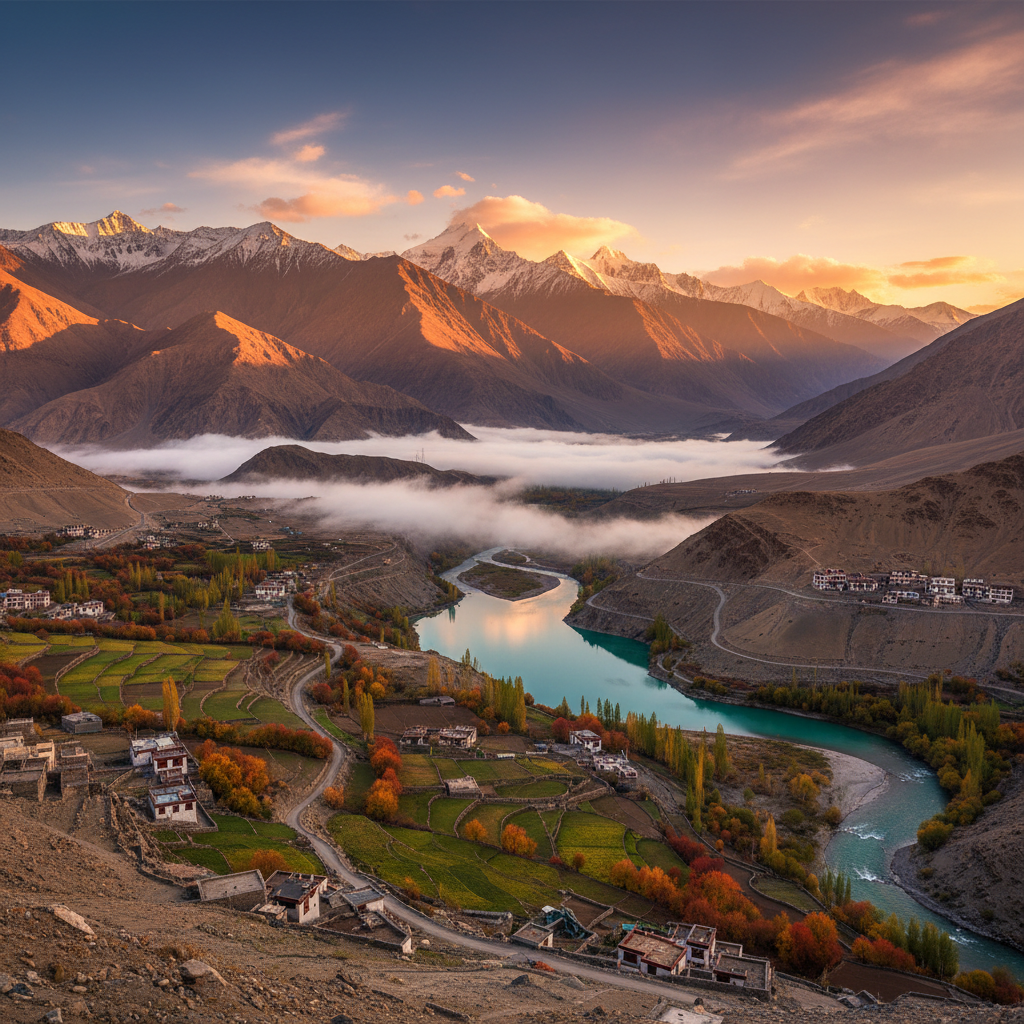
Navigating Ladakh: Your Essential Inner Line Permit Guide
Ladakh, with its breathtaking landscapes and serene monasteries, is a dream destination for many. However, to preserve its fragile ecosystem and regulate tourism in sensitive border areas, certain regions require an Inner Line Permit (ILP). This permit is a mandatory document for both Indian nationals and foreign visitors wishing to explore areas beyond Leh, such as Nubra Valley, Pangong Tso, and Tso Moriri. Understanding the nuances of the Ladakh Inner Line Permit is crucial for a smooth and hassle-free trip. Many travellers often overlook this vital step, leading to delays or even being turned back from checkpoints. Our aim at Mid Holidays is to equip you with all the necessary information, making your permit acquisition process straightforward and stress-free, so you can focus on the magic of Ladakh. This guide covers everything from who needs the permit, to how and when to apply, and what costs are involved, ensuring you're fully prepared for your high-altitude adventure.
Who Needs an Inner Line Permit for Ladakh and Why?
The Inner Line Permit (ILP) for Ladakh is required for all individuals, both Indian citizens and foreign nationals, who plan to visit protected areas or areas close to the international border. For Indian citizens, this includes popular destinations like Nubra Valley, Pangong Tso, and Tso Moriri. Foreign nationals, on the other hand, require a Protected Area Permit (PAP) for these same regions, though the application process is often integrated. The primary reason for this requirement is to regulate and monitor tourist flow, especially in ecologically sensitive zones and areas of strategic importance. This helps in managing environmental impact, ensuring local security, and in case of emergencies, provides authorities with a record of who is in which area. While Leh town and its immediate surroundings (like Spituk, Shey, Thiksey, Hemis) do not require an ILP, any journey beyond these points into the high-altitude lakes and valleys necessitates this crucial document. It's important to remember that the permit is not just a formality but a contribution to responsible tourism and the safety protocols of the region.
Applying for Your Ladakh ILP: Online vs. Offline Methods
There are two main ways to obtain your Ladakh Inner Line Permit: online or offline. The online method is generally recommended for its convenience and speed. You can apply through the official Leh district administration website. The process involves filling out an application form with your personal details, travel dates, and proposed itinerary, uploading identity documents, and making the payment online. Once approved, you receive a downloadable PDF which you must print multiple copies of. The offline method involves visiting the DC (Deputy Commissioner) Office in Leh. This approach can be more time-consuming as it requires filling out physical forms, attaching photocopies of your ID, and waiting in queues, especially during peak season. However, it's a viable option if you arrive in Leh without prior online application or prefer a face-to-face process. Local travel agents, including Mid Holidays, can also assist with offline applications, though a small service fee will apply. Regardless of the method, ensure all your details are accurate to avoid any issues at checkpoints.
Step-by-Step Online Application Process for Indian Citizens
Applying for the Ladakh Inner Line Permit online as an Indian citizen is a straightforward process. First, visit the official Leh administration website (lahdclehpermit.in). Navigate to the 'Inner Line Permit' section. You'll need to fill in your personal details, including name, father's name, age, gender, and contact information. Next, list all co-travellers with their details. Crucially, you must select the areas you plan to visit from a drop-down menu (e.g., Nubra Valley, Pangong Tso, Tso Moriri, etc.). Be comprehensive, as you cannot add areas later. Choose your start and end dates for the permit validity. Upload a scanned copy of a valid Indian government ID (Aadhaar Card, Passport, Voter ID, Driving License). After reviewing all details, proceed to payment. The portal charges a nominal environmental fee and Red Cross Fund contribution per person per day. Once payment is successful, you'll receive a confirmation email and can download your permit. Print at least 6-8 copies of this permit, as you'll need to submit them at various checkpoints.
Specific Requirements and Application for Foreign Nationals
Foreign nationals visiting Ladakh require a Protected Area Permit (PAP), which functions similarly to the Inner Line Permit for Indians. The application process for foreign nationals is generally done offline through a registered travel agent, including Mid Holidays, or directly at the DC Office in Leh. While some online portals might appear to cater to foreigners, it is highly recommended to go through a reliable agent for a smoother experience. Required documents typically include a copy of your passport, valid Indian visa, and a completed application form. You will also need to provide your exact itinerary and the names of all individuals in your group. The permit fee for foreign nationals is usually higher than for Indian citizens, covering environmental and Red Cross contributions, and sometimes an additional permit fee depending on the area. It is crucial for foreign nationals to apply for the permit well in advance, ideally several days before their intended travel to restricted areas, as processing can take longer. Ensure your visa is valid for the entire duration of your stay in Ladakh.
Costs, Validity, and Essential Documents to Carry
The cost of the Ladakh Inner Line Permit is a combination of an environmental fee and a Red Cross Fund contribution. For Indian nationals, expect to pay around INR 400 per person for the environmental fee (a one-time charge for a period up to 7 days) and a Red Cross Fund contribution of approximately INR 50 per day. These figures are subject to change, so always check the latest rates on the official permit website. Foreign nationals usually pay a higher environmental fee, around INR 600 per person, and the same Red Cross Fund contribution. The permit is typically valid for up to 7 days for Indian citizens and 15 days for foreign nationals, though you can specify your exact travel duration. For applying, Indian citizens need a valid government-issued ID like an Aadhar Card, Voter ID, Driving License, or Passport. Foreign nationals require their passport and a valid Indian visa. Once you have your permit, print at least 6-8 copies. You'll need to submit one copy at each major checkpoint (like Khardung La, Pangong Tso, Nubra Valley entry points) and keep one for your personal record. Always carry your original ID document during your travel.
Common Mistakes to Avoid and Expert Tips from Mid Holidays
When applying for your Ladakh Inner Line Permit, there are a few common pitfalls to steer clear of. Firstly, do not wait until the last minute. While online applications are quick, unforeseen technical glitches can occur. Apply at least 2-3 days before your planned visit to restricted areas. Secondly, be meticulous with your itinerary. List all areas you intend to visit, as you cannot add new locations to an already issued permit. If your plans change, you'll need to apply for a fresh permit. Thirdly, print enough copies! We recommend at least 6-8 copies, as every major checkpoint will require one. Don't rely solely on digital copies. Fourthly, ensure the details on your permit exactly match your ID. Any discrepancy can lead to problems at checkpoints. From Mid Holidays, our expert tip is to include a buffer day in your permit's validity. If unforeseen circumstances like road closures or health issues delay your travel, having an extra day or two on your permit can save you from a reapplication hassle. Always carry your original ID as well, as authorities may ask for it for verification alongside your permit. Plan wisely, and your Ladakh journey will be unforgettable.
Planning Your Ladakh Adventure with Mid Holidays
With your Ladakh Inner Line Permit secured, the rest of your adventure planning becomes much easier. At Mid Holidays, we specialize in crafting personalized and seamless Ladakh experiences. From comfortable accommodation in Leh and Nubra Valley to reliable transportation and experienced local guides, we handle all the details so you can immerse yourself in the majestic beauty of the Himalayas. Our itineraries are designed to ensure proper acclimatization, covering iconic spots like Pangong Tso, Nubra Valley, Magnetic Hill, and ancient monasteries, while also including lesser-known gems. We understand the unique challenges of high-altitude travel and prioritize your safety and comfort. Whether you're looking for an adventurous trekking trip, a cultural immersion, or a serene escape, our team is here to design the perfect Ladakh package for you. Explore our diverse range of Ladakh tour packages on our website and let us turn your dream Ladakh trip into a reality. We can also assist with your permit application process as part of our comprehensive service, ensuring nothing is left to chance.
Related Kashmir Guides & Services
<p>Planning the rest of your trip? These Mid Holidays guides pair well with this article:</p><ul><li><a href="/blog/10-mistakes-tourists-make-in-kashmir-avoid-these">10 Mistakes Tourists Make in Kashmir: Avoid These for a Perfect Trip</a></li><li><a href="/blog/kashmir-cab-booking-online-travel-guide">Kashmir Cab Booking Online: Your Essential Travel Guide with Mid Holidays</a></li><li><a href="/blog/ladakh-to-manali-taxi-your-ultimate-adventure-guide">Ladakh to Manali Taxi: Your Ultimate Adventure Guide & Tips</a></li><li><a href="/blog/online-cab-booking-kashmir-seamless-travel">Online Cab Booking Kashmir: Your Guide to Seamless Travel with Mid Holidays</a></li><li><a href="/blog/delhi-to-kashmir-flight-travel-guide">Delhi to Kashmir Flight: Your Ultimate Travel Guide & Tips</a></li></ul>
Frequently Asked Questions
Can I get the Inner Line Permit on arrival in Leh?
Yes, you can obtain the Inner Line Permit (ILP) on arrival in Leh by visiting the DC Office. However, this method can be time-consuming, especially during peak tourist season, as it involves filling out physical forms and waiting in queues. It's highly recommended to apply online before your trip for a smoother experience, allowing you to pick up your printed permit copies directly upon arrival or have them ready if applying through an agent.
How many copies of the ILP should I carry?
It is advisable to carry at least 6 to 8 printed copies of your Inner Line Permit. You will need to submit one copy at various checkpoints when entering restricted areas like Nubra Valley, Pangong Tso, and Tso Moriri. Keeping a few extra copies is always a good idea in case any get misplaced or for unforeseen additional checkpoints.
Is the ILP required for travelling within Leh city?
No, the Inner Line Permit is not required for travelling within Leh city and its immediate surroundings. This includes popular sites like Leh Palace, Shanti Stupa, Spituk Monastery, Shey Palace, Thiksey Monastery, and Hemis Monastery. The ILP becomes mandatory only when you plan to venture into the protected areas and regions closer to the border, such as Nubra Valley, Pangong Tso, and Tso Moriri.
What if I lose my Inner Line Permit during my trip?
If you lose your Inner Line Permit during your trip, it's crucial to report it immediately. You should visit the DC Office in Leh to apply for a duplicate permit. While it can cause some delays, having a digital copy saved on your phone and carrying extra printed copies can act as a temporary solution until you get a new one. Always keep a digital backup on your phone or email.
Can I modify my ILP after it has been issued?
Generally, you cannot modify an issued Inner Line Permit (ILP). If your travel plans change significantly, such as adding new destinations or extending your stay beyond the permit's validity, you will typically need to apply for a fresh permit. It's vital to finalize your itinerary as much as possible before applying to avoid this inconvenience and associated re-application fees.
Is the ILP required for children as well?
Yes, the Inner Line Permit is required for all individuals, including children, who are travelling to the restricted areas of Ladakh. When applying online, you will need to list all co-travellers, including minors, and provide their respective details. Each individual, regardless of age, must be covered by the permit to pass through the checkpoints.
What documents do foreign nationals need for their permit?
Foreign nationals require a valid passport and a valid Indian visa to apply for the Protected Area Permit (PAP) for Ladakh. A copy of both these documents will be needed during the application process, which is usually handled through a registered travel agent or by visiting the DC Office in Leh. Ensure your visa covers your entire stay in India and Ladakh.