Kashmir in Summer vs Winter: Which Season is Best For Your Trip?
Detailed guide: Kashmir Summer Vs Winter Travel Guide
Deciding between Kashmir in summer vs winter? Get expert insights from Mid Holidays on weather, activities, costs, and unique experiences to choose your…
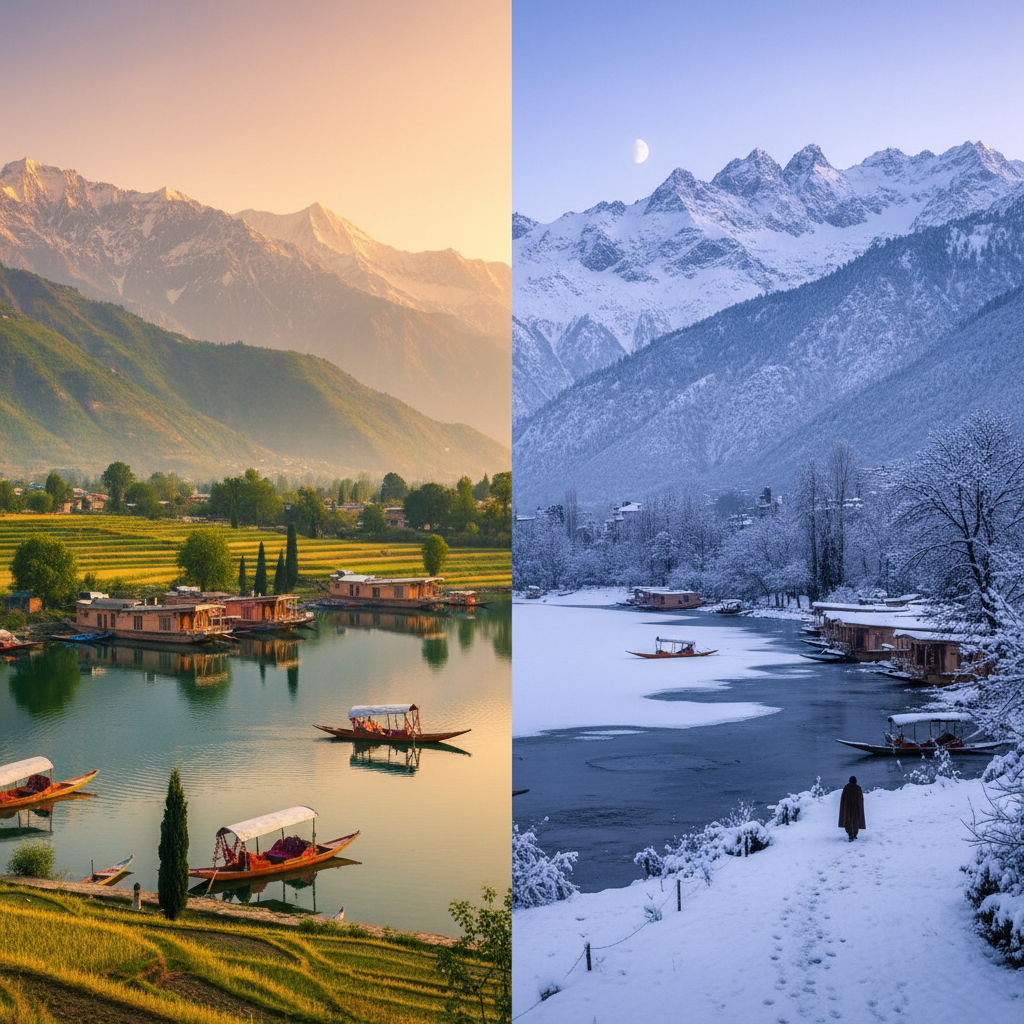
Kashmir in Summer vs Winter: Unveiling the Paradise's Dual Charms
Welcome to Kashmir, affectionately known as 'Paradise on Earth'! Often, the first big decision for any traveler planning a trip here is choosing the right time to visit. Should you experience the vibrant bloom of Kashmir in summer or the serene, snow-laden beauty of Kashmir in winter? At Mid Holidays, your local travel experts, we understand this dilemma perfectly. Both seasons offer truly unique and unforgettable experiences, painting the Valley in distinctly different hues. This comprehensive guide will help you weigh the pros and cons of visiting Kashmir during these two peak seasons, providing you with all the insider information you need to make an informed decision and plan your dream vacation with us. Whether your heart yearns for lush greenery and blooming gardens or a fairytale landscape dusted with pristine white snow, Kashmir has a season tailor-made for you. Let's dive deep into what awaits you in each of these magnificent periods.
Experiencing Kashmir in Summer: A Canvas of Цветs (April to October)
Summer in Kashmir, typically spanning from April to October, is a breath of fresh air. The Valley bursts into life, showcasing its vibrant flora and providing a stark contrast to the winter landscape. The weather during these months is generally pleasant, with temperatures ranging from a comfortable 15°C to 30°C. This makes it ideal for exploring the outdoor wonders of Kashmir. Think about leisurely Shikara rides on Dal Lake, where the houseboats shimmer under the bright sun, reflecting the surrounding hills. The famous Mughal Gardens, like Shalimar Bagh, Nishat Bagh, and Chashma Shahi, are at their absolute best, adorned with a riot of colorful flowers. Imagine strolling through these meticulously manicured lawns, breathing in the fragrant air, and admiring the intricate Mughal architecture. Gulmarg, Pahalgam, and Sonmarg, popular hill stations, are easily accessible and offer opportunities for trekking, pony rides, and picnics amidst emerald meadows. For adventure seekers, white-water rafting in the Lidder River near Pahalgam is a thrilling experience available during the summer months. Practical tips for summer travel include packing light cotton clothes, sun protection, and comfortable walking shoes. Accommodation tends to be slightly higher due to peak season demand, with a comfortable hotel stay averaging around INR 4,000 to INR 8,000 per night, depending on the category. Early booking is highly recommended to secure the best deals and preferred locations. Mid Holidays offers tailored summer packages that ensure you experience the best of Kashmir's natural beauty and cultural richness without any hassle.
Embracing the Winter Wonderland of Kashmir: Snow and Serenity (November to March)
If you dream of a winter wonderland, then Kashmir in winter, from November to March, is an absolute must-see. The entire landscape transforms into a magical realm covered in a thick blanket of pristine snow, offering a stark yet equally beautiful contrast to its summer counterpart. Temperatures can range from a chilly 0°C to -10°C, or even lower in higher altitudes, so packing warm layers, heavy woolen clothing, gloves, and waterproof boots is essential. This is the season for snow sports, with Gulmarg standing out as a premier destination for skiing and snowboarding. The Gondola ride in Gulmarg ascends to dizzying heights, offering breathtaking panoramic views of snow-capped peaks and the frozen landscape below. Dal Lake often partially freezes, creating a unique and picturesque setting, though Shikara rides may still be possible in parts. The enchanting beauty of snowfall washing over the Valley is an experience in itself, creating unparalleled photo opportunities. Keep in mind that some roads, especially to higher reaches in Sonmarg, might be closed due to heavy snowfall. However, the accessible areas like Srinagar, Gulmarg, and Pahalgam offer distinct winter charm. Accommodation rates can also vary—some properties offer lower off-season rates in early winter, while others in popular ski destinations like Gulmarg can be premium. A typical budget for a good hotel in winter could be between INR 3,500 to INR 7,000 per night. If you're looking for a peaceful retreat surrounded by nature's quiet majesty, or an action-packed skiing adventure, winter in Kashmir is an unforgettable choice. Our Mid Holidays winter packages are designed to maximize your snowy adventure and ensure a cozy, comfortable stay.
Comparing Activities, Accessibility, and Costs: Kashmir in Summer vs Winter
When deciding between Kashmir in summer vs winter, several factors come into play, primarily activities, accessibility, and overall cost. In terms of activities, summer offers a wider range of outdoor pursuits not reliant on snow: trekking, camping, golfing, and extended sightseeing tours to places like Gurez Valley or Yusmarg. The lakes are perfect for Shikara rides and houseboating, and the gardens are in full bloom. Winter, on the other hand, is all about snow-specific activities. Skiing, snowboarding, snowshoeing, and simply enjoying the pristine snow are the main draws. The landscape itself becomes the primary attraction. For accessibility, summer generally ensures all major roads and tourist spots are open, making travel within the Valley smoother. Winter can present challenges with road closures, especially to higher altitudes and places like Sonmarg, due to heavy snowfall. However, Srinagar, Gulmarg, and Pahalgam generally remain accessible, albeit with potential delays. Cost-wise, summer, being the peak tourist season, often sees slightly higher prices for flights, hotels, and sometimes even local transport. Winter, particularly during shoulder months like November or early March, can offer more budget-friendly options, though prices in prime ski destinations like Gulmarg might surge during peak snowfall periods (late December-January). For instance, a return flight from Delhi to Srinagar might cost around INR 8,000-12,000 in summer compared to INR 6,000-10,000 in winter, barring festive periods. Taxis from Srinagar Airport to Dal Lake average around INR 1,500-2,000. Pony rides in Pahalgam or Gulmarg cost approximately INR 800-1,500 for a few hours. Shikara rides on Dal Lake are typically INR 600-1,000 per hour. Consider your priorities: if diverse outdoor exploration and vibrant scenery are key, summer wins. If serene beauty, snow sports, and a cozy, magical atmosphere are what you crave, winter awaits. Mid Holidays provides detailed itineraries and transparent pricing for both seasons, helping you budget effectively and enjoy a stress-free trip.
Insider Tips from Mid Holidays: Making Your Choice
As your trusted local experts at Mid Holidays, we have a few insider tips to help you make the best choice between Kashmir in summer vs winter. Firstly, consider your primary motivation for visiting. Are you a nature lover wanting to witness lush greenery, blooming flowers, and accessible treks? Then summer, particularly May to September, is your ideal window. You'll enjoy comfortable weather and maximum accessibility. If, however, your dream involves snow-capped mountains, cozy evenings by a fireplace, and thrilling snow adventures, then winter, especially December to February, is perfect. Be prepared for colder temperatures and potential road closures, but the reward of Kashmir's snow-covered majesty is immense. For families with young children, summer might be slightly more convenient due to easier travel and milder weather. Honeymooners often find the romantic, serene ambiance of winter absolutely captivating. Photographers will find stunning vistas in both seasons but winter offers unique challenges and rewards with its monochromatic, ethereal beauty. Always check weather forecasts closer to your travel dates, especially for winter trips, and consult with us regarding road conditions. Regardless of your choice, ensure you book your accommodations and flights well in advance, particularly if traveling during peak tourist periods like summer holidays or around Christmas and New Year. Don't forget travel insurance for either season. At Mid Holidays, we pride ourselves on crafting unforgettable Kashmir experiences year-round. Let us guide you to the perfect season for your memorable journey.
Frequently Asked Questions
What are the specific advantages of visiting Kashmir during the summer season?
Visiting Kashmir in the summer, typically from April to October, offers several distinct advantages. The weather is pleasantly mild, ranging from 15°C to 30°C, making it ideal for sightseeing and outdoor activities. All major tourist destinations, including the higher reaches of Gulmarg, Pahalgam, and Sonmarg, are fully accessible. The famous Mughal Gardens are in full bloom, showcasing vibrant flowers and lush greenery. You can enjoy comfortable Shikara rides on Dal Lake, go trekking in the meadows, try white-water rafting, and explore numerous valleys without worrying about snow-related road closures. It's also a great time for photography, capturing the vivid colors of the landscape. Mid Holidays recommends summer for those who want to experience Kashmir's vibrant natural beauty and diverse outdoor adventures.
What unique challenges might I face when traveling to Kashmir in winter, and how can Mid Holidays help?
Traveling to Kashmir in winter, from November to March, while breathtaking, presents some unique challenges. Temperatures can drop significantly, sometimes below freezing, making warm clothing absolutely essential. Heavy snowfall can lead to road closures, particularly to places like Sonmarg or higher points in Gulmarg, potentially causing travel delays or itinerary changes. Connectivity might sometimes be an issue if there's extreme weather. Mid Holidays can assist by providing updated information on road conditions and weather forecasts, suggesting alternative routes or activities if needed, arranging for comfortable and heated accommodations, and advising on appropriate packing. We ensure our winter packages are flexible and include reliable transport, minimizing any inconvenience and maximizing your enjoyment of the frosty wonderland.
Beyond the major seasons, are there any shoulder seasons in Kashmir that offer a unique experience?
Absolutely! The shoulder seasons in Kashmir, particularly late March to early April and late October to early November, offer a wonderfully unique experience that combines elements of both summer and winter, often with fewer crowds and potentially better deals. In late March/early April, you might witness the last vestiges of snow melting in some areas while spring flowers begin to bloom in others, creating a beautiful contrast. The Chinar leaves display spectacular autumnal colors in late October/early November, often referred to as Kashmir's 'golden season', before the valley transitions into its winter coat. This period is ideal for photographers and those seeking a quieter, more reflective journey. While some activities might be weather-dependent, these shoulder months offer a serene and picturesque charm that is truly special. Mid Holidays can customize itineraries for these unique transitional periods to perfectly match your preferences.
What is the typical cost difference for accommodation and local transport between summer and winter travel in Kashmir?
The cost of accommodation and local transport in Kashmir can vary significantly between summer and winter. In summer (peak season), hotel prices tend to be higher due to increased demand, with a comfortable hotel stay potentially costing INR 4,000 to INR 8,000 per night. Local taxi fares might also see a slight increase as drivers are busier. In winter, during the shoulder months like November or early March, accommodation can be more budget-friendly, with prices ranging from INR 3,500 to INR 7,000. However, during the peak snow season (late December to January), especially in ski resorts like Gulmarg, hotel prices can surge and even exceed summer rates due to specialized demand. Local transport costs might also be slightly higher in winter due to the challenges of driving on snowy roads, although this is usually marginal. Mid Holidays advises booking well in advance for both seasons to secure the best rates, and our curated packages often include transport and accommodation, providing transparency and value.
Is it possible to enjoy both the natural beauty of Kashmir in summer and the snow in winter on a single trip to Kashmir?
It is generally not possible to enjoy both the full natural beauty of Kashmir in summer and the heavy snowfall of winter on a single trip, as these are seasonal phenomena. Summer's lush greenery and blooming flowers are present from April to October, while significant snowfall typically occurs from December to March. However, you can experience a 'transition' period. For example, visiting in late March or early April might allow you to see melting snow in higher altitudes while spring flowers begin to emerge in the plains. Similarly, late October or early November showcases autumn colors and the possibility of early snowfall in higher regions. For a comprehensive experience of both, we recommend planning two separate trips. Mid Holidays can help you design itineraries for each season, ensuring you get the most out of Kashmir's distinct seasonal offerings.