Kashmir Mein Konsa Mahina Sasta Hai: Your Budget Travel Guide
Kashmir Budget Travel Guide
Planning a budget trip to Kashmir? Discover Kashmir mein konsa mahina sasta hai and learn the best times for affordable travel, accommodations, and…
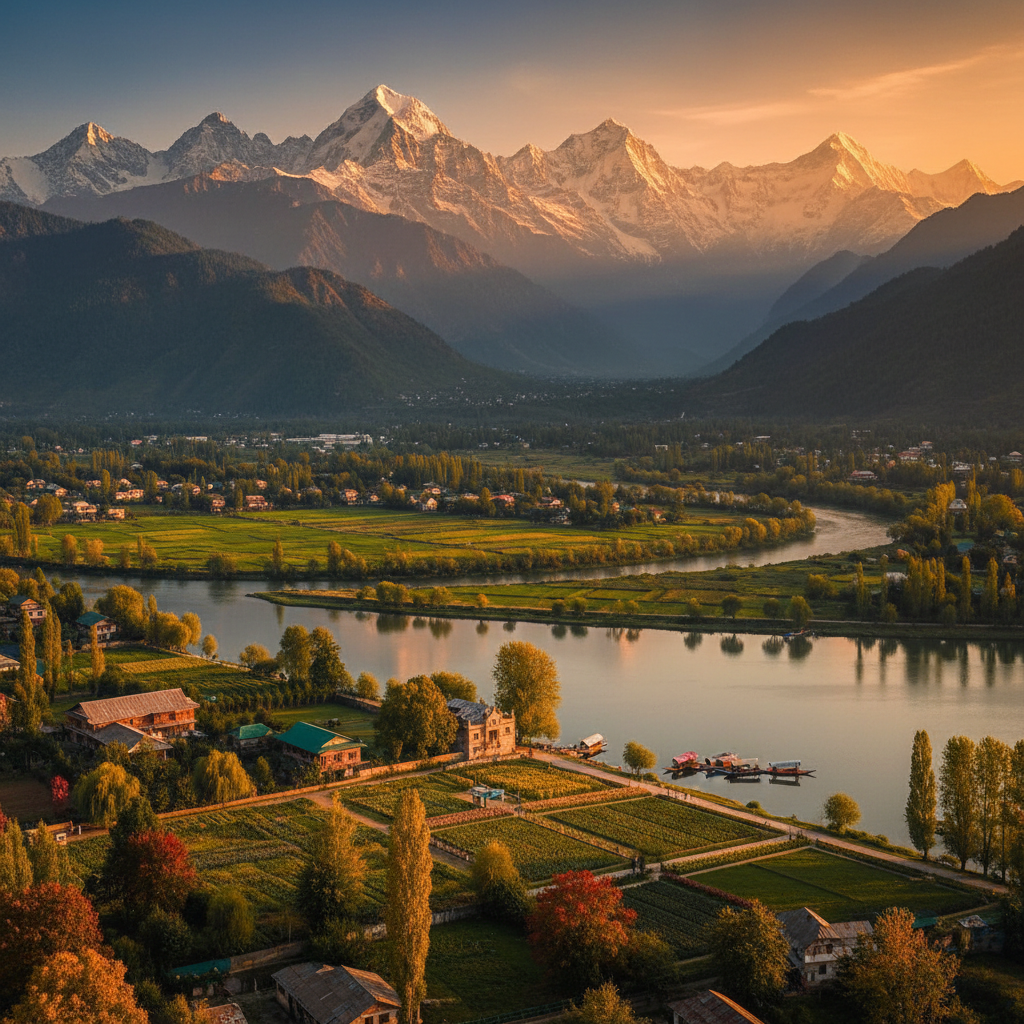
Kashmir Mein Konsa Mahina Sasta Hai: An Overview for Budget Travelers
Every traveler dreams of experiencing Kashmir's unparalleled beauty, often referred to as 'Paradise on Earth.' However, many believe a trip to this stunning region comes with a hefty price tag. The good news is, it doesn't have to! By understanding the travel seasons and planning strategically, you can absolutely enjoy Kashmir on a budget. The key lies in knowing Kashmir mein konsa mahina sasta hai – which months offer the best value for your money. This guide from Mid Holidays is crafted to help you unlock the secrets of affordable travel to Kashmir, ensuring you get to soak in the mesmerizing landscapes, rich culture, and warm hospitality without breaking the bank. We’ll delve into the nuances of different seasons, revealing when prices for flights, hotels, and even local transport take a dip, allowing you to stretch your travel rupees further. Remember, 'sasta' (cheap) doesn't mean compromising on the experience; it simply means smart planning and choosing the right time to visit this majestic valley. Our aim is to empower you with local insights and practical advice to make your dream Kashmir trip a reality, even with a limited budget. We’ll cover everything from identifying the lean travel periods to finding affordable accommodation, managing transport costs, and enjoying local cuisine economically. Whether you're a solo backpacker, a couple seeking a romantic yet affordable getaway, or a family looking for a memorable vacation without overspending, this guide will be your trusted companion. So, let's explore the best times to visit Kashmir when your wallet will thank you, and your heart will be full of unforgettable memories.
Understanding Kashmir's Seasons: High vs. Low
To pinpoint Kashmir mein konsa mahina sasta hai, it's crucial to understand the distinct travel seasons that dictate pricing. Broadly, Kashmir experiences three main seasons for tourism: Peak Season, Shoulder Season, and Off-Season. The Peak Season typically spans from April to June (spring and early summer) and again from September to October (autumn). During these months, the weather is most pleasant, offering vibrant tulips, blooming gardens, and lush green meadows, or the stunning golden hues of autumn chinar trees. Consequently, demand is high, leading to inflated prices for everything from flights and hotels to houseboat stays and taxi services. This is generally the most expensive time to visit. The Shoulder Season, usually March and early November, sees a slight dip in prices as the weather transitions. While still beautiful, March can be chilly with lingering snow, and November marks the onset of winter. The Off-Season, which is your best bet for budget travel, primarily includes the peak winter months from December to February, and the monsoon period in July and August. During these times, tourist footfall significantly decreases due to colder temperatures, heavy snowfall, or occasional rain. This reduced demand translates directly into much lower prices, making it an ideal window for cost-conscious travelers. However, each off-season period comes with its own set of experiences and challenges, which we will explore further to help you make an informed decision.
The Cheapest Months: Winter (December to February)
When asking Kashmir mein konsa mahina sasta hai, the unanimous answer from locals and seasoned travelers alike points to the winter months, specifically December, January, and February. During this period, Kashmir transforms into a pristine white wonderland, captivating those who love snow and serene, quiet landscapes. Tourist numbers drop significantly, which directly impacts prices. You can expect to find hotel rates in Srinagar, Gulmarg, and Pahalgam slashed by 30-50% compared to peak season. Houseboat stays, which are often a splurge, become surprisingly affordable, offering a unique, cozy experience amidst the frozen Dal Lake or Nigeen Lake. Flights, especially if booked in advance, are also considerably cheaper than during the spring or autumn rush. Local taxis might slightly increase their rates for snow-covered roads, but overall, the cumulative cost of accommodation and activities makes winter the most budget-friendly option. However, be prepared for extreme cold, heavy snowfall, and occasional road closures, particularly for routes to Gulmarg and Sonamarg. Activities like skiing, snowboarding, and enjoying the frozen landscapes become the main attractions. If you dream of a white Christmas or a serene, snow-laden retreat, winter is your season for an affordable and magical Kashmir experience. Always check weather forecasts and road conditions before and during your travel.
The Cheapest Months: Monsoon (July & August)
Another excellent period to consider if you're looking for Kashmir mein konsa mahina sasta hai is the monsoon season, typically July and August. While the term 'monsoon' might conjure images of incessant downpours, Kashmir's monsoon is generally milder compared to other parts of India. You'll experience occasional showers, sometimes heavy, but also plenty of clear skies and a unique lushness across the valley. The downside is the possibility of landslides and road closures, though these are usually temporary. However, the biggest advantage is the drastic reduction in tourist traffic, making it a truly off-peak period. Accommodation prices hit rock bottom, with many hotels and guesthouses offering significant discounts and package deals. Flight fares are also at their lowest. The landscape during this time is incredibly vibrant, with every shade of green imaginable, and the waterfalls are at their most voluminous. If you don't mind a little rain and prefer fewer crowds, this period offers a tranquil and exceptionally affordable way to experience Kashmir's natural beauty. It's an ideal time for leisurely walks, enjoying the fresh, clean air, and witnessing a different, less-explored side of the valley, all while saving a considerable amount on your travel budget. Ensure you pack appropriate rain gear and waterproof footwear.
Cost Breakdown and Budgeting Tips
Planning a budget trip requires a clear understanding of where your money will go. Here’s a rough breakdown for Kashmir mein konsa mahina sasta hai, focusing on off-season travel: 1. Accommodation: During winter or monsoon, expect basic guesthouses or decent hotels in Srinagar to range from INR 1,500 to 3,000 per night. Houseboats can be found for INR 2,500 to 4,500, a steal compared to peak season rates of INR 6,000-10,000+. Always compare prices on various platforms and consider direct booking for better deals. 2. Transport: Local shared taxis or public buses (sumos) are the most economical option for inter-city travel (e.g., Srinagar to Gulmarg, Pahalgam, Sonamarg). A shared sumo from Srinagar to Gulmarg might cost around INR 100-200 per person. Hiring a private taxi will be more expensive, roughly INR 2,000-3,500 for a day trip to Gulmarg or Pahalgam, but this price can be split if you find fellow travelers. For local Srinagar sightseeing, auto-rickshaws or walking are budget-friendly. Always negotiate fares for taxis and auto-rickshaws. 3. Food: Kashmiri cuisine is delicious and affordable. Eating at local dhabas or smaller restaurants (not tourist traps) will keep costs low. A full meal can cost INR 150-300 per person. Don't miss out on local breads, chai, and street food. If staying in a hotel that includes breakfast, take advantage of it. 4. Activities: Many natural attractions like gardens and meadows are free. Entry fees for specific places like Mughal Gardens are minimal (INR 30-50). Gondola rides in Gulmarg are a fixed cost (Phase 1: approx. INR 870, Phase 2: approx. INR 1070), but you save on other aspects. Skiing equipment rentals in winter are also reasonable. Prioritize free or low-cost activities to maximize your savings. Overall, a comfortable budget trip during the off-season could range from INR 2,500 to 4,500 per person per day, excluding flights, depending on your choices. During peak season, this could easily double or triple.
Practical Tips for an Affordable Kashmir Trip
Beyond choosing Kashmir mein konsa mahina sasta hai, several practical strategies can help you further reduce costs. Firstly, book your flights well in advance, especially if you're traveling from major cities. Even in the off-season, early bookings often yield better prices. Consider flying on weekdays, as weekend fares tend to be higher. Secondly, for accommodation, explore guesthouses and homestays rather than luxury hotels. Websites like Airbnb or local booking portals might offer hidden gems at budget prices. Staying a little away from the main tourist hubs can also save you money. When it comes to transport, embrace local modes. Shared taxis (sumos) are prevalent and efficient for inter-district travel. For shorter distances within Srinagar, auto-rickshaws are common, but always agree on the fare beforehand. If you're traveling in a group, hiring a private taxi for day trips can be cost-effective when split among members. Cooking some of your own meals if your accommodation provides kitchen access can be a significant saver. Lastly, always carry enough cash, as ATMs might be scarce in remote areas, and smaller establishments might not accept digital payments. Being a mindful and flexible traveler is key to unlocking Kashmir's beauty on a budget.
What to Pack for Off-Season Travel
Packing smartly is essential for off-season travel, especially when considering Kashmir mein konsa mahina sasta hai, as it often means braving colder temperatures or monsoon rains. For winter (December-February), layers are your best friend. Pack thermal innerwear, woollen sweaters, a heavy, waterproof and windproof jacket, woollen caps, gloves, mufflers, and waterproof snow boots. Don't forget thick woollen socks. Even inside, rooms might be cold, so warm nightwear is advisable. Power outages can occur due to heavy snow, so a power bank and a headlamp or small flashlight are practical additions. Essential medicines, especially for cold and flu, are a must. For monsoon (July-August), while it's warmer, waterproof gear is paramount. A good quality raincoat or a waterproof jacket, an umbrella, and waterproof shoes or sandals are indispensable. Quick-drying clothes are preferable. Light sweaters or fleeces might still be needed for evenings, especially in higher altitudes. Always carry insect repellent during monsoon. Regardless of the season, a basic first-aid kit, sunscreen, lip balm, and personal medications are recommended. A sturdy backpack and waterproof covers for your electronics will also come in handy. Remember, being prepared helps you enjoy the journey without unexpected expenses or discomfort.
Safety and Local Etiquette for Budget Travelers
Kashmir is generally a safe place for tourists, even during the off-season. However, like any travel destination, it's wise to stay informed and exercise caution. Always be aware of your surroundings, especially if you're traveling solo or at night. Keep loved ones informed of your itinerary. During winter, check road conditions and weather forecasts daily, as heavy snowfall can lead to road closures and travel disruptions. For monsoon, be mindful of potential landslides or flash floods in certain areas. It's always best to travel with reputable local transport providers or drivers recommended by your accommodation. Regarding local etiquette, Kashmir is a conservative region with a strong cultural identity. Dressing modestly, especially when visiting religious sites, is appreciated. Women should consider carrying a shawl to cover their heads when appropriate. Always ask for permission before photographing people, especially women and children. A warm 'Assalamu Alaikum' (peace be upon you) or 'Namaste' goes a long way in showing respect. Politeness and patience are key. Avoid engaging in political discussions. The local people are incredibly hospitable and friendly, and by showing respect for their culture and land, you are sure to have a rewarding and safe experience, even on a budget. For tailored itineraries and budget-friendly packages, consider exploring options with Mid Holidays to ensure a smooth and memorable journey.
Related Kashmir Guides & Services
<p>Planning the rest of your trip? These Mid Holidays guides pair well with this article:</p><ul><li><a href="/blog/kashmir-snowfall-time-guide-best-season">Kashmir Snowfall Time Guide: Best Season & Planning Your Trip</a></li><li><a href="/blog/kashmir-summer-vs-winter-travel-guide">Kashmir in Summer vs Winter: Which Season is Best For Your Trip?</a></li><li><a href="/blog/kashmir-packing-list-for-family">Kashmir Packing List for Family: Your Ultimate Guide for All Seasons</a></li><li><a href="/blog/what-to-wear-kashmir-season-wise">What to Wear in Kashmir Season-Wise: Your Ultimate Packing Guide</a></li><li><a href="/blog/cheapest-tour-packages-kashmir-mid-holidays">Cheapest Tour Packages for Kashmir: Your Budget Guide to Paradise</a></li></ul>
Frequently Asked Questions
Kashmir mein sabse sasta mahina kaun sa hai?
Kashmir mein sabse sasta mahina aam taur par December se February tak ka sardi ka samay aur July se August tak ka monsoon ka samay hota hai. In mahino mein paryatakon ki sankhya kam hoti hai, jiske karan flight, hotel aur anya yatra kharchon mein kaafi kami aati hai. Sardi mein aap baraf ka anand le sakte hain, jabki monsoon mein hariyali aur jharne dekhne ko milte hain. Donon hi samay budget yatra ke liye uttam hain.
Off-season mein Kashmir jaane ke kya fayde hain?
Off-season mein Kashmir jaane ke kai fayde hain, khaaskar agar aap budget par hain. Sabse pehla fayda hai kam kharch; hotels, flights aur tour packages saste milte hain. Dusra, bheed kam hoti hai, jisse aap shanti se sthanon ka anand le sakte hain. Tisra, aapko Kashmir ka ek alag hi roop dekhne ko milta hai – ya to baraf se dhaka ya phir monsoon ki hariyali se bharpoor, jo peak season se bilkul alag anubhav deta hai.
Kya monsoon mein Kashmir jaana surakshit hai?
Monsoon mein Kashmir jaana aam taur par surakshit hai, lekin hamesha mausam ki jaankari rakhna zaroori hai. Yahan ki baarish utni tez nahi hoti jitni Bharat ke anya hisson mein, lekin kabhi-kabhi bhuskhalan ya raste band hone ki sambhavna rehti hai. Hamesha achhe waterproofing wale kapde aur joote le kar jaayen. Road conditions ki jaankari sthaniya logon ya Mid Holidays jaise tour operator se lena hamesha behtar hota hai.
Sardi mein Kashmir mein kya activity kar sakte hain?
Sardi mein Kashmir baraf ki chaadar odh leta hai, jiske karan yahan kai anokhi activities ki ja sakti hain. Gulmarg mein skiing aur snowboarding bahut lokpriya hain. Aap baraf se dhaki jheelon par shikarara ride ka anand le sakte hain, aur baraf ki khubsurati ka photo le sakte hain. Garam chai ya Kahwa peete hue aag ke paas baithna bhi ek suhana anubhav hota hai. Baraf se khelna aur snow angels banana bhi mazedaar hota hai.
Kashmir mein saste mein khaana kaise dhundhen?
Kashmir mein saste mein khaana dhundhne ke liye local dhabas aur chhote restaurants ki taraf ruk karein. Tourist-centric jagahon se door, aam logon ki pasandida dukaanon par jaayen. Ek poora Kashmiri thali ya rogan josh ka maza kam daamon mein mil jaata hai. Sthaniya bread jaise Lavasa aur Kandir ko chai ke saath try karein. Agar aapke hotel mein breakfast included hai, to uska bharpoor laabh uthayen. Roadside stalls par snacks bhi acche aur saste hote hain.
Kashmir mein saste mein transport kaise manage karein?
Kashmir mein saste mein transport ke liye shared taxis (jinhe aam taur par 'sumo' kehte hain) sabse behtar vikalp hain. Ye Srinagar se Gulmarg, Pahalgam, Sonamarg jaise pramukh sthanon ke liye aasaani se mil jaate hain aur bahut hi economical hote hain. Srinagar ke andar chhoti dooriyon ke liye auto-rickshaws ka upyog karein, lekin hamesha kiraya pehle se tay kar lein. Agar aap group mein hain, to din bhar ke liye ek private taxi hire karna bhi cost-effective ho sakta hai.