Kashmir in July: Monsoon Travel Tips & Best Places to Visit
Kashmir Monsoon Travel Guide
Planning a trip to Kashmir in July? Discover essential monsoon travel tips, what to expect, and the best places to visit. Prepare for a unique rainy season…
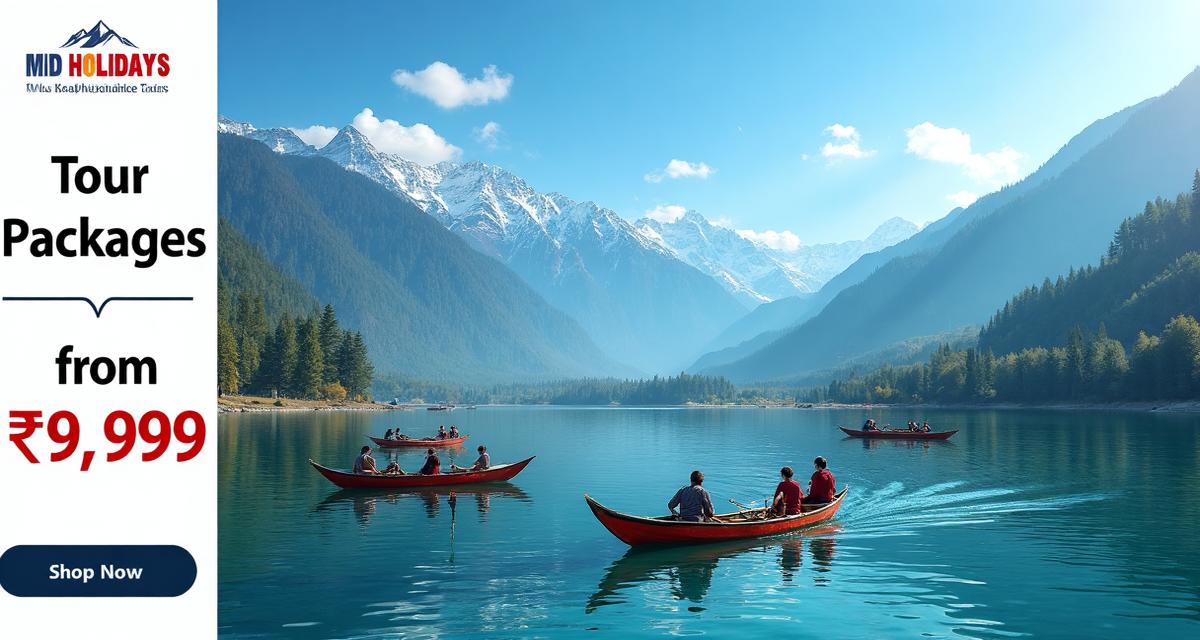
Embracing the Emerald Valley: Kashmir in July
Welcome, fellow travelers, to the breathtaking paradise of Kashmir! While many associate a trip to Kashmir with the spring bloom or winter snows, visiting Kashmir in July offers a completely different, yet equally enchanting, experience. This is when the valley truly lives up to its 'Paradise on Earth' moniker, as the monsoon rains wash everything clean, intensifying the greens of the meadows and forests, and making the rivers and waterfalls gush with renewed vigor. The air is crisp, the crowds are thinner, and you get to witness a side of Kashmir that’s both serene and spectacularly vibrant. At Mid Holidays, we believe that every season in Kashmir holds its own magic, and July is no exception. It’s an ideal time for those who appreciate lush landscapes, dramatic skies, and a more tranquil atmosphere.
Kashmir Weather in July: What to Expect from Monsoon
Understanding the weather is key to planning any successful trip, especially when considering Kashmir in July. This month marks the heart of the monsoon season in the region, bringing with it moderate to heavy rainfall, albeit not as relentlessly as in other parts of India. The temperatures during July are quite pleasant, ranging typically from 18°C to 28°C (64°F to 82°F). Days are comfortably warm, while evenings can be cool and refreshing, especially after a spell of rain. Expect lush green landscapes, occasional misty mornings, and dramatic cloudy skies that offer incredible photographic opportunities. While rainfall is common, it rarely lasts all day. You'll often find periods of sunshine interspersed with showers, making it possible to enjoy outdoor activities. However, it's wise to be prepared for sudden downpours and cooler temperatures, particularly in higher altitudes like Gulmarg or Pahalgam. The monsoon also adds a certain freshness to the air, cleansing the dust and revealing the vibrant colors of the valley with stunning clarity. Our team at Mid Holidays always advises packing accordingly to make the most of this unique weather.
Essential Monsoon Travel Tips for Your Kashmir Trip in July
Traveling to Kashmir in July requires a bit of smart packing and preparation to ensure a comfortable and enjoyable journey. Firstly, good quality waterproofs are your best friend: a sturdy rain jacket, waterproof trousers, and covers for your backpacks are highly recommended. Don’t forget waterproof walking shoes or boots with good grip, as trails can become slippery. Layering your clothing is crucial; carry light cotton shirts for warmer spells, and a fleece or light woolens for cooler evenings or higher altitudes. An umbrella is also a handy item to carry. It’s also wise to carry insect repellent, as mosquitoes can be more prevalent during the rainy season. Keep important documents in waterproof pouches. When driving, be aware that roads can be wet, so allow for extra travel time. Always check local weather forecasts before heading out for the day. For those planning treks, consult with local guides from Mid Holidays, as some trails might be muddy or temporarily inaccessible. Regarding health, carry a basic first-aid kit with essentials like pain relievers, antiseptics, and any personal medications. Staying hydrated is important, even if it’s not scorching hot. Finally, embrace the rain! It transforms Kashmir into an unforgettable landscape, perfect for photography and quiet contemplation.
Best Places to Visit in Kashmir During July Monsoon
Despite the rains, Kashmir in July still offers a plethora of captivating destinations to explore. Srinagar, the summer capital, remains a delightful experience. Enjoy serene shikara rides on Dal Lake, which looks even more mystical under cloudy skies, with the surrounding Zabarwan Hills reflecting in its calm waters. Visiting the Mughal Gardens – Shalimar Bagh, Nishat Bagh, and Chashma Shahi – is particularly rewarding; the monsoon sprinkles bring out the vibrant colors of the flowers and refresh the meticulously manicured lawns. A visit to the Shankaracharya Temple offers panoramic views of the city which are often spectacular after a rain shower. Pahalgam, known as the 'Valley of Shepherds,' becomes exceptionally scenic. While heavy rains might make some higher treks challenging, you can still enjoy leisurely walks along the Lidder River, visit Betaab Valley, or exploe Chandanwari. The lush greenery here is simply mesmerizing. Gulmarg, the 'Meadow of Flowers,' glows in July. The gondola ride to Kongdoori and Apharwat Peak offers incredible views of the cloud-kissed mountains, and the golf course takes on an intense emerald hue. Sonmarg, the 'Meadow of Gold,' with its Thajiwas Glacier, also presents a stunning spectacle, though road conditions should be checked before heading to higher points. The gushing rivers and waterfalls everywhere create a magical atmosphere. Even small, lesser-known villages gain an ethereal charm. Mid Holidays can curate a customized itinerary that makes the most of these monsoon wonders, ensuring your safety and enjoyment.
Embracing Local Delights: Food and Culture in Monsoon Kashmir
A trip to Kashmir in July isn't just about the scenic beauty; it’s also an opportunity to immerse yourself in the local culture and savor the delicious Kashmiri cuisine. The monsoon season makes the experience of sipping traditional Kashmiri Kahwa even more delightful. This aromatic green tea infused with saffron, cardamom, and almonds provides warmth and comfort, perfectly complementing the cool, misty weather. You can often find street vendors selling hot pakoras or roasted corn, which are quintessential monsoon snacks. Indulge in traditional Wazwan dishes like Rogan Josh, Yakhni, and Gustaba, which are even more comforting with the cooler temperatures. The local markets, though perhaps a little quieter than peak season, still offer beautiful handicrafts, Pashmina shawls, and dry fruits. Engaging with the locals during this time can be particularly rewarding. They are often more relaxed, and you might get to witness their everyday life amidst the serene monsoon backdrop. Consider visiting local schools or community centers, or simply strike up a conversation with a shopkeeper. The rhythm of daily life in Kashmir during the monsoon is gentle and inviting, allowing for deeper cultural immersion. Mid Holidays believes that these small interactions are what make a trip truly memorable, and we encourage our travelers to experience Kashmir not just as tourists, but as welcome guests.
Costs and Logistics for Your July Kashmir Adventure
Understanding the financial aspects and logistics is crucial for planning your Kashmir trip in July. As it is not the peak tourist season for many, you might find more competitive prices for accommodation and some services compared to spring or autumn. A comfortable budget for a mid-range trip to Kashmir, including accommodation, transport, and food, could range from INR 2,500 to INR 4,500 per person per day, excluding flights. This can vary significantly based on your choices. For local transport within cities, auto-rickshaws or shared taxis are readily available and quite affordable. For inter-city travel, hiring a private taxi is convenient, with rates varying depending on the distance, for example, a day trip to Gulmarg from Srinagar might cost around INR 2,500 to INR 3,500. Shikara rides on Dal Lake typically cost around INR 500-800 per hour. Entry fees to Mughal Gardens are minimal, usually INR 20-50 per person. Air travel to Srinagar (SXR) is the most common way to reach Kashmir. From there, Mid Holidays can arrange airport transfers and all your ground transportation needs to ensure a seamless and stress-free journey. We always recommend booking accommodation and major transport in advance, even during the off-peak season, especially if you have specific preferences. Our expert team at Mid Holidays specializes in crafting bespoke Kashmir tour packages that cater to a wide range of budgets and preferences, ensuring you get the best value for your monsoon adventure.
Frequently Asked Questions
Is it safe to visit Kashmir during the monsoon season in July?
Yes, visiting Kashmir in July during the monsoon season is generally considered safe. While there might be occasional heavy rainfall, it usually doesn't lead to widespread disruptions. The primary concerns might be slippery roads and potentially muddy trails if you are trekking. However, major tourist routes and attractions remain accessible. It is always advisable to stay updated with local weather forecasts and follow any advisories from local authorities or your tour operator. Mid Holidays prioritizes traveler safety and our local guides are always aware of current conditions, making sure your journey is smooth and secure.
What kind of clothing should I pack for a July trip to Kashmir?
For a July trip to Kashmir, it's essential to pack wisely for the monsoon weather. We recommend layers: light cotton clothing for warmer days, a warm fleece or light woolen sweater for cooler evenings and higher altitudes, and most importantly, waterproof outerwear. A good quality rain jacket, waterproof trousers, and sturdy, waterproof walking shoes or boots with good grip are indispensable. An umbrella is also beneficial. Don't forget caps or hats, and consider carrying insect repellent. This layered approach ensures you are prepared for both sunshine and sudden downpours, making your travel comfortable.
Are popular activities like Shikara rides or Gondola in Gulmarg available in July?
Absolutely! Popular activities such as shikara rides on Dal Lake in Srinagar and the Gondola in Gulmarg are typically operational in July, weather permitting. Shikara rides are especially enchanting during the monsoon, with the lake taking on a mystical sheen. The Gulmarg Gondola operates, offering breathtaking views, though in heavy rain or strong winds, there might be temporary suspensions for safety reasons. It's always a good idea to check the operational status on the day of your visit, which Mid Holidays can help you with, ensuring you don't miss out on these iconic experiences.
What are the advantages of visiting Kashmir in July compared to other seasons?
Visiting Kashmir in July offers several unique advantages. Primarily, the landscape is at its most vibrant and green due to the monsoon rains, offering spectacular photographic opportunities and a sense of freshness in the air. The crowds are generally thinner compared to the peak spring and autumn seasons, leading to a more peaceful and intimate travel experience. You might also find better deals on accommodation and other services. The temperatures are pleasantly cool, especially compared to the rest of India, offering a comfortable escape from the summer heat. It's a time for dramatic skies, gushing waterfalls, and an unusually serene atmosphere that many travelers find deeply captivating.
Can I still go trekking or hiking in Kashmir during the monsoon season?
While it is possible to go trekking or hiking in Kashmir during the monsoon season, it requires careful consideration and planning. Shorter, less strenuous trails may be accessible and offer unique beauty amidst the lush greenery. However, certain high-altitude or more challenging treks might be difficult or even temporarily closed due to muddy conditions, slippery paths, or overflowing streams. It is crucial to consult with experienced local guides, such as those associated with Mid Holidays, who can provide up-to-date information on trail conditions, advise on suitable routes, and ensure your safety. Always prioritize safety and be prepared for changing weather conditions when planning monsoon treks.