Kashmir with Darjeeling Sikkim Combo Package: Mid Holidays' Grand Tour
Combo Tour Package
Explore the breathtaking beauty of Kashmir combined with the serene charm of Darjeeling and Sikkim. This unique combo package offers diverse Indian…
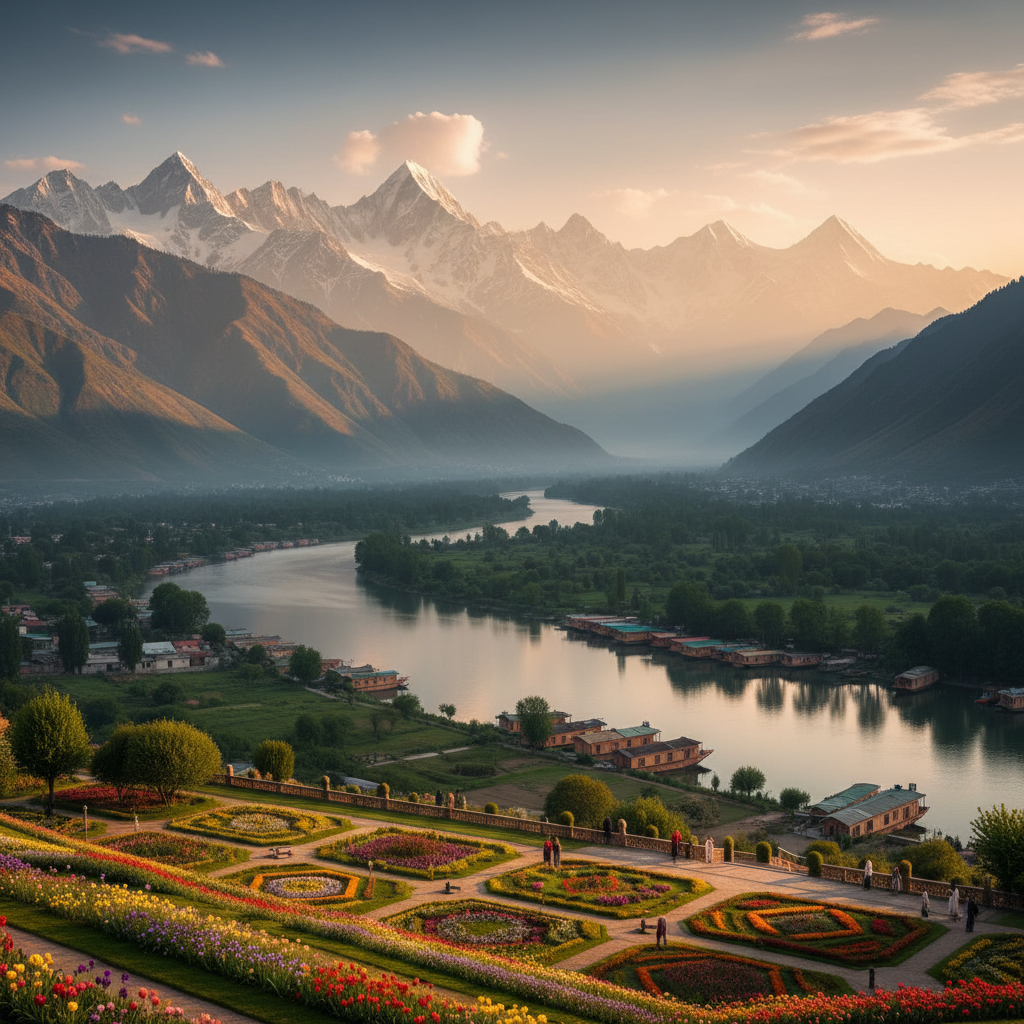
An Epic Journey: Kashmir with Darjeeling Sikkim Combo Package Overview
Imagine a single journey that transports you from the pristine snow-capped peaks and serene lakes of Kashmir to the lush green tea gardens and spiritual monasteries of Darjeeling and Sikkim. This Kashmir with Darjeeling Sikkim combo package is designed for the discerning traveler who yearns for diverse landscapes, rich cultural experiences, and an expansive view of India's natural beauty. It's a grand tour, meticulously crafted to showcase the best of both regions, offering a vibrant tapestry of experiences that range from tranquil shikara rides on Dal Lake to exhilarating toy train journeys in the Himalayas, and serene moments in ancient Buddhist monasteries. This package is particularly suited for those with a generous vacation window, say 12-15 days, who wish to maximize their travel experience and witness contrasting yet equally captivating facets of India. It’s an ideal choice for families looking for an adventurous yet comfortable trip, honeymooners seeking unique and memorable backdrops, or even solo explorers eager to immerse themselves in varied cultures and sceneries. While challenging to combine logistically due to the geographical distance, Mid Holidays has perfected the flow, ensuring smooth transitions and a truly unforgettable adventure.
Best Time to Embark on This Dual Himalayan Adventure
Timing is crucial for a Kashmir with Darjeeling Sikkim combo package, as both regions have distinct weather patterns. The sweet spot for this grand tour is generally during spring (April to early May) and autumn (September to October). In spring, Kashmir bursts into life with vibrant tulip gardens and pleasant weather, while Darjeeling and Sikkim also enjoy comfortable temperatures, clear skies, and blooming rhododendrons. Autumn brings crisp air and spectacular autumnal hues to Kashmir's Chinar trees, perfectly complementing the clear, panoramic mountain views and stable weather in the eastern Himalayas. Avoiding the monsoon season (July-August) is advisable for both destinations due to heavy rainfall, which can lead to landslides and travel disruptions. Similarly, extreme winters (December-February) in both regions, while beautiful, can mean road closures and limited accessibility, particularly in higher altitudes of Sikkim and Kashmir. For a seamless and enjoyable experience, targeting the shoulder seasons ensures you encounter the best of both worlds with manageable crowds and optimal weather for sightseeing and activities.
Crafting Your Unforgettable Journey: A Sample Itinerary
A typical Kashmir with Darjeeling Sikkim combo package would span approximately 12 to 15 days, thoughtfully divided between the two regions. The journey might begin in Kashmir, dedicating around 5-6 days to exploring Srinagar's Mughal Gardens, a shikara ride on Dal Lake, a houseboat stay, and excursions to Gulmarg for its Gondola ride and Pahalgam's Lidder Valley. After soaking in the beauty of the 'Paradise on Earth', you'd typically take a flight from Srinagar to Bagdogra (via a connecting city like Delhi or Kolkata), which serves as the gateway to Darjeeling and Sikkim. The second leg of your trip, another 6-7 days, would then unfold in the Eastern Himalayas. This part would cover Darjeeling's famous Tiger Hill sunrise, toy train ride, and tea estates, followed by a deeper dive into Sikkim, visiting Gangtok's Rumtek Monastery, Tsomgo Lake, and perhaps even a day trip to Namchi or Pelling depending on permit availability and interest. The precise flow ensures a balance of travel and relaxation, allowing you to truly absorb the distinct atmospheres of each region. Remember, this is a sample, and Mid Holidays can tailor the exact number of days and specific destinations to your preferences and available time.
Budgeting for Your Epic Adventure: Costs and Considerations
The cost of a Kashmir with Darjeeling Sikkim combo package can vary significantly, typically ranging from INR 75,000 to INR 1,50,000 or more per person, excluding international flights, for a 12-15 day trip. This range accounts for various factors such as accommodation choices (budget to luxury), mode of inter-state transport (flights versus trains for longer segments), inclusion of internal flights (e.g., Srinagar to Bagdogra via Delhi), and chosen activities. Expect to allocate a significant portion for internal flights, which can add INR 10,000-20,000 per person. Accommodation in both regions offers a wide spectrum, from charming guesthouses (INR 2,000-4,000 per night) to premium hotels (INR 8,000-15,000+ per night). Transportation within Kashmir and Darjeeling/Sikkim is primarily by private car, averaging INR 3,000-5,000 per day depending on the vehicle and routes. Food costs are reasonable, about INR 800-1,500 per person per day for comfortable dining. Always factor in permits for certain areas in Sikkim, entry fees to attractions, and personal expenses. Booking well in advance, especially for flights and popular hotels during peak season, can help manage costs. Mid Holidays offers various package tiers to suit different budget requirements, ensuring a quality experience regardless of your spend.
Seamless Transitions: How to Reach and Travel Between Destinations
Connecting Kashmir to Darjeeling and Sikkim involves a well-planned sequence of flights. Your journey to Kashmir will typically begin with a flight to Srinagar International Airport (SXR). From there, local transport (taxis, private cars) will take you to your hotels or houseboats. After experiencing Kashmir, the most efficient way to reach the Eastern Himalayas is to fly from Srinagar (SXR) to Bagdogra Airport (IXB), which serves Darjeeling and Sikkim. This usually involves a layover in a major Indian city like Delhi (DEL) or Kolkata (CCU). While direct flights are rare, the connecting flight ensures you cover the vast distance comfortably. The flight duration, including layovers, can be anywhere from 6 to 10 hours. Once at Bagdogra, private taxis or shared jeeps are readily available for the picturesque drive up to Darjeeling (approx. 3-4 hours) or Gangtok (approx. 4-5 hours). For internal travel within Kashmir and the Darjeeling-Sikkim region, private taxis are the most convenient and comfortable option, allowing for flexible sightseeing. Ensure your chosen package includes these transfers for a hassle-free experience. Mid Holidays meticulously plans all these logistical aspects, ensuring smooth and comfortable transitions throughout your grand tour.
Where to Rest and Recharge: Accommodation and Dining
In Kashmir, your accommodation options range from luxurious houseboats on Dal Lake to boutique hotels and traditional guesthouses in Srinagar. Houseboats offer a unique, authentic experience, often with personalized service and delicious Kashmiri Wazwan meals. In Gulmarg and Pahalgam, you'll find resorts and hotels catering to various budgets, many offering stunning mountain views. Dining in Kashmir is an experience in itself; don't miss the rich, aromatic Wazwan cuisine – a multi-course feast featuring dishes like Rogan Josh, Gushtaba, and Yakhni. Vegetarian options are also plentiful. Transitioning to Darjeeling and Sikkim, accommodations often include heritage hotels with colonial charm in Darjeeling, offering views of Kanchenjunga, and modern hotels or cozy homestays in Gangtok. Homestays in Sikkim provide a wonderful opportunity to experience local culture and cuisine firsthand. Food in this region is diverse, with strong Tibetan, Nepali, and Bhutanese influences. Sample momos, thukpa, and local Sikkimese curries. Darjeeling tea, of course, is a must-try. Many hotels and guesthouses offer dining facilities, but exploring local eateries and cafes will enhance your culinary journey. Always inform your hosts or restaurant staff about any dietary restrictions.
Essential Packing, Safety, and Local Etiquette for a Dual Destination Trip
For a Kashmir with Darjeeling Sikkim combo package, smart packing is key. Given the varied altitudes and potential weather changes, layering is essential. Pack warm clothing, including sweaters, a jacket, and thermals, even during shoulder seasons, as evenings can be chilly, especially in Gulmarg or high-altitude Sikkim. Comfortable walking shoes are a must, as you'll be doing a fair amount of sightseeing. Sunscreen, sunglasses, a wide-brimmed hat, and a basic first-aid kit are also highly recommended. Don't forget your camera for the spectacular scenery! Regarding safety, both Kashmir (especially popular tourist areas) and Sikkim/Darjeeling are generally safe for tourists. However, always be aware of your surroundings, avoid venturing into isolated areas alone after dark, and keep your valuables secure. For Sikkim, remember that certain areas like Nathula Pass or Gurudongmar Lake require special permits, which Mid Holidays will help arrange. Respect local customs and traditions: dress modestly, especially when visiting religious sites, and remove your shoes before entering temples or monasteries. Photography might be restricted in some holy places. A friendly 'Assalamu Alaikum' in Kashmir or 'Namaste' in the Eastern Himalayas will go a long way in connecting with locals. Enjoy the journey, but always be mindful and respectful.
Common Pitfalls to Avoid on Your Grand Indian Expedition
Embarking on a Kashmir with Darjeeling Sikkim combo package is an incredible experience, but being aware of common pitfalls can ensure a smoother journey. First, underestimating the travel time between Kashmir and the Eastern Himalayas is a frequent mistake. It's a full travel day, so plan for it and don't schedule major activities on either end. Second, neglecting to secure necessary permits for certain restricted areas in Sikkim (like Nathula Pass or North Sikkim) in advance can lead to disappointment. Mid Holidays will guide you through this process, but providing required documents promptly is crucial. Third, failing to pack adequately for varying temperatures and altitudes can impact your comfort; always pack layers. Fourth, trying to cram too much into each day can lead to exhaustion rather than enjoyment. This combo tour is about experiencing diverse cultures and landscapes, not just ticking off sites. Allow for leisure time. Finally, not booking key elements like flights, popular hotels, and houseboats well in advance, especially during peak seasons, can result in higher prices or limited availability. With a unique and logistically complex trip like this, relying on experienced tour operators like Mid Holidays to manage the intricate details will make your grand Indian expedition truly seamless and memorable. Their expertise ensures that potential challenges are preempted, leaving you free to immerse yourself fully in the beauty and wonder of both Kashmir and the Eastern Himalayas. To start planning your extraordinary Kashmir with Darjeeling Sikkim combo package, visit kashmir.midholidays.in and explore our curated options. We're here to craft your perfect dual Himalayan adventure.
Related Kashmir Guides & Services
<p>Planning the rest of your trip? These Mid Holidays guides pair well with this article:</p><ul><li><a href="/blog/kashmir-rajasthan-desert-safari-combo-package">Kashmir with Rajasthan Desert Safari Combo: Himalayan & Desert Dreams</a></li><li><a href="/blog/kishtwar-travel-guide-kashmir-hidden-paradise">Kishtwar Travel Guide: Explore Kashmir's Hidden Paradise with Mid Holidays</a></li><li><a href="/blog/patnitop-complete-travel-guide">Patnitop Complete Travel Guide: Your Himalayan Escape with Mid Holidays</a></li><li><a href="/blog/zanskar-valley-travel-guide">Zanskar Valley Travel Guide: A Journey to Ladakh's Remote Heart</a></li><li><a href="/blog/kashmir-leh-ladakh-combo-tour-package-mid-holidays">Kashmir Leh Ladakh Combo Tour Package: Ultimate Journey with Mid Holidays</a></li></ul>
Frequently Asked Questions
Is a Kashmir with Darjeeling Sikkim combo package suitable for a family with young children?
Yes, this combo package can be very suitable for families with young children, provided the itinerary is paced well. Both regions offer diverse activities that children can enjoy, from boat rides in Kashmir to toy train journeys in Darjeeling. It's crucial to select accommodations with family-friendly amenities and to include sufficient breaks between travel days. Mid Holidays can customize the itinerary to ensure a comfortable and engaging experience for all age groups, minimizing long travel durations and incorporating child-friendly attractions.
What kind of internal travel is involved when combining Kashmir, Darjeeling, and Sikkim?
Internal travel for this combo primarily involves flights between regions and private car services for local sightseeing and inter-city transfers within Kashmir and the Darjeeling-Sikkim area. You'll typically fly from Srinagar to Bagdogra (with a layover in Delhi or Kolkata). From Bagdogra, private taxis are used to reach Darjeeling and then Gangtok. Within each region, private cars are the most convenient way to explore attractions, offering flexibility and comfort. Shared jeeps are also an option for some routes in Sikkim but may offer less flexibility.
Are special permits required for any part of the Kashmir with Darjeeling Sikkim combo package?
Yes, special permits are often required for certain areas in Sikkim, particularly for visits to high-altitude regions like Nathula Pass, Tsomgo Lake, Baba Mandir, and parts of North Sikkim. Indian nationals usually require Inner Line Permits, while foreign nationals might need Protected Area Permits. These permits are typically arranged by your tour operator, like Mid Holidays, with relevant documents required from your side. Kashmir generally does not require special tourist permits for the main tourist circuits.
What are the food options like for vegetarians and vegans on this combo tour?
Both Kashmir and the Darjeeling-Sikkim region offer excellent food options for vegetarians. In Kashmir, while Wazwan is predominantly non-vegetarian, there are many delicious vegetarian Kashmiri dishes like Dum Aloo, Nadru Yakhni (lotus stem curry), and local saag varieties. In Darjeeling and Sikkim, vegetarian and vegan options are abundant, with momos (dumplings), thukpa (noodle soup), and various curries prepared with fresh local vegetables. Most restaurants and hotels are accustomed to dietary requests, but it's always good to communicate your preferences in advance.
How physically demanding is a Kashmir with Darjeeling Sikkim combo package?
The physical demand of this combo package is generally moderate. It involves a fair amount of travel between destinations, some long drives in mountainous terrain, and sightseeing that may include walking at varying altitudes. While intense trekking is not mandatory, you might encounter stairs at monasteries or gentle slopes in gardens. High-altitude areas in Sikkim like Tsomgo Lake (around 12,000 feet) require some acclimatization. It's advisable to be in reasonably good health, and those with heart or respiratory conditions should consult their doctor before traveling to high altitudes.
Can I extend my stay in either Kashmir or Darjeeling/Sikkim if I wish?
Absolutely! One of the advantages of booking with a flexible tour operator like Mid Holidays is the ability to customize your itinerary. If you wish to spend more time exploring the serene valleys of Kashmir, or dedicate extra days to the cultural richness of Sikkim, it can be arranged. Inform your travel consultant about your preferences during the planning stage, and they can adjust the package duration and inclusions accordingly, subject to availability and any additional costs.
What is the luggage allowance like for the flights connecting Kashmir to Darjeeling/Sikkim?
For domestic flights within India, including those connecting Srinagar to Bagdogra, the standard checked baggage allowance is typically 15 kg per person, plus a small cabin bag of up to 7 kg. However, this can vary slightly by airline and ticket class. It's always advisable to check the specific baggage policy of your airline before travel to avoid excess baggage fees. If you anticipate needing more luggage, consider pre-booking extra baggage online, which is usually cheaper than paying at the airport.